How to Hunt Elk Water Holes
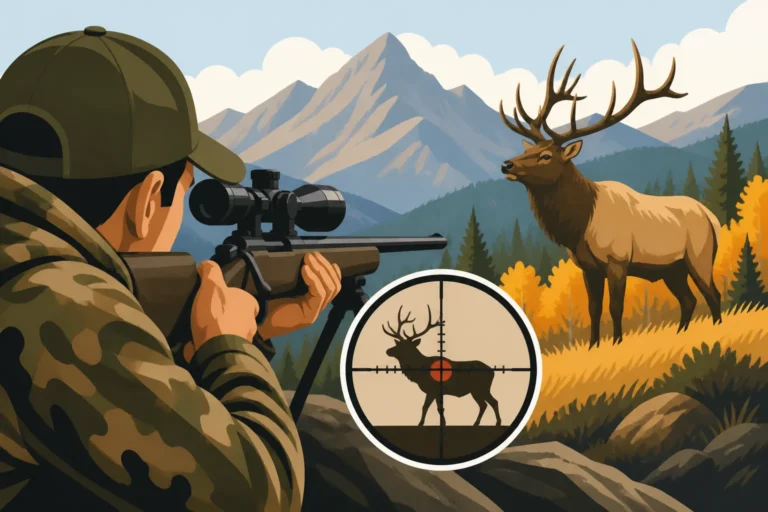
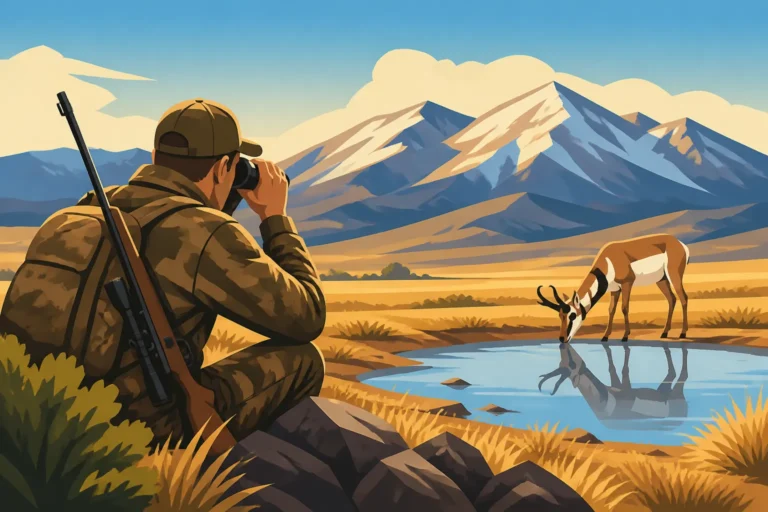
Finding elk in the vast, rugged landscapes of Colorado can often feel like searching for a ghost, especially when they aren't bugling or you're hunting outside the rut. One often-overlooked, yet incredibly effective strategy, especially during dry spells or in specific terrains, is focusing your efforts around water holes. This comprehensive guide will walk you through everything you need to know about locating, scouting, and effectively hunting elk around these critical water sources, turning a potential frustration into a high-percentage opportunity.
The Irresistible Pull of Water for Colorado Elk
It's easy to forget, with all the focus on feed and bedding, that water is arguably the most vital resource for any living creature, and elk are no exception. They are large animals with a high metabolic rate, and their diet of grasses, forbs, and browse requires a significant amount of hydration to digest and process. During certain times of the year, or in specific habitat types, water becomes a critical limiting factor, drawing elk in like a magnet.
Seasonal and Weather Impacts on Elk Hydration
The importance of water sources for elk fluctuates throughout the year, largely dictated by weather patterns and the moisture content of their forage. In the lush, green days of early summer, elk might get much of their hydration from dew-covered vegetation. However, as Colorado summers often turn hot and dry, or during late-season hunts when vegetation has dried out and frozen, free-standing water becomes absolutely essential.
Imagine a scorching August afternoon in the high country. An elk's body temperature is rising, and it’s been moving and feeding all day. That crisp, cool water from a secluded spring or a cattle tank isn't just a luxury; it's a survival necessity. Even in colder weather, while they might not dehydrate as quickly, unfrozen water sources become highly concentrated travel corridors, as many smaller seeps and streams lock up solid. This seasonal shift is a crucial piece of the puzzle, and savvy hunters pay close attention to the weather forecast and historical patterns. If you're heading out during a hot, dry stretch, prioritize water; if it's wet and cool, they might be more dispersed, but water will still be part of their daily routine.
Identifying Prime Water Sources in Elk Country
Not all water is created equal when it comes to attracting elk. While they'll drink from almost anywhere when desperate, certain types of water sources are consistently more productive. Natural springs and seeps, especially those tucked away in north-facing timber or at the base of a canyon, are often gold mines. These sources tend to be cooler, clearer, and offer good cover. Small ponds or stock tanks on private or public land, often put in for cattle, can also be incredible attractants, particularly if they are somewhat remote and offer good escape routes for elk.
The key is to look for freshness and signs of use. Stagnant, muddy puddles might get some attention, but a clear, flowing spring or a well-maintained stock tank will be preferred. Consider accessibility: Is the water source easily approached by elk without exposing them too much? Are there thickets or dark timber nearby where they can bed down after a drink? These details matter. A natural wallow, a muddy depression where elk cool off and rub velvet, is also a prime spot, though often less about drinking and more about comfort and rut activity. You'll want to focus on actual drinking water sources for this particular strategy.
Mastering the Art of Scouting for Elk Water Holes
Successfully hunting water holes isn't about stumbling upon them; it's a strategic endeavor that starts long before you ever set foot in the field. Effective scouting, both from your computer and on the ground, is paramount.
E-Scouting for Water from Afar
Your journey to a productive water hole begins at home with detailed e-scouting. Tools like Google Earth, onX Hunt, and the mapping features available through platforms like GoHunt are invaluable. Start by looking for areas that are naturally dry or have limited water sources, as this will concentrate elk activity. Then, zoom in on those regions.
What are you looking for? Green patches in otherwise arid landscapes, indicating a seep or spring. Dark depressions in timbered areas or at the bottom of drainages. Look for cattle tanks, often visible as small, circular or rectangular shapes. Pay close attention to topographic maps for contour lines that suggest natural benches or saddles where water might collect, or where a spring could emerge. Crucially, look for game trails converging on these water sources. These are the highways elk use, and multiple trails leading to a single water point are a strong indicator of heavy use. This initial reconnaissance allows you to identify several potential spots, saving you precious time and effort in the field. Think of it as painting a target on the most promising areas before you even pack your boots. A good e-scouting session can reveal numerous potential spots and help you understand the surrounding terrain, including escape routes and bedding areas, which is vital for planning your approach.
Boots-on-the-Ground Reconnaissance
Once you've identified potential water sources from your e-scouting, it's time to hit the ground. This is where you verify what you saw on the map and gather fresh intelligence. When scouting in person, move slowly and quietly, as if you're hunting. You're looking for undeniable signs of elk activity: fresh tracks in the mud around the water, recent droppings, chewed vegetation, and rubs on trees if it's near the rut. The fresher the sign, the better.
Examine the trails leading to and from the water. Are they well-worn? Do they show recent use? Try to determine the direction elk are coming from and going to. This can give you clues about their bedding and feeding areas. Also, assess the surroundings for suitable ambush points. Is there dense cover for a ground blind? A tree sturdy enough for a tree stand? Can you approach and exit discreetly without alerting game? You want to find spots where you have the wind advantage and a clear shooting lane. Remember, elk are incredibly sensitive to pressure. If you find a promising water hole but it's littered with human scent or trash, it might be best to move on to a less pressured spot. A critical part of this scouting is figuring out How to Move Quietly Through Colorado Timber to avoid disturbing the area.
Understanding Elk Travel Patterns to Water
Elk don't just appear at water holes; they have established patterns of movement. Often, they will feed in open areas or on transition zones during the night and early morning, then head to water before bedding down in thick timber or north-facing slopes for the day. In the late afternoon, they might get up for another drink before heading back out to feed.
Your goal is to intercept them along these travel corridors. Use the information gathered from your e-scouting and ground scouting to identify these trails. Are they coming down a ridge line? Following a creek bottom? Crossing a saddle? Pay particular attention to trails that connect bedding cover directly to water. Sometimes, a water hole might be just a short distance from a major bedding area, making it an ideal ambush location. GoHunt’s detailed maps can highlight elevation changes and vegetation types, helping you predict where elk might be moving between these critical resources. Understanding these patterns is key to positioning yourself for a shot.
| Water Source Type | Pros for Elk Hunting | Cons for Elk Hunting | Best Season/Conditions |
|---|---|---|---|
| Natural Spring/Seep | Consistent water supply, often secluded, good cover nearby | Can be small, may dry up in extreme drought, hard to find | All seasons, especially hot/dry |
| Cattle Tank/Pond | Large water volume, often in open areas where elk can see | May have human/cattle disturbance, less natural cover | All seasons, particularly arid areas |
| Wallow (muddy) | Strong attractant during the rut (bulls), comfort in hot weather | Less about drinking, more about wallowing; strong scent | Rut (Sept-Oct), hot weather |
| River/Large Creek | Abundant water, but elk may drink anywhere along its length | Difficult to pinpoint specific crossing/drinking spots | All seasons, often high-pressure |
Setting Up for Success: Ambush Tactics and Considerations
Once you've found a promising water hole and understood the elk's travel patterns, the real work of setting up your ambush begins. This is where attention to detail and patience truly pay off.
The Critical Dance of Wind, Thermals, and Scent Control
This is non-negotiable for elk hunting, especially at water holes. Elk have an incredible sense of smell, far superior to ours. If they get a whiff of you, your hunt is over before it begins. Always, always hunt with the wind in your favor. This means it should be blowing from the elk's anticipated approach directly towards you, or ideally, blowing your scent away from the water hole and their travel corridors.
In the mountains, thermals play a huge role. In the morning, as the sun warms the earth, air rises, causing thermals to pull scent uphill. In the evening, as the air cools, thermals fall, carrying scent downhill. This means if you're hunting a water hole in a drainage, you might need to position yourself differently in the morning versus the evening. For example, in the morning, position yourself above the water so your scent is carried up and away. In the evening, position yourself below it, with the falling thermals carrying your scent down the drainage. Always monitor wind direction using a wind checker, and employ strict scent control measures, from scent-eliminating sprays to clean hunting clothes. Learning How to Use the Wind Hunting Colorado Elk and How to Use Thermals in Colorado Elk Country are foundational skills for any successful hunter.
Strategic Stand Placement and Concealment
Your stand placement, whether it's a tree stand, ground blind, or natural hide, is crucial. You want to be close enough for an ethical shot but far enough away not to be easily detected. Aim for a position that offers good concealment, breaks up your silhouette, and provides a clear view of the water and likely approach paths.
For a ground setup, natural features like dense brush, fallen logs, or rock formations can provide excellent cover. Many hunters also opt for pop-up ground blinds for superior concealment. If using a tree stand, ensure it's positioned to minimize your skyline against the horizon. Always scout for multiple approach and exit routes to avoid spooking game as you come and go. Consider the angle of the sun at different times of the day to avoid being silhouetted or having the sun glare directly into your eyes. A good vantage point might be 20-40 yards from the water, offering a comfortable shooting distance for most hunters.
Timing Your Hunt: When to Be at the Water Hole
Elk are most likely to visit water during the cooler parts of the day: early morning and late evening. They often drink just after leaving their bedding areas in the evening, or before returning to them in the morning. However, during periods of extreme heat and dryness, they might also visit water mid-day to escape the heat and quench their thirst.
Your setup should ideally happen well before first light or several hours before dusk. If you're setting up a ground blind for an all-day sit during hot weather, get in early and stay put. Patience is your greatest virtue. Don't be tempted to move too much or fidget. Remember, you're trying to ambush one of the wariest animals in North America. Sometimes, the best strategy is to be the first one in and the last one out, especially if you're targeting a high-potential water source you found using GoHunt’s aerial imagery to identify dense cover nearby.
Avoiding Common Pitfalls and Maximizing Your Chances
Hunting water holes sounds simple, but there are nuances that can make or break your success. Being aware of common mistakes can help you sidestep them.
The Peril of Over-Pressuring Water Sources
One of the biggest mistakes hunters make is over-pressuring a prime water source. If elk sense consistent human presence or smell human scent every time they approach a water hole, they will quickly abandon it or become completely nocturnal. This makes it impossible to hunt effectively.
To avoid this, try to limit your visits to a water hole. If you don't see any activity after a sit or two, consider moving to another pre-scouted location. If you must check on it, do so during midday when elk are least active. If you decide to make a permanent setup like a ground blind, ensure it’s brushed in naturally and left to "soak" for a few days to a week before you hunt it. Think about a rotation: have a few different water holes identified and cycle through them to keep the pressure off any single one. This kind of strategic planning can be aided by GoHunt's data on historical elk movement in different units, helping you select less pressured areas.
Ignoring Subtle Signs of Elk Presence
Sometimes, the signs around a water hole aren't as obvious as fresh, deep tracks. Don't overlook the subtle clues. A few small, scattered droppings, a faint rub on a small sapling, or even a barely visible trail could indicate that elk are using the area, just perhaps not as frequently or as recently as you'd like.
These subtle signs might suggest that the water source is used occasionally, or by smaller, more wary elk. It could also mean the elk are becoming more nocturnal, making an all-day sit a better option. Be a detective. Every broken twig, every hair snagged on a branch, every disturbed rock tells a story. Combine these subtle signs with the larger picture of the area's suitability—like proximity to a good Colorado Elk Habitat and Elevation or a remote How to Find Elk Refuge Areas—to make an informed decision about whether to invest your time.
Not Considering Water Quality and Accessibility
Elk, like us, prefer clean water. While they'll drink from stagnant puddles if necessary, they prefer clear, fresh water. If a water hole is heavily fouled by cattle, excessively muddy, or clearly has poor water quality, elk might pass it by for a better option.
Also, consider accessibility. Is the water hole difficult for elk to approach due to steep banks, heavy blowdowns, or dense, thorny brush? While elk are agile, they prefer easy access. A perfect water hole for hunting offers clear, fresh water and an easy, well-worn path for elk to approach and drink, coupled with good escape cover nearby. This might mean bypassing a mediocre water source for a slightly further but much more appealing one.
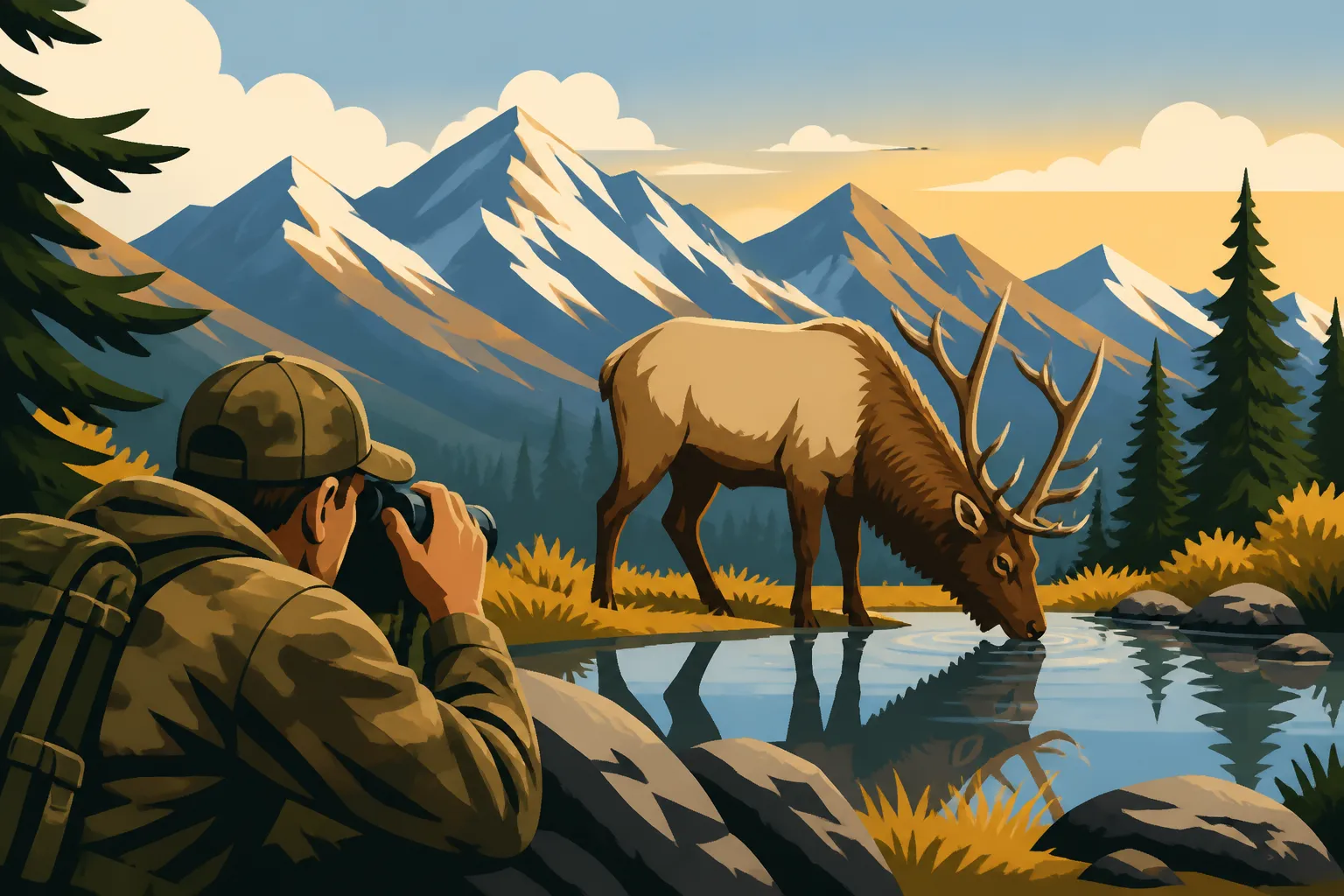
Hunting elk at water holes can be one of the most rewarding and effective strategies, especially when the conditions align. It requires patience, meticulous scouting, and a keen understanding of elk behavior and the terrain. But when a bull steps out of the timber, head down, eager for a drink, all that effort will instantly become worthwhile.
Disclaimer
Hunting is an inherently risky activity. This guide is for informational purposes only and does not guarantee success or safety. Always prioritize safety, adhere to all Colorado Parks and Wildlife regulations, and obtain proper licenses and permits. Be aware of your physical limitations and respect the wilderness. It is your responsibility to understand and follow all applicable laws and ethical hunting practices.