How to Spot-and-Stalk Colorado Black Bear
Hunting black bears in Colorado is an incredibly challenging and rewarding pursuit, but finding these elusive animals in the vast, rugged Western landscape and executing a successful stalk can feel like searching for a needle in a haystack. Many hunters struggle to pinpoint prime bear habitat, understand their seasonal movements, and then make a silent, effective approach once an animal is spotted. This comprehensive guide will walk you through the precise strategies, indispensable gear, and critical timing needed to master the spot-and-stalk method for Colorado black bears, significantly boosting your chances of success.
Understanding Colorado Black Bear Habits and Habitat
Before you can spot-and-stalk a black bear, you need to know where to look for them and what they're looking for. Colorado's black bears are incredibly adaptable, but their movements and concentrations are heavily dictated by food availability and security. Understanding their seasonal shifts and preferred haunts is the first step to putting yourself in a position to see one.
Seasonal Movement and Food Sources
Colorado black bears are opportunists, and their diet changes significantly throughout the year. In spring, when they emerge from hibernation, their primary focus is on green-up – tender, new plant growth like grasses, forbs, and aspen catkins. You'll often find them on south-facing slopes, which are the first areas to green up and melt off snow. These areas soak up the most sun, making them bear magnets in the early season. As spring progresses into summer, they'll shift their focus to berries, serviceberry, chokecherry, and buffaloberry. When autumn arrives, their drive for hyperphagia (intense feeding before hibernation) kicks in, and they gorge themselves on acorns, serviceberries, and anything else calorie-dense they can find. If there's a good mast crop of oak acorns, for instance, bears will concentrate heavily in oak brush thickets. Hunters should scout for areas with abundant food sources corresponding to the specific season they plan to hunt.
The high-country often offers different forage than lower elevations, leading to distinct patterns. Early season, low-elevation areas like river bottoms and transition zones might hold more bears seeking fresh greens, especially around areas like the Uncompahgre Plateau or the Grand Mesa. Later in the fall, bears might be drawn to higher elevation berry patches before descending for acorns or even agricultural fields in certain regions. Understanding these localized food patterns is crucial. For more on their behavior, check out our guide on Colorado Black Bear Behavior.
Identifying Bear Sign and Prime Habitat
Bears leave behind a treasure trove of evidence if you know what to look for. Scat is perhaps the most obvious, varying in content depending on their diet – from grassy pellets in spring to dark, berry-filled droppings in summer and fall. Keep an eye out for claw marks on trees, especially aspens, which bears use to stretch or mark their territory. Rubs on trees, where they scratch their backs, also indicate their presence. Logs or stumps that have been torn apart looking for grubs or insects are another tell-tale sign. Trails through thick brush or bedding areas in dense timber also point to bear activity.
When scouting for habitat, focus on areas with a mix of dense cover for bedding and open areas for feeding. Aspen groves, oak brush thickets, and dark timber stands provide excellent security cover. Look for slopes with good sun exposure for early season feeding, or north-facing slopes with dense conifers for bedding during warmer periods. Water sources are also important, particularly in drier regions. The boundaries of wilderness areas, national forests like the White River National Forest, and even specific Game Management Units (GMUs) known for robust bear populations can be fantastic places to start your search. Using a mapping application like GoHunt's Insider can help you identify these habitat types and potential bear hotspots from the comfort of your home. You can also gain deeper insights by reading our full Colorado Black Bear Hunting Guide.
Essential Gear and E-Scouting for Bear
Spot-and-stalk hunting for black bears in Colorado requires a specific set of tools and a thorough understanding of how to leverage modern technology to your advantage. This isn't a sit-and-wait game; it's an active, mobile pursuit that demands careful preparation.
Optics and Footwear Requirements
Your optics setup is arguably the most critical component of a successful spot-and-stalk bear hunt. You'll spend hours, if not days, behind glass, meticulously scanning distant hillsides and timber edges. High-quality binoculars (10×42 or 12×50 are common choices) are a must, paired with a reliable spotting scope (20-60x or 25-75x) for confirming distant sightings and assessing the animal. A solid tripod is non-negotiable for stable glassing, which drastically reduces eye fatigue and allows you to pick apart terrain. Consider a tripod head that allows for smooth, precise movements. Rangefinders are also vital for ethical shot placement once you've closed the distance on a bear. For more insights on choosing the right glass, explore our guide on Best Optics for Colorado Big Game.
Footwear is another critical gear choice, especially when navigating Colorado's rugged, often steep, and uneven terrain. You need boots that offer excellent ankle support, a stiff sole for side-hilling, and dependable traction. Waterproofing is a huge plus, as you'll encounter dewy mornings, stream crossings, and potential late-season snow. Comfort is paramount, as you'll be covering many miles on foot. Break in your boots well before the hunt to avoid blisters, which can quickly derail your efforts in the backcountry. Good gaiters can also keep debris and moisture out of your boots, improving overall comfort and preventing abrasions.
Mapping and E-Scouting for Bear
In today's hunting world, effective e-scouting is the cornerstone of success, especially for an animal like the black bear that often favors dense cover and specific food sources. Start by identifying potential GMUs with healthy bear populations and good public land access. Online resources like the Colorado Parks and Wildlife (CPW) website provide harvest data, population estimates, and season dates. Next, dive into satellite imagery. GoHunt offers exceptional mapping tools that allow you to analyze terrain features, identify south-facing slopes for spring green-up, locate oak brush thickets for fall feeding, and pinpoint bedding areas in dark timber. Look for areas where different habitat types converge, such as the edge of a timber stand meeting an open avalanche chute or a berry patch.
When e-scouting, pay close attention to contour lines to understand the steepness of the terrain and identify potential travel corridors, benches, or saddles that bears might use. Look for areas with minimal road access but still within a reasonable hiking distance from trailheads, as these often hold less pressured animals. Identify potential glassing points that offer expansive views of promising habitat. Consider entry and exit routes, prevailing wind directions, and water sources. Combining aerial imagery with topographical maps will give you a comprehensive understanding of the landscape, allowing you to create a detailed plan for your spot-and-stalk attempts. This meticulous pre-hunt preparation is critical for maximizing your time in the field, and you can learn even more by reading How to E-Scout Before a Colorado Hunt.
Executing the Spot-and-Stalk in Colorado
Once you've done your homework and acquired the right gear, it's time to put your skills to the test in the field. The actual execution of the spot-and-stalk is a blend of patience, observation, and calculated movement. This is where many hunts are won or lost, as bears have incredible senses and are quick to disappear.
Glassing Techniques for Bear
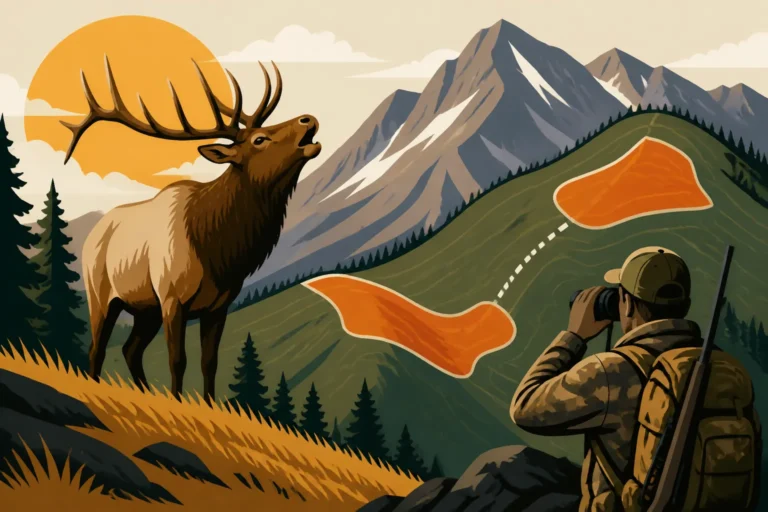
The "spot" in spot-and-stalk is arguably the most challenging and time-consuming part. Bears are masters of camouflage, often blending seamlessly into the shadows or dense vegetation. Your primary tool here is your optics and a methodical approach to glassing. Find a high vantage point that offers wide, unobstructed views of promising habitat. Set up your spotting scope and binoculars on a stable tripod. Start by systematically breaking down the landscape into smaller, manageable grids. Don't just scan; intensely scrutinize every shadow, every dark patch, every movement. Bears often reveal themselves by a subtle flick of an ear, a patch of black fur against a lighter background, or a disturbance in the brush.
Concentrate your glassing efforts during prime bear activity times: early morning and late evening. Bears are most active during these cooler periods, feeding and moving. On overcast days, they might be active throughout the day. Pay close attention to south-facing slopes in spring, especially those with green patches. In the fall, focus on areas known for acorn or berry production. Be patient. You might glass an area for an hour or more before a bear finally emerges or moves in a way that reveals its presence. When you do spot a bear, immediately confirm it's a black bear and not a grizzled rock or tree stump, and then carefully assess its size, location, and direction of travel. Knowing How to Judge Distance in the Mountains is critical once you've made a positive identification.
Approaching the Bear
Once a bear is spotted, the "stalk" begins, and this is where careful planning and stealth are paramount. Before you move an inch, evaluate the wind direction. A bear's nose is its most potent defense, so staying downwind is non-negotiable. Plan your approach route, using terrain features like ridges, draws, and timber pockets to mask your movement. Avoid open areas if possible. Take your time. Rushing a stalk is a sure way to blow it. Look for natural cover and plan your movements from one point of concealment to the next.
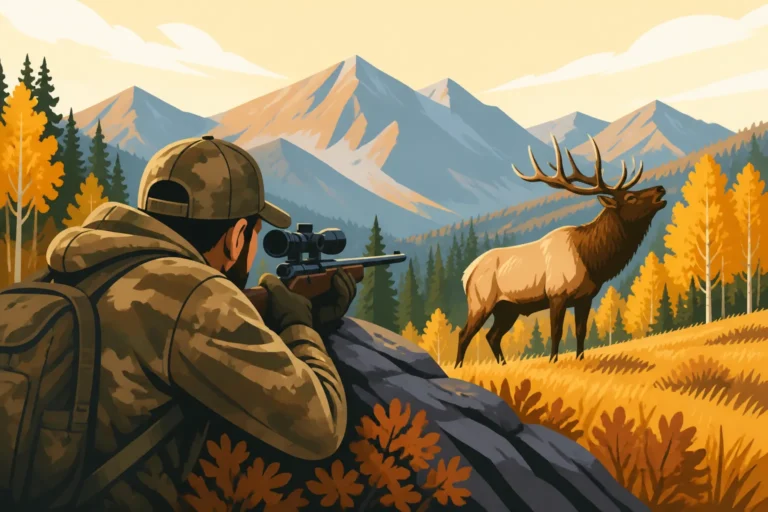
Move slowly, deliberately, and silently. Every step should be intentional, checking for noisy sticks or rocks before putting your full weight down. If the bear is feeding, it might be momentarily distracted, giving you an advantage. However, be prepared for it to lift its head and scan its surroundings. If it does, freeze immediately. Black bears have decent eyesight, but they're highly attuned to movement. Wait until its head is down or it's looking away before continuing your advance. The goal is to get within an ethical shooting range, typically within 200-300 yards for rifle hunters, or much closer for archery hunters. Consider the sun's position – keeping it at your back or to the side can prevent glare from revealing your position. This careful, methodical approach is at the heart of How to Spot-and-Stalk Colorado Bears.
Seasonal Strategies and Ethical Considerations
Colorado offers both spring and fall black bear hunting opportunities, each with unique challenges and advantages. Understanding these differences and adhering to ethical hunting practices are crucial for a successful and responsible hunt.
Spring Bear Opportunities
Colorado's spring bear season typically runs from April through early June, offering a fantastic opportunity to hunt bears emerging from their dens. The primary advantage of spring hunting is the bears' predictable behavior: they are often found on sun-exposed, south-facing slopes seeking the first green vegetation. These areas, typically at lower to mid-elevations (6,000-9,000 feet), tend to be more open, making spot-and-stalk tactics highly effective. Bears in the spring are usually leaner and focused intensely on feeding after their long hibernation, which can make them slightly less wary if not pressured.
However, spring bear hunting also comes with its own set of challenges. The weather can be highly unpredictable, ranging from warm, sunny days to sudden snowstorms. Roads can still be muddy or impassable at higher elevations. Also, distinguishing between male (boar) and female (sow) bears, especially if a sow has cubs, can be difficult. It is illegal to harvest a sow with dependent cubs, so extreme caution and careful observation are required. Always thoroughly glass and watch a bear for an extended period to confirm it is alone before making an approach. Our guide on Colorado Spring vs Fall Bear Hunting delves deeper into these seasonal distinctions.
Fall Bear Strategies and Timing
Fall bear season in Colorado aligns with elk and deer seasons, running from early September through November, often into the rifle seasons for other big game. This timing presents a different set of challenges and opportunities. Bears in the fall are in hyperphagia mode, driven to consume massive amounts of calories to prepare for winter hibernation. This means they'll be heavily concentrated around abundant food sources like berry patches, chokecherry thickets, and especially oak brush producing acorns. These areas can be found across various elevations, from foothills to high mountain slopes.
The key challenge in fall is that bears are often much thicker-coated, making them blend even better with the dark timber they frequently inhabit for security. They may also be more nocturnal, especially in heavily hunted areas. However, concurrent hunting seasons mean you might incidentally spot a bear while pursuing elk or deer. If you have a bear tag, being prepared to switch gears can pay off. Focus on drainages and slopes rich with fall forage, often near dense cover. Cooler temperatures mean bears might be active longer during the day compared to summer. The hunting pressure from other big game seasons can also push bears into more secluded, rugged areas, requiring hunters to venture further into the backcountry.
| Season | Primary Food Source | Preferred Habitat | Activity Level | Challenges | Opportunities |
|---|---|---|---|---|---|
| Spring | Green-up (grasses, forbs), roots | South-facing slopes, lower to mid-elevations | Early morning, late evening (can be all day on overcast days) | Unpredictable weather, identifying sows with cubs, muddy roads | Bears are more visible on open, green hillsides, predictable locations |
| Fall | Berries (chokecherry, serviceberry), acorns, mast crops | Berry patches, oak brush, dense timber, various elevations | Early morning, late evening (can be sporadic throughout day) | Dense cover, blending in, pressure from other hunters, more nocturnal | High calorie drive, concurrent with other seasons, potential for larger bears |
Ethical Hunting and Post-Shot Protocol
Ethical hunting goes beyond legal compliance; it's about respect for the animal and the land. When spot-and-stalk hunting for bear, always ensure you have a clear, ethical shot opportunity. This means being within your effective range, having a clear line of sight to the vitals, and confirming the bear is not a sow with cubs. Once the shot is taken, immediately assess the bear's reaction. If it runs, mark the exact location where it was standing and its last known direction of travel.
Wait at least 30-60 minutes before beginning to track, especially if the shot wasn't immediately fatal. This allows a wounded bear to bed down and expire, rather than being pushed further into dense cover. Follow the blood trail meticulously, looking for blood type, color, and location to determine the wound. Be cautious when tracking a wounded bear, as they can be dangerous when cornered. Always carry a sidearm for self-defense if legal and you're proficient. Once the bear is located, tag it immediately according to CPW regulations, and begin the quartering and packing out process quickly to ensure the meat is preserved. For beginners, consider pairing this information with Colorado Black Bear Hunting for Beginners.
Remember, spot-and-stalk bear hunting is a marathon, not a sprint. It requires patience, keen observation, physical endurance, and a deep understanding of bear behavior. Each successful stalk is a testament to careful planning and precise execution in the rugged Colorado mountains.
Disclaimer
Please note that hunting regulations, season dates, and unit specific rules can change annually. Always consult the most current Colorado Parks and Wildlife (CPW) regulations brochure and website before planning any hunting trip. This guide provides general information and should not replace official CPW resources.