How to Hunt Colorado Moose
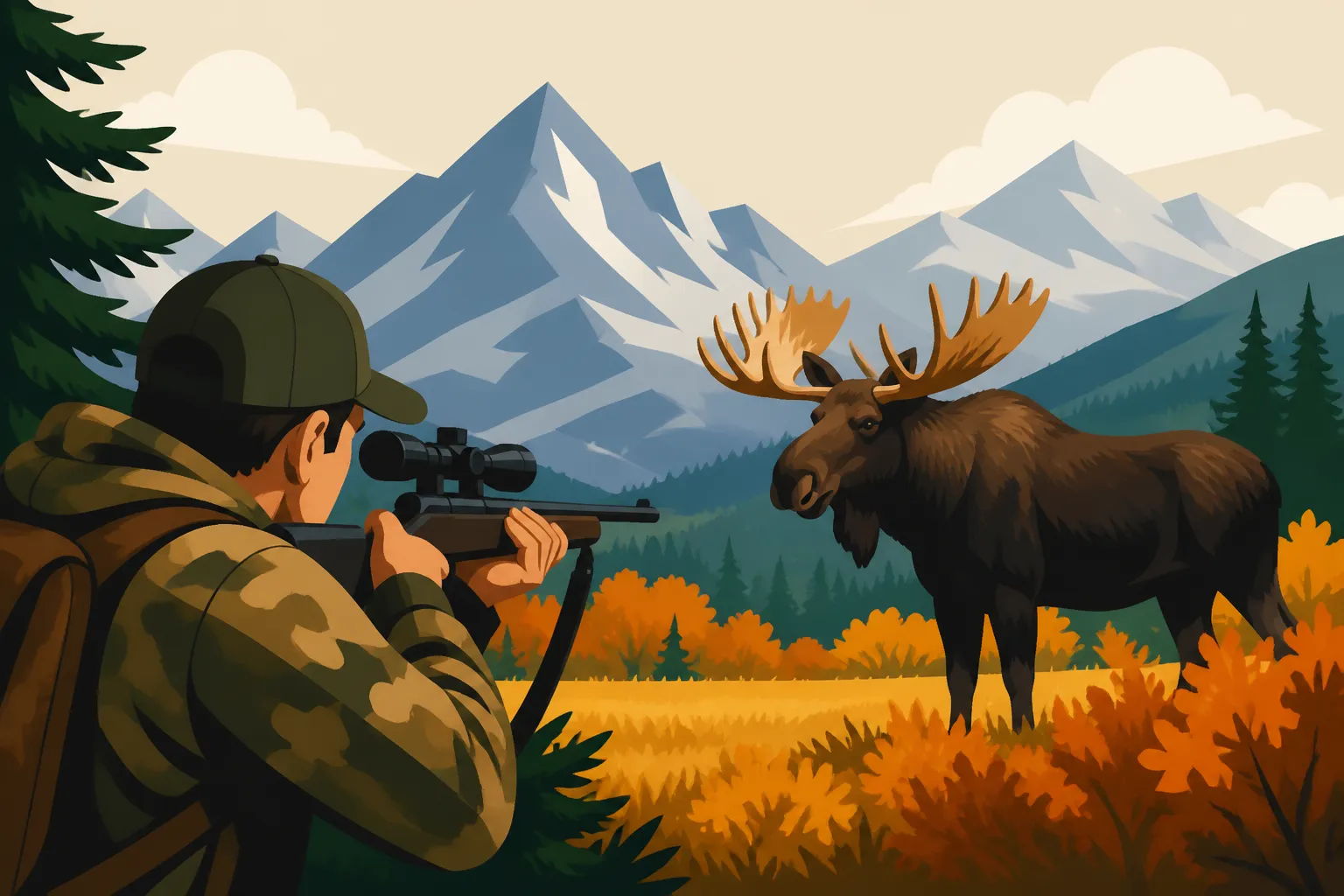
The majestic Shiras moose, with its impressive antlers and solitary demeanor, represents a truly unique and challenging big game opportunity in Colorado. For many hunters, drawing a Colorado moose tag feels like winning the lottery, and once you finally hold that coveted piece of paper, the real work—and the excitement—begins. This comprehensive guide will walk you through everything you need to know about pursuing these incredible animals, from understanding their habitat and navigating the complex draw system to effective hunting strategies and what to do after the shot.
Understanding Colorado Moose and Their Habitat
Colorado’s moose population is a remarkable conservation success story. Unlike elk, which thrive across vast swaths of the state, moose are a bit more particular about where they call home. Knowing their preferences is the first step toward a successful hunt.
The Shiras Moose: A Colorado Success Story
It might surprise some folks to learn that moose aren't historically native to large parts of Colorado. The Shiras moose, the smallest subspecies of moose in North America, was reintroduced to the state in the late 1970s and early 1980s, primarily in North Park near Walden, as well as the Laramie River drainage. From those initial transplant efforts, their numbers have steadily grown and expanded into suitable habitats across the state. Today, Colorado boasts a healthy, thriving population, a testament to dedicated wildlife management and the resilience of these magnificent animals.
What makes the Shiras moose so special in Colorado? They are truly creatures of the high country, preferring willow-rich riparian areas, dense lodgepole pine forests, and marshy basins often found at higher elevations. Unlike the vast herds of elk that roam the mountains, moose are typically solitary or found in very small family groups. They’re less wary of humans than elk or deer, but don't let that fool you into thinking they're easy to hunt. Their incredible camouflage, quiet movement through thick cover, and preference for dense, wet terrain make them incredibly challenging to locate and approach. Plus, drawing a tag for these animals often requires a significant investment in Colorado Preference Points Explained, adding to their mystique and the value of each opportunity.
Prime Moose Habitat and Key Indicators
When you're thinking about hunting moose in Colorado, you need to think willows, water, and dense timber. These animals are browsers, and their diet consists largely of willow, aspen, and other aquatic vegetation. They are often found in river bottoms, around beaver ponds, in high-alpine willow basins, and along the edges of lakes and marshy areas. If you’re scouting a unit and it looks like prime elk country – open parks, conifer stands, and dry ridges – you might be looking in the wrong place for moose.
Instead, focus your scouting on areas where water is abundant and thick, shrubby vegetation provides both food and cover. Look for drainages that funnel down into small, marshy pockets, or high-elevation plateaus crisscrossed by small streams and willow thickets. A great place to start your research is by exploring Colorado Moose Range and Units to pinpoint areas known for moose activity. On the ground, key indicators of moose presence include large, oval-shaped droppings, heavily browsed willow branches (especially during winter, but signs persist), and wide, distinctive tracks with splayed toes, particularly in muddy or soft ground near water sources. Pay attention to rub marks on small trees, usually from bulls stripping velvet or marking territory, which will be much higher than deer rubs. You'll often find these signs in areas so thick you might wonder how anything larger than a rabbit could move through. That’s exactly where a moose wants to be.
Colorado Moose Hunting Seasons and Draw System
Securing a Colorado moose tag is often the biggest hurdle for hunters. It’s a game of patience, strategy, and understanding the nuances of the state’s limited draw system.
Navigating the Limited Draw and Preference Points
Unlike over-the-counter (OTC) elk tags that you can simply purchase, Colorado moose tags are exclusively available through the limited draw system, making them one of the most sought-after big game licenses in the state. This means that to even have a chance at a tag, you need to apply annually, accumulating preference points each year you are unsuccessful. These points essentially give you a higher priority in subsequent draws. It's not uncommon for non-resident hunters, and even many residents, to wait anywhere from 10 to 20 years, or sometimes even more, to accumulate enough points for a reasonable chance at a quality bull or even a cow tag.
The frustration of applying year after year, sometimes for decades, is real. Many hunters meticulously track Colorado Moose Draw Point Requirements to determine when they might finally have enough points to realistically draw. Tools like GoHunt's Insider service are invaluable for this, offering draw odds, unit breakdowns, and research tools that help you make informed decisions about where and when to apply. They help cut through the confusion of the Colorado Parks and Wildlife (CPW) regulations, which can feel like deciphering an ancient scroll. Don't be discouraged by the long wait; view it as an investment in a truly special hunting experience. Every point builds towards that dream hunt. Understanding How Colorado Preference Points Work is critical to maximizing your chances.
Season Dates and Hunt Codes for Moose
Moose season dates in Colorado are typically quite liberal, often running from early archery in September through the various rifle seasons well into November or even early December, depending on the specific Game Management Unit (GMU). However, it's crucial to remember that these are limited draw tags, meaning only a handful are issued for each hunt code within a GMU. You need to carefully consult the current Colorado Parks and Wildlife Big Game Brochure for the most up-to-date information on Colorado Moose Season Dates and Tags.
When applying, you'll encounter specific hunt codes that designate the GMU, species, sex (bull or cow), and weapon choice (archery, muzzleloader, or rifle). For example, a hunt code like M-E-001-P2-R could indicate a moose, either sex, in GMU 1, second rifle season. Pay very close attention to these codes, as a single digit or letter can change your application from a bull tag to a cow tag, or from an archery hunt to a rifle hunt. My recommendation is to always double-check your chosen hunt codes against the official CPW brochure and cross-reference with tools like GoHunt that often simplify the research process. It's a small detail, but a mistake here can cost you years of accumulated preference points and the hunting opportunity of a lifetime. The primary draw deadline for Colorado big game is usually in early April, so mark your calendar for Colorado Big Game Draw Deadlines and don't miss out!
Essential Gear and Physical Preparation for Moose Hunting
Moose country is often rugged, wet, and dense. Being prepared with the right gear and the necessary physical fitness can make or break your hunt.
Optics, Rifles, and Pack Systems for Moose
When it comes to gear for moose hunting, think durability and reliability. You'll likely be in wet, brushy, and steep terrain.
- Optics: While moose are often found in thick cover, good optics are still paramount. A high-quality pair of binoculars (10×42 or 10×50) is essential for picking apart dark timber and willow thickets. A spotting scope might not be as critical as it is for open country elk hunting, but it can still be useful for evaluating bulls from a distance across a large basin. Don’t skimp on glass; clarity in low light conditions is invaluable when moose are moving at dawn and dusk in dense timber.
- Rifles: Moose are large, tough animals, requiring a suitable caliber. While many elk calibers will work, a heavier hitting round ensures a clean, ethical kill. Popular choices include .30-06 Springfield, .300 Winchester Magnum, .338 Winchester Magnum, or even a .375 H&H Magnum. The key is bullet construction and shot placement. Use premium, heavy-for-caliber bullets designed for deep penetration and expansion on large animals. Practice shooting from various field positions, as you may encounter a moose in tight quarters or across a small clearing. Remember, Colorado Long-Range Shooting Considerations are always present in mountain hunting, but for moose, closer shots are more common given their habitat.
- Pack Systems: This is arguably the most critical piece of gear. Moose are incredibly heavy, and if you're fortunate enough to harvest one in the backcountry, you'll be packing out hundreds of pounds of meat, hide, and antlers. A robust, comfortable pack frame with a high load capacity is non-negotiable. Look for packs with a strong internal or external frame, adjustable suspension, and a generous main compartment. Brands like Mystery Ranch, Kifaru, and Stone Glacier are popular choices among serious backcountry hunters. Don't forget game bags to protect the meat. A good reference for pack systems can be found in a guide like Best Backpack for a Colorado Elk Hunt, as many principles apply. Your pack needs to be capable of carrying 100+ pounds comfortably over uneven ground, because that's what you'll be doing.
Physical Conditioning for Moose Country
Hunting moose in Colorado is not for the faint of heart or the out of shape. You'll likely be hiking through dense undergrowth, slogging through mud and water, navigating steep hillsides, and doing all of this at elevations that often range from 8,000 to 11,000 feet or higher. The physical demands are immense, especially when you consider the prospect of packing out an animal that can weigh well over 800 pounds.
Start your physical conditioning months in advance. Focus on endurance, strength, and stamina. Hill sprints, stair climbing, weighted hikes with your hunting pack, and general strength training (especially core and leg exercises) should be staples of your routine. Don't forget to train with your boots on to break them in and identify any hot spots. Being in peak physical condition will not only increase your chances of success but also significantly enhance your enjoyment and safety in the backcountry. This isn't just about bagging an animal; it's about being able to comfortably and safely navigate challenging terrain and handle the intense labor of packing out your prize. Many of the same principles for How to Physically Prepare for Colorado Elk apply directly to moose hunting, possibly even more so due to the dense habitat.
Scouting Strategies for Colorado Moose
Scouting, both digitally and on the ground, is vital for increasing your odds of success. Moose aren't everywhere, even in prime GMUs, so narrowing down their preferred haunts is critical.
E-Scouting and On-the-Ground Reconnaissance
Modern technology has revolutionized hunting, and e-scouting is your first line of attack for moose. Platforms like GoHunt, Gaia GPS, and onX Hunt are indispensable. Start by identifying potential GMUs that offer moose tags, then zoom in on areas within those units that match ideal moose habitat: riparian corridors, willow swamps, high-elevation lake basins, and dense timber stands. Look for north-facing slopes, as moose often seek thermal cover. Pay close attention to public land boundaries and access points, including old logging roads, trails, or wilderness areas.
Once you’ve identified promising areas on your digital maps, it’s time for some boots-on-the-ground reconnaissance, if at all possible. This means visiting your unit outside of hunting season – in late spring or summer – to confirm what your maps show. Look for actual moose sign: tracks, droppings, rubs, and browse. Check water sources and evaluate the density of the cover. This is also a good time to get a feel for the terrain, identify potential travel routes, and locate good glassing points. Moose often bed in thick timber during the day and move into open willows or water sources to feed at dawn and dusk. Understanding these patterns from scouting trips will be invaluable. Remember, How to E-Scout Before a Colorado Hunt is not just for elk; it's equally, if not more, important for niche species like moose.
Identifying Moose Sign and Travel Corridors
Moose are creatures of habit, and once you find their sign, you’re likely in a productive area. As mentioned, look for their large, distinctive tracks, which are much larger than elk or deer tracks, often measuring 5-7 inches long. In soft ground, you'll notice the dewclaws often register, creating a unique print. Droppings are another clear indicator: large, oval pellets that can be scattered or in a cohesive pile. Fresh droppings are soft and moist, indicating recent presence.
Beyond tracks and droppings, heavily browsed willow and aspen are major clues. Moose strip bark from aspen trees in winter, and they shear off willow and other shrubby branches with a distinctive ragged tear, unlike the cleaner cut of a deer. Rubs from bulls on small trees can indicate a bull's presence, especially in late summer and fall. Focus your efforts on identifying travel corridors between feeding areas (willow bottoms) and bedding areas (dense timber). These might be subtle game trails through the brush, or simply the path of least resistance through otherwise impenetrable cover. Moose aren't generally found in open areas for long periods, so these travel routes through thick timber are key. Finding a well-used moose trail near a water source is like hitting the jackpot.
Effective Hunting Methods for Colorado Moose
Unlike elk hunting, which often involves covering vast distances, moose hunting can be more about patience and meticulous searching of dense areas.
Spot-and-Stalk Tactics in Moose Country
While the term "spot-and-stalk" might conjure images of open sagebrush flats or alpine basins, it's applied differently in moose country. For moose, "spotting" often means patiently glassing extremely dense cover from a vantage point, looking for a dark shape, a flick of an ear, or the glint of an antler within the willows or timber. This could involve spending hours observing a single willow-choked drainage or a beaver pond, waiting for a moose to emerge to feed. Moose are masters of camouflage, and their dark coats blend seamlessly into the shadows of the forest or the dark mud of a swamp.
Once a moose is spotted, the stalk begins. This is where the challenge really comes in. Moose habitat is often noisy, with snapping branches and squishy, wet ground. Moving silently through dense timber or across swampy terrain requires extreme stealth and patience. Pay close attention to wind direction, as moose, like all big game, have an incredible sense of smell. Take your time, move slowly, and be prepared for limited visibility shots if you get close. Sometimes the best approach isn't a direct line, but a wide circle to get downwind and into a more favorable position for a shot. Remember, a moose's head is often hidden by antlers and heavy brush, so waiting for a clear body shot is crucial for an ethical kill. Often, the "stalk" is more of a quiet, deliberate still-hunt through their preferred habitat.
Calling Moose and Understanding Their Behavior
Calling moose can be incredibly effective, especially during the rut, which typically occurs in late September and October. The primary calls are the bull grunt and the cow call. A bull grunt is a deep, guttural sound, often made while raking brush with antlers. Cow calls are long, drawn-out moans, meant to mimic a cow in estrus. During the rut, an aggressive bull might respond readily to a challenging grunt or a seductive cow call. Bulls will often rake brush to make noise, signaling their presence and challenging other bulls. Mimicking this behavior by breaking branches or rubbing a paddle on small trees can also entice a bull.
However, moose behavior can vary. Some bulls will charge in, while others will cautiously circle downwind to scent-check the caller. It’s crucial to set up intelligently, ensuring you have clear shooting lanes and a good escape route if a bull decides to come in hot. If you're calling, try to position yourself near heavy cover, as moose expect other moose to be in similar terrain. Don't be afraid to be persistent with your calls, but also listen carefully for subtle responses – a twig snap, a distant grunt, or the rustle of brush. Unlike elk, moose are often more responsive to a less aggressive, more inquisitive calling approach outside of the peak rut. Experiment with different calls and volumes, always being mindful of the wind. A successful calling sequence can lead to one of the most exciting encounters in all of big game hunting.
Post-Harvest Considerations for Moose
Harvesting a moose is only half the battle. The real work begins once the animal is down, especially in remote Colorado backcountry.
Field Quartering and Packing Out Moose Meat
A moose is a massive animal, and preparing it for transport is a significant undertaking. Unlike deer or even elk, a moose often cannot be moved whole, especially in dense timber or rugged terrain. You will almost certainly need to field quarter the animal. This involves breaking down the moose into manageable pieces – typically the four quarters, the backstraps, tenderloins, neck meat, and rib meat – all while it’s still in the field. Having a sharp knife (and a backup), a bone saw, and plenty of large, breathable game bags is essential.
The process of field quartering needs to be efficient to preserve the meat, especially if temperatures are warm. Start by removing the hide, then systematically separate the quarters, working from the outside in. Ensure you keep the meat as clean as possible, off the dirt, and in the game bags. Each quarter of a mature bull moose can weigh 80-100 pounds, so plan on multiple trips or hunting with a strong partner. This is where your heavy-duty pack frame truly shines. You will feel every single pound of that meat on your back. For detailed instructions, refer to guides like How to Pack Out an Elk in Colorado, as the principles of quartering and packing are very similar, just scaled up for a larger animal. Being prepared for this demanding task is not just about logistics; it’s about respect for the animal and ensuring you utilize every precious pound of meat.
Tagging and Reporting Requirements
After the incredible effort of field quartering and beginning the pack-out, remember that your responsibilities don't end there. Proper tagging and reporting are critical legal requirements. Immediately after the kill, you must validate and attach your tag to the carcass as specified by Colorado Parks and Wildlife regulations. Typically, this involves cutting out the specific month and day of kill and securely attaching the validated tag to the animal, often on a hindquarter or antler. Make sure the tag is visible and won't fall off during transport.
Beyond tagging, CPW usually requires hunters to report their harvest within a specific timeframe after the animal is taken. This can often be done online through your CPW account or by phone. This data is crucial for wildlife managers to track harvest rates, monitor populations, and make informed decisions about future seasons and tag allocations. Failing to properly tag or report your harvest can result in significant fines and loss of hunting privileges, which is the last thing you want after decades of waiting for your moose tag. Always double-check the current regulations in the CPW Big Game Brochure to ensure you are fully compliant.
Moose Hunting Challenges and Overcoming Them
Hunting moose in Colorado presents unique challenges that can frustrate even seasoned hunters. Understanding these ahead of time can help you prepare mentally and strategically.
Dealing with Dense Cover and Poor Visibility
Moose love the thick stuff. Think about trying to find a black couch in a dark room. That's often what it feels like trying to spot a moose in the dense lodgepole pines or tangled willows they call home. The poor visibility means you have to rely heavily on your hearing and sense of smell, in addition to painstaking glassing. You might hear a moose before you ever see it – a branch snap, a splash in a bog, or even the distinct musky odor of a bull.
To overcome this, slow down. Way down. Still-hunt through likely areas, taking a step, pausing for a minute or two to scan every shadow and listen intently. Use your binoculars to pick apart every bit of cover, looking for just a horizontal line of a back or the paddle of an antler. Move quietly, especially if it’s an archery or muzzleloader hunt. Consider using a small, lightweight treestand or a ground blind if you find a particularly promising feeding or bedding area, although these aren't as commonly used for moose as they are for deer or elk. This method requires immense patience, but it’s often the only way to catch these elusive giants in their element.
Managing Expectations for a Long-Awaited Hunt
After waiting for years, perhaps even decades, to draw a Colorado moose tag, the pressure can be immense. It’s easy to build up the hunt in your mind, setting unrealistic expectations for a giant bull on the first day. This can lead to frustration and poor decision-making if the hunt doesn't unfold as imagined. Remember, moose hunting is still hunting, and success is never guaranteed. The average success rates for moose in Colorado are quite good, often above 50% for rifle seasons, but that means almost half of all hunters still go home without a moose.
It's vital to manage these expectations. Focus on the experience – the incredible scenery, the challenge of the chase, the opportunity to be in moose country. Celebrate every small victory, whether it's finding fresh tracks, hearing a distant grunt, or simply navigating a tough piece of terrain. GoHunt provides valuable data on draw odds and unit breakdowns, but even the best statistics don't guarantee a trophy. If a legal cow or a smaller bull presents an ethical shot, and you're a meat hunter, don't let "trophy fever" prevent you from harvesting a fantastic animal and filling your freezer. Every moose hunt is a special experience, regardless of antler size. Enjoy the process, and let the outcome be a bonus to the adventure itself.
Conclusion
Hunting Colorado moose is a unique and deeply rewarding experience, born from years of patience in the draw system and culminating in an intense physical and mental challenge in some of the state's most beautiful, yet demanding, backcountry. From meticulously e-scouting willow-choked basins with tools like GoHunt, to the painstaking effort of field quartering and packing out hundreds of pounds of meat, every aspect of a moose hunt demands respect for the animal and the landscape. While it might take a significant investment in time and preference points to draw a tag, the opportunity to pursue these majestic animals in their high-country haunts is a truly unforgettable adventure for any serious hunter.
Important Disclaimer
Always consult the most current Colorado Parks and Wildlife (CPW) regulations and brochures before planning any hunting trip. Regulations, season dates, and draw procedures can change annually. This guide is for informational purposes only and does not supersede official CPW rules and guidelines. Hunters are responsible for knowing and adhering to all applicable laws and regulations.