Colorado Guided Hunts for Beginners
Stepping into the world of Colorado hunting can feel like trying to solve a Rubik's Cube blindfolded. The sheer scale of the landscape, the complex regulations, and the unique challenges of mountain game can be incredibly intimidating for beginners. This guide is designed to demystify the process, focusing specifically on how a guided hunt can provide the perfect foundation for new hunters looking to experience the thrill of a Colorado big game adventure.
Why a Guided Hunt is Perfect for Beginners
For those just dipping their toes into the vast and sometimes overwhelming world of Colorado big game hunting, the idea of going it alone can be daunting. From understanding the draw system to navigating immense public lands, there's a steep learning curve. This is where a guided hunt shines, offering an invaluable educational experience combined with a higher chance of success and safety. It’s an investment in learning the ropes from seasoned pros.
Navigating the Complexities of Colorado Hunting
Colorado is renowned for its incredible hunting opportunities, particularly for elk and mule deer, but it’s also known for its intricate rules and vast, often rugged, terrain. A beginner hunter might spend months just trying to decipher hunt codes, season dates, and unit boundaries, let alone figure out where to actually find animals. Imagine trying to e-scout and then physically scout an area the size of a small state, all while understanding thermals, animal behavior, and escape routes. It’s a monumental task.
Outfitters live and breathe this stuff. They know the units inside and out, they understand the game migrations, and they are intimately familiar with the land access. They’ll handle all the logistical headaches, from securing tags (sometimes even through private land vouchers that bypass the public draw, or helping you understand Colorado OTC Elk Tags Explained) to arranging transportation to prime hunting grounds. This allows you, as a beginner, to focus entirely on the hunting experience itself, rather than getting bogged down in pre-hunt planning minutiae that could easily derail your trip before it even begins.
Learning from Experienced Professionals
One of the greatest benefits of a guided hunt for beginners is the mentorship you receive. Think of your guide as a walking, talking encyclopedia of hunting knowledge. They've spent countless hours in the field, honing their craft, and they're there to share that expertise with you. You'll learn critical skills that are difficult to pick up from books or YouTube videos alone.
This hands-on education includes everything from tracking techniques, interpreting animal sign, and understanding wind direction and thermals in mountain environments, to the nuances of calling elk or spotting mule deer across vast basins. Your guide will teach you about shot placement, ethical hunting practices, and the best ways to approach animals without spooking them. They can explain why a certain bench holds deer at midday or why elk might be feeding in a particular aspen stand during the rut. This kind of real-time, in-the-field instruction is simply unparalleled and accelerates your learning curve dramatically. It’s a chance to build a solid foundation for future, potentially DIY, hunts.
Maximizing Your Success and Safety
Let's be honest, everyone wants to punch a tag. While no guided hunt can guarantee a harvest – it's still hunting, after all – it significantly increases your chances, especially for a beginner. Outfitters spend their entire year scouting, tracking animal movements, and understanding herd dynamics. They know where the game lives and how to get you into a position for a shot. For someone new to hunting, particularly in the challenging Colorado high country, this professional insight is invaluable.
Beyond success, safety is paramount. The Colorado wilderness can be unforgiving. Treacherous terrain, rapidly changing weather conditions, and the inherent risks of hunting big game mean that going into the backcountry unprepared can be dangerous. Guides are trained in wilderness first aid, navigation, and survival techniques. They carry proper safety equipment and know how to react in an emergency. They'll ensure you're hunting in areas appropriate for your skill level and physical condition, and they’ll have backup plans in case things go awry. This peace of mind allows you to truly immerse yourself in the experience without constant worry.
Understanding Different Types of Guided Hunts
The term "guided hunt" itself can be a bit broad, encompassing a range of services from a fully immersive experience to more independent options. Understanding these distinctions is crucial for beginners to choose the right fit for their budget, experience level, and desired involvement. Each type offers a different level of support and adventure, so it's important to consider what you're truly looking for in your first Colorado hunt.
Fully Guided Hunts: The All-Inclusive Experience
A fully guided hunt is often considered the gold standard for beginners, offering the most comprehensive support and hands-on assistance. This is typically an all-inclusive package where the outfitter handles virtually every aspect of your trip from start to finish. You’ll usually arrive at a designated base camp or lodge, often with comfortable accommodations, meals prepared for you, and all necessary in-field transportation provided.
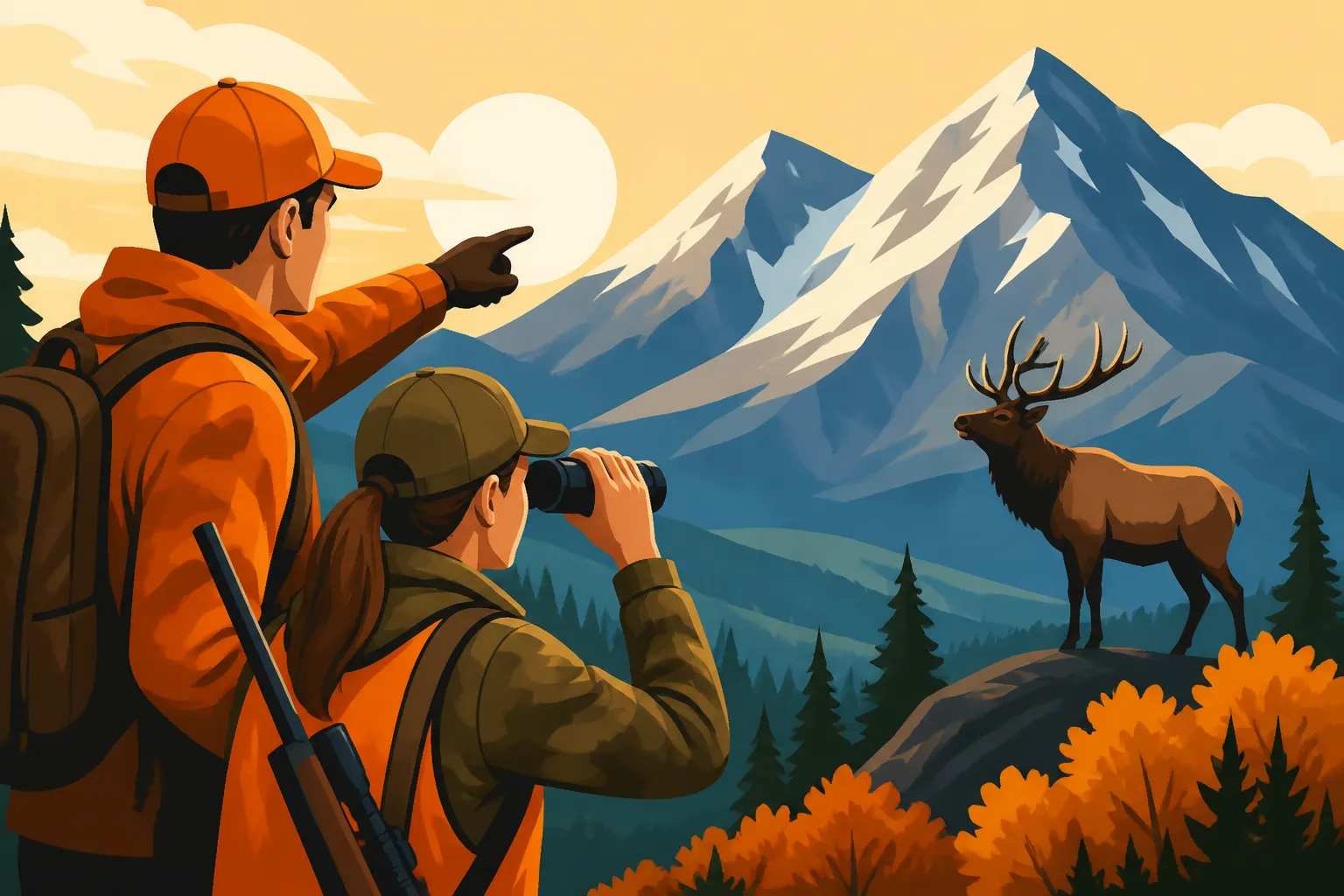
On a fully guided hunt, your guide will be with you every step of the way, from sunrise to sunset. They’ll lead you to prime hunting areas, help you spot game, assess trophy quality, and guide you on the stalk. Once an animal is down, they’ll assist with field dressing, quartering, and packing out the meat – a huge physical undertaking, especially for an elk in rugged terrain. For a beginner, this level of support is invaluable, allowing you to focus on the immediate hunting task, learning from your guide, and soaking in the experience without worrying about logistics like where to sleep, what to eat, or how to get that animal off the mountain. This kind of experience can be found through various reputable outfitters, many of which are listed on platforms like BookYourHunt.
Semi-Guided Hunts: A Balance of Support and Independence
If you're looking for a step up in independence but still want expert knowledge and logistical support, a semi-guided hunt might be the perfect compromise. This option provides a balance between the full-service experience and a do-it-yourself (DIY) approach. In a semi-guided scenario, the outfitter typically provides crucial information and resources, but you'll have more autonomy in your daily hunting activities.
What usually happens is the outfitter will scout areas, show you maps, point out specific drainages, ridges, or feeding grounds where they've seen game, and give you valuable advice on how to approach these areas. They might set up a camp for you, which you'll manage yourself, and they'll handle packing out any game you harvest. However, you and your hunting party will be responsible for your own daily hunting efforts, including navigating the terrain, spotting, stalking, and field dressing the animal. This is a great option for beginners who have some outdoor experience, perhaps from hiking or camping, and are eager to apply what they've learned while still having a professional safety net and solid starting points provided. It's often a more budget-friendly option than a fully guided hunt, too.
Drop Camp Hunts: Wilderness Access with Logistics Handled
Drop camps represent another level of independence, ideal for beginners who are physically prepared for a backcountry experience but lack the equipment or expertise to set up a remote camp or pack animals into the wilderness. With a drop camp, the outfitter uses horses or mules to pack you, your gear, and several days' worth of food into a pre-selected, remote location in the backcountry. They'll set up a functional camp, complete with tents, cooking gear, and sometimes even wood stoves, then they'll leave you there.
You and your hunting party will be entirely responsible for your daily hunting, cooking, and camp management. The outfitter will return on a pre-determined date to pack you and any harvested game out. This type of hunt allows you to access prime, low-pressure hunting areas deep in the wilderness that would be incredibly difficult, if not impossible, to reach on your own. It offers a true wilderness experience without the massive upfront investment in pack animals or specialized equipment. However, it requires a higher degree of self-sufficiency, physical fitness, and navigational skills once you're dropped off. If you’re considering this, make sure you're well-versed in Colorado Backcountry Hunting Guide principles and have a solid Colorado Guided Hunt Packing List.
Here's a quick comparison of these popular guided hunt types:
| Feature | Fully Guided Hunt | Semi-Guided Hunt | Drop Camp Hunt |
|---|---|---|---|
| Guide Presence | 1:1 or 2:1 ratio, guide always with you | Guide provides intel, you hunt independently | No guide present during hunting |
| Accommodations | Lodge, cabin, or comfortable base camp | Pre-set camp, you manage | Pre-set camp, you manage |
| Meals | Provided and prepared | You prepare your own | You prepare your own |
| Transportation | In-field transport provided | You provide your own in-field transport | Pack-in/pack-out services only |
| Game Retrieval | Guide assists fully | Outfitter assists with pack-out | Outfitter assists with pack-out |
| Learning Curve | Excellent, hands-on instruction | Good, focused on pre-hunt advice | Moderate, focuses on self-reliance |
| Independence | Low | Medium | High |
| Cost (Beginner) | Highest | Medium | Lowest (for professional services) |
| Best For | True beginners, maximum support, first-timers | Those wanting independence with expert start | Physically fit beginners wanting deep wilderness access |
Choosing the Right Outfitter: What to Look For
Selecting the right outfitter is arguably the most critical step for a successful and enjoyable guided hunt, especially for beginners. The quality of your experience will largely depend on the professionalism, ethics, and expertise of the outfitter and their guides. Don't rush this decision; thorough research and asking the right questions are key to finding a reputable partner for your Colorado adventure.
Researching Reputable Outfitters
Start your research early, ideally a year or more in advance, as popular outfitters book up quickly. The internet is a fantastic resource, but be discerning. Look for outfitters with a strong online presence, detailed websites, and transparent information about their services. Websites like BookYourHunt can be a good starting point, as they often aggregate various outfitters and allow for reviews.
Beyond initial searches, delve into online forums, hunting communities, and social media groups dedicated to Colorado hunting. Here, you'll find real-world experiences and recommendations. Pay close attention to consistency in positive feedback, and be wary of anything that seems too good to be true. A reputable outfitter will have years of experience, proper licensing, and a proven track record. Check with the Colorado Division of Parks and Wildlife (CPW) to ensure any outfitter you're considering is properly licensed and insured in the state. This helps protect you and ensures you're working with a legitimate operation.
Key Questions to Ask Before Booking
Once you've narrowed down a few potential outfitters, it's time to pick up the phone and have a direct conversation. This is your opportunity to gather critical information and gauge their communication style and professionalism. Don't hesitate to ask detailed questions.
Here are some essential questions to cover:
- Experience and Tenure: How long have you been operating in this unit/area? How long have your guides been with you?
- Success Rates: What are your typical success rates for the species and weapon type I'm interested in (e.g., Colorado Rifle Elk Hunting Guide or Colorado Archery Elk Hunting Guide)? Ask for harvest rates (animals killed) and opportunity rates (shots taken). Be realistic; 100% success is a red flag.
- Hunt Style: What is the typical daily hunting routine? What kind of terrain will we be hunting? What are the physical demands?
- Inclusions/Exclusions: What exactly is included in the price? (e.g., meals, lodging, transportation, field dressing, caping, game retrieval, taxidermy/meat processing arrangements, non-hunting activities). Clarify what you'll need to pay for separately (e.g., license fees, tags, gratuities).
- Group Size and Guide-to-Hunter Ratio: What's the typical guide-to-hunter ratio? Will I be hunting with others, or is it a one-on-one experience?
- Permits and Access: Do you hunt exclusively on private land, public land, or a combination? Confirm they have the necessary permits for public land operations or appropriate access for private land.
- Gear Requirements: What gear do I need to bring? Do you provide a detailed packing list? (This is a great place to refer to Best Boots for Colorado Elk Hunting or Best Backpack for a Colorado Elk Hunt).
- Safety Protocols: What are your safety procedures in case of an injury or emergency in the backcountry?
- Contract and Payment: What are the payment terms, cancellation policy, and refund policy? Get everything in writing.
Checking References and Reviews
A reputable outfitter should be happy to provide you with a list of references, ideally clients from the previous season or two. Don't just take the list; call them. Ask specific questions about their experience:
- Did the outfitter deliver on their promises?
- How was the guide's knowledge and demeanor?
- Were the accommodations and food satisfactory?
- How was the physical condition of the animals seen?
- Would they hunt with this outfitter again?
- Were there any unexpected issues, and how were they handled?
Also, check online review platforms beyond the outfitter's own website. Look for consistent themes in positive reviews regarding guide professionalism, quality of game, food, and accommodations. Be aware that some negative reviews are inevitable; what matters is how the outfitter responds to them. A transparent and responsive outfitter is generally a good sign. Platforms like BookYourHunt or other hunting forums might have reviews that give you a broader perspective.
Preparing for Your First Colorado Guided Hunt
You've done your research, booked your outfitter, and secured your tags – now the real work begins. Proper preparation is paramount for any successful Colorado hunt, but especially for beginners. The mountains here are no joke, and being physically, mentally, and skillfully ready will significantly enhance your experience and your chances of success.
Physical Fitness and Mental Acclimation
Colorado hunting, particularly for elk and mule deer, often involves strenuous activity at high elevations. You’ll be hiking steep terrain, potentially covering miles daily with a heavy pack, all while dealing with thinner air. This is not the place to "get in shape" during your hunt. Start an intense physical fitness regimen months in advance. Focus on cardiovascular endurance, leg strength, and core stability. Incorporate exercises like hiking with a loaded pack, stair climbing, and varied terrain walking. Many resources exist for a Colorado Elk Hunt Fitness Plan or Altitude Training for Colorado Hunting, and I highly recommend exploring them.
Equally important is mental preparation. Hunting can be physically and emotionally demanding. There will be early mornings, long days, discomfort, and potentially frustrating setbacks. Developing mental toughness, patience, and a positive attitude will help you push through the challenges and fully enjoy the journey, regardless of the outcome. A guided hunt means you have support, but your own fortitude will make a huge difference.
Gear Essentials and Packing Lists
Your outfitter will provide a detailed packing list, and it's crucial to follow it precisely. They know what works in their hunting area. However, there are some universal essentials for Colorado high-country hunting. Layering is key: bring base layers, insulation layers, and a waterproof/windproof outer shell. Conditions can change rapidly, from warm sunshine to snowstorms in a single day. Quality footwear is non-negotiable; invest in broken-in, waterproof, supportive hiking boots.
Don't forget optics (binoculars, rangefinder), a quality backpack to carry your daily essentials and potentially game meat, a headlamp, navigation tools (GPS, map, compass – even with a guide, it’s smart to know how to navigate), a first-aid kit, and enough water and high-energy snacks. Many guides will discuss appropriate clothing brands and gear types with you. If you need a comprehensive overview, checking out a Colorado Backcountry Hunting Gear List is a great start. Remember, buy quality gear, test it thoroughly before your trip, and ensure it fits well and is comfortable. A blister or a soaked jacket can ruin a hunt.
Shooting Practice and Skill Development
Your guide can get you close to an animal, but making the shot is entirely up to you. For rifle hunters, practice shooting from various positions (standing, kneeling, prone, off a pack) and at different angles (uphill, downhill), as mountain shots are rarely flat and level. Know your rifle's capabilities and your personal effective range. Be confident making an ethical shot out to 300-400 yards, but always strive for closer. Practice shooting quickly and accurately under pressure.
For archery hunters, the demands are even greater. Practice shooting broadheads, not just field points, and ensure your bow is perfectly tuned. Practice shooting from uncomfortable positions, after a strenuous hike, and with an elevated heart rate. Your guide will want to know your comfortable shooting range. Remember, the goal is a clean, ethical harvest, and that starts with your proficiency with your chosen weapon. Never show up to a hunt hoping your guide will make up for a lack of practice on your part.
Costs and Budgeting for a Beginner Guided Hunt
One of the biggest questions for any new hunter considering a guided trip is, "How much does it really cost?" Guided hunts are an investment, and understanding the financial outlay is crucial for planning your adventure. While prices vary widely based on species, duration, outfitter reputation, and services included, having a clear budget in mind will help you make informed decisions.
Breaking Down the Expenses
A Colorado guided hunt involves several distinct categories of expenses, and it's important to account for all of them. The outfitter fee itself is typically the largest component, but it's far from the only one.
Outfitter Fee: This is the base cost for the guide services, accommodations (if applicable), meals, and in-field transportation. For a 5-7 day elk hunt, this can range from $5,000 to $10,000+ for a fully guided experience, and potentially less for semi-guided or drop camp options. Mule deer and pronghorn hunts can sometimes be less, but trophy units or specific private land access will drive prices up.
License and Tags: This is a separate cost, paid directly to Colorado Parks and Wildlife (CPW). Non-resident big game licenses and tags are considerably more expensive than resident ones. For example, a non-resident bull elk license can run well over $700, plus a qualifying small game license and a habitat stamp. These fees are non-negotiable and essential. You'll also need to understand the Colorado Draw System and Preference Points if you're not going with an over-the-counter (OTC) tag or a landowner voucher.
Travel Expenses: Factor in transportation to Colorado and to the outfitter's base camp. This includes airfare or fuel costs, vehicle rental, and potentially overnight stays during travel.
Gear and Equipment: While you might already own some hunting gear, you’ll likely need specialized items for a Colorado mountain hunt. Quality boots, clothing layers, optics, a good backpack, and your weapon system are significant investments.
Gratuities: Tipping your guide is customary and expected, usually ranging from 10-20% of the hunt cost, depending on the service and success. This can be a substantial amount, so plan for it. Many guides rely heavily on tips as part of their income. A specific guide on Tipping a Colorado Hunting Guide can offer more insights.
Meat Processing/Taxidermy: Once you harvest an animal, you'll incur costs for meat processing and potentially taxidermy. These services are rarely included in the outfitter fee and can add hundreds to thousands of dollars to your total.
Understanding What's Included and What's Not
It's absolutely vital to get a clear, written contract from your outfitter detailing everything included in their fee. A common point of confusion for beginners is assuming certain services are part of the package when they are not.
Typically Included:
- Guiding services
- Lodging (for fully guided hunts)
- Meals (for fully guided hunts)
- In-field transportation (e.g., ATVs, horses, trucks)
- Field dressing and caping
- Game retrieval to a certain point (e.g., to camp or trailhead)
Typically Not Included (and require separate budgeting):
- Hunting license and tag fees (this includes the Colorado Habitat Stamp Explained)
- Travel to/from Colorado
- Gratuities for guides and camp staff
- Meat processing and shipping
- Taxidermy services
- Personal hunting gear (weapon, optics, clothing, boots, backpack)
- Alcoholic beverages
- Any pre-hunt scouting trips you might take
- Post-hunt celebratory meals or stays
Always ask for clarification on any item that seems ambiguous. A good outfitter will be transparent about costs upfront.
Saving Tips and Financial Considerations
While guided hunts are an investment, there are ways to manage the costs, especially for beginners.
- Book a Semi-Guided or Drop Camp: These options generally have lower base fees than fully guided hunts, allowing you to save money if you’re comfortable with more independence.
- Hunt Lesser-Known Units or Species: Sometimes, hunting a less-pressured unit or a species like whitetail deer (if available in an area, though Colorado is primarily known for elk and mule deer) might come with a lower outfitter fee.
- Hunt with a Group: If the outfitter offers a 2:1 or 3:1 guide-to-hunter ratio, the per-person cost is often less than a 1:1 private guide. Hunting with a buddy or two can split costs and add to the camaraderie.
- Focus on DIY Gear: Instead of buying the absolute top-of-the-line gear for every item, focus on quality for critical pieces (boots, backpack, weapon) and look for value on others. Borrow from friends or rent if possible.
- Manage Travel Costs: Drive instead of fly if feasible, carpool, and look for deals on accommodations during your travel days.
- Consider a "Meat Hunt": If a trophy isn't your primary goal, some outfitters offer cow elk hunts or management deer hunts at a reduced rate. These are excellent for beginners focused on the experience and putting organic meat in the freezer.
- Utilize Resources Like GoHunt: Websites and services like GoHunt provide valuable insights into draw odds, unit information, and outfitter listings, helping you make informed decisions that align with your budget and increase your chances of drawing a tag, even if you are going with a guide for the actual hunt. Doing your homework there can help identify units that might require fewer preference points, potentially saving you years of application fees while still leading to a great hunt experience with a guide.
What to Expect During Your Colorado Guided Hunt
Embarking on your first guided hunt in Colorado is an exciting prospect, and having a realistic understanding of what the experience entails will help you prepare mentally and make the most of every moment. It's more than just hunting; it's an immersion into the wilderness, a learning journey, and a test of endurance.
Daily Routine on a Guided Hunt
While specific routines will vary by outfitter, species, and location, a typical day on a guided hunt in Colorado often begins long before dawn.
You’ll usually wake up early, often around 4:00-5:00 AM, to a hearty breakfast. Guides emphasize good nutrition to fuel long days in the mountains. After breakfast, you'll head out to the hunting area, often riding in a truck, ATV, or on horseback to cover ground before legal shooting light. Your guide will likely have a plan based on their scouting and recent game activity, but they'll also adapt to conditions and animal behavior.
The morning will involve glassing (using binoculars or a spotting scope to scan distant areas for game), still-hunting through timber, or setting up in strategic locations, depending on the terrain and species. You might spend hours moving slowly and quietly, or sitting patiently, constantly observing. Breaks will be short, often just for a quick snack and water. Lunch might be a sandwich eaten in the field or a return to camp, depending on how far you've ventured.
Afternoons mirror the morning, often focusing on different areas or tactics. As evening approaches, you'll often be positioned to intercept animals moving to or from feeding or bedding areas. The day ends after dark, returning to camp for dinner, debriefing with your guide, and preparing for the next day. This cycle repeats daily, with the guide constantly evaluating conditions and adjusting strategies to put you in the best position. It’s physically demanding, so remember the importance of How to Physically Prepare for Colorado Elk.
Ethical Hunting Practices and Colorado Regulations
A fundamental aspect of any guided hunt, and indeed all hunting, is adherence to ethical practices and local regulations. Your guide is not just there to help you find an animal; they are also your primary resource for understanding and complying with Colorado Parks and Wildlife (CPW) rules. For a beginner, this is invaluable, as CPW regulations can be extensive and complex, covering everything from legal shooting hours and magazine capacity to blaze orange requirements and game retrieval distances. You can learn more about the broader rules in Colorado Hunting Seasons Explained.
Your guide will reinforce principles like fair chase, ensuring you only take ethical shots within your comfortable range, and proper animal identification before pulling the trigger. They’ll emphasize quick, clean kills and diligent tracking to recover any wounded game. They'll also ensure you understand tag validation, proper field dressing, and the legal transportation of game meat. Guided hunts are an excellent opportunity to internalize these practices under professional supervision, building a strong foundation for responsible hunting throughout your life. It’s also crucial to remember the Colorado Hunter Education Requirement if you don’t already have a hunter safety card.
Field Dressing and Meat Care
Successfully harvesting an animal is only half the battle; the other half is properly field dressing and caring for the meat to ensure it doesn't spoil and to honor the animal. For beginners, especially with large game like elk, this can be an intimidating and physically arduous task. Your guide will be instrumental here.
They will teach you how to efficiently field dress the animal, removing the entrails to quickly cool the carcass. Then, they'll guide you through quartering, breaking the animal down into manageable pieces for packing out. They'll explain how to cape the animal if you plan on taxidermy. They'll also instruct you on keeping the meat clean and cool in the field, which is critical in warmer early-season hunts. This might involve hanging quarters in game bags in the shade or packing them in snow if available.
Knowing How to Quarter an Elk in the Field is a crucial skill, and learning it directly from an experienced guide is the best way to develop proficiency. The guide will then help you pack the meat out, often utilizing horses or mules for larger animals, which is a huge benefit compared to trying to pack out an entire elk solo on your back. Their expertise ensures your hard-earned wild game makes it to the processor in excellent condition.
Disclaimer
Please be aware that hunting regulations, season dates, and license fees in Colorado are subject to change. Always consult the official Colorado Parks and Wildlife (CPW) website or their current regulations brochure for the most up-to-date and accurate information before planning and executing any hunt. This guide is for informational purposes only and should not replace official sources or professional advice.