Colorado Guided Rifle Elk Hunts
The thought of a Colorado elk hunt with a rifle often conjures images of majestic bulls, crisp mountain air, and the thrill of the chase. However, for many, especially those coming from out of state or new to Western hunting, the sheer complexity of licenses, unit selection, logistics, and navigating vast public lands can feel utterly overwhelming. It’s enough to make you question if that dream hunt is even feasible. This guide aims to cut through that complexity, walking you through everything you need to know about booking and preparing for a Colorado guided rifle elk hunt, helping you turn that dream into a tangible reality.
Understanding Guided Rifle Elk Hunts in Colorado
Colorado’s rifle elk seasons are immensely popular, and for good reason—they offer a fantastic opportunity to pursue elk with a higher success rate than some other methods, especially for those less experienced in the high country. But a guided hunt isn't just about pointing you toward an elk; it's a comprehensive service designed to maximize your chances of success and provide a deeply immersive experience without the headache of managing every single detail yourself.
What a Guided Rifle Hunt Entails
When you sign up for a guided rifle elk hunt in Colorado, you're essentially hiring a professional team to handle the heavy lifting. This typically includes a seasoned guide who knows the land like the back of their hand, understands elk behavior intimately, and can lead you to prime hunting areas. Beyond the guide, these services often encompass comfortable lodging, delicious meals, and all the necessary equipment for navigating the wilderness, from horses and mules for packing into remote areas to wall tents in a cozy backcountry camp. The outfitter often has extensive knowledge of specific Game Management Units (GMUs) and their elk populations, having scouted these areas extensively before the season even begins. They’ve done the legwork to understand local elk patterns, preferred bedding areas, and travel corridors.
This level of service means you can focus almost entirely on the hunt itself, honing your shooting skills and soaking in the Colorado wilderness experience. Imagine waking up in a well-established camp, a hot breakfast waiting, and your guide ready with a plan for the day's hunt, complete with insights into recent elk activity. This contrasts sharply with a DIY hunt where you might be juggling camp chores, navigation, and endless decision-making, often on unfamiliar terrain. It's truly an investment in reducing stress and increasing your enjoyment of the pursuit.
For many hunters, especially those traveling a long distance, the value of having someone else handle the logistics of setting up a camp in challenging terrain, cooking nourishing meals, and ensuring proper game retrieval cannot be overstated. From the moment you arrive at the designated meeting point, usually a nearby town like Craig or Meeker, the outfitter takes charge, guiding you to base camp or straight into the backcountry. They provide the local expertise that can take years, if not decades, for a DIY hunter to acquire.
Benefits of a Guided Rifle Hunt
The advantages of a guided rifle elk hunt are numerous and can be a game-changer for many hunters. First and foremost, guides offer invaluable expertise. They possess intimate knowledge of elk behavior, local topography, and weather patterns, all of which are critical for success in Colorado's challenging environment. They know where elk are likely to be during different rifle seasons, understanding how hunting pressure and changing weather push animals to specific elevations or cover types. This isn't just about knowing where to find elk, but also understanding why they are there and how to approach them effectively.
Secondly, guided hunts significantly boost your chances of success. Outfitters are professionals whose business relies on putting hunters on game. They invest considerable time in pre-season scouting, ensuring they have current information on elk herds and prime hunting spots. They also handle the taxing physical demands of a high-country hunt, from packing in gear to retrieving an elk from rough terrain. This can be particularly beneficial if you're not accustomed to hunting at high altitudes or if your physical conditioning isn't at peak performance. For non-residents, a guided hunt can also simplify the licensing process, as many outfitters work with clients to ensure they understand Colorado Hunting Seasons Explained and acquire the correct tags, sometimes even offering access to private land tags which bypass the public draw system.
Finally, a guided hunt provides an unparalleled learning experience. Hunting alongside a seasoned guide is like a crash course in elk hunting. You'll learn about tracking, calling, reading sign, and proper shot placement in varied conditions. Many hunters find that even if they plan future DIY hunts, starting with a guided experience provides a foundational understanding and confidence that would take years to build otherwise. Plus, the camaraderie and shared experience with your guide and fellow hunters often create memories that last a lifetime, forging bonds over challenging days and successful harvests in the majestic Colorado mountains.
Types of Guided Hunts: Fully Guided vs. Semi-Guided
When considering a guided rifle elk hunt, you'll generally encounter two main types: fully guided and semi-guided. Understanding the distinctions is crucial for choosing the right experience that matches your budget, skill level, and desired independence. Both offer significant advantages over a completely DIY approach, but they cater to different needs.
Fully Guided Hunts
A fully guided hunt is the all-inclusive package. From the moment you step off the plane or arrive at the outfitter's rendezvous point, almost every aspect of your hunt is managed. You'll have a dedicated guide (or often a 2:1 hunter-to-guide ratio) who accompanies you in the field each day, actively assisting with scouting, tracking, calling, and strategizing the stalk. They provide meals, lodging (which can range from comfortable cabins to backcountry wall tents), transportation in the hunting area, and often field dressing and packing out your animal. This option is ideal for first-time elk hunters, those new to Western hunting, or anyone who wants a truly immersive, stress-free experience where their primary focus is the hunt itself. For example, on a fully guided hunt in the Flat Tops Wilderness, your guide might use horses to access remote basins, set up a comfortable camp, cook hearty meals, and lead you on foot into prime elk country, managing all the details from sunup to sundown. This is often what people imagine when they think of a classic Western hunt.
Semi-Guided Hunts
Semi-guided hunts offer a middle ground, providing significant logistical support while allowing hunters more autonomy in the field. With a semi-guided hunt, the outfitter typically provides a comfortable base camp, often with meals and lodging, and transportation to and from prime hunting areas each day. However, once you're dropped off, you and your hunting party are responsible for your own hunting decisions, tracking, and stalking. The outfitter might offer advice on areas to hunt, recent elk activity, and general strategies, but they won't be with you step-by-step in the field. This type of hunt is well-suited for experienced hunters who are confident in their abilities to navigate and hunt independently but still appreciate the convenience of an established camp, prepared meals, and assistance with game retrieval. It's often a more budget-friendly option than a fully guided hunt, allowing you to save on costs while still benefiting from local knowledge and logistical support. You might get dropped off at a specific trailhead in the San Juan Mountains, for instance, with a packed lunch, and be responsible for finding your own bull, knowing a hot dinner and warm bed await you back at camp.
Here's a quick comparison of the two:
| Feature | Fully Guided Hunt | Semi-Guided Hunt |
|---|---|---|
| Field Presence | Guide actively hunts with you, direct assistance. | Guide provides area advice, drops off; you hunt independently. |
| Logistics | All-inclusive (food, lodging, transport, game care). | Base camp, meals, transportation to areas; field work is yours. |
| Cost | Higher | Lower than fully guided |
| Independence | Less | More |
| Ideal For | Beginners, less experienced, high-comfort seekers. | Experienced hunters, budget-conscious, prefer autonomy. |
Navigating the Costs and What's Included
One of the first questions on any hunter's mind when considering a guided trip is always, "How much is this going to cost me?" It's a valid concern, as guided hunts, especially for big game like elk in Colorado, represent a significant investment. However, understanding the breakdown of these costs and what’s typically included will help you make an informed decision and budget effectively. It's not just about the sticker price; it's about the value you receive.
Typical Price Ranges for Guided Rifle Hunts
The cost of a Colorado guided rifle elk hunt can vary wildly depending on several factors: the outfitter's reputation, the duration of the hunt, the hunter-to-guide ratio, the type of camp (base camp, backcountry spike camp, lodge), and whether it's on private or public land. Generally, you can expect to pay anywhere from $4,000 to $10,000+ for a quality 5-7 day guided rifle elk hunt.
For example, a semi-guided hunt might fall on the lower end, around $4,000-$6,000, where you're provided with a camp, meals, and transportation to a hunting area, but you do the actual hunting on your own. A fully guided 1:1 hunt (one hunter per guide) with a reputable outfitter in a prime unit like GMU 76 or the Flat Tops wilderness, offering backcountry pack-in camps and exceptional success rates, could easily run $7,000 to $10,000 or more. If you're looking for a private land hunt with exclusive access, those prices can climb even higher, often exceeding $12,000, especially if the outfitter is providing a highly sought-after landowner tag. These figures usually include the outfitter's services but do not typically include your hunting license and tag fees, which are separate and substantial for non-residents.
It's critical to remember that these are just averages. Always get a detailed quote directly from any outfitter you're considering. When you begin to explore options, platforms like BookYourHunt can be really helpful, as they aggregate different outfitters and often list their price ranges and inclusions, making it easier to compare services and costs in one place. You'll quickly see that the spectrum of offerings is vast, from modest base camps to luxurious lodges, each commanding a different price point.
Breaking Down Included Services and Hidden Fees
Understanding what's included in the initial quote is paramount to avoiding unwelcome surprises. A reputable outfitter will provide a clear contract outlining all services. Most guided rifle elk hunts include:
- Guide Services: Your experienced guide(s) in the field.
- Lodging: This could be a cabin, lodge, wall tent, or spike camp accommodation.
- Meals: Typically all meals during your hunt, from breakfast to dinner, plus packed lunches.
- Transportation: From a designated meeting point to the hunting area, and sometimes during the hunt itself (e.g., ATVs, UTVs, horses, or 4×4 vehicles).
- Game Retrieval: Assistance with field dressing and packing out your harvested animal to a designated pickup point.
However, there are almost always excluded items that you need to factor into your total budget. These are not "hidden fees" if they are clearly communicated, but they are often overlooked by first-time clients:
- Hunting Licenses and Tags: These are purchased separately through Colorado Parks and Wildlife (CPW). A non-resident elk tag can cost over $700, plus a state hunting license and habitat stamp. Check the CPW website for current costs and Colorado Hunting License Costs.
- Meat Processing: Most outfitters will help get your elk to a local processor, but the cost of butchering and packaging is your responsibility. This can run several hundred dollars.
- Taxidermy: If you plan to mount your trophy, that's another significant expense.
- Travel Costs: Airfare, fuel, hotels before/after the hunt, rental cars.
- Gratuities/Tips: Tipping your guide(s) and camp staff is customary and expected. This is a substantial part of the overall cost and should be factored in, usually 15-20% of the hunt cost.
- Personal Gear: Your rifle, ammunition, hunting clothing, boots, and personal optics are your responsibility. While the outfitter handles much of the camp gear, you need to bring your own essentials. You can explore a comprehensive Best Colorado Elk Hunting Gear guide for ideas.
Always ask for a detailed list of what is and isn't covered. For instance, confirm if trophy caping for taxidermy is included or an extra charge, or if the outfitter will transport your game meat to a local processor or if you need to arrange that. Getting these details ironed out upfront ensures there are no surprises and you can fully enjoy your guided experience.
Budgeting Beyond the Outfitter Fee
Once you have a solid understanding of the outfitter's fees and what's included, it’s time to expand your budget to cover all other potential expenses. Many hunters focus solely on the outfitter's price and forget the significant ancillary costs that can quickly add up, turning a well-planned trip into a financial stressor.
Beyond your license and tag fees, which are non-negotiable, consider your travel expenses. Are you flying into Denver International Airport and then renting a car for a long drive to a Western Slope town like Gunnison or Durango? Factor in airfare, baggage fees (especially for firearms), car rental, and fuel costs. If you're driving, calculate gas, potential tolls, and vehicle wear and tear. You'll likely need at least one night in a hotel before and after your hunt, especially if you have an early morning flight or a long drive home after a physically demanding week. These minor expenditures, like hotel stays, often run $100-$200 per night, which can add up over a few nights.
Then there's your personal gear. While you might already own a good rifle and optics, consider if you need new layers of clothing to handle Colorado's unpredictable mountain weather, from crisp mornings to potential snowstorms. High-quality boots, a reliable backpack, and other essentials can be costly but are vital for a successful and comfortable hunt. Don't skimp on these items; being cold, wet, or uncomfortable can ruin an otherwise great trip. Finally, and perhaps most importantly, budget for gratuities. Tipping your guide and any camp staff (cooks, wranglers) is a long-standing tradition in the outfitting industry and a crucial part of their income. A common guideline is 15-20% of the hunt's base cost for the guide, distributed at the end of the trip. If your guide truly goes above and beyond, consider tipping at the higher end. Don't forget to have cash available for this, as many outfitters and guides prefer it. Planning for these often-overlooked expenses will ensure you can relax and fully immerse yourself in the Colorado guided rifle elk hunt experience.
Choosing the Right Outfitter and Unit for Rifle Season
Selecting the right outfitter and hunting unit is arguably the most critical decision you'll make for your Colorado guided rifle elk hunt. It's not just about finding an outfitter; it's about finding the right one that aligns with your expectations, budget, and hunting style. The vastness of Colorado's hunting landscape means that units vary significantly in elk density, terrain, and draw odds.
Key Questions to Ask Potential Outfitters
Before you commit to an outfitter, it's essential to conduct thorough due diligence. Don't be shy about asking direct and detailed questions; a professional outfitter will appreciate your preparedness and transparency. Here are some critical inquiries:
- License and Insurance: "Are you and your guides fully licensed and insured in Colorado?" This is non-negotiable. Request their Colorado Outfitter License number to verify with the state.
- Experience: "How long have you been operating in this specific unit/area? What is your experience with rifle elk hunting in particular?" Look for outfitters with a proven track record in the area you'll be hunting.
- Success Rates and Opportunities: "What are your historical success rates for rifle elk hunters? What does your 'opportunity rate' look like (i.e., how many hunters get a shot opportunity, even if they don't harvest)?" Be realistic; a 100% success rate is a red flag. Look for honest numbers and what constitutes "success" for them (e.g., getting a shot, harvesting any elk, harvesting a bull).
- Guide-to-Hunter Ratio: "What is your typical guide-to-hunter ratio?" A 1:1 ratio offers the most personalized experience, while 1:2 is common and still excellent. Larger ratios (e.g., 1:3 or 1:4) can be less effective in the field.
- Camp and Logistics: "What are the camp accommodations like (tents, cabins, lodge)? What kind of meals are provided? How do we travel to and from hunting areas each day?" Clarify transportation methods (horses, 4×4, hiking).
- Game Care and Retrieval: "What is your policy for field dressing, packing out, and transporting harvested game? Do you assist with getting meat to a processor or trophy to a taxidermist?" Understanding this process is crucial for post-harvest logistics. You might also want to read about How to Pack Out an Elk in Colorado.
- References: "Can you provide a list of recent hunter references, especially those who hunted rifle elk?" Call these references! Ask them about their overall experience, what they liked, what they disliked, and if they would hunt with that outfitter again.
- Physical Demands: "What is the typical terrain like in the hunting area, and what level of physical fitness is required?" Be honest with yourself and the outfitter about your physical capabilities.
- Weapon Restrictions: "Are there any specific rifle or ammunition restrictions or recommendations for your hunts?" Some areas might prefer certain calibers, or an outfitter might have preferences.
These questions will give you a comprehensive understanding of what to expect and help you gauge the outfitter's professionalism and suitability for your hunt.
Researching Outfitter Reputations and Success Rates
Beyond asking questions, actively researching an outfitter's reputation and verifying their claims is essential. The internet provides a wealth of resources for this. Start by checking their website, but don't stop there. Look for independent reviews on hunting forums, social media groups dedicated to Colorado hunting, and outfitter review sites. Websites like BookYourHunt are excellent resources as they often feature client reviews and ratings, giving you a third-party perspective on an outfitter's performance and customer service.
Pay close attention to recurring themes in reviews, both positive and negative. Is there consistent praise for a guide's hard work, good food, or comfortable camps? Are there repeated complaints about disorganized logistics, inexperienced guides, or inflated success rates? Remember to take any single review with a grain of salt, but patterns usually indicate truth. It's also wise to check if the outfitter is a member of professional organizations like the Colorado Outfitters Association, as this often indicates a commitment to ethical practices and industry standards. While success rates are important, consider the full picture. An outfitter might have a slightly lower harvest rate but consistently deliver incredible experiences, provide abundant opportunities, and offer exceptional service—which might be more valuable to you than just a kill. A great outfitter focuses not just on the shot, but the entire adventure.
Finally, utilize services like GoHunt, which offer detailed insights into public land draw odds, unit information, and even outfitter reviews specific to certain areas. These platforms can provide a holistic view of an outfitter's operational area and how their success aligns with the unit's overall potential. This kind of deep-dive research into How to Choose a Colorado Hunting Outfitter will protect your investment and ensure you align with a reputable and effective guiding service.
Selecting a Unit Geared for Rifle Success
Choosing the right GMU (Game Management Unit) for a guided rifle elk hunt is paramount, and a good outfitter will specialize in specific units known for their elk populations and hunter success. Colorado has an incredibly diverse landscape, and what makes a unit great for archery in the rut might not be the best for a later rifle season. Factors like terrain, elk migration patterns, public land access, and historical harvest data all play a role.
For rifle seasons, especially the later ones, elk often move to lower elevations as snow pushes them down from the high country. They seek out south-facing slopes, timbered pockets for shelter, and areas with available forage. Outfitters operating in units adjacent to designated wilderness areas or large tracts of national forest land, such as parts of the White River National Forest or the Routt National Forest, often have access to areas where elk can move more freely and are less pressured. These areas might require horseback packing or extensive hiking, which a guided trip handles seamlessly.
Your outfitter should be able to articulate why they hunt a particular unit during your chosen rifle season. Ask them about the specific terrain features they utilize, what kind of cover the elk prefer, and how they anticipate elk movement during that time. They should also be well-versed in the unit's specific regulations, including antler point restrictions if any exist. Some units are known for higher elk densities, while others might offer a better chance at a trophy bull but with fewer elk overall. Websites like GoHunt provide valuable tools for researching unit statistics, including elk population estimates, harvest data, and draw odds, helping you understand the potential of different areas. This kind of research, combined with your outfitter's expertise, can significantly narrow down your options and pinpoint Best GMUs for Elk Hunting in Colorado for rifle season.
Preparing for Your Colorado Rifle Elk Hunt
A guided hunt takes care of many logistical burdens, but it doesn't eliminate the need for personal preparation. Your physical condition, gear readiness, and shooting proficiency are still crucial factors in your success and enjoyment. Showing up prepared means you can focus on the hunt and make the most of your outfitter's expertise.
Physical and Mental Conditioning
Colorado elk hunting, especially in the rugged backcountry, is an extremely demanding endeavor, even with a guide. You'll be traversing steep, uneven terrain at elevations ranging from 7,000 to 12,000+ feet. This significantly impacts your endurance and lung capacity. Starting a dedicated fitness regimen months before your hunt is non-negotiable. Focus on cardiovascular endurance through activities like hiking, running, or cycling. Incorporate strength training, particularly for your legs, back, and core, which will be vital for climbing hills and potentially packing out meat. Simulate hunting conditions by hiking with a loaded pack on varied terrain. You can find excellent advice in guides like How to Physically Prepare for Colorado Elk.
Mental conditioning is just as important. Elk hunting can be physically grueling and mentally taxing, especially if the weather turns bad or elk are scarce. You might face long days, early mornings, and tough climbs without seeing an animal. Cultivate patience, persistence, and a positive attitude. Understand that success isn't guaranteed, even with a guide. Being mentally tough means you can push through fatigue, maintain focus, and enjoy the experience regardless of the outcome. Practice mindfulness or visualization to prepare for the challenges and celebrate the small victories along the way. Your guide will appreciate a client who can maintain a good attitude through adversity, as it makes the entire experience better for everyone.
Don't forget the altitude. If you're coming from sea level, even moderate exertion will feel much harder. Arriving a day or two early to acclimate can make a significant difference. Stay hydrated, avoid alcohol, and don't overexert yourself on the first day. Your outfitter can often advise on acclimatization strategies, and they are familiar with the signs of altitude sickness. Being physically and mentally ready not only increases your odds of success but also ensures you'll truly enjoy the grandeur of the Colorado wilderness.
Gear Essentials for Rifle Season in Colorado
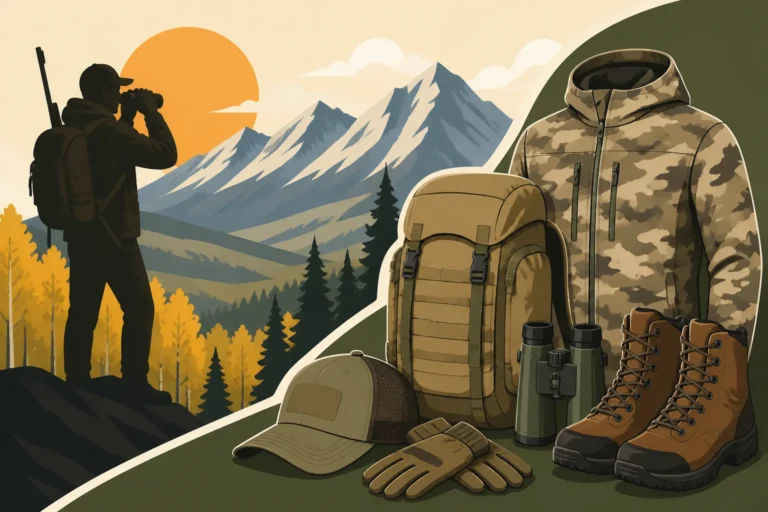
While your outfitter might provide camp gear, you're responsible for your personal hunting equipment. Colorado's rifle seasons span a wide range of weather conditions, from mild autumn days to full-blown blizzards, so layering is key. Start with good base layers made of merino wool or synthetics to wick moisture. Add insulating layers like fleece or puffy jackets, and top it off with a waterproof and windproof outer shell. Camouflage patterns are a personal preference, but quiet, earthy tones are always effective. Don't forget a warm hat, gloves, and a neck gaiter.
Your footwear is arguably the most important piece of gear. Invest in high-quality, broken-in hunting boots that are waterproof, supportive, and comfortable for covering many miles of rugged terrain. Gaiters are also highly recommended to keep snow and debris out of your boots. For optics, a good pair of binoculars (10×42 or 10×50 are common) is essential for glassing distant slopes, and a spotting scope can be invaluable for field judging if your hunt involves open country. A rangefinder is a must-have for accurate shot placement in the mountains where distances can be deceptive. A reliable backpack for day hunts, water, snacks, emergency gear, and extra layers is also crucial. Consider a pack with a strong frame that can help carry meat if you make a kill.
Of course, your rifle setup is paramount. Ensure your rifle is in good working order, zeroed accurately for the distances you expect to shoot (often 200-400 yards in the mountains), and that you're proficient with it. Discuss appropriate rifle calibers for elk with your outfitter; popular choices include .30-06, .300 Win Mag, 7mm Rem Mag, and .308 Win. A guide on Best Rifle Calibers for Colorado Elk can offer more insights. Bring plenty of quality hunting ammunition and practice shooting from various positions you might encounter in the field, including uphill, downhill, and from supported rests.
Weapon Proficiency and Practice
Your guide can lead you to the elk, but it's ultimately up to you to make an ethical shot. This means extensive practice with your chosen rifle before you ever set foot in Colorado. Don't just practice from a bench rest; practice shooting from kneeling, sitting, and standing positions, simulating real-world hunting scenarios. Many shots in the mountains are taken at steep angles, either uphill or downhill, which can affect point of impact. Incorporate shooting at these angles into your practice regimen. If possible, practice at varying distances, especially out to 300-400 yards, which is a common ethical range for elk in open country.
Understand your rifle's ballistics and how factors like elevation and temperature affect bullet drop. A good ballistic calculator can help with this. Bring a scope that you are intimately familiar with, and make sure it's properly zeroed. It’s also wise to bring a spare scope battery if applicable. Many outfitters will have a target set up at their base camp for a quick sight-in check before the hunt begins, but this should be a confirmation, not your initial zeroing session. You can explore a detailed guide on How to Sight In for a Colorado Elk Hunt for more information.
Ethical hunting dictates that you are confident in your shot placement. If you're not comfortable taking a shot at a particular distance or angle, communicate that to your guide. They will respect your decision and work with you to get a better opportunity. Your proficiency with your weapon is not just about bringing home meat; it's about respecting the animal and ensuring a quick, humane harvest. This level of preparation demonstrates respect for your guide's efforts and the hunt itself.
Understanding Colorado Rifle Season Dynamics
Colorado's rifle elk seasons are a unique beast. They're structured differently than archery or muzzleloader seasons, with specific dates, regulations, and distinct elk behavior. Understanding these dynamics is crucial, as they directly influence hunting strategies and success rates.
Season Dates and Regulations
Colorado Parks and Wildlife (CPW) offers four main rifle elk seasons, typically starting in mid-October and extending into mid-November. The specific dates can shift slightly each year, so always check the current CPW regulations well in advance. These seasons are generally:
- First Rifle Season: Usually mid-October. This season is entirely limited-entry (draw only), meaning you must draw a tag. Hunter numbers are generally lower, and elk are often less pressured, but the rut is usually over.
- Second Rifle Season: Late October. This is the most popular rifle season, offering a mix of over-the-counter (OTC) tags for specific units and draw tags for others. Expect higher hunter pressure.
- Third Rifle Season: Early November. Similar to the second season, with OTC options and draw tags. Elk are typically moving into winter ranges, and snow can play a significant role.
- Fourth Rifle Season: Mid-November. This season is entirely limited-entry (draw only). It often coincides with significant snow, pushing elk to lower elevations and concentrating them, but weather can be extreme.
For non-residents, drawing a tag for the first and fourth seasons can require many preference points. The second and third seasons, with their OTC options, are popular choices for guided hunts, as they allow non-residents to guarantee a tag without navigating the complex draw system for several years. Always consult the CPW Big Game Brochure for precise dates and unit-specific regulations, including Colorado Elk Season Dates Guide. Your outfitter will be intimately familiar with these, but it's always good for you to understand the framework.
Elk Behavior During Rifle Seasons
Elk behavior shifts considerably from the bugling frenzy of the archery rut into the rifle seasons. By mid-October, bulls are typically done bugling, worn out from the rut, and looking to recover. They often break off from cows and retreat to thick timber or secluded pockets to rest and feed. Cows and calves will often congregate in larger herds, especially as hunting pressure mounts.
As the rifle seasons progress and winter approaches, elk movements become more driven by weather and forage. Early snows can trigger migration from high-elevation summer ranges down to lower, more protected wintering grounds. This can make elk more predictable, moving along established migration corridors or concentrating in areas with accessible food. However, they also become incredibly wary due to increased hunter presence. They'll use dense timber, north-facing slopes, and deep canyons for cover, often moving only at dawn and dusk. Understanding these patterns is where an outfitter's local knowledge shines; they know the traditional migration routes, bedding areas, and security cover that elk use during these periods. This is crucial for planning your hunting strategy and understanding How to Hunt Elk During the Peak Rut versus later rifle seasons.
Later rifle seasons, particularly the fourth, can be incredibly productive if winter weather hits. Heavy snow pushes elk out of high country, often concentrating them in predictable areas. However, these conditions also mean challenging hunting, with cold temperatures, deep snow, and difficult travel. A good outfitter will be prepared for these conditions, with appropriate gear, camp setups, and strategies to access these areas.
Hunting Pressure and How Outfitters Manage It
Colorado's public lands see substantial hunting pressure during rifle seasons, especially the second and third seasons with their OTC tag options. This pressure often pushes elk into thicker cover, more remote areas, or onto private land. Dealing with other hunters is a reality, and it's a major reason why many hunters opt for a guided experience.
Outfitters mitigate hunting pressure in several ways. Many operate on vast tracts of private land, where hunter numbers are strictly controlled, offering an exclusive and less pressured hunting environment. For those on public land, outfitters will often use horses or mules to access remote wilderness areas that few DIY hunters can reach on foot. This allows them to get deep into roadless areas, away from the crowds and into unpressured elk habitat. They might also employ tactics like early morning hikes to beat other hunters to prime spots or focus on hunting obscure pockets of timber that most hunters overlook. You can learn more about managing this in How to Hunt Elk in Rifle Season Pressure.
A good outfitter also understands how elk react to pressure. They know that after the first few days of a rifle season, elk will become nocturnal, move less, and seek sanctuary. Their strategy will adapt, often involving still-hunting through dense timber, focusing on bedding areas during the day, or setting up ambushes along known travel routes. Their ability to adapt to current conditions and hunter density is one of their most valuable assets. By hiring a guide, you're not just buying access; you're buying experience in navigating the challenges of hunting Colorado's popular rifle seasons.
The Hunt Experience: What to Expect in the Field
Knowing what to expect during your guided rifle elk hunt can help manage expectations and ensure a smoother, more enjoyable experience. While every outfitter and hunt is unique, there are common elements to the daily routine and overall flow of a guided trip in the Colorado backcountry.
Typical Daily Schedule on a Guided Hunt
The daily routine on a guided rifle elk hunt is typically dictated by the elk, meaning early mornings and late nights are the norm. Expect to wake up well before dawn, often around 4:00-5:00 AM. Your guide and camp staff will likely have a hearty breakfast prepared, fueling you for the day ahead. After breakfast, you'll gear up, grab your rifle, and head out with your guide into the pre-dawn darkness.
The morning hunt usually involves getting to a vantage point before first light, glassing for elk moving from feeding to bedding areas, or slowly still-hunting through timber. If elk are located, a stalk will be planned and executed. Lunch is often a packed affair, eaten in the field to maximize hunting time. The midday can involve resting, relocating to new areas, or continuing slow, methodical hunting through thick cover where elk might be bedded. As afternoon progresses, the focus shifts to catching elk moving out of bedding areas towards evening feeding grounds.
The hunt continues until last light, or until an elk is harvested. After returning to camp, dinner will be waiting, followed by discussions about the day's events, planning for the next day, and perhaps some light camaraderie. Bedtime is usually early, around 8:00-9:00 PM, to ensure everyone is well-rested for another demanding day. This rigorous schedule ensures you are in the field during peak elk activity and maximizes your opportunities. It's a physically demanding routine, but the excitement of the hunt makes the long hours fly by.
Field Care and Meat Processing
Successfully harvesting an elk is just the first step; proper field care is crucial for ensuring quality meat. Your guide will be invaluable in this process. Immediately after a successful shot, your guide will lead you to the animal, assess the situation, and begin the field dressing process. They are experienced in efficiently bleeding, gutting, and often quartering the animal to facilitate cooling and transportation. This is particularly important for large animals like elk, especially if temperatures are mild. A good guide knows How to Quarter an Elk in the Field quickly and effectively.
Once field dressed and quartered, the meat needs to be packed out of the backcountry. This is where horses, mules, or strong backs come into play. On a fully guided hunt, your guide and any wranglers will handle the heavy lifting, packing the quarters back to camp or a vehicle access point. On a semi-guided hunt, you and your hunting partners will be responsible for packing out your own meat, though the outfitter might assist in getting it from a designated pickup point to the processor.
Most outfitters will then transport the meat to a local wild game processor in a nearby town like Montrose, Rifle, or Glenwood Springs. You will be responsible for the processing fees, which can range from $200-$400 depending on the size of the elk and the cuts you request. It's wise to discuss your preferences for meat processing with your outfitter beforehand. If you're traveling a long distance, consider bringing large coolers to transport your processed meat home, or investigate shipping options. Your guide will help ensure your hard-earned elk meat is handled properly from the field to the processor, preserving its quality for your freezer.
Tipping Etiquette for Guides
Tipping your hunting guide is a long-standing and deeply ingrained tradition in the outfitting world, and it's an important part of their income. It’s a way to express your gratitude for their hard work, expertise, and dedication to making your hunt a success. The industry standard for tipping a guide on a big game hunt, like a Colorado rifle elk hunt, typically ranges from 15% to 20% of the hunt's base cost. For example, if your hunt cost $7,000, a 15% tip would be $1,050, and 20% would be $1,400.
This tip is usually given at the end of the hunt, directly to your lead guide. If there are other staff members who significantly contributed to your experience, such as a cook or horse wrangler, it's also customary to tip them separately, perhaps $100-$200 each, or a portion of your overall tip if the guide will distribute it. Always bring cash for tips, as it's the preferred method and avoids any processing fees for the outfitter or guide.
The amount you tip should reflect your satisfaction with the guide's effort, professionalism, and the overall experience, not solely on whether you harvested an animal. A good guide will work incredibly hard regardless of whether an elk is taken. Consider factors like their knowledge, patience, willingness to go the extra mile, quality of the camp, food, and their ability to keep you safe and engaged throughout the trip. If your guide truly exceeded expectations, don't hesitate to tip on the higher end of the spectrum. Conversely, if you had a genuinely poor experience due to a guide's negligence or lack of effort (distinct from just not finding an animal), you can adjust accordingly, but this should be rare with reputable outfitters. Open communication and a fair assessment of effort will guide your decision.
Disclaimer
Please be aware that hunting regulations, license fees, and season dates in Colorado can change. Always consult the official Colorado Parks and Wildlife (CPW) website and current year's Big Game Hunting Brochure for the most up-to-date and accurate information before planning any hunt. This guide provides general information and should not be considered a substitute for official regulations.