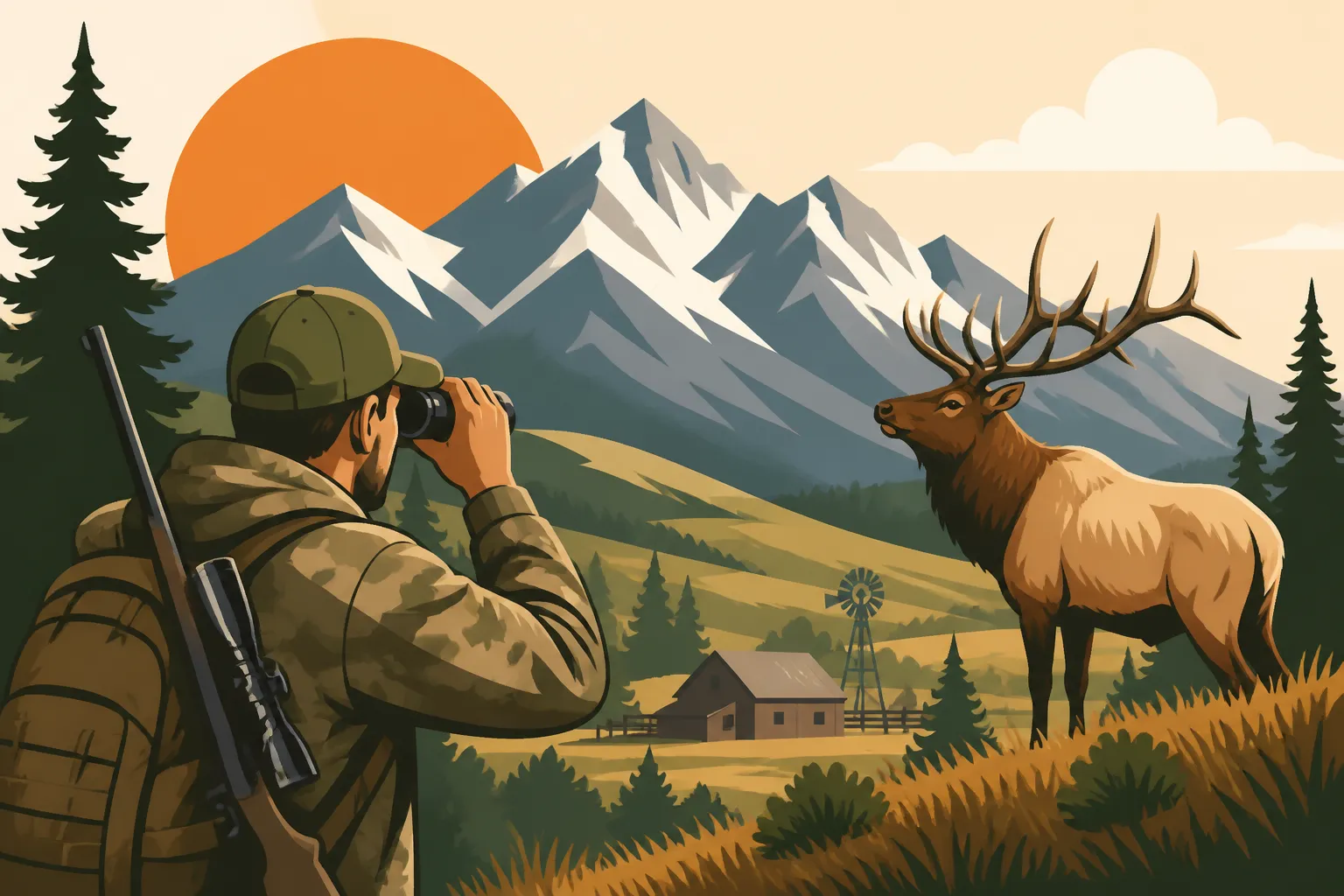
Colorado Ranch Hunts Explained
For many hunters, the thought of chasing big game in Colorado conjures images of endless public land, rugged peaks, and the ever-present challenge of drawing a coveted tag. But let's be honest, the reality of crowded trailheads, intense competition, and years of building preference points can feel downright daunting. If you're yearning for a quality hunting experience without the constant pressure cooker of public land or the long wait for a premium draw tag, Colorado ranch hunts offer a fantastic alternative that often flies under the radar. This comprehensive guide will walk you through everything you need to know about hunting on private ranches in the Centennial State, from how they work to what to expect, and how to secure your dream hunt.
What Exactly Are Colorado Ranch Hunts?
When we talk about "Colorado ranch hunts," we're not just referring to any hunting on private land. We're specifically discussing organized hunting experiences offered on large, privately owned parcels of land, often by professional outfitters or the landowners themselves. These aren't just small tracts; many of these ranches span thousands of acres, providing extensive habitat for a variety of big game species, most notably elk, mule deer, and pronghorn. The key differentiator is that access is managed and controlled, allowing for a more exclusive and often higher-quality hunting experience.
Defining Private Land Hunting in Colorado
In Colorado, approximately 37% of the state is privately owned, and a significant portion of that private land provides crucial habitat for big game. Unlike public lands—National Forests, BLM lands, or State Wildlife Areas—access to these private ranches is restricted. As a hunter, gaining access usually involves either having direct permission from a landowner (which is incredibly hard to come by on quality ground) or booking a hunt through an outfitter who has secured hunting rights on that private property. These outfitters lease or own these hunting rights, allowing them to offer guided or semi-guided hunts. The private land often serves as vital winter range, calving grounds, or prime rutting habitat, making it incredibly attractive to wildlife and, consequently, to hunters seeking specific opportunities.
Hunting on private ranches also means operating under a different set of logistical and regulatory frameworks compared to public land. While you still adhere to Colorado Parks and Wildlife (CPW) regulations, the immediate environment is controlled. This can mean designated areas for ATV use, specific rules about campfires, or restrictions on where you can pursue game to avoid disturbing livestock or other ranch operations. It’s a trade-off: you gain control and exclusivity, but you also must respect the rules of a private enterprise. Understanding these nuances is crucial for a successful and ethical hunt.
The Allure of Exclusivity and Management
The biggest draw of a ranch hunt, for many, is the exclusivity. Imagine hunting for days without seeing another hunting party, focusing solely on the wildlife and your pursuit. On public land, especially in popular OTC (Over-The-Counter) units, hunter density can be incredibly high, leading to animals that are constantly pressured and on the move. On a well-managed private ranch, animals often exhibit more natural behavior because they aren't being bumped around by dozens of hunters every day. This can lead to better opportunities, whether you're after a trophy animal or simply a successful harvest.
Furthermore, many private ranches engage in active wildlife management. This can include habitat improvement projects, careful monitoring of herd health, and selective harvest strategies designed to improve the age and quality structure of their game populations. Some ranches might implement their own antler point restrictions or only allow specific types of harvests (e.g., bull elk only, mature bucks only) to foster healthier herds and larger animals over time. This level of management means that when you book a hunt, you're often investing in a property that is deliberately cultivated to offer superior hunting experiences, which can be a game-changer after years of public land frustration.
Why Consider a Colorado Ranch Hunt?
The decision to pursue a ranch hunt often comes after a hunter has weighed the pros and cons of other hunting methods in Colorado. While there’s undeniable appeal to the rugged independence of a Colorado DIY Elk Hunting Guide or the challenge of Colorado Backcountry Hunting Guide, the reality of securing a tag and finding unpressured animals on public land can be a years-long endeavor. Ranch hunts offer a compelling list of advantages that address many of these common frustrations.
Mitigating Public Land Pressure
Let's face it, hunting public land in Colorado during peak seasons, particularly the early rifle seasons, can sometimes feel more like a crowded hiking trail than a wilderness experience. You scout a perfect basin, only to find three other camps already set up. You hear more ATVs than elk bugles. This isn't always the case, but it's a common and valid frustration. Private ranch hunts offer a sanctuary from this kind of pressure. With exclusive access to thousands of acres, you and your hunting party are often the only ones pursuing game on that property.
This lack of pressure fundamentally changes animal behavior. Elk, mule deer, and other species are less skittish, more likely to follow predictable patterns, and often more vocal. This can lead to more opportunities for calling, spotting, and stalking, and ultimately, a more relaxed and enjoyable hunt. Instead of constantly worrying about bumping into other hunters or having your stalk ruined, you can focus on the game and the land, which is exactly what most of us are seeking when we venture into the wild. It’s about quality of experience over sheer quantity of footsteps.
Enhanced Draw Odds and Access
One of the most significant challenges for anyone planning a Colorado hunt, especially non-residents, is navigating the complex draw system and accumulating enough Colorado Preference Points Explained to secure a desirable tag. Many of the best public land units require years, if not a decade or more, of building points for trophy-quality animals. Ranch hunts, particularly those that come with landowner vouchers, can completely bypass this waiting game or drastically reduce the number of preference points needed.
Outfitters who operate on private ranches often have access to a pool of landowner preference points or vouchers. These vouchers essentially "buy" you a limited draw tag that would otherwise be very difficult or impossible to draw, often for specific units or seasons with excellent success rates. This means you can hunt a prime unit for elk or mule deer without having to wait five, eight, or even fifteen years. It's an immediate ticket to some of Colorado's best hunting, making it an incredibly attractive option for hunters who are short on points or simply want to experience a high-quality hunt sooner rather than later. Understanding Colorado Landowner Vouchers Explained is key to leveraging this benefit.
Opportunity for Quality Animals
Because private ranches are often less pressured and sometimes actively managed, they can hold a higher density of quality animals. This isn't to say that public land doesn't produce giants – it absolutely does – but the odds can be more favorable on private land due to concentrated populations and often better habitat. Elk and deer on these properties can grow to older age classes, allowing them to express their full antler potential.
Many ranches are strategically located to intercept migrating herds or provide prime year-round habitat. For example, some ranches might encompass critical wintering grounds where elk congregate after the high country snows hit, or offer lush summer feeding areas. This means that at different times of the year, depending on the migration patterns and local conditions, a private ranch might hold an exceptional number of animals, including mature bulls and bucks. While a guaranteed trophy is never part of hunting, a ranch hunt significantly increases your chances of encountering the caliber of animal you're hoping for.
Types of Colorado Ranch Hunts Available
Just like there are different flavors of public land hunting, Colorado ranch hunts come in a variety of styles to suit different budgets, preferences, and experience levels. Understanding these distinctions is crucial when planning your trip, as they can greatly impact the overall cost, what's included, and your responsibilities in the field.
Fully Guided Ranch Hunts
A fully guided ranch hunt is often considered the pinnacle of the private land hunting experience. When you book a fully guided hunt, almost every aspect of your trip is taken care of. This typically includes a professional guide (or guides, depending on the hunter-to-guide ratio) who will scout the property, locate game, assist with tracking and field dressing, and help pack out your animal. Accommodation is usually provided, ranging from comfortable lodge settings to rustic but well-appointed cabins right on the ranch. Meals are often included and prepared by a camp cook, offering hearty fare to fuel your days in the field.
Transportation around the ranch, whether by ATV, UTV, horseback, or 4×4, is also part of the package. Essentially, your primary focus is the hunt itself, with all the logistics handled by the outfitter. This option is ideal for hunters who want a high-service experience, those new to western hunting, or anyone looking to maximize their time in the field without worrying about camp chores or navigating unfamiliar terrain. While these hunts come at a premium price, the comprehensive nature of the service and the often-high success rates make them a popular choice. Many outfitters offering fully guided hunts also have access to those coveted landowner vouchers, simplifying the tag acquisition process.
Semi-Guided and Drop Camp Ranch Hunts
For hunters who want some support but also desire more independence, semi-guided or drop camp ranch hunts offer a middle ground. A semi-guided hunt might provide an outfitter who points you in the right direction, offers advice on strategy, and perhaps helps with game retrieval, but doesn't necessarily hunt with you every step of the way. You might be responsible for your own meals and lodging, or a basic camp might be provided without a full-time cook. This option appeals to experienced hunters who are comfortable making their own decisions in the field but appreciate having expert local knowledge and private land access.
Drop camp ranch hunts take independence a step further. Here, the outfitter typically packs you into a designated campsite on the private ranch, usually in a remote area, and then leaves you and your party to hunt on your own. They will return at a pre-arranged date to pack you and your harvest out. These camps are often equipped with wall tents, cots, cooking gear, and sometimes even wood stoves. You are responsible for all your own food, sleeping gear, and actual hunting. This option is a fantastic way to experience a wilderness-style hunt on private land without the extensive logistics of packing in and out your own gear, and often comes at a more approachable price point than a fully guided hunt. It's a great choice for a group of experienced hunters looking for an exclusive and challenging adventure.
Landowner Voucher Hunts
Landowner voucher hunts, while technically a method of tag acquisition, are intrinsically linked to private ranch hunting. Many ranches work directly with hunters or outfitters to offer tags that come from the landowner preference program. In Colorado, landowners with significant acreage that provides critical wildlife habitat are often allocated a certain number of vouchers by CPW. These vouchers can then be "attached" to a hunter's license, allowing them to draw a specific hunt code tag (often for a primo unit or season) with zero or very few preference points.
When you purchase a landowner voucher hunt, you're essentially buying the opportunity to apply for a tag you might otherwise never draw, and that tag grants you hunting access to the associated private land. The hunt itself might be fully guided, semi-guided, or even a trespass fee hunt where you simply gain access and hunt independently. The primary benefit is bypassing the multi-year wait for a draw tag in a high-demand unit. This is particularly valuable for non-residents who might not want to commit to building points for a decade or more. Be aware that the cost of a landowner voucher can be substantial, often ranging from several thousand dollars to well over ten thousand, in addition to the hunt package itself. This is where researching Colorado Elk Season Dates Guide and corresponding hunt codes becomes critical to understand the value proposition.
Navigating the Draw System with Ranch Hunts
The Colorado big game draw system can be notoriously complex, especially for non-residents. Acronyms like GMU, CPW, and OTC, along with terms like "preference points" and "draw odds," can make your head spin. However, when it comes to ranch hunts, the draw system often works for you, rather than against you, providing distinct advantages that can shorten your path to a quality tag.
Understanding Landowner Preference Programs
Colorado Parks and Wildlife (CPW) implements a Landowner Preference Program designed to acknowledge the role private landowners play in providing habitat for wildlife. Qualified landowners, typically those with significant acreage that provides essential forage, cover, or migration corridors for deer, elk, or pronghorn, can apply for landowner preference vouchers. These aren't free tags; rather, they are "preference" that allows a landowner to draw a tag for a specific unit or area with higher certainty.
A key aspect for hunters is that these landowners can transfer their voucher to an eligible hunter. This means that if you secure a hunt with a ranch that has such vouchers, you essentially buy the voucher from the landowner (or the outfitter acting on their behalf) and then use it to apply for the desired hunt code in the primary draw. The voucher essentially guarantees you'll draw the tag, even if it's a very high-demand unit requiring many preference points for the general public. This effectively lets you leapfrog the preference point system for a specific, high-quality private land hunt. It's a critical component that allows many non-residents to experience incredible hunting opportunities without the decade-long wait.
The Role of Outfitter-Held Vouchers
Many professional outfitters who operate on private ranches acquire landowner vouchers directly from the landowners. They then package these vouchers as part of their guided or semi-guided hunt offerings. This streamlines the process for the hunter: instead of trying to find a landowner willing to sell a voucher and then also arranging a hunt, you deal with one entity – the outfitter. The outfitter usually includes the cost of the voucher in their overall hunt price, or sometimes it's an additional fee you pay directly to the landowner via the outfitter.
When you book an outfitter-held voucher hunt, the outfitter will guide you through the application process with CPW, ensuring you correctly apply for the correct Colorado Hunt Codes Explained using the voucher. This system is a huge relief for many hunters, especially those unfamiliar with Colorado's draw intricacies. It means your focus can remain on physical preparation for the hunt, gear, and travel, rather than stressing over draw deadlines and application errors. GoHunt is one such platform that can help you research outfitters who offer these kinds of opportunities, often detailing which units they operate in and what sort of voucher options they have available. Their resources can be invaluable for pinpointing outfitters with a proven track record of securing these highly sought-after tags.
Cost Considerations for Colorado Ranch Hunts
Let's address the elephant in the room: cost. Colorado ranch hunts are generally a significant investment, often more expensive than a DIY public land hunt. However, it's important to understand why they cost what they do and to view it as an investment in a potentially higher-quality, less stressful, and more successful hunting experience. Pricing varies wildly depending on the species, the type of hunt, the amenities, and the reputation of the outfitter.
Factors Influencing Pricing
Several key factors drive the price of a Colorado ranch hunt:
- Species: Elk hunts are typically the most expensive, followed by mule deer, and then pronghorn. Trophy potential also plays a huge role; a hunt targeting a 300"+ bull elk or a 180"+ mule deer buck will command a higher price than a general cow elk or management buck hunt.
- Hunt Type: As discussed, fully guided hunts are the most expensive due to the comprehensive services offered (guide, lodging, meals, field care, transportation). Semi-guided hunts fall in the middle, and drop camp or trespass-only hunts are generally the most affordable.
- Duration: Most hunts are 5-7 days, but some shorter (3-day) or longer (10-day+) options exist. Naturally, longer hunts cost more.
- Amenities and Exclusivity: A hunt with luxury lodge accommodations, gourmet meals, and a 1:1 guide-to-hunter ratio will be significantly more expensive than a rustic tent camp with self-prepared meals and a 2:1 ratio. The degree of exclusivity (e.g., how many hunters are on the ranch at one time) also impacts cost.
- Landowner Vouchers: If a landowner voucher is part of the package, expect a substantial increase in the overall price. The value of these vouchers is directly tied to the difficulty of drawing the corresponding tag and the quality of the hunting unit.
- Outfitter Reputation and Success Rate: Established outfitters with a long history of high success rates and satisfied clients often charge more, and rightfully so. Their experience, knowledge, and consistent performance are valuable commodities. You can often find detailed breakdowns of these factors when looking at options on platforms like BookYourHunt, which allows you to filter and compare offerings.
Budgeting for Your Investment
When budgeting for a Colorado ranch hunt, it’s essential to look beyond just the advertised hunt price. Here’s a breakdown of potential costs:
| Cost Category | Description | Estimated Range (Non-Resident, per hunter) |
|---|---|---|
| Hunt Package | This is the base price for your guided, semi-guided, or drop camp hunt. It may or may not include a landowner voucher. | $4,000 – $15,000+ (Elk/Mule Deer); $2,000 – $6,000 (Pronghorn) |
| Landowner Voucher | If not included in the package, this is the fee paid directly or indirectly for the voucher that grants access to the draw tag. | $1,500 – $10,000+ (for prime units/tags) |
| License & Tag Fees | Colorado hunting license, habitat stamp, and specific big game tag fees. Non-resident fees are significantly higher than resident fees. | ~$800 – $1,200 (for elk or deer, includes license & habitat stamp) |
| Travel | Flights or driving costs to Colorado, plus any in-state transportation (rental car, shuttle to ranch). | Varies widely ($500 – $2,000+) |
| Meat Processing | If successful, butchering costs. Some outfitters offer basic field quartering, but professional processing is separate. | $300 – $800+ (depending on species and cuts) |
| Taxidermy | If you harvest a trophy and wish to have it mounted. | $700 – $3,000+ (depending on species, pose, and artist) |
| Gear | Quality hunting gear (optics, clothing, boots, weapon, backpack) is essential. While you might already own much of it, consider any necessary upgrades. For insights, check out Best Colorado Elk Hunting Gear. | Varies wildly ($0 – $3,000+) |
| Tips | Tipping your guide and camp staff is customary and expected. This is a significant part of their income. A typical range is 10-20% of the hunt cost. | $500 – $2,000+ |
| Contingency | Always budget for unexpected expenses – flight delays, extra nights of lodging, shipping meat/antlers, etc. | 10-15% of total budget |
As you can see, a Colorado ranch hunt is an investment, but for many, the quality of the experience, the reduced stress, and the higher likelihood of success make it well worth the financial commitment. It’s important to get a clear, itemized breakdown of costs from any outfitter you consider. To get a better handle on the overall picture, you might want to look into Colorado Guided Elk Hunt Cost for more specific numbers on what a fully outfitted experience entails.
Finding and Booking the Right Ranch Hunt
Finding the right ranch hunt for you can feel like sifting through a haystack, but with the right approach and resources, you can pinpoint an outfitter that matches your expectations and budget. This isn't a decision to rush; thorough research and clear communication are paramount.
Researching Reputable Outfitters and Ranches
The first step is always research. Start by identifying outfitters who specialize in ranch hunts in Colorado. Look for outfitters with a long history of operating in the state and a strong reputation for ethical practices and client satisfaction. Online forums, hunting magazines, and personal referrals are great places to begin. Pay close attention to reviews and testimonials, but also remember that every hunt is unique, and not every hunter will have the same experience. Look for patterns in feedback: Are guides knowledgeable? Is the camp well-run? Is the game present on the property?
Consider the specific GMU (Game Management Unit) the ranch is located in. While private land offers distinct advantages, the overall health and population of the local herd still matter. Researching the GMU's statistics for harvest success and herd size on the Colorado Parks and Wildlife website can give you a baseline understanding. Platforms like GoHunt and BookYourHunt offer excellent resources for researching outfitters and reading reviews, often providing details on their hunting areas, available species, and success rates. These platforms can be a great starting point for compiling a list of potential outfitters to contact.
Key Questions to Ask Before Committing
Once you've narrowed down your list of potential outfitters, it's time to start asking detailed questions. Don't be shy; a reputable outfitter will appreciate your diligence. Here's a checklist of vital questions:
- What is the hunter-to-guide ratio? (1:1 or 2:1 is common for fully guided; higher for semi-guided).
- What is included in the hunt price? (Guide, lodging, meals, field dressing, meat retrieval, caping, transportation on the ranch, landowner voucher?). Get it in writing!
- What is NOT included? (License/tag, meat processing, taxidermy, tips, travel to Colorado, alcohol, personal gear).
- What is the typical size of the animals harvested on this ranch? Ask for photos of recent harvests, but understand that hunting is never guaranteed.
- What are your typical success rates and opportunity rates for this species and hunt type? (Success rate = harvested an animal; Opportunity rate = had a shot opportunity).
- What are the physical demands of the hunt? (Mountainous terrain, long hikes, horseback riding, etc.).
- What is your policy on wounded animals? (If an animal is wounded and not recovered, is the hunt considered over?).
- Can you provide references from past hunters? A good outfitter will readily provide these.
- What are your cancellation and refund policies? (Crucial in case of unforeseen circumstances).
- How do you handle meat and trophy care after a successful harvest? (Field quartering, transport to processor, caping for taxidermy).
- What gear do you recommend or provide? (For insights into what to bring, consider checking out our guide on Colorado Backcountry Hunting Gear List).
Taking the time to ask these questions thoroughly will help you compare options objectively and ensure there are no surprises once you arrive for your hunt. This diligence is part of how to ensure you How to Choose a Colorado Hunting Outfitter that's right for you.
Utilizing Online Platforms and Resources
The digital age has made finding and vetting outfitters much easier. Websites like BookYourHunt and GoHunt are invaluable resources. BookYourHunt, for instance, acts as a marketplace where you can browse numerous outfitters, compare prices, read reviews, and often book directly. You can filter by species, location, hunt type, and even specific amenities. It's a great way to get a broad overview of what's available and to compare different operations side-by-side.
GoHunt, on the other hand, is a subscription-based service renowned for its detailed draw odds, unit analyses, and application strategies. While primarily focused on DIY hunters, their Insider platform also features an outfitter search tool and often includes insights into private land opportunities. Their expertise in deciphering the draw system can be particularly useful if you're exploring options that involve landowner vouchers, helping you understand the true value and likelihood of drawing the tag. Combined with direct communication and personal references, these online platforms provide a robust framework for making an informed decision about your Colorado ranch hunt. Additionally, don't overlook official state resources like the Colorado Parks and Wildlife (CPW) website for regulatory information and licensed outfitter lists.
Preparing for Your Colorado Ranch Hunting Experience
Even though a ranch hunt often provides more amenities and less physical stress than a deep backcountry DIY adventure, proper preparation is still crucial for a successful and enjoyable experience. The mountains of Colorado, even on private land, are still the mountains, and being physically and mentally ready, along with having the right gear, will make all the difference.
Physical and Mental Readiness
Don't assume a ranch hunt means an easy hunt. While you might not be packing an elk out 10 miles in a wilderness area, many private ranches in Colorado still encompass rugged, high-elevation terrain. You'll likely be walking miles each day, often at elevations ranging from 7,000 to 10,000+ feet. This elevation alone can be a major challenge for hunters coming from sea level, causing shortness of breath, fatigue, and headaches. Even if you're using vehicles, you'll still need to hike into good glassing spots, stalk game, and potentially climb steep slopes to retrieve an animal.
Therefore, physical conditioning is paramount. Start a rigorous exercise routine months before your hunt, focusing on cardiovascular endurance (hiking with a weighted pack, stair climbing) and lower body strength. Don't forget to practice shooting your chosen weapon from various positions, especially those you might encounter in the field, like steep uphill or downhill shots. Mentally, prepare for the unpredictable nature of hunting. There will be early mornings, long days, moments of frustration, and periods of boredom. Maintaining a positive attitude, staying persistent, and enjoying the process are key. For a deep dive into preparing your body, check out our guide on How to Physically Prepare for Colorado Elk.
Gear Essentials for a Private Land Hunt
While your outfitter might provide some camp gear or transportation, your personal hunting gear is entirely your responsibility. Here’s a rundown of essentials:
- Layered Clothing System: Colorado weather is notoriously fickle. You can experience all four seasons in a single day. A good layering system is crucial: moisture-wicking base layers, insulating mid-layers (fleece or puffy jacket), and a waterproof/windproof outer shell. Avoid cotton.
- Sturdy Boots: Invest in high-quality, broken-in, waterproof hiking boots with good ankle support. This is arguably your most important piece of gear. Bring an extra pair if possible.
- Optics: Even if your guide has optics, you'll want your own binoculars (10×42 or 10×50 are great all-around choices) and a rangefinder. A spotting scope can be useful if you're doing a lot of glassing.
- Backpack: A daypack (25-45 liters) for essentials like water, snacks, extra layers, first-aid kit, and game bags. If you anticipate helping pack out meat, a larger pack with a frame might be useful, or coordinate with your outfitter.
- Weapon and Ammunition: Your rifle, bow, or muzzleloader should be sighted in and reliable. Bring plenty of practice ammo and the specific hunting rounds you intend to use. Double-check Colorado's legal requirements for ammunition and weapon types for your specific season.
- First-Aid Kit: A comprehensive kit for minor injuries and ailments.
- Navigation Tools: Even with a guide, a GPS device or a mapping app like onX Hunt on your phone (download offline maps!) can be invaluable for understanding your surroundings and marking locations.
- Game Bags: Essential for keeping meat clean and cool if you're successful.
- Hunting License & Tags: Don't forget these! Make sure your tags are properly signed.
- Personal Items: Toiletries, prescription medications, camera, headlamp with extra batteries, fire starter, knife, small roll of toilet paper, and scent control items.
Packing efficiently and thoughtfully, even for a guided ranch hunt, will greatly contribute to your comfort and readiness in the field.
Ethical Considerations and Responsible Ranch Hunting
Hunting on private land comes with its own set of responsibilities and ethical considerations. While you are paying for an experience, it's crucial to remember that you are a guest on someone's property, and the wildlife you pursue is a shared resource. Upholding high ethical standards ensures not only the future of your hunt but also the reputation of all hunters.
Respecting Private Land and Wildlife
First and foremost, respect the property. This means adhering strictly to the ranch's rules, which may include designated travel routes, specific gates to open and close, or areas off-limits due to livestock or other operations. Leave no trace of your presence – pack out all trash, spent casings, and anything else you bring in. Damage to fences, gates, or other infrastructure can lead to serious issues for the outfitter and future hunters. Think of yourself as a steward of that land for the duration of your hunt.
Respect the wildlife. Even though you might have better access and potentially higher densities of game, ethical hunting principles still apply. Only take ethical shots within your effective range. Make every effort to recover any wounded animal, even if it means long hours of tracking. The goal is a clean, quick kill and full recovery, not just a shot opportunity. Understand the ranch's specific management goals; if they are trying to manage for older age-class animals, respect any directives regarding antler size or specific harvest criteria.
Understanding Ranch-Specific Rules and Expectations
Every ranch, and indeed every outfitter, will have specific rules and expectations that go beyond general state hunting regulations. These might include:
- Weapon restrictions: Some ranches might prefer or require specific calibers, arrow weights, or broadhead types.
- Vehicle use: Designated roads or trails for ATVs/UTVs, or limits on how far you can drive off-road.
- Camp conduct: Rules regarding noise, campfires, or alcohol consumption.
- Hunting boundaries: Clear understanding of where the private land ends and public or neighboring private land begins. Trespassing, even accidentally, can have severe consequences.
- Guest policies: Rules about bringing non-hunting guests or family members.
- Meat and trophy handling: Specific procedures for field dressing, quartering, and transporting your animal. Some ranches might have their own processing facilities or preferred local processors.
Before your hunt, ensure you have a clear understanding of all these rules. Don't hesitate to ask your outfitter for clarification on any point. By adhering to these guidelines, you contribute to a positive relationship between landowners, outfitters, and hunters, ensuring these valuable ranch hunting opportunities continue for years to come. Ultimately, responsible ranch hunting is about recognizing that you're part of a larger system that relies on mutual respect and shared conservation goals.
Disclaimer
Please remember that hunting regulations, fees, and season dates in Colorado can change. Always consult the official Colorado Parks and Wildlife (CPW) website or their most current Big Game Hunting Brochure for the most up-to-date and accurate information before planning any hunt. This guide is for informational purposes only and does not supersede official regulations.