Colorado Meat Hunt Outfitters
Heading out to the Colorado high country with the primary goal of filling your freezer is a noble pursuit, but it often comes with a unique set of challenges. You’re not chasing a massive rack; you're focused on ethical harvest, efficient processing, and bringing home nutritious protein for your family. This comprehensive guide will walk you through everything you need to know about finding and working with Colorado meat hunt outfitters, ensuring your hunting experience is rewarding and productive, whether you're new to the West or a seasoned hunter.
Understanding the Meat Hunt Mindset in Colorado
For many, hunting isn't just about the thrill of the chase or the pursuit of a trophy; it's a deep connection to the land and a way to provide wholesome food. A meat hunt in Colorado is precisely that: a strategic endeavor focused on securing wild game efficiently and responsibly. It’s about sustenance, not just antlers, and it requires a different approach when considering outfitter services.
Why a Meat Hunt Over a Trophy Hunt
Let's be honest, the images plastered across magazines and social media often highlight colossal bull elk and giant mule deer bucks. While those hunts are incredible, they come with significant investment, require years of preference points, and success can often hinge on a bit of luck and the precise moment of the rut. A meat hunt, on the other hand, shifts the focus from antler size to opportunity and efficiency. You might be targeting cow elk, spike bulls, or mature does – animals that provide excellent meat without the added pressure or expense associated with drawing a premium trophy tag.
The allure of a meat hunt is primarily practical. Imagine a freezer stocked with lean, organic elk or venison that you harvested yourself. This tangible reward is incredibly satisfying. For many hunters, especially those traveling from out of state or on a tighter budget, securing a quality meat animal is a far more achievable and economical goal than waiting a decade for a trophy unit tag. It also allows you to focus on the fundamental skills of hunting – tracking, calling, shooting – rather than the sometimes intense pressure of a "once-in-a-lifetime" trophy hunt. The emphasis is on a successful harvest for the table, making the entire experience less about the size of the animal's headgear and more about the quality of the journey and the bounty it provides.
Target Species and Tag Considerations
When you’re specifically looking to fill the freezer, Colorado offers fantastic opportunities for various species. Elk are often the top choice due to their sheer size and excellent meat quality. A single cow elk can yield upwards of 150-200 pounds of boneless meat, making it an incredibly efficient harvest. Mule deer, while smaller, also provide delicious venison. Depending on the unit and season, you might find opportunities for cow elk tags or antlerless deer tags that are easier to draw or even available over-the-counter (OTC).
Colorado Parks and Wildlife (CPW) offers a variety of tags, and understanding these is crucial for a successful meat hunt. OTC tags, especially for archery or second/third rifle season cow elk in specific units, can be a goldmine for meat hunters. These tags don't require preference points, making them accessible to a broader range of hunters, including non-residents who might be looking for an annual opportunity without the long wait of the draw. Be sure to research Colorado OTC Elk Tags Explained to understand your options. For deer, many units have antlerless licenses available through the draw that require fewer points than buck tags. When discussing your meat hunt goals with an outfitter, they'll be able to guide you toward units and seasons known for good populations and accessible tags that align with a meat-focused objective.
Finding the Right Colorado Outfitter for Your Meat Hunt
Choosing an outfitter can feel overwhelming, especially with so many options available. When your priority is a meat hunt, you need an outfitter whose philosophy and services align with that goal. It’s not just about guiding you to an animal, but also assisting with the practicalities of meat care and extraction.
What to Look for in a Meat Hunt Outfitter
A good meat hunt outfitter understands that your success isn't measured solely by Boone & Crockett scores. They prioritize putting you on animals that provide good meat and have the logistical support to handle the aftermath. Look for outfitters who are experienced in specific, high-density elk or deer areas, rather than just known trophy units. They should have a proven track record of clients harvesting cows, spikes, or smaller bucks. Don't be shy about asking about their average client success rate for any harvest, not just trophy animals.
Beyond simply locating game, inquire about their field care protocols. Do they have skilled guides who can assist with quartering and caping? What are their plans for game retrieval? Hauling a whole elk out of a steep canyon is no small feat, and a reputable outfitter will have horses, ATVs, or a detailed plan for getting your meat from the field to a processor. Some outfits specialize in this, even offering pack-out services for an additional fee or as part of their package. Platforms like BookYourHunt can be a great resource for comparing different outfitters and their specific offerings, allowing you to filter by hunt type and services, helping you pinpoint those focused on a meat-oriented experience.
Vetting Outfitters and Asking Key Questions
Once you've identified a few potential outfitters, it's time to do your homework. Start by checking their licensing and insurance with the Colorado Outfitter Board. Don't underestimate the power of references; ask for a list of past clients, particularly those who went on a meat hunt. Contact these references and ask direct questions about their experience: Was the outfitter communicative? Did they deliver on their promises? Was the meat handled properly?
Here are some essential questions to ask:
- What are your success rates for meat hunts (e.g., cow elk, spike bulls) in the specific unit and season I'm interested in?
- What is your policy and procedure for field dressing, quartering, and packing out game? Do guides assist, or is that primarily the hunter's responsibility?
- Do you have horses, mules, or ATVs for game retrieval, or is it all backpacked out?
- What's the nearest reputable meat processor, and do you offer any assistance with transport to the processor?
- What's your plan for keeping meat cool if temperatures are warm during the hunt?
- Are tags typically OTC or draw-based for the type of hunt I'm interested in? Can you help me navigate the draw system if needed?
- What's the typical size of your hunting groups, and what's the guide-to-hunter ratio?
Remember, you're not just buying a hunt; you're investing in an experience and a significant amount of food. Websites like GoHunt also offer detailed information about units and draw odds, which can help you come prepared with informed questions about specific areas an outfitter might propose. The more informed you are, the better equipped you'll be to make the right choice. You might also want to look into How to Choose a Colorado Hunting Outfitter for a more general overview.
Guided vs. Drop Camp vs. Semi-Guided for Meat Hunters
The decision between a fully guided, drop camp, or semi-guided hunt often boils down to your budget, experience level, and how much "DIY" you're comfortable with. Each option presents unique advantages and disadvantages for the dedicated meat hunter.
Pros and Cons of Fully Guided Meat Hunts
A fully guided hunt is often the most hands-off option, making it appealing for hunters new to Colorado's rugged terrain or those with limited time for scouting. You'll typically have a dedicated guide who knows the area like the back of their hand, leads you to game, assists with field care, and often handles game retrieval. This can be invaluable when you’re miles deep in the backcountry and staring down a downed elk. The outfitter often provides lodging, meals, and transportation within the hunting area, minimizing your logistical burdens.
However, this convenience comes at a higher price tag. Guided hunts are typically the most expensive option, which can sometimes be a deterrent for a pure meat hunt budget. You also have less independence, as you're following your guide's lead. While this can be a relief, some hunters prefer to call their own shots. Still, if your main priority is a high probability of success and professional assistance with all aspects of the hunt, including the strenuous work of packing out an animal, a fully guided trip can be an excellent investment. Many hunters find that the experience of a What to Expect on a Guided Colorado Elk Hunt is well worth the cost.
The Practicality of Drop Camps for Meat
Drop camps strike a fantastic balance between cost and convenience, making them a very popular choice for meat hunters. In a typical drop camp scenario, an outfitter packs you and your gear (including your camp setup) via horseback or ATV into a remote, pre-scouted location. They’ll leave you with a fully established camp – often a wall tent with a stove, cots, and cooking gear – and return to pick you up on a predetermined date. This allows you to hunt self-sufficiently in prime, unpressured areas without the strenuous task of packing your own camp in and out.
The real benefit for meat hunters here is game retrieval. Many drop camp services include packing out your harvested animal. Imagine the relief of knowing that once you've quartered your elk, the outfitter will handle the arduous journey back to the trailhead. This significantly reduces the physical toll on hunters, especially those not accustomed to high-altitude packing. You're responsible for your own food, hunting strategy, and daily activities, giving you a greater sense of DIY accomplishment, but with the crucial support for heavy lifting. It's a fantastic middle-ground solution and a highly practical option for those focused on getting meat out efficiently. You can learn more about Colorado Drop Camp Hunts Explained.
Semi-Guided Options for More DIY Control
Semi-guided hunts are a bit of a hybrid and can vary greatly from one outfitter to another. Generally, a semi-guided service provides some assistance or advice but leaves much of the actual hunting and daily logistics to you. This might involve the outfitter providing a base camp, map consultations, access to private land, or pointing you toward productive public land areas, but then you're on your own for the day-to-day hunting. They might offer advice on tactics, local game movement, or even help with recovery if you successfully harvest an animal.
This option appeals to experienced hunters who want more control over their hunt, enjoy the challenge of figuring things out on their own, but appreciate a safety net or a local's knowledge base. It’s typically less expensive than a fully guided hunt but more involved than a simple drop camp. For a meat hunter, a semi-guided hunt can be ideal if you're confident in your hunting abilities and field dressing skills, but perhaps want assistance with heavier game retrieval or need access to good hunting grounds you might not find through pure DIY efforts. It's a great way to combine the spirit of Colorado DIY Elk Hunting Guide with some expert support.
| Hunt Type | Cost Range (Approx.) | Effort Level (Hunter) | Services Included (Typical) | Best For Meat Hunters Who… |
|---|---|---|---|---|
| Fully Guided | High ($5k – $10k+) | Low | Guide, meals, lodging, camp, game retrieval, field care | Want maximum support, high success odds, less physical burden |
| Drop Camp | Medium ($2k – $5k) | Medium | Pre-set camp, pack-in/pack-out (gear & game) | Are self-sufficient hunters but need help with camp logistics & heavy lifting |
| Semi-Guided | Low-Medium ($1.5k – $4k) | High | Base camp, area advice, possibly partial game retrieval help | Want DIY feel, local knowledge, some support, good physical shape |
Note: Costs are estimates and can vary widely based on duration, outfitter reputation, and services.
Cost Expectations and Budgeting for a Colorado Meat Hunt
Budget is always a major factor when planning any hunt, and a meat hunt is no exception. While the goal might be sustenance, the process still involves significant financial outlay, especially when utilizing an outfitter. Understanding where your money goes is key to smart planning.
Breaking Down Outfitter Fees and Hidden Costs
Outfitter fees can range widely, as discussed above. A fully guided elk hunt can run anywhere from $5,000 to well over $10,000, while a drop camp might be $2,000 to $5,000, and semi-guided options could fall between $1,500 and $4,000. These costs usually cover the guide's time, lodging (if applicable), food (if applicable), and pack-in/pack-out services for your gear and potentially your animal.
However, don't forget the "hidden" or often overlooked costs.
- Licenses and Tags: Non-resident elk tags alone are several hundred dollars, plus a habitat stamp.
- Travel: Flights, gas, rental vehicles.
- Meat Processing: This can add another $200-$500 per animal, depending on the species and desired cuts.
- Taxidermy/Cape Preservation: Even if it's a meat hunt, you might want to preserve the cape if it's a respectable animal.
- Gear: Quality gear for Colorado's mountains is essential, from boots to optics to layering systems. This is a significant upfront investment if you don't already own it. Consider "Best Backcountry Gear for Colorado Elk" as a starting point.
- Tips for Guides: It's customary to tip your guide, often 10-20% of the hunt cost, for their hard work and dedication.
- Shipping Meat Home: If you're a non-resident, shipping hundreds of pounds of frozen meat can be expensive.
When reviewing outfitter contracts, clarify exactly what is and isn't included. Ask about extra fees for additional pack-outs, non-hunter guests, or specific services. A good outfitter will be transparent about their pricing structure, allowing you to budget accurately for your entire adventure.
Value vs. Price in Meat Hunting Outfitters
It’s easy to get caught up in finding the cheapest option, but for a meat hunt, value often outweighs the lowest price point. Consider what's truly valuable to you: a higher chance of success, ethical animal handling, efficient game retrieval, and professional guidance. An outfitter who charges a bit more but has a stellar reputation for putting hunters on game and handling the logistical nightmare of a full-size elk is likely a better value than a budget option that leaves you struggling to get your meat off the mountain.
The cost of losing an animal due to improper field care, or the physical strain of solo packing an elk through difficult terrain, can quickly diminish any savings from a cheaper hunt. Invest in an outfitter who prioritizes getting your valuable protein home safely and efficiently. Remember, the goal is a full freezer, and that requires a successful hunt and proper handling of the harvest. Sometimes, spending a little more upfront can prevent a lot of headaches and potential losses down the line.
Logistics and Preparation for a Successful Meat Hunt
A successful meat hunt in Colorado involves more than just finding an outfitter; it requires thorough personal preparation and an understanding of the unique demands of hunting in the high country.
Physical Demands and Altitude Acclimation
Colorado hunting, especially for elk or mule deer, is incredibly physically demanding. You'll be hiking steep inclines, navigating rough terrain, and potentially packing heavy loads at high altitudes. Even if an outfitter provides game retrieval, you'll still need to be fit enough to reach the animal and assist with initial field care. This is not a casual stroll in the park.
Begin a rigorous physical training regimen months before your hunt. Focus on cardiovascular endurance, strength training (especially for your legs and back), and hiking with a loaded pack. Additionally, plan to arrive in Colorado a few days before your hunt to begin acclimating to the elevation. This is not a suggestion; it's a necessity. Altitude sickness can derail your hunt before it even begins. Hydrate constantly, avoid alcohol, and take it easy for the first 24-48 hours. Consider exploring resources on How to Physically Prepare for Colorado Elk and Altitude Training for Colorado Hunting to maximize your readiness.
Field Care and Meat Processing Considerations
The moment of truth – when you've successfully harvested an animal – is just the beginning of the real work. Proper field care is paramount to preserving the quality of your meat. In the mountains, temperatures can fluctuate wildly, and spoilage is a serious concern. Your outfitter or guide should assist with or advise on quickly field dressing and quartering the animal. This includes removing all internal organs, skinning, and breaking the animal down into manageable pieces.
Once quartered, the meat needs to be cooled as rapidly as possible. This often involves hanging quarters in breathable game bags in the shade or even covering them with snow if available. You'll also need a plan for transport to a meat processor. Many outfitters have arrangements with local processors or can recommend one. Research processors in the area near your hunt well in advance. Discuss their services, pricing, and how they handle wild game. If you plan to take meat home yourself, consider large coolers, dry ice, and a clear understanding of airline or state regulations for transporting game meat. A critical read for this stage is How to Pack Out an Elk in Colorado.
Gear Essentials for a Colorado Meat Hunt
Having the right gear isn't just about comfort; it's about safety and efficiency, especially for a meat hunt.
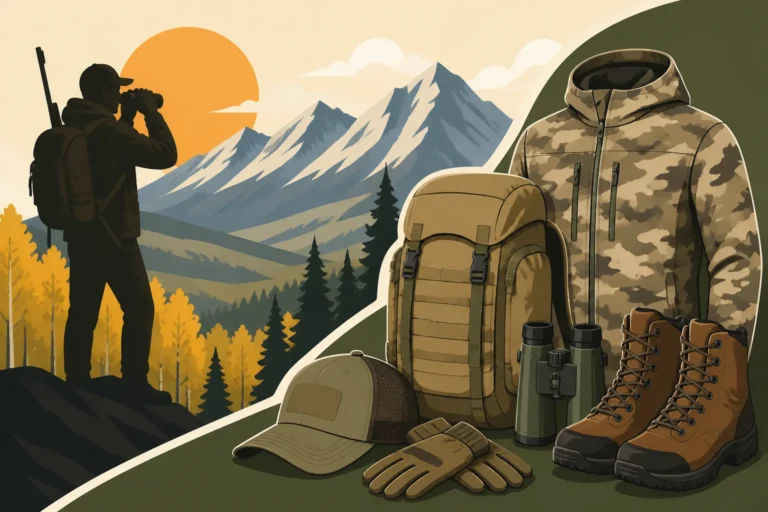
- Layered Clothing System: Colorado weather is unpredictable. You need moisture-wicking base layers, insulating mid-layers (fleece, puffy jacket), and a waterproof/windproof outer shell. Early season hunts can be warm, but late seasons can see heavy snow and bitter cold.
- High-Quality Boots: Invest in sturdy, waterproof, broken-in hiking boots with good ankle support. This is arguably your most important piece of gear. Look for options mentioned in Best Boots for Colorado Elk Hunting.
- Backpack: Even with an outfitter, you'll need a day pack for essentials, and a larger pack with a sturdy frame is vital if you'll be packing out any meat yourself. Best Backpack for a Colorado Elk Hunt can provide specific recommendations.
- Optics: Good binoculars and a spotting scope (if hunting open country) are essential for locating game.
- Navigation Tools: A reliable GPS device, a detailed map (like those from GoHunt's mapping features or onX Hunt), and a compass are non-negotiable. Don't rely solely on your phone.
- Game Bags: Durable, breathable game bags are crucial for protecting your meat from dirt, flies, and allowing it to cool.
- Knives and Sharpeners: You'll need a sharp, sturdy knife for field dressing and a way to keep it sharp.
- First-Aid Kit: A comprehensive kit for both minor injuries and more serious emergencies.
- Headlamp/Flashlight: With extra batteries.
- Water Purification: Filters or tablets are essential for staying hydrated in the backcountry.
Beyond these, consider specialized items like trekking poles for steep terrain, a rangefinder for accurate shots, and possibly a small saw for quartering. Being prepared with the right gear will not only make your hunt more enjoyable but also significantly increase your chances of a successful and safe meat harvest. For a comprehensive list, check out Colorado Backcountry Hunting Gear List.
Disclaimer
Hunting is an inherently dangerous activity. This guide provides general information and recommendations, but it is not a substitute for professional training, adherence to all Colorado hunting regulations, and personal responsibility. Always prioritize safety, respect wildlife, and leave no trace. Be aware of weather conditions and your physical limitations.