Colorado Unit Selection for Non-Residents
Navigating the vast array of Colorado's hunting units, or GMUs (Game Management Units), can feel like trying to solve a complex puzzle, especially when you're coming from out of state. Non-resident hunters often grapple with understanding the draw system, finding accessible public land, and making informed decisions without local knowledge, leading to frustration and uncertainty. This guide is designed to cut through that confusion, offering a clear path to selecting the right Colorado hunting unit for your next adventure.
Understanding Colorado's GMU System for Non-Residents
For non-residents, the Colorado hunting landscape can appear daunting. Unlike many states where licenses might be readily available, Colorado operates on a complex system of draws, preference points, and specific unit regulations that change frequently. It’s not just about picking a scenic spot on a map; it's about strategizing months, sometimes years, in advance.
The Challenge of Non-Resident Unit Selection
The biggest hurdle for non-residents is often a lack of on-the-ground familiarity. You don't know the terrain, the local elk movements, or where the pressure builds up during hunting season. This lack of intimate knowledge can lead to poor unit choices, resulting in hunts with low success rates or endless days chasing ghosts. Add to that the highly competitive draw system and the ever-evolving over-the-counter (OTC) tag landscape, and it's easy to see why many non-residents feel overwhelmed. The odds of drawing a coveted tag can be slim, and investing time and money without a solid plan can be disheartening.
Moreover, Colorado Parks and Wildlife (CPW) frequently adjusts regulations and unit designations, making it a moving target. What was a good unit last year might have new restrictions or significantly worse draw odds this year. Staying current with these changes is critical, and it often requires more dedicated research than resident hunters might undertake simply because their home turf is more familiar.
GMUs and Their Significance
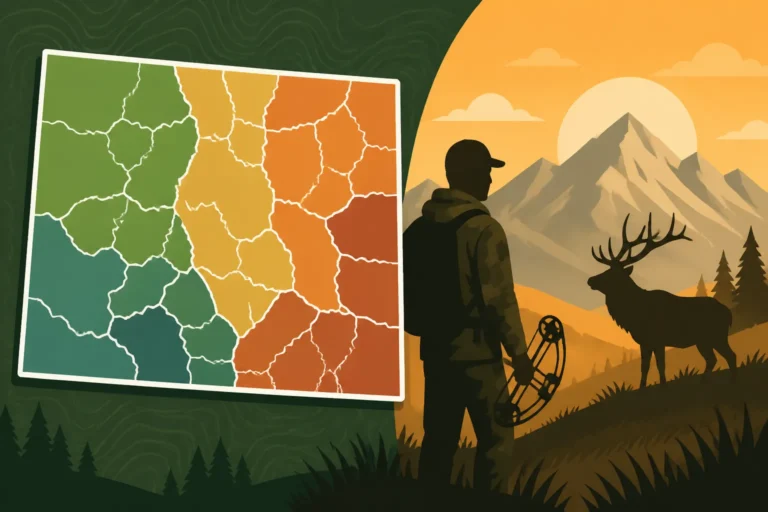
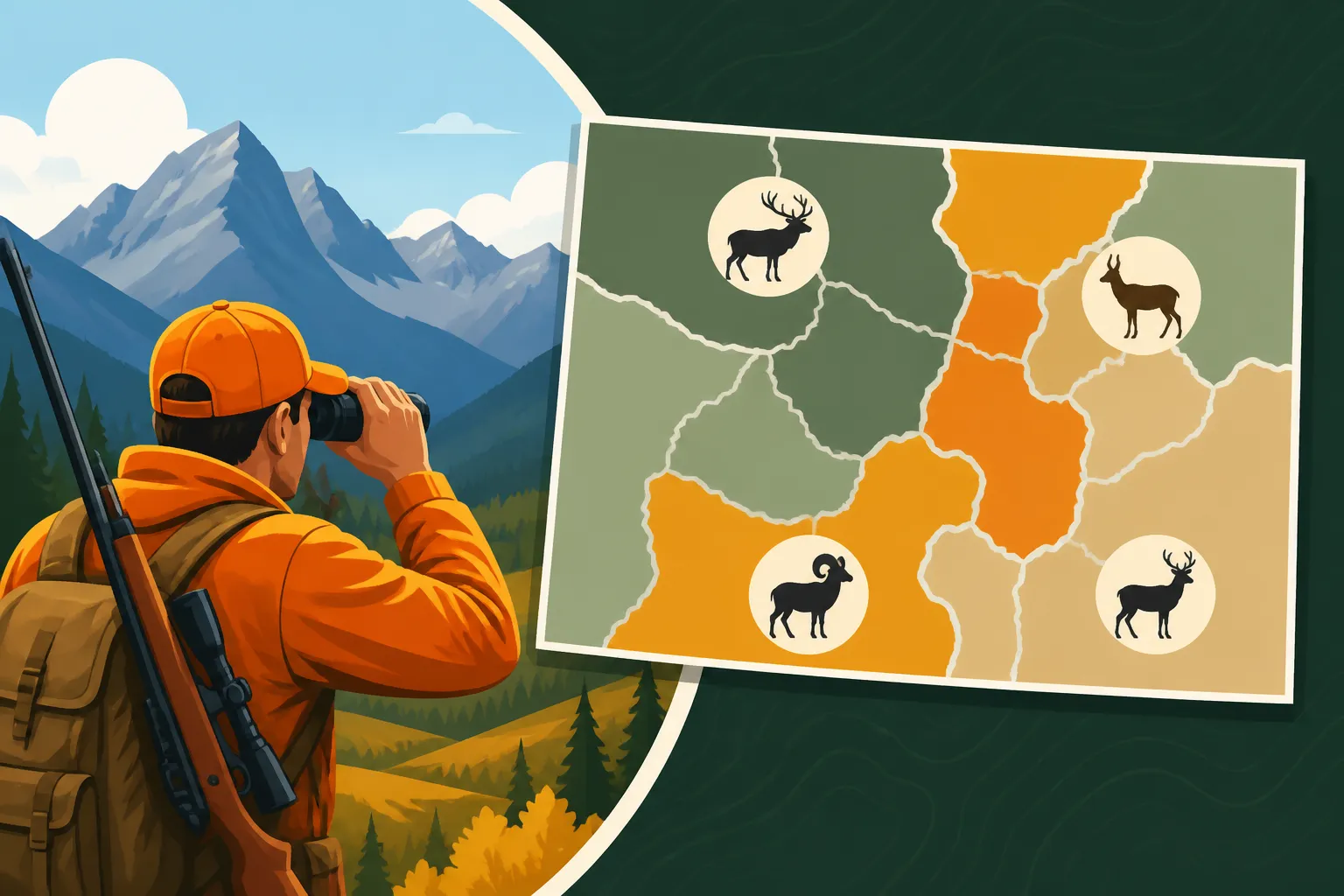
Colorado is divided into 180+ GMUs, each with its own unique characteristics regarding terrain, habitat, animal populations, and hunting regulations. For non-residents, understanding these units is paramount. A GMU is not just a boundary on a map; it's a microcosm of hunting opportunity. Some GMUs might be predominantly private land, making public access difficult. Others might boast vast national forest or BLM land, offering abundant public hunting opportunities.
The significance of GMUs extends to species management. Each GMU has specific harvest objectives for elk, mule deer, pronghorn, and other species. These objectives dictate the number and type of tags issued, influencing draw odds and OTC availability. For example, a GMU with a lower elk population might have very few, or no, antlered rifle tags available, making it a poor choice for a non-resident hoping to chase a bull. Conversely, units with healthy populations and challenging terrain might offer better opportunities for those willing to put in the work, even if success rates are lower due to the difficulty. Your choice of GMU will directly impact your likelihood of drawing a tag, finding game, and ultimately, having a successful hunt. This is why learning to How Colorado GMUs Work is essential.
Navigating the Colorado Draw and OTC Opportunities
Colorado's system of allocating hunting licenses is predominantly through a limited draw, especially for highly sought-after units and species. However, for some seasons and species, over-the-counter (OTC) licenses are still available, offering another avenue for non-residents. Understanding both is critical for successful unit selection.
The Preference Point System for Non-Residents
Colorado utilizes a preference point system for its limited draws. Essentially, you accrue one point for each year you apply for a limited license in a particular species but are unsuccessful in drawing it. These points accumulate and increase your chances in future draws. For a non-resident, building up preference points can be a long-term strategy, sometimes taking many years to draw a premier elk or mule deer tag in a high-demand unit. This often means sacrificing a year of hunting in Colorado to apply for points only.
For instance, drawing a good bull elk tag in a top-tier unit might require 10-20+ preference points, while a solid deer tag could be 5-15 points. Non-residents must be prepared for this investment of time. Understanding How Many Preference Points for Colorado Elk or deer, and the general draw odds for specific units, is crucial when deciding where to focus your efforts. Websites like GoHunt provide detailed draw odds and harvest data, allowing you to gauge the realistic number of points needed for various units. If you're new to the system, it's wise to apply for a point the first year, then use that time to research units that fit your point accumulation strategy.
Over-the-Counter OTC Considerations
For years, Colorado was a prime destination for non-residents seeking readily available OTC elk tags. However, the landscape has changed significantly. Starting in 2024, CPW implemented major changes, greatly reducing the availability of OTC antlered rifle elk tags, moving most of them to the draw. This was a direct response to concerns about overcrowding and herd management.
Currently, non-resident OTC opportunities are primarily limited to archery elk seasons (specific units), and some bear or small game seasons. While there may still be some OTC archery elk tags available in general units, hunters need to consult the most current CPW regulations meticulously. These tags often exist in units with larger public land portions but can also experience higher hunter pressure. For non-residents looking for a more immediate elk hunting opportunity, focusing on these remaining OTC archery options or exploring private land leases might be the only non-draw pathways for certain species. Always check the very latest regulations from CPW before making any plans, especially concerning Colorado OTC Elk Tags Explained.
Here's a quick comparison of Draw vs. OTC for non-residents:
| Feature | Limited Draw Tags (Non-Resident) | Over-the-Counter (OTC) Tags (Non-Resident) |
|---|---|---|
| Availability | High-demand units/species, better quality animals, specific seasons. | Limited units/seasons, primarily archery elk (check current regs). |
| Preference Points | Required for most desirable tags; can take years to accumulate. | Not required, available directly. |
| Planning Horizon | Long-term; apply months in advance, results in spring. | Shorter term; purchase close to season start (if available). |
| Hunter Pressure | Generally lower pressure in successful draw units. | Often higher pressure in accessible public land units. |
| Success Rates | Potentially higher due to lower pressure/better genetics. | Varies widely; can be challenging due to pressure. |
| Certainty of Hunt | No guarantee you'll draw; point system provides some predictability. | Guaranteed if purchased before sell-out; no draw uncertainty. |
| Cost | License fee plus application fee per year (even if not drawn). | License fee only. |
Key Factors in Selecting a Colorado GMU
Once you understand the draw system and OTC options, the real work of narrowing down a unit begins. This involves a deep dive into data, understanding the land, and honest self-assessment of your hunting style and goals.
Researching Unit Specifics and Success Rates
Don't just pick a unit because it looks good on a map or because a friend mentioned it. Thorough research is your best friend. Start by delving into CPW's harvest data, which provides statistics on success rates, hunter numbers, and elk or deer harvest numbers for each GMU over several years. This data can reveal trends: is the unit's success rate declining? Is hunter pressure increasing? This is where tools like GoHunt become invaluable, as they consolidate this data and often provide deeper analysis, including draw odds and unit breakdowns specifically for non-residents.
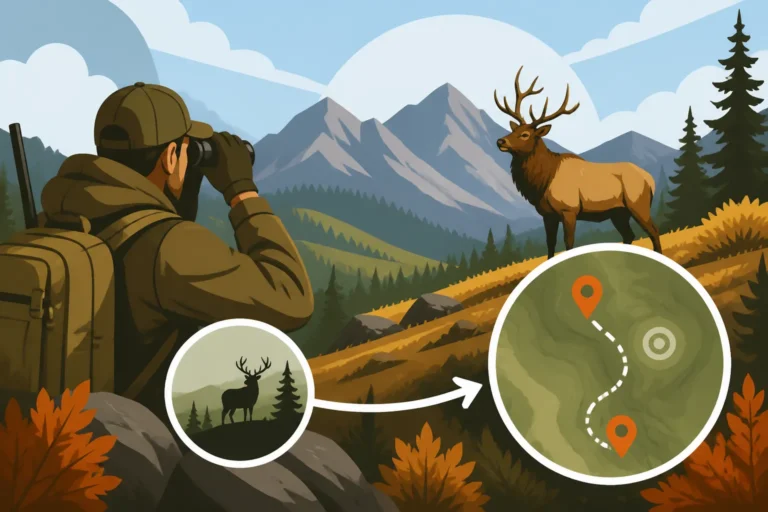
Beyond statistics, research the actual terrain and habitat of the unit. Is it primarily dark timber, open parks, or high alpine basins? What kind of elevation will you be hunting? Do you have the physical fitness for a Colorado Backcountry Hunting Guide in a rugged unit like GMU 76, or are you looking for something more accessible with roads like parts of GMU 40? Websites like onX Hunt are indispensable for this, allowing you to digitally scout units by layering public land boundaries, topo maps, and satellite imagery. Look for water sources, north-facing slopes where elk bed, and potential travel corridors. Understand the seasonal migration patterns if you're hunting during late seasons.
Balancing Hunter Pressure and Access
As a non-resident, one of the most frustrating aspects of public land hunting can be competing with other hunters. Colorado is popular, and public lands, especially those easily accessible by roads, can get crowded. When selecting a unit, consider its roadless areas and wilderness zones. Units with extensive wilderness areas, like the Flat Tops Wilderness within GMUs 12, 23, and 24, often mean fewer hunters willing to pack in far from trailheads. This is where researching How to Hunt Elk on Public Land Pressure becomes critical.
Access points are also vital. Are there multiple roads leading into the unit, or just a few? More access points can sometimes spread hunters out, but often they also mean more overall pressure. Consider looking for units with large tracts of public land, such as those within the White River National Forest or San Juan National Forest. Use onX Hunt to identify these public land boundaries and look for "landlocked" public parcels that might require more effort to reach, thereby reducing competition. Think about your tolerance for other hunters. If you want a truly solitary experience, you'll need to choose a tougher, more remote unit and be prepared for the physical challenge.
Matching Unit to Your Hunting Style and Goals
Are you chasing a trophy bull or simply looking for some delicious elk meat for the freezer? Are you a seasoned backcountry hunter, or is this your first foray into western hunting? Your personal goals and capabilities should heavily influence your unit choice.
- Trophy Hunting: If you're aiming for a record-book animal, you'll likely need to accumulate more preference points for specific, high-demand units known for producing larger bulls or bucks. These units often have stricter regulations (e.g., antler point restrictions) that help protect younger animals.
- Meat Hunting: For meat hunters, drawing a cow elk tag in an accessible unit might be a more achievable goal. These tags often require fewer preference points or may even be available OTC in some late seasons, offering a great way to fill the freezer without years of waiting.
- Backcountry vs. Front-Country: An experienced hunter comfortable with a Colorado DIY Elk Hunting Guide in remote wilderness will look at units very differently than someone who prefers to hunt closer to roads or from a comfortable base camp. Some units offer vast roadless areas, perfect for those seeking solitude and a true wilderness experience. Other units have extensive road systems, making daily access easier but potentially increasing competition.
- Weapon Choice: Your weapon choice also plays a role. Colorado Archery Elk Hunting Guide often provides more flexibility with OTC tags in certain units, while rifle seasons are typically more regulated and draw-heavy.
Practical Tools and Resources for Non-Resident Unit Selection
Making an informed unit selection requires leveraging the best available tools and official resources. These platforms empower you to virtually scout and analyze units from anywhere in the world.
Leveraging E-Scouting Platforms
E-scouting has revolutionized how non-residents prepare for a hunt. Platforms like onX Hunt and GoHunt are indispensable.
-
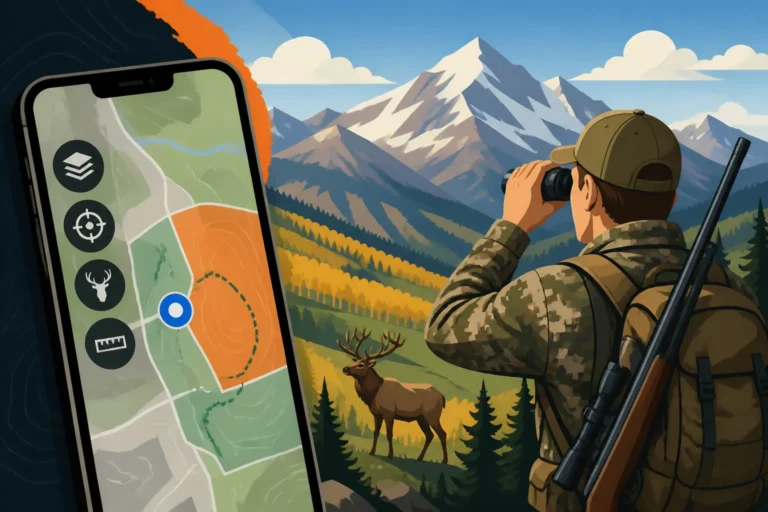
onX Hunt: This mobile and desktop app provides detailed mapping layers crucial for understanding a unit's topography, land ownership, and access. You can identify public vs. private land, wilderness boundaries, roads, trails, water sources, and even historical fire data (which can be a boon for elk habitat). For a non-resident, onX Hunt allows you to spend hours virtually exploring a unit, identifying potential bedding areas, feeding grounds, and travel corridors before you ever set foot on Colorado soil. This is invaluable for planning routes, locating potential camping spots, and understanding the lay of the land. It’s a vital tool for How to E-Scout Before a Colorado Hunt.
-
GoHunt: While onX focuses on mapping, GoHunt (especially its Insider membership) specializes in data analysis for Western big game draws. For Colorado, it provides comprehensive draw odds, harvest statistics, unit overviews, and detailed breakdowns of preference point requirements for various units and species. As a non-resident, you can use GoHunt to research which units are realistic for your current preference point total, identify units with better draw odds for OTC tags, and compare harvest success rates between different GMUs. Their "Filtering 2.0" tool is particularly helpful for narrowing down units based on your specific criteria, such as public land percentage, trophy potential, and access types.
Colorado Parks and Wildlife (CPW) Resources
No matter what third-party tools you use, the official CPW website is your ultimate source of truth for regulations, season dates, and unit-specific information.
-
Colorado Hunting Atlas: This interactive mapping tool on the CPW website is free and provides a wealth of information, including public land boundaries, GMU lines, and habitat data. While perhaps not as user-friendly as onX Hunt for detailed topography, it's essential for verifying official boundaries and accessing state-specific data.
-
CPW Draw Statistics and Hunt Guides: Each year, CPW publishes detailed draw statistics that show how many applicants applied for each unit, how many preference points were required to draw, and the overall success rates. This is the raw data that GoHunt and other services analyze. Always cross-reference any third-party information with the official CPW publications to ensure you have the most up-to-date and accurate information. Additionally, CPW's annual big game brochure contains all the legal rules, regulations, and season dates you'll need to know for your specific hunt, including any Colorado OTC Archery Elk Units for Non-Residents that might still exist. It's not the most exciting read, but it's absolutely critical to avoid legal mishaps. Understanding Colorado Hunting Seasons Explained directly from the source is always best.
Disclaimer
The information provided in this guide is for general informational purposes only and is subject to change. Hunting regulations, season dates, draw odds, and license availability are determined by Colorado Parks and Wildlife (CPW) and can be updated annually. Always consult the most current official CPW regulations and brochures before making any hunting plans or purchasing licenses. Success in hunting is never guaranteed and depends on numerous factors including skill, effort, and luck.