Best Colorado Units for Horseback Hunting
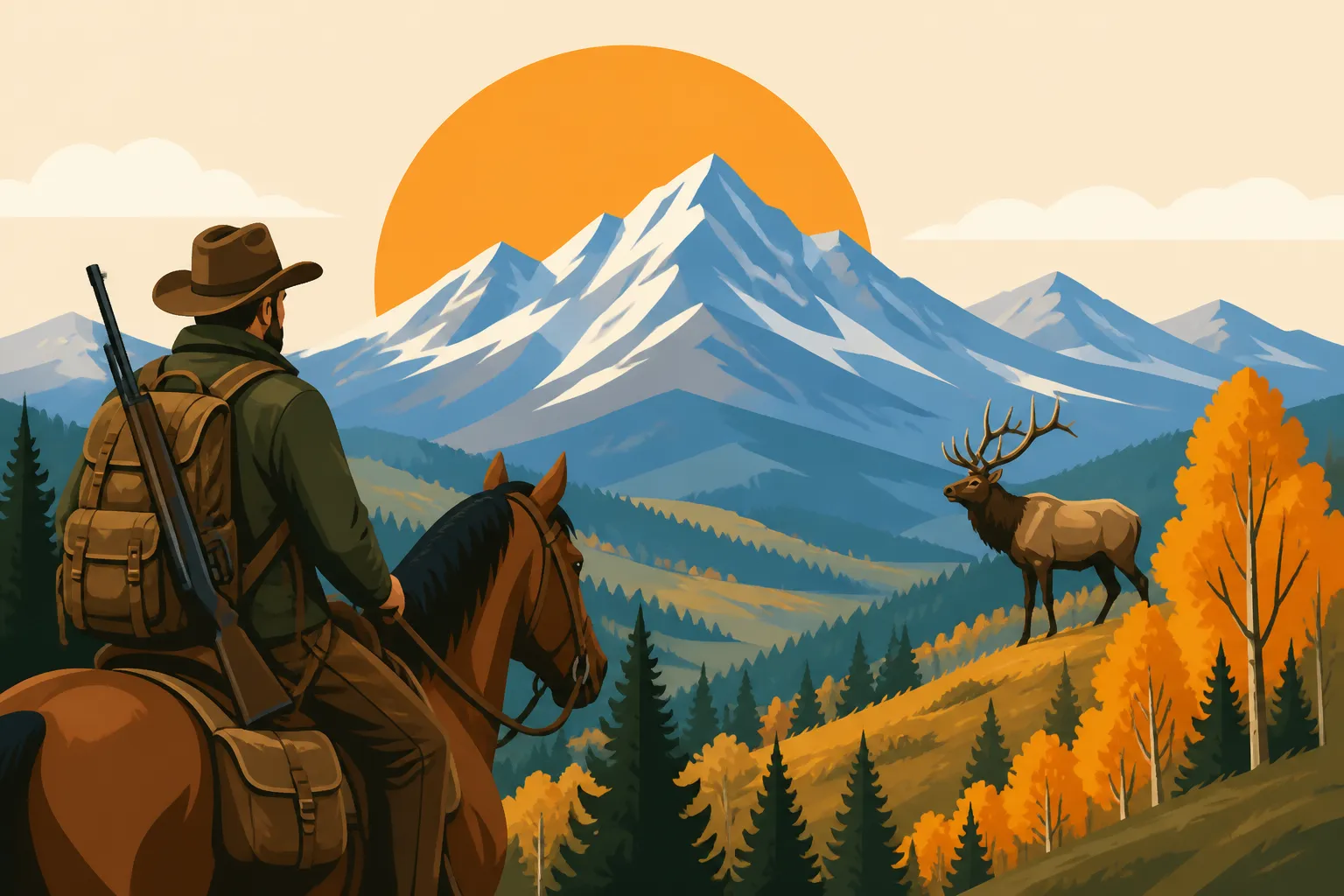
Trying to find those remote honey holes in Colorado, the ones far from the road hunters and the crowds, can feel like an impossible task when you're on foot. The sheer scale and ruggedness of the Colorado mountains often mean prime elk country is just too deep to reach efficiently, or packing out an animal becomes a nightmare. This guide is all about unlocking those untouched areas by leveraging the power of horseback hunting, exploring the best units to make your equine-assisted adventure a reality.
Why Horseback Hunting in Colorado is a Game Changer
Let's be honest, hunting Colorado's vast public lands can be physically demanding, even for the most seasoned hunter. Miles of steep ascents, thick timber, and packing out a heavy animal can break even the toughest spirits. This is where horses truly shine, transforming what might be a grueling, inaccessible trip into a much more manageable and rewarding experience. They’re not just transportation; they're an essential part of the hunting strategy in many parts of the state.
Accessing Remote Backcountry
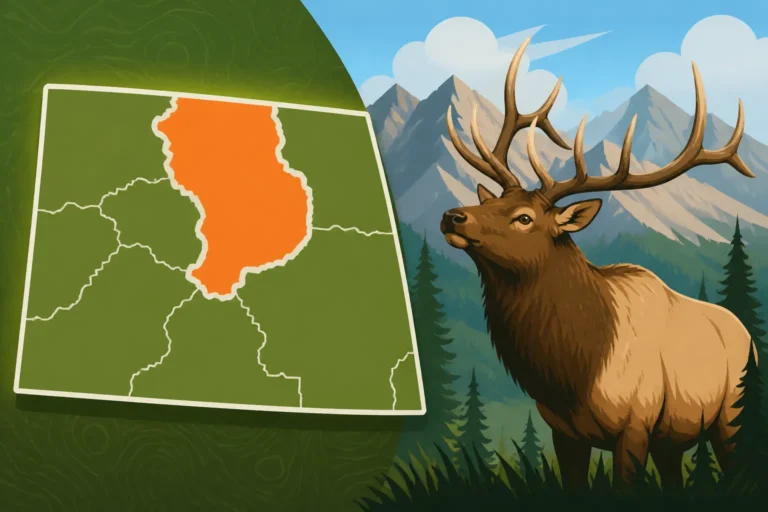
Imagine a map of a Colorado hunting unit. You'll see roads, trails, and then vast swathes of green indicating national forest or BLM land. The areas furthest from roads often hold less pressured game, but getting there is the challenge. Wilderness areas, for example, strictly forbid motorized travel, making horses and mules the only practical way to penetrate deep into these vast, untamed landscapes. With a string of horses, you can push miles deeper than foot hunters, often reaching basins and ridges that see minimal human disturbance. This means you're more likely to find mature animals that haven't been pushed around by other hunters. A truly productive Colorado Backcountry Hunting Guide will often mention the role of horses in reaching these areas.
Efficient Game Retrieval
This is perhaps the single biggest advantage of hunting with horses: the ability to pack out an elk or a mule deer with relative ease. A mature bull elk can weigh upwards of 700 pounds, and trying to get that meat back to the trailhead, especially solo or with a small group, can take days of back-breaking labor. I've been there, quartering an animal in the dark, knowing I'd have to make multiple trips with a heavy pack. With pack animals, you can load quarters, head, and hide onto your trusty steed, making a single trip that would otherwise require several arduous treks. This not only saves your body but also ensures your meat gets off the mountain quicker, which is crucial for preservation, especially in warmer early seasons. Knowing How to Pack Out an Elk in Colorado becomes a much simpler proposition with horses.
Conserving Hunter Energy
Hunting Colorado is an endurance sport. The high altitude, rugged terrain, and often unpredictable weather demand peak physical condition. By letting horses carry you and your heavy gear up those punishing inclines, you save your energy for the actual hunting. Instead of arriving at your glassing point or ambush location completely gassed, you're fresh, alert, and ready to focus on the task at hand. This also extends your hunting day, allowing you to cover more ground and spend more time actively pursuing game, rather than just recovering from the hike in. Think about being able to make a quick move on a distant bull after spotting him, rather than needing an hour to catch your breath.
Key Factors for Choosing Horseback Hunting Units
Not all Colorado hunting units are created equal when it comes to horseback hunting. There are specific characteristics you should look for to ensure both your safety and success, as well as the well-being of your equine partners. Overlooking these details can turn an exciting adventure into a logistical nightmare.
Terrain and Accessibility
The ideal unit for horseback hunting in Colorado offers a balance of open country for spotting and timbered areas for cover, all with terrain that's navigable for horses. Extremely steep, rocky, or cliff-ridden units might be challenging or even dangerous for horses, especially when loaded down with game. Look for units with established trail systems, even if they're rugged, as these indicate historically traversable routes.
- Gentle vs. Rugged: Units with more gradual slopes and less technical terrain are generally safer and more enjoyable for horses. However, some of the best elk country is rugged, so it's about finding that balance. Areas with extensive old logging roads or well-maintained forest service trails are excellent starting points.
- Tree Cover and Visibility: While dense timber offers cover for game, it can make navigating on horseback tricky, especially off-trail. Units with a mix of dark timber, aspen groves, and open parks or burns provide varied habitat and easier travel routes. Using tools like
onX Huntcan be incredibly helpful here, allowing you to scout terrain features, identify potential travel corridors, and mark water sources from the comfort of your home. You can switch between satellite imagery and topographic maps to assess the steepness and cover. - Road Access vs. Wilderness: Consider how far you want to pack in. Some units have decent trailheads accessible by truck, allowing for shorter pack-ins, while others require extensive travel through designated wilderness areas. If you're looking for true solitude, focus on units with large wilderness components, understanding that vehicle access will be limited, and the pack-in might be significant.
Water Sources and Forage for Horses
Horses need consistent access to water and forage, especially on multi-day pack-in trips. You can't just throw them in the back of a truck and forget about them. Planning your camp locations around reliable water and adequate grazing is paramount for their health and your overall trip success.
- Water Availability: High-elevation units often have abundant water sources from snowmelt and springs, but lower, drier units can be sparse. Use maps to identify creeks, rivers, and high-country lakes. Always have a backup plan or the means to carry water for your horses if needed. Dehydrated horses are a serious problem.
- Forage Quality and Quantity: Your horses will need to graze, so look for units with meadows, open parks, or old burns that offer good quality grass. You might also consider packing in supplemental feed if the forage is questionable or to ensure your horses have enough energy for the work ahead. Be aware of noxious weeds that can be harmful to horses. It's often required to feed certified weed-free hay in national forests and wilderness areas, so check regulations beforehand.
- Camp Locations: Identifying potential camp spots with good water and forage before you leave home is a crucial part of How to E-Scout Before a Colorado Hunt. You don't want to arrive at your destination exhausted, only to find you can't properly care for your horses. Look for flat areas near water and open spaces on your maps.
Hunter Pressure and Wilderness Designations
One of the main reasons to go horseback hunting is to escape the crowds. Units with extensive wilderness areas or large roadless tracts naturally filter out many hunters, creating a more remote experience.
- Wilderness Areas: Colorado boasts numerous wilderness areas like the Flat Tops Wilderness, Maroon Bells-Snowmass Wilderness, and Weminuche Wilderness. These are prime candidates for horseback hunting because they prohibit motorized vehicles, making horses the only practical way to cover significant ground deep inside. You'll find fewer hunters and often more mature animals here. Exploring Colorado Wilderness Area Hunting options can be very rewarding.
- Roadless Areas: Beyond official wilderness, many national forests contain vast "roadless" areas that offer similar advantages. These are simply areas where roads haven't been built, creating large tracts of undeveloped land. While they might not have the same strict regulations as wilderness areas, they still require significant effort to access, making them ideal for horses.
- Hunter Density: Researching hunter density and success rates for different units, often available through resources like
GoHunt, can help you identify areas where you're less likely to bump into other parties. High-preference point units often mean high hunter density, but if those hunters are concentrated near roads, the backcountry can still be wide open for horseback hunters.
Top Colorado Units Known for Horseback Hunting
Colorado offers a plethora of units suitable for horseback hunting, but some stand out due to their vastness, terrain, and reputation for offering excellent opportunities to get away from it all. These areas tend to have the kind of expansive terrain and trail systems that make horse packing a joy rather than a chore.
Western Slope Giants: White River and Flat Tops
These two areas are legendary for elk hunting in Colorado, and for good reason. They are home to some of the largest elk herds in North America, and their expansive public lands are perfectly suited for horseback adventures.
- White River National Forest (GMUs 12, 23, 24, 25, 26, 33, 34, etc.): This forest is enormous and incredibly diverse, offering everything from dark timber to open sagebrush parks. The Flat Tops Wilderness Area within the White River National Forest is a particular hotspot for horseback hunters. Its name comes from its distinct flat-topped mesas, which are surrounded by steep, timbered slopes. This area has an extensive network of trails, abundant water, and excellent high-country meadows for grazing. You can access it from trailheads near Meeker, Rifle, or Yampa. The sheer size means even during busy rifle seasons, you can find solitude if you're willing to pack in a few miles. Many hunters will target the early archery or muzzleloader seasons here to take advantage of the elk still in their summer patterns in the high country, where horses are invaluable.
- Access Points and Strategies: Access points like those off the Flat Tops Trail Scenic Byway (County Road 132/Forest Road 16) can get you into the heart of this vast wilderness. You'll often be riding in on well-worn trails that open up into massive basins. This is prime country for Spot-and-Stalk Hunting in Colorado once you've set up a remote camp. Look for wallows and transition areas between bedding and feeding.
Southern San Juans: Rugged and Rewarding
The San Juan Mountains in Southwest Colorado are known for their breathtaking beauty, towering peaks, and extremely rugged terrain. While demanding, they offer some of the most remote and rewarding horseback hunting experiences.
- Weminuche Wilderness (GMUs 76, 77, 78, 79, 791, 75, 751): This is Colorado's largest wilderness area, encompassing over half a million acres. It's a land of jagged peaks, deep valleys, and pristine alpine lakes, making it perfect for multi-day pack trips. The elk here are often found at higher elevations, especially during the early seasons, and horses are essential for reaching these areas and packing out game from steep terrain. Areas around Durango, Pagosa Springs, and Creede offer access points.
- Challenges and Opportunities: The San Juans present unique challenges, including unpredictable weather, extremely steep trails, and potential for rock slides. However, the reward is an unparalleled wilderness experience and the chance at a trophy bull that rarely sees human pressure. Success here often comes down to dedication and sound preparation, including training your horses for strenuous mountain travel. This area demands a deep understanding of How to Hunt Elk at High Elevation.
North Central Wilderness: Routt and Arapaho National Forests
Heading north, the Routt and Arapaho National Forests provide another set of excellent options for horseback hunting, particularly within their wilderness designations.
- Mount Zirkel Wilderness (GMUs 4, 5, 6, 17, 18, 171, 181): Located within the Routt National Forest near Steamboat Springs and Walden, the Mount Zirkel Wilderness is another vast and rugged area. It's characterized by dense forests, alpine lakes, and expansive meadows, making it excellent for horses. Elk often find refuge in its remote canyons and high basins. The deep timber and ruggedness mean that once you're a few miles in, you'll feel completely isolated.
- Rawah Wilderness (GMU 19): Further east, nestled in the northern Front Range, the Rawah Wilderness within the Roosevelt National Forest offers a smaller but equally challenging and rewarding horseback hunting experience. While closer to populated areas, its ruggedness keeps many hunters out. Access points near Cameron Pass can lead you into this pristine high country.
- Strategic Advantages: These units often receive significant snowfall, which can push elk to lower elevations in late seasons, but during archery or early rifle, they're typically holding high. Being able to ride in and out of the timber, and cover ground quickly to find active feeding or bedding areas, is a huge advantage here.
Essential Considerations for Your Horseback Hunt
Bringing horses into the Colorado backcountry isn't just about saddling up and going. It requires meticulous planning, the right gear, and a deep understanding of both hunting and horsemanship.
Gear and Horse Preparation
Your gear list for a horseback hunt will be more extensive than a typical backpack hunt, and your horses need to be just as prepared as you are.
- Horse Conditioning: Just like you need to be physically ready for a Colorado Elk Hunt Fitness Plan, your horses need to be in excellent shape. They should be accustomed to mountain trails, crossing streams, and handling various terrains. Practice long rides with full packs beforehand.
- Tack and Pack Systems: Invest in quality saddles, bridles, and pack saddles. Ensure everything fits properly to prevent sores or injuries to your horses. Experienced packers often use specialized panniers and top packs designed for securely carrying hunting gear and quarters. You'll need ropes, cinches, and probably a diamond hitch or similar knowledge.
- First Aid and Farrier Kit: Carry a comprehensive first aid kit for both humans and horses. This includes wound care supplies, wraps, pain relievers, and any specific medications your horses might need. A basic farrier kit with a rasp, nippers, and extra shoes/nails can be a lifesaver if a horse throws a shoe deep in the backcountry.
- Navigation Tools: While
onX Hunton your phone is invaluable, always carry a backup. A GPS device and a physical map and compass are non-negotiable. Knowing the lay of the land, marking water sources, and understanding your position relative to trails and wilderness boundaries is critical. - Weight Management: Every pound counts. While horses carry more than you, overpacking can still strain them. Prioritize essential gear, lightweight camping equipment, and enough provisions for the duration of your trip. Consult a Colorado Backcountry Hunting Gear List and adapt it for horse packing.
Logistics and Camp Setup
Planning your route, entry/exit points, and camp strategy is more complex with horses.
- Trailhead Access: Research specific trailheads suitable for horse trailers. Some trailheads have limited parking, or the access roads might be unsuitable for larger rigs. Ensure there's enough space to safely unload and load your horses.
- Spike Camp vs. Base Camp: Decide whether you'll establish a central base camp and hunt from there, or if you'll set up smaller spike camps deeper in. A base camp might involve a wall tent and more amenities, while a spike camp will be lighter and more mobile. Consider How to Set Up a Colorado Drop Camp if you want to get supplies deep into the backcountry without needing to ride the entire time yourself.
- Regulations and Permits: Always check Colorado Parks and Wildlife (CPW) and Forest Service regulations for specific wilderness areas or national forests. There might be restrictions on group size, certified weed-free hay requirements, or fire restrictions. Knowing your unit's rules, like those governing Colorado Hunting Seasons Explained, is vital for a legal and ethical hunt.
Navigating and Safety
Mountain travel, especially with animals, comes with inherent risks. Being prepared for emergencies is paramount.
- Weather Awareness: Mountain weather can change in an instant. Be prepared for sudden thunderstorms, hail, snow, and extreme temperature swings. Carry appropriate layers and rain gear. A drastic weather change can impact both human and animal safety.
- Trail Etiquette and Safety: Be mindful of other trail users – hikers, mountain bikers, other hunters. Communicate clearly, especially around blind corners. Always ensure your horses are trained to handle encounters with wildlife, including elk, deer, and even bears. A spooked horse can be dangerous.
- Emergency Plan: Have a detailed emergency plan. This includes carrying a satellite messenger (like a Garmin inReach or Zoleo) for communication outside of cell service, knowing basic first aid for both humans and horses, and having a clear plan for what to do in case of an injury or a lost animal. Leave your itinerary with someone reliable back home.
Here's a quick look at some potential horseback hunting units and their characteristics:
| GMU Cluster / Area | Primary National Forest / Wilderness | Key Features for Horseback Hunting | Terrain Type | Typical Hunter Pressure (Backcountry) | Notes |
|---|---|---|---|---|---|
| Flat Tops (GMUs 12, 23, 24) | White River National Forest / Flat Tops Wilderness | Expansive high-elevation plateaus, abundant water, good forage, extensive trail network. | Mixed: Flat-topped mesas, steep timbered slopes, open parks. | Moderate to High (but can escape deep) | Popular, but sheer size and wilderness areas allow for escape. Excellent for multi-day pack trips. Prime Colorado Elk Hunting Guide country. |
| San Juan (GMUs 76, 77, 78) | San Juan National Forest / Weminuche Wilderness | Colorado's largest wilderness, extremely rugged, high elevation, remote, pristine. | Very Rugged: Jagged peaks, deep valleys, steep trails. | Low to Moderate | Demanding, but offers exceptional solitude and potential for trophy animals. Requires well-conditioned horses and experienced riders. Ideal for those seeking true Colorado DIY Elk Hunting Guide in the wilderness. |
| Routt (GMUs 4, 5, 17, 18) | Routt National Forest / Mount Zirkel Wilderness | Dense timber, alpine lakes, expansive meadows, good for early season high country elk. | Rugged: Heavily timbered slopes, high basins, exposed ridges. | Moderate to High | Great for finding elk in dark timber or high basins. Can be very wet. |
| Rawah (GMU 19) | Roosevelt National Forest / Rawah Wilderness | Closer to Front Range, but very rugged and remote due to wilderness status. | Very Rugged: Steep climbs, high alpine, dense forests. | Low | Smaller wilderness area, but provides a challenging and rewarding close-to-home option for dedicated horseback hunters. |
Remember, a successful horseback hunt is a blend of good horsemanship, thorough scouting, and a solid hunting strategy. It allows you to unlock areas of Colorado that remain hidden gems for many, offering an experience that is truly unforgettable.
Disclaimer
Hunting is an inherently dangerous activity. This article is for informational purposes only and does not endorse or encourage unsafe practices. Always prioritize safety, understand and adhere to all Colorado Parks and Wildlife regulations, and be physically and mentally prepared for your hunt. Consult official sources for the most current rules and requirements before planning any hunting trip.