Hunting the Sangre de Cristos
Dreaming of hunting the majestic Sangre de Cristos in Colorado often comes with a dose of stark reality – these mountains are breathtakingly beautiful but notoriously challenging. The thin air, steep terrain, and elusive game can quickly turn a dream hunt into a grueling test of endurance. Many hunters arrive with high hopes, only to be overwhelmed by the sheer scale and physical demands of this range. But don't despair; this guide is here to equip you with the knowledge and strategies to truly tackle hunting in the Sangre de Cristos, transforming those challenges into a deeply rewarding experience.
Understanding the Rugged Sangre de Cristos Landscape
The Sangre de Cristo Mountains, meaning "Blood of Christ" in Spanish, get their name from the stunning red alpenglow often seen at sunrise and sunset. But their beauty is matched only by their raw, unforgiving nature. This long, narrow range stretches across southern Colorado and into northern New Mexico, forming a formidable spine of jagged peaks, many topping 13,000 and 14,000 feet. For hunters, this means an immense amount of vertical gain, sparse road access, and vast stretches of wilderness where game can disappear without a trace.
Geographic Features and Game Management Units
The Sangre de Cristos are characterized by incredibly steep, rocky slopes, deep canyons carved by ancient glaciers, and a mix of timberline country that quickly gives way to alpine tundra. You'll find dense spruce and fir forests clinging to north-facing slopes, while south-facing aspects might be more open with aspens and scrub oak at lower elevations. Understanding this mosaic of habitats is crucial, as elk and deer will utilize different zones based on time of year, weather, and hunting pressure.
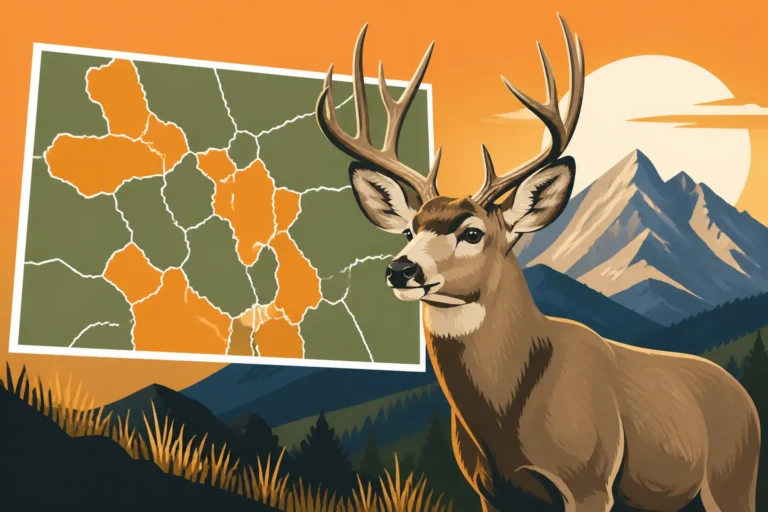
When it comes to Game Management Units (GMUs), the Sangres encompass several, notably units like 86, 861, 84, and portions of 681 and 69. Each of these units will have different public land percentages, terrain features, and draw odds for limited tags. For instance, GMU 86, often referred to as the Spanish Peaks unit, offers diverse terrain from rolling foothills to high peaks. GMU 84, farther south, leans into the truly rugged, remote wilderness that defines much of the range. Hunters often find themselves navigating a patchwork of National Forest land (like the San Isabel and Rio Grande National Forests), BLM land, and private holdings. Knowing these boundaries is paramount, and tools like onX Hunt are indispensable for identifying public access points and property lines, saving you from accidental trespassing and helping you pinpoint key hunting corridors.
Climate, Weather, and Seasonal Variations
One of the biggest frustrations for hunters in the Sangre de Cristos is the unpredictable and often extreme weather. While a bluebird day might start with a crisp, inviting chill, conditions can turn on a dime. Afternoon thunderstorms are common in the early seasons, bringing lightning and torrential downpours. As fall progresses, these storms can quickly morph into heavy snowfalls, even in September. I've been caught off guard more times than I care to admit, hiking out in a blizzard that seemed to appear out of nowhere.
Temperature swings are dramatic, with warm, sunny days often plummeting to freezing temperatures at night, especially at higher elevations. This constant fluctuation impacts everything from your clothing layers to how elk and deer move. Early season hunts might see animals higher up, scattered in smaller bachelor groups, while late-season cold fronts and heavy snow will push them down to lower, south-facing slopes in search of forage and thermal cover. This understanding of how weather influences migration and bedding behavior is critical for success and informs when to begin How to Hunt Colorado Late-Season Migration. Always check multiple weather forecasts, but be prepared for the unexpected; the mountains have their own agenda.
Prime Species and Hunting Opportunities
The Sangre de Cristos are a big game hunter's paradise, offering opportunities for elk, mule deer, and even black bear. While the density of game might not be as high as some of Colorado's more renowned units, the quality and challenge are second to none. Many hunters come here seeking a true wilderness experience, far from the crowds, and are willing to put in the effort for a hard-earned animal.
Elk Hunting in the Rugged Backcountry
Elk are the primary draw for many hunters venturing into the Sangre de Cristos. These mountains hold a healthy population of elk, and while they might not be as numerous in some areas as the herds in the Flat Tops, the bulls you find here are often mature and well-earned. Early archery and muzzleloader seasons offer the chance to pursue elk when they are still relatively high in elevation, often in the spruce-fir thickets just below timberline or in sprawling alpine basins. This kind of hunting is incredibly physical, demanding intense glassing and silent stalk skills. Check out our Colorado Archery Elk Hunting Guide for more specific tactics.
As the rifle seasons progress, especially during the later phases, elk will typically begin to move down into denser timber and south-facing slopes, seeking refuge from deeper snow and colder temperatures. The key to finding them often lies in covering a lot of ground, looking for fresh sign in transition areas, and being prepared for a long pack out from remote locations. Understanding how to navigate the steep, dark timber and effectively still-hunt those areas is crucial, as discussed in How to Hunt Elk in the Dark Timber. For those dreaming of a bull, remember that even an Over-the-Counter (OTC) tag can lead to success here, but it demands tenacity.
Mule Deer and Other Game Pursuits
Mule deer are another highly sought-after species in the Sangre de Cristos. While elk often prefer the dark timber, mule deer are more commonly found in the more open, broken country, aspen groves, and rocky slopes at various elevations. Early season bucks might be high on summer ranges, feeding on lush forbs in the alpine, making for some incredible high-country spot-and-stalk opportunities. Later in the season, during the second and third rifle hunts, they too will descend to lower elevations, often concentrating in pockets of oak brush or pinyon-juniper at the base of the mountains.
Beyond elk and mule deer, hunters can also pursue black bear in the Sangres. These mountains offer excellent bear habitat, with their diverse vegetation providing ample food sources like berries and acorns. Bear tags are often available as an add-on to deer or elk licenses, or sometimes even OTC. Always check the specific regulations and season dates for the units you plan to hunt. While less common, the Sangres also harbor small, highly coveted populations of bighorn sheep and mountain goats, though drawing a tag for these species is a once-in-a-lifetime endeavor requiring many preference points. For a comprehensive overview of dates, see our Colorado Hunting Seasons Explained.
Here's a quick look at general seasons and species in the Sangres:
| Species | Typical Habitat | Archery Season | Muzzleloader Season | Rifle Season (Draw/OTC) | Key Considerations |
|---|---|---|---|---|---|
| Elk | High alpine, spruce-fir timber | Late Aug – Late Sept | Mid-Sept | Oct – Nov (4 seasons) | Very physical, listen for bugles, find dark timber refuge |
| Mule Deer | Open slopes, aspen, high country | Late Aug – Late Sept | Mid-Sept | Oct – Nov (4 seasons) | Glassing is key, look for pockets of cover |
| Black Bear | Diverse, food-rich areas | Early Sept – End Sept | Mid-Sept (overlaps) | Oct – Nov | Usually taken opportunistically while elk/deer hunting |
Note: Specific season dates and tag types vary by GMU and year. Always consult the current Colorado Parks and Wildlife (CPW) regulations.
Strategies for Success in Rugged Terrain
Hunting the Sangre de Cristos isn't just about finding game; it's about conquering the landscape itself. These mountains will test your physical and mental limits, but with the right strategies and preparation, they offer an unparalleled hunting experience. The key is to embrace the challenge and prepare meticulously for every eventuality.
Navigating High Elevations and Steep Grades
The sheer verticality of the Sangre de Cristos is often the most significant hurdle for hunters. Many of the best hunting spots are well above 10,000 feet, and getting there often involves thousands of feet of elevation gain. This thin air is no joke, and altitude sickness can quickly derail a hunt. I've seen strong hunters brought to their knees by headaches, nausea, and extreme fatigue. Prioritizing physical fitness well before your hunt is non-negotiable. Activities like hiking with a weighted pack, running, and stair climbing are excellent ways to prepare your body for the rigors of mountain hunting. It's also wise to arrive a few days early to allow your body to acclimate to the elevation. Check out our How to Physically Prepare for Colorado Elk guide for a detailed fitness plan.
Beyond physical conditioning, smart navigation is critical. The terrain is often steep, rocky, and can be treacherous, especially in wet or snowy conditions. High-quality hiking boots with excellent ankle support are essential. Trekking poles are not optional; they save your knees, aid balance on steep descents, and help you gauge terrain when visibility is low. Moving quietly through this kind of country requires patience and deliberate steps, especially when ascending or descending steep, loose shale. Understanding How to Hunt Elk at High Elevation means mastering movement and energy conservation in this demanding environment.
E-Scouting and On-the-Ground Tactics
Before you even set foot in the Sangre de Cristos, comprehensive e-scouting is your best friend. Tools like onX Hunt are invaluable for pouring over topographic maps, identifying potential bedding areas, feeding zones, water sources, and travel corridors. I spend hours looking for north-facing timber for bedding, south-facing slopes for winter range or late-season feeding, and natural funnels or saddles that elk and deer might use. You can mark potential glassing knobs and escape routes. Another excellent resource is GoHunt, which provides detailed draw odds, unit analyses, and harvest data, giving you a statistical edge in understanding unit potential. This pre-hunt research helps you narrow down vast areas and develop a solid game plan. Learning How to E-Scout Before a Colorado Hunt can save you days of unproductive hiking.
Once on the ground, glassing is your most powerful tool. The open nature of much of the high country and the steep canyons make powerful binoculars (10×42 or 12×50) and a quality spotting scope (for distant animals) indispensable. Find a good vantage point at first light and last light, and meticulously pick apart the opposite slopes. Elk and deer can blend in surprisingly well. Look for subtle movements, a horizontal line in a vertical world, or the flick of an ear. When you spot an animal, the challenge then becomes closing the distance. This often involves navigating significant terrain, playing the wind and thermals, and moving extremely slowly and deliberately. For archery hunters, mastering Colorado Elk Hunting: Calling Tactics can be the difference between success and a frustrating encounter.
Essential Gear and Logistics for a Successful Hunt
Preparing for a hunt in the Sangre de Cristos goes far beyond just buying a license. The remote nature of many prime hunting areas means you need to be self-sufficient and prepared for any situation. A well-thought-out gear list and a robust logistical plan are critical components of a successful and safe hunt.
Packing Smart for the Backcountry
Every ounce counts when you're hiking into the Sangres, especially if you're planning a multi-day backcountry hunt. Your gear needs to be lightweight, durable, and reliable. Layering is key for clothing due to the rapid temperature swings; wool or synthetic base layers, insulating mid-layers, and a waterproof/windproof outer shell will protect you from the elements. Don't skimp on a quality sleeping bag and pad – cold nights in the high country are miserable without proper insulation.
A reliable backpacking tent or a sturdy bivy sack is essential for shelter. For water, always carry a good filter or purification tablets, as mountain streams are abundant but not always safe to drink directly. Navigation tools like your onX Hunt app, a GPS device, and a physical map and compass are non-negotiable backups. Headlamps, a first-aid kit, fire-starting supplies, and emergency signaling devices are also critical. Remember, you might be miles from the nearest road, and self-reliance is paramount. Our Colorado Backcountry Hunting Gear List offers a comprehensive rundown of what you'll need. Always think about the "what if" scenarios: what if you get injured, what if the weather turns, what if you get lost? Having redundant systems and enough supplies for an extra day or two can be a lifesaver.
Planning Your Expedition and Safety
Whether you're planning a day hunt from a base camp or a week-long backpack trip, meticulous planning is vital. If setting up a base camp, consider vehicle access and proximity to your hunting grounds. Many trailheads in the Sangres are at high elevations, reducing the vertical climb but increasing exposure to the elements. For those venturing deep, a spike camp or a fully self-supported backpacking hunt can significantly increase your time in prime elk and deer country. Learn How to Plan a Colorado Backpack Hunt to make the most of your time.
Communication is another critical safety factor. Cell service is virtually nonexistent in most of the Sangre de Cristos. A satellite messenger device, such as a Garmin inReach or Zoleo, allows you to send and receive text messages, share your location, and activate an SOS function in an emergency. Always tell someone your hunting plan – where you're going, when you expect to be back, and who to contact if you don't check in. Beyond safety, planning also involves anticipating the pack out. If you're fortunate enough to harvest an animal, especially an elk, packing out several hundred pounds of meat from a steep, remote location is a monumental task. Understanding How to Pack Out an Elk in Colorado is a skill you hope to use, but one that requires advanced planning and sometimes extra manpower.
Disclaimer
Hunting is an inherently dangerous activity. This guide provides general information and recommendations for hunting in the Sangre de Cristos. Always consult the latest Colorado Parks and Wildlife regulations and hunt within your physical and skill limits. Safety should be your top priority.