Hunting the Grand Mesa
Hunting the vast, beautiful, and often bewildering expanse of the Grand Mesa National Forest can feel like an impossible task for even seasoned hunters. Its immense size, diverse terrain, and ever-changing conditions present unique challenges, making it tough to know where to even begin planning your adventure. This comprehensive guide is designed to cut through the confusion, offering you the detailed insights and practical advice you need to confidently scout, plan, and execute a successful hunt on the Grand Mesa.
Unraveling the Grand Mesa National Forest
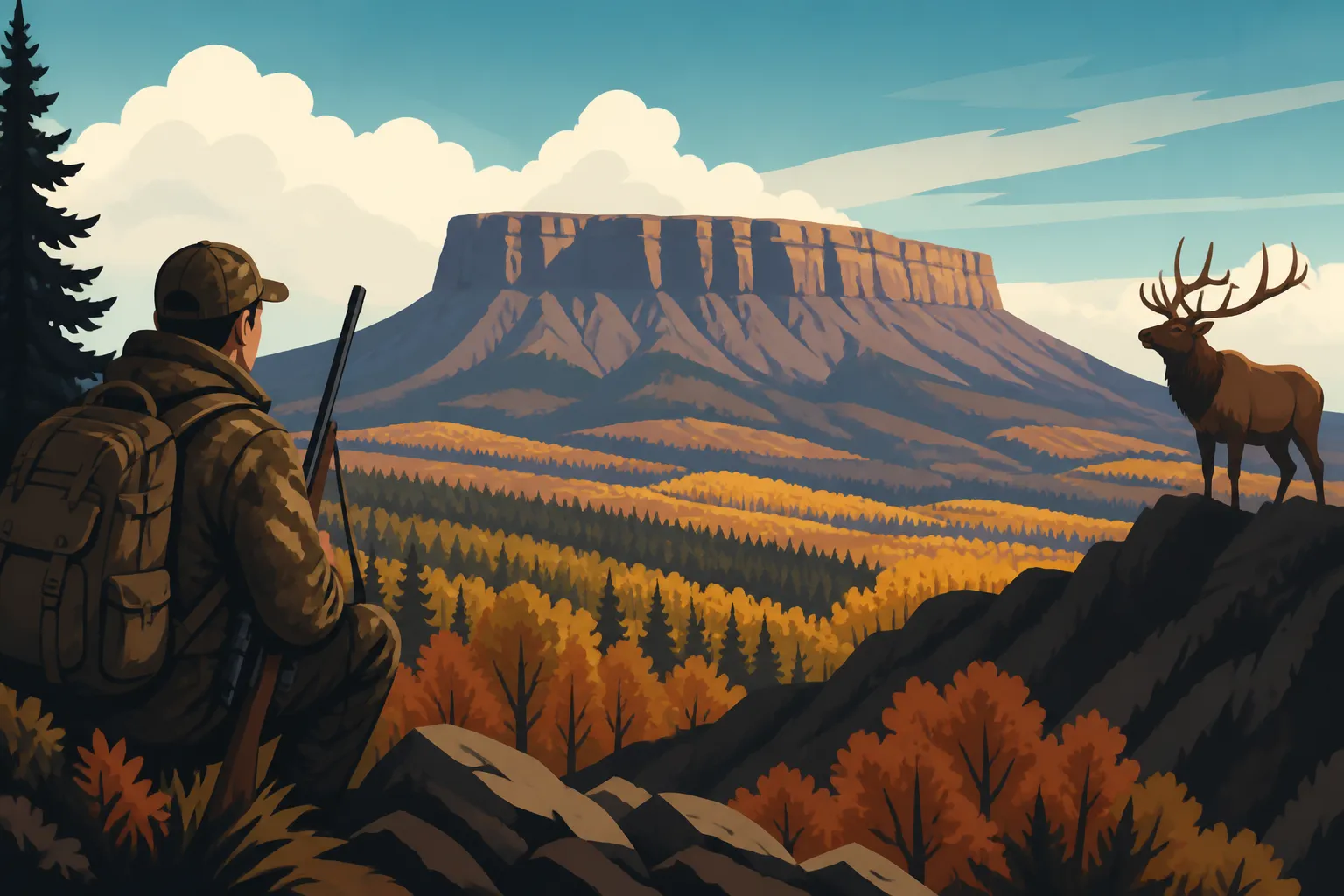
The Grand Mesa isn't just a mountain; it's the largest flat-top mountain in the world, a colossal landscape that truly lives up to its name. Covering over 500 square miles in western Colorado, this place offers an incredible variety of habitats, from dense conifer forests and aspen stands to high-alpine lakes and open sagebrush parks. Understanding its geography and how game animals utilize different areas throughout the year is your first step toward a successful hunt.
Geographical Overview and Unique Features
Imagine a massive tabletop lifted high above the surrounding valleys. That's the Grand Mesa. Its elevation generally ranges from about 8,000 feet at its base to over 11,000 feet at its highest points. This significant elevation change means you'll encounter dramatically different ecosystems. The lower fringes are often characterized by pinion-juniper and oak brush, transitioning into vast aspen groves as you climb higher, then finally into dark timber — spruce and fir forests — and alpine meadows around its many lakes.
The sheer scale of the Mesa means it holds diverse hunting opportunities, but it also demands respect for its ruggedness. Expect steep canyons and drainages carving into its flanks, interspersed with relatively flat mesa tops that can be surprisingly challenging to navigate when covered in snow or thick brush. Water sources are abundant, with over 300 lakes and reservoirs, which can be a double-edged sword: great for game, but potentially distracting when trying to pinpoint specific areas. For those looking to dive deep into planning, exploring a Colorado National Forest Hunting Guide can provide broader context.
Key Game Management Units (GMUs) within the Mesa
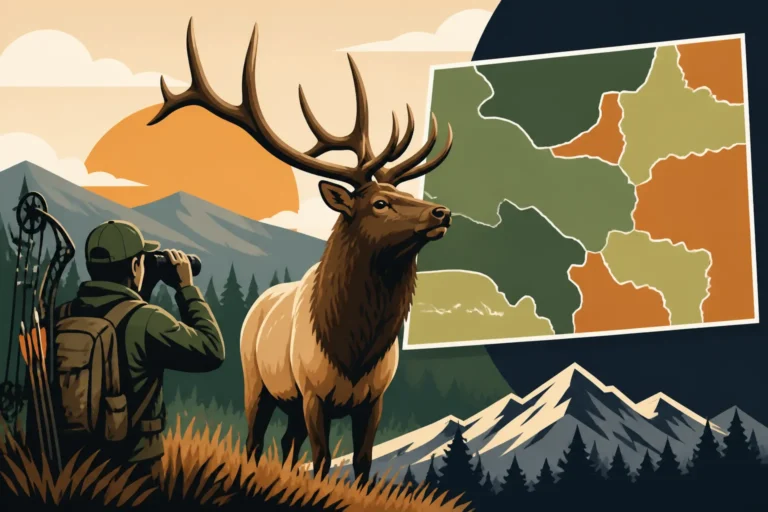
The Grand Mesa National Forest is a vast area that straddles several Game Management Units (GMUs), each with its own quirks, draw odds, and hunting pressure. While it's crucial to check the most current Colorado Parks and Wildlife (CPW) regulations for precise boundaries and hunt codes, some of the primary GMUs that encompass parts of the Grand Mesa include:
- GMU 41: Often associated with the northern and western slopes of the Mesa, offering a mix of timber and lower-elevation brush. This unit can hold good numbers of elk and mule deer, particularly during migration periods.
- GMU 42: Encompasses significant portions of the central and eastern Mesa, including some of the higher elevation areas. This GMU is popular for both elk and deer and can see considerable pressure, especially during rifle seasons.
- GMU 421: A smaller, often tougher unit, but can be rewarding for those willing to put in the effort. It shares characteristics with its larger neighbors but might offer slightly different draw odds or hunting experiences.
Understanding the specific GMU you plan to hunt is paramount. Each will have distinct season dates, tag availability (whether over-the-counter or draw-only), and herd objectives. Tools like onX Hunt are absolutely invaluable here, allowing you to clearly see GMU boundaries overlaid on topographic maps, helping you avoid accidental trespassing and understand the specific regulations for the area you're targeting. When it comes to Colorado Hunting Seasons Explained, you'll find that these vary greatly by GMU and species.
Prime Hunting Opportunities on the Grand Mesa
The Grand Mesa is a diverse ecosystem supporting a healthy population of big game, most notably elk and mule deer. But it also offers chances at black bear and a variety of small game. Knowing when and where to focus your efforts for each species is key to filling your tag.
Elk Hunting Hotspots and Tactics
Elk hunting on the Grand Mesa can be truly exceptional, but it's rarely easy. The Mesa supports a large elk herd, and their behavior shifts dramatically throughout the seasons.
- Early Archery Season: During the early archery season, typically in late August and early September, elk are often found higher up, enjoying the cooler temperatures in the dark timber and feeding in lush alpine meadows. Focus on glassing large basins at dawn and dusk, then closing the distance to bugle or cow call. Areas with abundant water sources, like the numerous lakes on the Mesa top, can be hotspots as bulls begin to round up cows. Learning How to Bugle-Locate a Colorado Bull can be incredibly effective here.
- The Rut (Archery/Muzzleloader): As the rut kicks in, usually mid-September, the Mesa comes alive with elk activity. Bulls become vocal and aggressive, making calling tactics highly effective. Find areas with good cover and water, and listen for bugles. The aspen forests, particularly where they transition into dark timber, are prime spots. Remember, during the muzzleloader season, pressure can increase, so consider getting off the beaten path.
- Rifle Seasons: During the general rifle seasons, elk can be anywhere. Pressure often pushes them into thicker timber, particularly on north-facing slopes and in deep canyon bottoms. Migration patterns also become a major factor, especially as snow begins to fall at higher elevations. Elk will often move from the Mesa's high country down to lower winter range. Identifying these travel corridors and pinch points can be extremely productive. For detailed strategies, a Colorado Rifle Elk Hunting Guide offers more in-depth advice. Early mornings and late evenings in these transition areas, especially near cover, are usually your best bet.
Mule Deer Strategies
Mule deer on the Grand Mesa offer a different kind of challenge and reward compared to elk. While not as numerous as elk in all areas, there are some fantastic opportunities for quality bucks, especially if you understand their habitat preferences.
- High Country Focus: During early seasons, big mule deer bucks often hang out in the high country, above the timberline or in isolated pockets of timber mixed with open parks. These deer can be highly visible when glassing from a distance but disappear like ghosts once you try to approach. Focus your scouting and hunting efforts on these secluded, often steeper, areas.
- Timber and Transition Zones: Later in the season or during periods of high pressure, mule deer will often retreat into the dense conifer forests or the thick oak brush on the Mesa's flanks. They might not move much during the day, bedding down in areas with good cover. Still-hunting through these areas, paying close attention to wind and thermals, can be productive. Knowing How to Still-Hunt Colorado Timber is a crucial skill here.
- Migration Routes: Like elk, mule deer also migrate off the high country as snow deepens. Understanding their migration corridors, often along ridges or through specific drainages, can put you in a great position. Look for sign: tracks, rubs, and fresh droppings along these paths. For more specialized information, consult a Colorado Mule Deer Hunting Guide.
Other Game Species
While elk and mule deer take center stage, the Grand Mesa offers more. Black bears are common, particularly in areas with good berry production (like serviceberries and chokecherries) or near elk kill sites. Bear tags are often available over-the-counter or through a draw, depending on the season and GMU. If you're looking for different game, remember that the Grand Mesa is also home to various small game and upland birds. Dusky grouse (often called "blue grouse") are found in the timbered areas, and cottontail rabbits are common in brushy zones. While not the primary focus for most big game hunters, they can offer a fun change of pace if you fill your elk or deer tag early, or if you're just looking to extend your time in the field.
Navigating the Mesa: Access, Tools, and Regulations
Successfully hunting the Grand Mesa requires more than just knowing where the animals might be; it demands a solid understanding of how to access these areas, what tools to use, and, crucially, the rules you need to follow. This is where diligent pre-hunt preparation truly pays off.
Public vs. Private Land: Knowing Your Boundaries
One of the biggest frustrations for hunters on the Grand Mesa, as with much of Colorado, is the intricate patchwork of public and private land. It's easy to inadvertently trespass if you're not paying close attention. Large tracts of the Mesa are indeed National Forest land, open to public hunting. However, there are also numerous private inholdings, especially along the lower elevations and bordering ranchlands.
This is precisely where modern mapping technology shines. An application like onX Hunt becomes your absolute best friend. It allows you to visualize land ownership boundaries in real-time, right on your phone or GPS device. You can see clearly where public land ends and private property begins, helping you navigate complex areas with confidence. This is critical not only for ethical hunting but also for avoiding legal issues. Before you head out, download offline maps for your chosen GMU, as cell service can be spotty or nonexistent in many backcountry areas. Learning How to Use onX for Colorado Hunting is a skill every Western hunter needs.
Essential Planning Tools and Resources
Beyond navigation, comprehensive planning involves leveraging a variety of resources:
- CPW Website: The official Colorado Parks and Wildlife website is your ultimate authority for regulations, season dates, draw statistics, and hunt codes. Familiarize yourself with their annual big game brochures.
- Topographic Maps: While digital maps are powerful, a physical topo map can be a lifesaver if your battery dies or tech fails. They provide crucial details about terrain, elevation changes, and water sources.
- E-Scouting Platforms: Beyond
onX Huntfor boundaries, platforms likeGoHuntoffer incredible E-scouting capabilities. They provide tools for analyzing draw odds, herd data, historical success rates by unit, and even satellite imagery with various overlays (vegetation types, historical fires, roadless areas). This allows you to identify potential bedding areas, feeding zones, and travel corridors from the comfort of your home, saving you valuable time in the field. This kind of research is critical for How to E-Scout Before a Colorado Hunt. - Google Earth: Great for visualizing terrain in 3D, identifying potential access points, and scouting road systems.
- Weather Forecasts: The weather on the Grand Mesa can change rapidly and dramatically. Always check high-country forecasts and be prepared for anything from warm sunshine to heavy snow, even in early fall.
Specific Regulations and Considerations
Colorado's hunting regulations are extensive, and understanding them is non-negotiable.
- OTC vs. Draw Tags: Many elk rifle seasons on the Grand Mesa, particularly for bull elk, are offered as over-the-counter (OTC) licenses for either-sex or bull-only tags. However, certain units or seasons (especially for antlerless elk or trophy mule deer) might require you to enter the draw system and accrue preference points. Always verify the specific tag requirements for your chosen GMU and season. If you're considering Colorado OTC Elk Tags Explained, make sure it aligns with your Grand Mesa plans.
- Antler Point Restrictions (APR): Some GMUs on the Mesa might have antler point restrictions for bull elk, meaning a bull must have a certain number of points on one antler (e.g., 4 points or more) to be legal. Confirm these rules for your unit.
- Road Closures and Travel Restrictions: Many forest service roads on the Mesa have seasonal closures to protect wildlife and prevent resource damage, especially during the fall. Pay attention to signage and respect these closures. Wilderness areas within or adjacent to the Mesa have even stricter travel restrictions; no motorized or mechanized travel is permitted.
- Chronic Wasting Disease (CWD): Colorado Parks and Wildlife closely monitors CWD. Be aware of any special testing requirements or carcass transport restrictions in your GMU.
| Species | Primary Habitat on Grand Mesa | Best Seasons for Hunt | Key Considerations |
|---|---|---|---|
| Elk | Dark timber, aspen, alpine meadows, drainages | Archery, Muzzleloader, Rifle | Migration, vocalizations, pressure, high elevation |
| Mule Deer | High country bowls, thick timber, oak brush | Archery, Rifle | Solitude, glassing ability, migration |
| Black Bear | Berry patches, dense timber, riparian zones | Archery, Rifle | Baiting restrictions, opportunistic, often follow elk |
| Dusky Grouse | Conifer and aspen forests | Fall (Small Game) | Flush hunting, often found near water and cover |
Practical Tips for a Successful Grand Mesa Hunt
Hunting the Grand Mesa isn't just about finding game; it's about being prepared for the environment and the challenges it throws at you. A successful hunt blends knowledge with physical and mental readiness.
Physical Preparation and Altitude Acclimation
The Grand Mesa is high country. Many hunting areas are well above 9,000 feet, with some topping out over 11,000 feet. If you're coming from sea level or lower elevations, the altitude can hit you hard. Headaches, nausea, fatigue, and shortness of breath are common symptoms of acute mountain sickness, and they can absolutely derail a hunt.
- Train, Train, Train: Start a rigorous fitness regimen months before your hunt. Focus on cardiovascular endurance and leg strength. Hiking with a weighted pack, stair climbing, and running are excellent ways to prepare your body for the demands of mountain hunting. Think about specific exercises that mimic Altitude Training for Colorado Hunting.
- Acclimatize: Arrive in Colorado a few days before your hunt to allow your body to adjust to the elevation. Spend a day or two in a town like Grand Junction (around 4,600 ft), then maybe another day in a town at 6,000-7,000 ft, before heading to your higher elevation camp. Drink plenty of water and avoid alcohol or heavy meals on your arrival days.
- Hydration is Key: At altitude, dehydration happens much faster. Drink significantly more water than you think you need, even when you're not thirsty. Carry electrolyte supplements.
Dealing with Weather and Terrain Challenges
The Mesa's weather is notoriously fickle. You can experience all four seasons in a single day.
- Layered Clothing: This is non-negotiable. Start with a moisture-wicking base layer, add insulating mid-layers (fleece or puffy jackets), and top it off with waterproof and windproof outer shells. Be prepared to shed or add layers frequently throughout the day. For comprehensive advice, see How to Handle Cold-Weather Gear for Colorado.
- Footwear: Invest in high-quality, broken-in hunting boots that offer excellent ankle support and waterproof protection. The terrain is often steep, rocky, and can be muddy or snowy. Blisters or wet feet can end a hunt quickly.
- Navigation in Adverse Conditions: Fog, heavy snow, or even torrential rain can severely reduce visibility, making navigation tricky, even with GPS. Always carry a compass and a physical map as a backup. Know how to use them.
- Snow and Mud: Depending on the season and recent precipitation, roads and trails can become extremely muddy or snow-packed. Have a reliable 4×4 vehicle with good tires, and carry recovery gear (shovel, chains, tow strap). Be prepared to walk further than planned if roads become impassable.
Ethical Hunting and Conservation
Hunting on the Grand Mesa, or anywhere for that matter, comes with a deep responsibility.
- Leave No Trace: Pack out everything you pack in, and then some. This includes all trash, spent casings, and any remnants of your camp. The goal is to leave the area better than you found it.
- Respect Wildlife: Hunt ethically and responsibly. Only take clean shots you are confident in making. Minimize stress on animals and avoid unnecessary disturbance.
- Field Care: Once you've harvested an animal, prioritize its field care. Learn How to Quarter an Elk in the Field quickly and efficiently to ensure the meat cools down and prevents spoilage. This is especially vital on the Mesa where temperatures can fluctuate. Having a solid plan for How to Pack Out an Elk in Colorado is also critical, whether solo or with a team.
- Know the Rules: Ignorance of the law is no excuse. Stay current on all CPW regulations, local forest service rules, and any fire restrictions.
Hunting the Grand Mesa is an unforgettable experience, offering some of Colorado's most pristine wilderness and incredible big game opportunities. By preparing thoroughly, understanding the terrain and regulations, and approaching your hunt with respect and ethical principles, you can increase your odds of success and create lasting memories.
Disclaimer
Please remember that hunting regulations, season dates, and unit boundaries are subject to change. Always consult the official Colorado Parks and Wildlife (CPW) website and their most current hunting brochures before planning and embarking on any hunt. This guide is for informational purposes only and should not be considered a substitute for official regulations or professional guidance.