Best Colorado GMUs for Archery Elk
The sheer thought of planning a Colorado archery elk hunt can feel like trying to solve a complex puzzle blindfolded. You're staring at maps, deciphering regulations, and hearing whispers of "trophy units" or "over-the-counter chaos," all while trying to figure out where a bowhunter actually has a real shot at success without breaking the bank or getting swallowed by crowds. This guide is here to untangle that knot, offering a deep dive into some of Colorado's best Game Management Units (GMUs) specifically tailored for the archery elk hunter looking for solid opportunities and a truly wild experience.
Understanding the Nuances of Archery Elk Hunting in Colorado
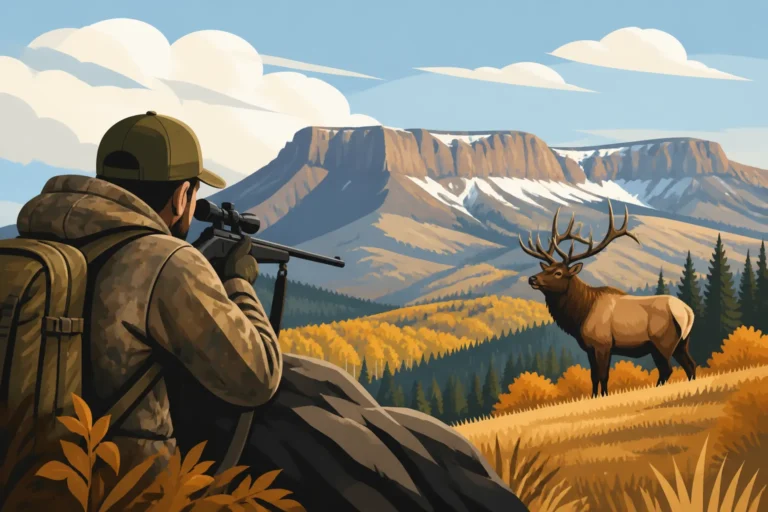
Archery elk hunting in Colorado is a beast of its own, vastly different from rifle seasons. While the general hunt dates typically span from late August through late September, overlapping with the peak of the rut, the approach to finding and harvesting an elk with a bow demands a unique set of considerations. You're getting up close and personal, which means terrain, cover, and elk behavior become paramount. The frustration many archers feel stems from the sheer volume of public land and the difficulty in narrowing down areas that genuinely favor a bowhunter's skill set. It’s not just about finding elk; it’s about finding elk in a scenario where you can execute a shot within archery range, often 60 yards or less.
Factors Defining a Great Archery Elk GMU
When you're trying to pinpoint those prime archery elk GMUs, you need to think beyond just "where are the elk?" and start asking "where can I effectively hunt elk with a bow?" It’s a subtle but critical distinction. The best units aren't always the ones with the highest rifle harvest numbers or the most trophy points required in the draw. They're often units that offer a specific blend of factors that play into the archery game.
Public Land Access and Hunter Distribution
For many, Colorado archery elk hunting is synonymous with DIY public land hunting. This means GMUs with a high percentage of accessible public land – National Forests, BLM land, and designated Wilderness Areas – are often at the top of the list. However, simply having public land isn't enough. You need quality public land that holds elk, and ideally, areas where hunter pressure can be mitigated through rugged terrain or extensive roadless zones.
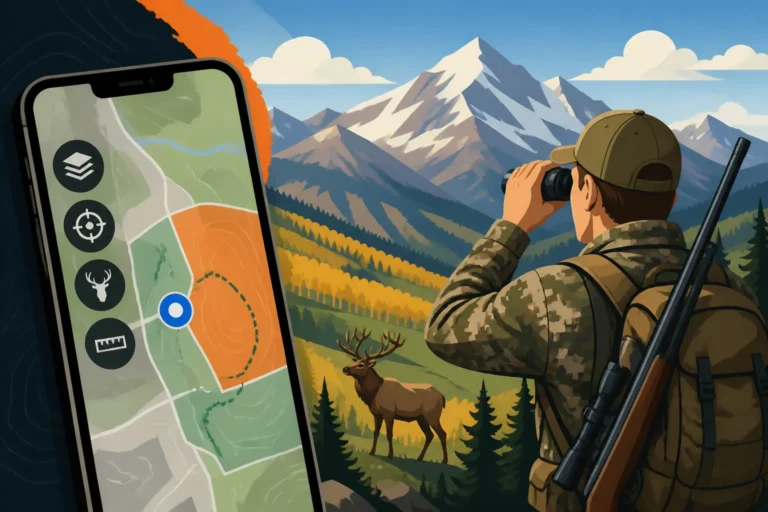
Units with a good mix of dense timber, open parks, dark timber bedding areas, and steep drainages often disperse hunters more effectively. Knowing how to navigate these vast landscapes with tools like onX Hunt becomes invaluable for finding those hidden pockets where elk feel safe and unpressured. If a unit is easily accessible by roads everywhere, you can bet the prime spots will be hit hard, especially during the first few weeks of the archery season. Conversely, units requiring significant hiking or even packing in often hold better opportunities for unpressured elk and a more authentic backcountry experience.
Elk Population Density and Habitat
It goes without saying that you need elk to hunt elk. Colorado boasts the largest elk herd in North America, with numbers often fluctuating around 280,000 to 300,000 animals. But these numbers are not evenly distributed. Some GMUs have significantly higher elk densities than others, directly impacting your chances of encountering animals. Beyond sheer numbers, the quality of the habitat is crucial. Elk need a mix of feed, water, and cover, and for bowhunting, that cover needs to be dense enough to allow for close stalks or ambushes.
Think about areas with diverse forage, like aspen stands mixed with conifer forests, and plenty of water sources like springs, seeps, and small streams. These are the magnets for elk. A GMU with consistently good elk numbers and robust habitat provides a strong foundation. Even if harvest rates aren't sky-high, seeing more elk means more opportunities to work them with calls or execute a successful stalk. Understanding how Colorado elk migrate and use different elevations throughout the season can also inform your choice, as elk often move from higher summer ranges to lower, more protected areas as fall progresses and pressure increases.
Terrain and Cover Suitability for Archery Tactics
This is perhaps the most critical factor for an archery elk hunter. Steep, broken country with abundant pockets of timber and terrain features like ridges, saddles, and drainages are perfect for bowhunting. Such topography allows you to use elevation to your advantage, drop into drainages undetected, or navigate quietly through timber. Open, flat country, while it might hold elk, offers little to no cover for a close-range approach, making archery extremely challenging.
Archery hunting thrives on stealth and the ability to get within that crucial 40-60 yard window. That means terrain that breaks up your silhouette, provides avenues for quiet movement, and obscures you from an elk's keen senses is ideal. This is why many bowhunters gravitate towards mountain units with a good mix of timber and small meadows rather than wide-open sagebrush flats. Learning about How to Still-Hunt Colorado Timber or Spot-and-Stalk Hunting in Colorado can give you a significant advantage in these types of units.
Best Colorado GMUs for Archery Elk
Now, let's get into some specific GMUs that consistently offer solid archery elk hunting opportunities, keeping in mind that "best" is subjective and depends on your hunting style and physical capabilities. These units often feature a good balance of public land, elk numbers, and terrain conducive to bowhunting.
Flat Tops Wilderness Area Units (GMUs 12, 23, 24)
The Flat Tops Wilderness Area, primarily encompassed by GMUs 12, 23, and 24, is legendary among Colorado elk hunters, and for good reason. It’s one of the largest wilderness areas in the state and offers some of the best over-the-counter (OTC) archery opportunities.
GMU 12: Located in northwestern Colorado, GMU 12 is a vast and rugged unit, boasting significant portions of the Flat Tops Wilderness. Its diverse terrain includes high alpine meadows, expansive timber stands, and countless drainages. This landscape is a bowhunter's paradise, providing ample cover for stalking and setting up calling scenarios. Elk populations here are robust, and while the unit does see pressure, especially during the early archery season, the sheer size of the wilderness allows hunters willing to hike deep to find solitude and unpressured animals. Access points like those near Yampa or Buford can get busy, but quickly thin out as you gain elevation and distance from the roads.
GMU 23 and 24: These units are often mentioned in conjunction with GMU 12, forming the heart of the Flat Tops. They share similar characteristics: vast expanses of public land, good elk densities, and challenging but rewarding terrain. GMU 23, for instance, offers a mix of private land near the valleys but quickly transitions into extensive national forest and wilderness areas. GMU 24 continues this trend, known for its steep canyons and dense timber. For the archery hunter, these units provide excellent opportunities for both How to Bugle for Colorado Elk and employing spot-and-stalk tactics in the timber and open parks. The terrain here practically begs for a good pair of binoculars and a map application like onX Hunt to identify potential glassing knobs and escape routes for elk.
Southwest Colorado Gems (GMU 76 and GMU 78)
Moving to the majestic San Juan Mountains in southwest Colorado, GMU 76 and GMU 78 offer completely different, but equally compelling, archery experiences for those willing to embrace true mountain hunting.
GMU 76: This unit is primarily comprised of the Weminuche Wilderness and surrounding National Forest lands, near towns like Creede and Lake City. It’s an extremely high-elevation unit, with much of the huntable ground above 10,000 feet. The rugged, expansive alpine basins and dark timber pockets make for a physically demanding hunt, but the rewards can be significant. Elk densities are generally good, and while the terrain is tough, it provides fantastic opportunities for bowhunters who excel at How to Hunt Elk at High Elevation and using thermals to their advantage. Getting away from trailheads is key here, and the wilderness character means less vehicle-based pressure. You'll need to be in top physical condition for a hunt in GMU 76.
GMU 78: Located near Durango and Pagosa Springs, GMU 78 offers a similar high-country experience to GMU 76 but often with a bit more variety in elevation and habitat. It features a mix of dense conifer forests, aspen groves, and open meadows, providing diverse cover for elk. The hunting pressure can be moderate to high, especially closer to roads, but like its neighbor, the vast roadless areas and wilderness portions (like the South San Juan Wilderness) offer escape hatches for elk and opportunities for intrepid bowhunters. This unit is particularly known for its potential during the rut, making Archery Elk Tactics for the Rut highly effective here. It's a great place to put your calling skills to the test against responsive bulls.
Here's a quick comparison of these promising archery elk GMUs:
| GMU Feature | GMU 12 (Flat Tops) | GMU 76 (San Juans) | GMU 78 (San Juans) |
|---|---|---|---|
| Primary Landscape | Extensive wilderness, high plateaus, timber | Extreme high alpine, rugged mountains, basins | Mix of high alpine, timber, steep drainages |
| Public Land % | Very High (Large wilderness area) | Very High (Major wilderness area) | High (Significant wilderness/national forest) |
| Elk Density | High | Good | Good |
| Terrain Difficulty | Moderate to High (Requires hiking) | Very High (Physically demanding, high elevation) | High (Steep, can be challenging) |
| Hunter Pressure | Moderate (Thins out with distance) | Lower (Due to ruggedness/elevation) | Moderate (Thins out away from roads) |
| Best Tactics | Spot-and-stalk, calling, covering ground | Spot-and-stalk in basins, ambush points | Calling, spot-and-stalk in timber and parks |
| Overall Experience | Classic high-country wilderness, good OTC choice | True backcountry challenge, demanding | Diverse mountain hunting, good rut potential |
Maximizing Your Archery Elk Hunt in Any GMU
Picking a great GMU is just the first step. Success in Colorado archery elk hunting, particularly on public land, comes down to meticulous preparation and smart hunting strategies.
E-Scouting and Pre-Season Planning
Before you even step foot in Colorado, your boots should be on the ground virtually. This is where tools like onX Hunt and GoHunt truly shine. Start by using onX Hunt to identify public land boundaries, roadless areas, wilderness boundaries, and potential access points. Look for terrain features that concentrate elk: north-facing slopes with dark timber for bedding, south-facing slopes for early morning feeding, saddles for travel corridors, and perennial water sources. You can mark potential glassing knobs, water holes, and bedding areas.
GoHunt offers incredibly detailed unit statistics, including elk populations, harvest success rates (broken down by weapon type), and public land percentages. They also provide insight into draw odds, which might not be as critical for OTC archery but is invaluable for future planning. Use this data to compare multiple GMUs and understand the historical performance. Combine this with satellite imagery from onX Hunt to visualize the terrain, identify potential wallows, and pinpoint areas that look like ideal elk habitat. This kind of diligent e-scouting helps you formulate a game plan and reduces wasted time once you arrive. Consider looking into How to E-Scout Before a Colorado Hunt for a more detailed approach.
Physical Conditioning and Acclimatization
Regardless of the GMU you choose, archery elk hunting in Colorado is physically demanding. You'll be covering miles of steep, uneven terrain, often at elevations between 8,000 and 12,000 feet. Lack of physical conditioning is one of the biggest reasons hunters fail or cut their hunts short. Start a rigorous workout routine months in advance, focusing on cardio, leg strength, and endurance. Practice hiking with your loaded hunting pack to simulate real-world conditions.
Furthermore, if you're coming from lower elevations, plan to arrive in Colorado a few days before your hunt to begin the process of How to Acclimate to Colorado Elevation. This allows your body to adjust to the thinner air, significantly reducing the risk of altitude sickness and ensuring you have the energy needed for a strenuous hunt. Nothing saps your morale faster than being too winded to climb that next ridge where you heard a bull bugle.
On-the-Ground Tactics and Adaptability
Once you're in your chosen GMU, your hunting tactics need to be sharp and adaptable. Archery success often hinges on calling, whether it's herd talk to locate animals or aggressive bugling to challenge a bull. Learn How to Call Elk in Colorado and master different calls. Use bugle tubes, cow calls, and estrus whines to elicit responses and pinpoint elk locations.
Spot-and-stalk is another highly effective method, especially in more open, broken country or when elk go quiet. This involves glassing vast areas, identifying elk, and then carefully planning and executing a stalk to get within bow range. Pay close attention to wind direction and thermals – these are non-negotiable for close-quarters hunting. Elk have an incredible sense of smell, and a single puff of wind in the wrong direction can blow your entire hunt. Remember that elk often bed in the thickest, nastiest timber they can find, especially after pressure mounts. Knowing How to Hunt Elk in the Dark Timber is a vital skill for archery success.
Be prepared for long days, unpredictable weather, and the mental grind. Archery hunting is a game of patience and perseverance. You might have several close encounters before getting a shot opportunity, and sometimes, despite your best efforts, the elk just don't cooperate. Embrace the challenge, learn from every encounter, and enjoy the process of being deep in the Colorado backcountry.
Disclaimer
Please remember that hunting regulations, season dates, and unit boundaries can change. Always consult the official Colorado Parks and Wildlife (CPW) regulations for the most current and accurate information before planning any hunt. This guide is for informational purposes only and should not be considered a substitute for official CPW resources.