Colorado High-Country vs Plains Hunting
When you dream of hunting in Colorado, are you picturing breathtaking alpine vistas and challenging elk bugles, or the sweeping, silent expanse of the eastern plains with pronghorn racing across the horizon? Many hunters grapple with this very choice, facing the vast, diverse landscapes Colorado offers, unsure whether to pursue big game in the towering high country or across the expansive plains. This guide will meticulously compare and contrast high-country and plains hunting in Colorado, helping you understand the unique challenges, rewards, and strategies for each, so you can make an informed decision for your next adventure.
Understanding Colorado's Diverse Terrains
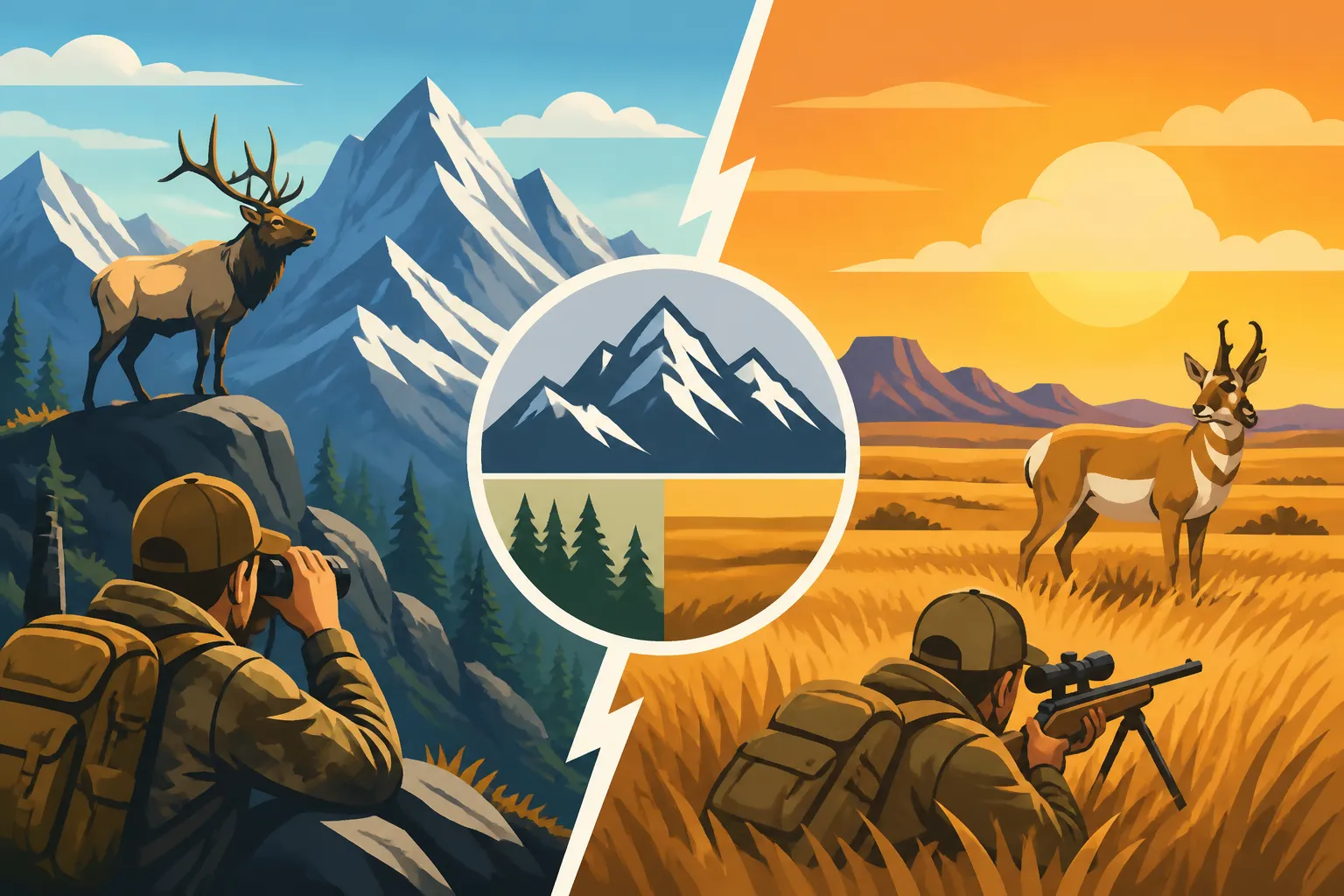
Colorado is a state of incredible geographical variety, essentially split into two major hunting ecosystems: the rugged, mountainous high country and the flatter, more open eastern plains. These distinct environments dictate everything from the species you'll pursue to the tactics you'll employ, and even the gear you'll need.
Characteristics of Colorado's High Country
The "high country" in Colorado typically refers to the mountain ranges that dominate the western two-thirds of the state. This includes iconic areas like the Rocky Mountains, the San Juans, the Flat Tops, and the West Elk Wilderness. Elevations here routinely climb above 8,000 feet, often pushing past 10,000 or even 12,000 feet, where the air thins and the landscape transforms.
Vegetation in the high country varies dramatically with elevation. You'll find dense lodgepole pine, spruce, and fir forests in the mid-elevations, giving way to aspen groves that blaze with color in the fall. As you climb higher, the timberline recedes, replaced by vast alpine meadows, krummholz (stunted trees), and finally, exposed rock and tundra. Water sources, often snowmelt-fed streams and high-mountain lakes, are typically abundant. Access can be a real challenge; while some areas have extensive forest service roads, many of the most productive hunting grounds are deep within wilderness areas, requiring extensive hiking, horseback packing, or the use of ATVs on designated trails. Think multi-day backcountry trips far from any vehicle access.
Characteristics of Colorado's Eastern Plains
In stark contrast to the mountains, Colorado's eastern plains stretch from the Front Range foothills eastward to the Kansas and Nebraska borders. This region is characterized by much lower elevations, generally ranging from 3,500 to 7,500 feet, with a topography that is largely flat to gently rolling.
The plains ecosystem is dominated by grasslands, prairies, and agricultural fields. While there are some river bottoms lined with cottonwood trees and pockets of brush, vast stretches are open and exposed. Water sources are often more localized, found in stock ponds, reservoirs, or the intermittent flows of rivers like the South Platte and Arkansas. Access on the plains presents a different challenge. While roads are plentiful, much of the land is privately owned, making securing permission or utilizing public access programs crucial. Colorado's Walk-In Access Program and State Trust Lands are invaluable here, but they often consist of smaller, more fragmented parcels compared to the sprawling public lands of the mountains.
Target Species and Seasonal Opportunities
The dramatic differences in habitat naturally lead to a divergence in the primary big game species found in Colorado's high country versus its eastern plains. Understanding which animals thrive where is fundamental to choosing your hunting adventure.
High-Country Big Game
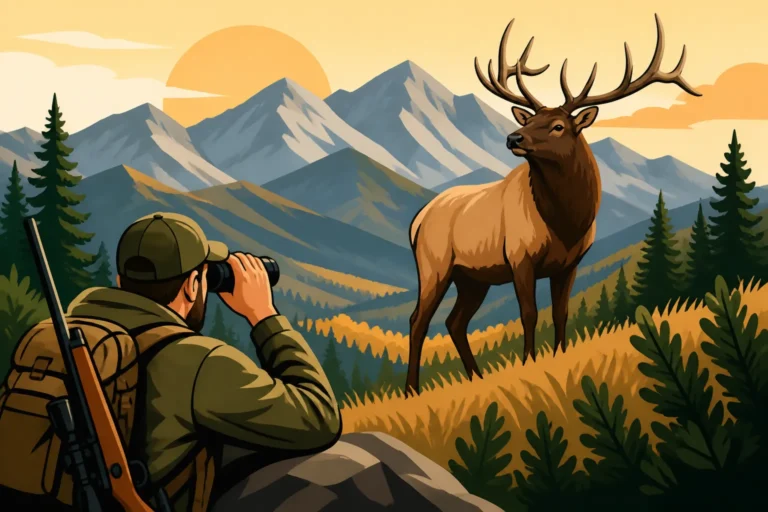
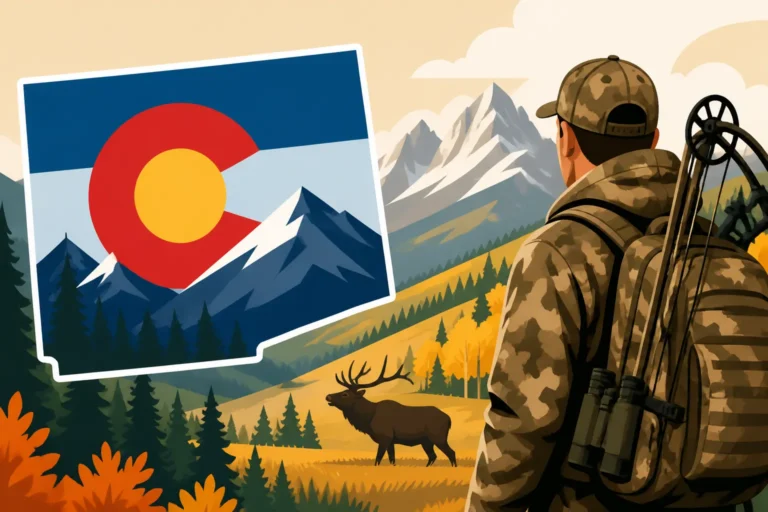
The majestic elk are undoubtedly the kings of the Colorado high country. These impressive animals spend their summers grazing in high-altitude meadows and timbered slopes, only to descend to lower elevations as winter snows begin to fall. Hunting elk here often means navigating steep terrain and dense timber. Mule deer are also abundant in the mountains, especially the high-country mule deer that grow impressive antlers. You'll find them throughout the timbered areas and open parks, often using the same migration corridors as elk. For the truly adventurous, the high peaks are home to two of Colorado's most coveted and difficult-to-draw species: bighorn sheep and mountain goats. These hunts demand extreme physical conditioning and specialized climbing gear, taking you into the most rugged, unforgiving terrain imaginable. Occasionally, black bears are encountered in the mountains, especially during the fall when they are gorging on berries and acorns, making them a possible incidental species. If you're looking for an expansive guide, consider our detailed Colorado Elk Hunting Guide.
Plains Big Game
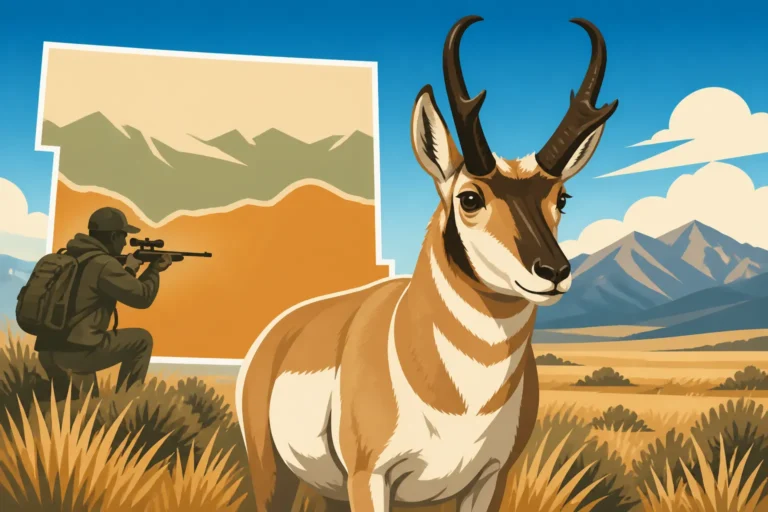
On the eastern plains, the primary quarry is the incredibly fast and keen-eyed pronghorn. Often mistakenly called "antelope," these creatures are true speed demons and are perfectly adapted to the wide-open spaces, relying on their exceptional eyesight and blistering pace to evade predators. They are almost exclusively found east of the Front Range. You'll also find whitetail deer thriving in the river bottoms and agricultural areas of the plains. Unlike their mountain-dwelling cousins, these deer prefer the thicker cover along riparian corridors and agricultural fields, often holding tight until you're right on top of them. While mule deer are predominantly a mountain species, pockets of plains mule deer can also be found in certain areas, often associating with broken country or larger public land parcels interspersed with agriculture.
Season Differences and Their Impact
Hunting seasons in Colorado are generally structured to align with animal behavior and migration patterns, but the specific dates and opportunities can differ between the high country and the plains.
High-Country Seasons:
- Archery Elk and Mule Deer (late August through September): This is prime time for the rut in the mountains, offering incredible opportunities for calling in bulls. The weather can be anything from warm and sunny to early snowstorms.
- Muzzleloader Elk and Mule Deer (mid-September): A short, specific season, often coinciding with the tail end of the rut.
- Rifle Elk and Mule Deer (October-November, divided into multiple seasons): These are the most popular seasons. Early rifle seasons can still see elk at higher elevations, while later seasons often find them migrating to winter range, making them accessible in different types of terrain. Understanding Colorado Elk Season Dates Guide is crucial for planning.
- Late-Season Cow Elk Hunts (December-January): Often focused on herd management, these hunts can be brutal due to cold and snow but can offer high success rates as elk are concentrated on wintering grounds.
Plains Seasons:
- Archery Pronghorn (mid-August through September): Often done with decoys or stalking water holes during the heat of summer.
- Rifle Pronghorn (early October): A popular, short season where draws are often required for prime units.
- Archery Whitetail/Mule Deer (late August through November): Longer seasons, often allowing for hunting during the deer rut in November.
- Rifle Whitetail/Mule Deer (late October through mid-November, divided into seasons): Focuses on the prime rut period for deer. Plains mule deer and whitetail tags are often easier to draw than mountain mule deer.
In the high country, weather plays a huge role in animal movement, with early snows pushing animals down. On the plains, agriculture and water availability are often the biggest drivers of animal location. Knowing Colorado Hunting Seasons Explained in detail can help hunters strategically plan their trip to capitalize on these seasonal nuances.
Distinct Hunting Strategies and Tactics
You wouldn't use a fly fishing rod for deep-sea angling, and similarly, the strategies for hunting Colorado's high country are vastly different from those employed on the plains. Each environment demands a specialized approach to be successful.
High-Country Hunting Approaches
Hunting in the high country is often a test of endurance, mental fortitude, and adaptability. The sheer scale of the landscape and the challenging terrain necessitate specific tactics. One of the most common and effective methods is spot-and-stalk hunting, particularly in more open basins above timberline or on expansive, less timbered slopes. This involves using high-quality optics to locate animals from a distance, then carefully planning and executing an approach to get within shooting range. This is especially true for species like bighorn sheep and mountain goats. When targeting elk and mule deer in timbered areas, still-hunting is a key tactic. This slow, methodical movement through the forest, pausing frequently to observe and listen, allows you to detect animals before they detect you. It requires an intimate understanding of wind direction and thermals.
Calling is another powerful tool, especially for elk during the rut. Learning How to Call Elk in Colorado can turn a silent woods into an adrenaline-filled encounter. Hunters often combine calling with strategic setups, mimicking cow or calf sounds to draw in bulls, or aggressive bugles to challenge a dominant bull. Ambushing animals along known travel corridors, bedding areas, or feeding grounds is also effective, particularly during migratory periods or after periods of pressure. For those who venture deep into remote areas, establishing a Colorado Backcountry Hunting Guide with spike camps allows hunters to spend more time in prime hunting locations, minimizing travel time each day. This kind of hunting is truly immersive and physically demanding.
Plains Hunting Approaches
Plains hunting, while less physically demanding in terms of elevation, requires a different kind of strategic thinking and patience. Given the wide-open nature of the terrain, spot-and-stalk remains a primary method for pronghorn and plains mule deer, but it's executed differently. Instead of glassing massive mountain basins, you're often scanning vast expanses of prairie, identifying animals from many miles away, and then using every fold in the terrain, every small rise, or a scattered clump of sagebrush for cover during your approach. This often involves driving roads to find animals, then making a long stalk on foot.
Decoying is an incredibly effective and exciting tactic for pronghorn. Because pronghorn are naturally curious and territorial, carrying a pronghorn decoy allows a hunter to mimic a rival buck or a receptive doe, often drawing the animal into close range for an archery shot. Water holes are also critical on the arid plains, especially during hot, dry periods. Sitting over a known water source can be a highly productive way to ambush pronghorn or deer, especially if other water sources are scarce. Hunters often use ground blinds for concealment near these locations. Unlike mountain hunting where you might cover many miles on foot in a day, plains hunting might involve covering many miles in a vehicle to locate animals, followed by a very long, low-to-the-ground stalk. Success on the plains hinges on exceptional glassing skills and an acute awareness of the landscape to exploit minimal cover.
Essential Gear and Physical Demands
The difference in terrain between Colorado's high country and its eastern plains translates directly into the kind of gear you'll need and the level of physical conditioning required for a successful and safe hunt. Ignoring these distinctions can quickly lead to discomfort or even dangerous situations.
High-Country Gear and Fitness Requirements
Hunting in the high country demands robust, reliable gear capable of withstanding extreme conditions and aiding in traversing difficult terrain. Layering is paramount, as mountain weather can change dramatically from sunny and warm to blizzards in a matter of hours, even in early fall. You'll need high-quality base layers, insulating mid-layers, and a waterproof/windproof outer shell. Sturdy, broken-in boots with excellent ankle support and aggressive tread are non-negotiable for navigating steep, rocky, and often unstable ground. Investing in a quality internal or external frame backpack is essential for carrying all your gear, food, water, and, hopefully, packing out meat.
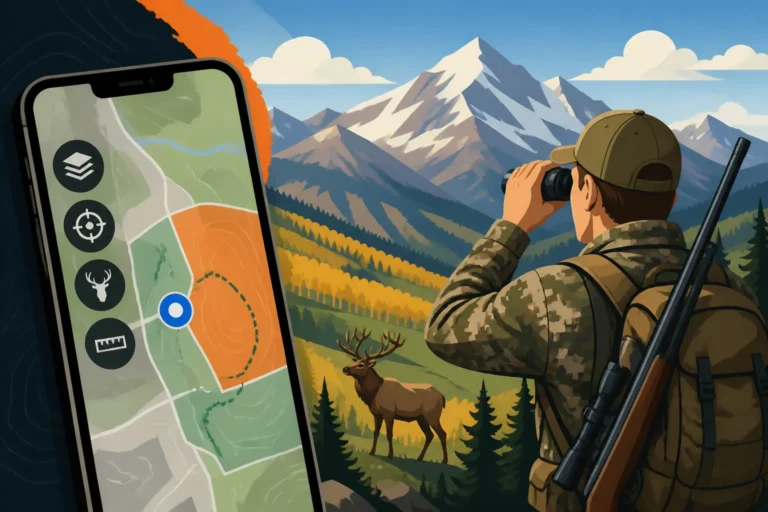
Optics are critical for efficient scouting and locating animals across vast landscapes. A good pair of 10x or 12x binoculars, a spotting scope (especially for sheep and goats), and a rangefinder are indispensable. Navigation tools like a GPS device or a mapping app like onX Hunt are vital, as getting lost in expansive wilderness areas can be perilous. A headlamp, first-aid kit, fire starter, water filter, and emergency shelter are also crucial for safety. For those venturing far from trailheads, a satellite communication device provides a lifeline.
Beyond gear, the physical demands of high-country hunting cannot be overstated. You'll be climbing thousands of vertical feet daily, often with heavy packs, at elevations where oxygen levels are significantly reduced. Cardiovascular fitness, leg strength, and endurance are absolute necessities. Many hunters undertake rigorous Altitude Training for Colorado Hunting programs months in advance. The ability to push through discomfort and fatigue is as important as any piece of gear.
Plains Gear and Fitness Considerations
While still requiring good quality gear, plains hunting generally calls for a lighter, more specialized kit. Given the often warmer, drier conditions (though plains can get brutally cold too), breathable clothing in camouflage patterns that blend with prairie grasses is key. Lightweight, comfortable hiking boots are usually sufficient, as you're less likely to encounter steep, rocky ascents, but good support is still important for long stalks over uneven ground. A comfortable daypack for carrying water, snacks, optics, and field dressing supplies is typically enough, unless you're planning a multi-day camp.
High-magnification binoculars (10x-15x) are still essential for spotting game at extreme distances across open country. A spotting scope is also highly recommended for identifying species and judging animals without spooking them. A rangefinder is crucial for making accurate shots over long, open distances where judging yardage can be deceiving. Navigation is less about avoiding getting lost in vast timber and more about respecting private property boundaries, making a GPS with landowner maps (like onX Hunt provides) an invaluable tool. For pronghorn hunting, a decoy is a specialized but highly effective piece of gear.
Physical fitness for plains hunting is less about extreme endurance and more about being able to make long, quiet stalks, often crawling or staying low for extended periods. While not as strenuous as mountain hunting, covering several miles on foot in a day is common, especially if you're targeting animals far from road access. The ability to shoot accurately from unconventional positions (e.g., prone, kneeling) after a long stalk is also a crucial physical skill.
Access, Hunter Pressure, and Logistics
The experience of hunting in Colorado is heavily influenced by where you hunt, and nowhere is this more apparent than in the differing challenges of public access, hunter density, and logistical planning between the high country and the plains.
Navigating High-Country Access and Pressure
Colorado's high country boasts immense tracts of public land, primarily National Forests and designated Wilderness Areas. These expansive landscapes offer the allure of true backcountry hunting, allowing hunters to escape the crowds and immerse themselves in wild settings. However, "public land" doesn't always mean "easy access." Many of the best high-country hunting units are deep within Wilderness Areas, prohibiting motorized vehicles and often requiring long hikes or horseback pack-ins. Finding remote areas where animals aren't constantly pressured by road hunters is a significant challenge. Using tools like the Colorado Hunting Atlas or detailed mapping apps from onX Hunt or GoHunt can help identify roadless areas or wilderness boundaries, which are often good indicators of lower pressure.
Hunter pressure in the high country, especially for popular elk seasons, can still be substantial near trailheads and accessible areas. To find success, hunters often need to be willing to hike miles off the beaten path, sometimes multiple days into the backcountry, where the physical demands naturally filter out many other hunters. Logistically, this means planning for dispersed camping, understanding water sources, and having contingency plans for rapidly changing weather. Knowing How to Pack Into the Colorado Backcountry is essential, as is understanding specific unit regulations for camping and fire restrictions. Getting a bull or cow down in a remote high-country basin means a demanding pack out, often requiring multiple trips or a team effort.
Navigating Plains Access and Pressure
Hunting the eastern plains presents a different set of access challenges. Unlike the vast federal lands of the mountains, a significant portion of the plains is privately owned, primarily for agriculture and ranching. This means securing permission from landowners is often a prerequisite for hunting quality ground. Without permission, hunters must rely heavily on public access programs. Colorado's Walk-In Access (WIA) program, State Trust Lands (STL), and State Wildlife Areas (SWAs) provide crucial public hunting opportunities. However, these parcels are often smaller, more fragmented, and can experience significant hunter pressure due to their limited size and accessibility.
Understanding the boundaries of these public lands is paramount, as trespassing on private land can lead to severe penalties. Mapping tools are absolutely indispensable for plains hunting, even more so than in the mountains where large swaths of public land are the norm. The Eastern Plains Hunting Access available through these programs is invaluable, but hunters should expect to scout extensively to find unpressured pockets of game. Hunter pressure on the plains can be intense on opening weekends, with many hunters vying for limited public ground. Success often comes from creative scouting, identifying isolated public parcels, or patiently waiting out the initial rush. Logistically, plains hunting often involves driving between scattered public land parcels, and while less physically demanding than packing into the high country, it requires careful route planning and respectful interaction with landowners if you venture near private property.
| Feature | High-Country Hunting | Plains Hunting |
|---|---|---|
| Primary Terrain | Mountains, forests, alpine meadows, steep slopes | Grasslands, agricultural fields, river bottoms, flat/rolling |
| Typical Elevation | 8,000 – 14,000+ feet | 3,500 – 7,500 feet |
| Key Species | Elk, Mule Deer, Bighorn Sheep, Mountain Goat | Pronghorn, Whitetail Deer, Plains Mule Deer |
| Access Challenge | Remote wilderness, long hikes, limited roads | Predominantly private land, fragmented public parcels |
| Hunter Pressure | High near roads/trailheads, lower in backcountry | Concentrated on public parcels, private access less pressured |
| Physical Demand | Extreme: High altitude, steep climbs, heavy packs | Moderate: Long stalks, low crawling, less elevation gain |
| Key Tactics | Spot-and-stalk (alpine), still-hunt (timber), calling | Spot-and-stalk (open), decoying (pronghorn), water holes |
| Essential Gear | Layered clothing, sturdy boots, large pack, advanced optics, navigation, emergency kit | Lighter clothing, comfortable boots, daypack, high-power binoculars, rangefinder, mapping app, decoy (pronghorn) |
| Weather Impact | Rapid changes, early snows, extreme cold | High winds, temperature swings, drought conditions |
Rewards and Challenges: Which is Right for You?
Both high-country and plains hunting in Colorado offer incredible, distinct experiences, each with its own set of deeply satisfying rewards and formidable challenges. The "best" choice really boils down to your personal preferences, physical capabilities, and what kind of adventure truly calls to you.
The Allure and Grit of High-Country Hunting
For many, the high country embodies the quintessential Western hunting experience. The allure of chasing a bull elk through golden aspens or spotting a bighorn ram on a distant crag is powerful. The rewards are immense: breathtaking views, the solitude of the wilderness, the satisfaction of overcoming extreme physical and mental tests, and the unparalleled feeling of earning an animal deep in its natural habitat. There's a profound sense of accomplishment that comes with navigating the complexities of mountain weather, high altitude, and rugged terrain to find success. It's an adventure that builds character and creates lifelong memories. If you're physically fit, thrive on challenge, appreciate stunning scenery, and want to experience truly wild country, then high-country hunting might be your ultimate calling. Learning How to Hunt Elk at High Elevation will be a key step in preparing for this kind of hunt. It's not just about the kill; it's about the journey, the grind, and the raw connection to nature.
However, the challenges are equally significant. The physical demands can be brutal, pushing even seasoned athletes to their limits. Altitude sickness is a real concern, and unpredictable weather can turn a pleasant day into a survival situation. Gear failures, navigation errors, and the sheer difficulty of packing out an animal from a remote location can test anyone's resolve. Success rates, especially for unguided hunters, can be lower due to the vastness of the terrain and the often dispersed nature of the game. It demands extensive planning, proper gear, and a high degree of self-sufficiency. If you're new to Western hunting, consider starting with a less physically demanding high-country unit or seeking guidance on a Colorado DIY Elk Hunting Guide before tackling the most remote wilderness areas.
The Open Spaces and Strategic Play of Plains Hunting
Plains hunting offers a completely different, yet equally rewarding, experience. The vast, open landscapes might not have the dramatic verticality of the mountains, but they offer a unique beauty and a different kind of strategic game. The reward often comes from the chess match against keen-eyed animals in an environment with minimal cover. Successfully closing the distance on a pronghorn that can see for miles, or outwitting a whitetail that sticks to dense river bottom cover, requires immense patience, exceptional glassing skills, and meticulous stalking techniques. The success can feel just as earned, though perhaps with less lactic acid build-up in your legs.
The challenges on the plains primarily revolve around access and the inherent difficulty of stalking animals in open country. Dealing with private land, navigating smaller public parcels, and competing with other hunters on limited public ground can be frustrating. The weather, while less extreme in terms of elevation, can still present its own set of challenges, including intense winds, scorching heat, or sudden cold snaps. Longer shot opportunities are more common on the plains, demanding proficiency with your rifle and an understanding of bullet ballistics. However, for those who enjoy the intricate game of spot-and-stalk, the thrill of decoying, and the vast, peaceful expanses of the prairie, plains hunting offers a fulfilling and often more accessible big game experience, especially if you're targeting species like pronghorn. Our guide on Colorado Pronghorn Hunting Guide offers more insights for this exciting plains pursuit.
Ultimately, the choice between Colorado high-country and plains hunting depends on what kind of adventure you seek. Are you drawn to the physical and mental crucible of the mountains, or the strategic, open-country challenge of the plains? Both paths offer incredible opportunities to connect with nature and pursue some of North America's most iconic big game.
Disclaimer
Please remember that hunting regulations, season dates, and access rules can change. Always consult the most current Colorado Parks and Wildlife (CPW) regulations before planning any hunt. This guide is for informational purposes only and does not replace official state publications.