Hunting the Arapaho National Forest
There’s a unique kind of challenge that comes with hunting Colorado’s vast National Forests. It's not just about the rugged terrain or the fickle weather; it's about trying to wrap your head around millions of acres of public land and figure out where to even begin. If you've been eyeing the Arapaho National Forest, you're looking at a serious commitment, but also incredible opportunity. This guide is here to break down what you need to know to tackle the Arapaho, from its diverse landscapes to the best ways to find game and navigate its sprawling wilderness.
Understanding the Arapaho National Forest for Hunting
The Arapaho National Forest isn't just a place; it's an experience. Spanning across several counties in north-central Colorado, this expansive tract of public land offers a diverse hunting environment unlike many others. It’s a place where the mountains truly meet the sky, demanding respect and preparation from anyone who ventures into its depths with a hunting tag in hand.
Geographical Footprint and Key Features
Encompassing over 1.5 million acres (when combined with the Roosevelt National Forest and Pawnee National Grassland as part of the Arapaho and Roosevelt National Forests, or ARNF), the Arapaho National Forest stretches from the Continental Divide east towards the Front Range. You'll find it west of the bustling Denver metro area, reaching into places like Grand, Clear Creek, Gilpin, and Boulder counties. This geographical spread means incredible variety. You're talking about everything from accessible, lower-elevation ponderosa and lodgepole pine forests to vast, remote alpine tundras above treeline.
The Continental Divide carves a dramatic path through the forest, creating an abundance of steep canyons, towering peaks, and critical drainages. Major river systems like the Colorado River and its tributaries originate or flow through parts of the Arapaho, providing vital water sources for wildlife. The sheer scale and varying topography mean that "hunting the Arapaho" isn't a single experience, but a multitude of distinct challenges and opportunities depending on where you focus your efforts. Understanding this massive footprint is the first step to narrowing down your hunting strategy.
Diverse Terrain and Habitat Zones
One of the most defining characteristics of the Arapaho National Forest is its incredible habitat diversity, driven by dramatic elevation changes. You could be starting your hunt in a thick aspen grove at 8,000 feet, traversing through dark timber at 10,000 feet, and then glassing wide-open basins above treeline at 12,000 feet, all in a single day. Each of these zones holds different concentrations of game and demands unique hunting tactics.
Lower elevations, typically found on the eastern flanks or in certain valley bottoms, often feature mixed conifer and aspen forests. These areas can be excellent for early-season elk or mule deer, especially if they provide good cover and forage near water. As you climb, you'll encounter dense spruce-fir forests, often referred to as "dark timber," which are classic elk hideouts, particularly during midday or when pressured. Above the timberline, the alpine tundra offers vast expanses for spotting game at long distances, but it also exposes you to the elements and makes getting close incredibly difficult. Understanding these vertical habitat transitions is crucial for knowing where game animals will be throughout the day and the hunting season. This kind of habitat knowledge is invaluable when considering something like How to Hunt Elk at High Elevation.
Navigating Public Access and Wilderness Areas
The Arapaho National Forest is a mosaic of public access points, well-maintained forest roads, and designated wilderness areas where motorized travel is strictly prohibited. For many hunters, this mix is both a blessing and a curse. On one hand, it offers countless places to start your hunt. On the other, popular trailheads and easily accessible areas can see significant pressure, especially during rifle seasons.
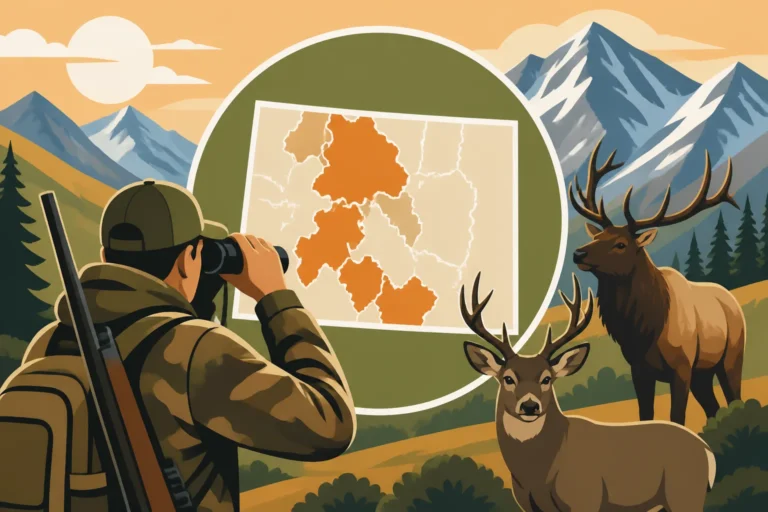
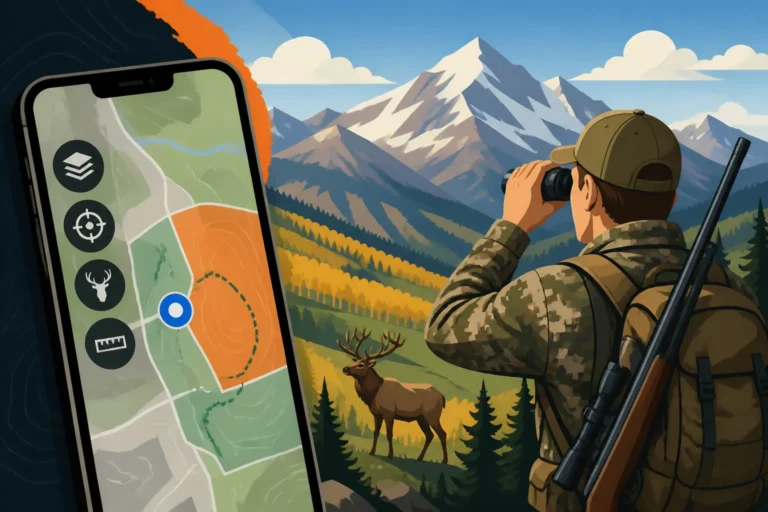
Wilderness areas like the Indian Peaks Wilderness, Never Summer Wilderness, or Byers Peak Wilderness offer incredible solitude and true backcountry hunting experiences, but they demand a serious commitment to physical fitness and self-sufficiency. You'll need to pack in everything you need, and packing out an animal can be a monumental task. Familiarizing yourself with Forest Service maps and using tools like onX Hunt (a favorite among many Colorado hunters) is essential to identify legal access points, wilderness boundaries, and potential areas to escape the crowds. Remember, even areas with decent road access can lead to incredible hunting if you're willing to hike a few miles off the beaten path. This makes it an ideal location to consider for a Colorado Backcountry Hunting Guide.
Prime Game Species and Hunting Opportunities
The Arapaho National Forest is synonymous with big game hunting, particularly for elk and mule deer. While these are the primary targets for most hunters, there are also opportunities for other species that add to the forest's rich biodiversity.
Pursuing Elk in the Arapaho's High Country
Elk are the undisputed kings of the Arapaho, and the forest supports a healthy population, offering both over-the-counter (OTC) and draw-only tag opportunities depending on the unit and season. If you're looking into Colorado OTC Elk Tags Explained, many units within the Arapaho National Forest fall into this category, especially for archery and second/third rifle seasons. The sheer size of the elk herds means they're constantly moving, adapting to pressure, forage availability, and weather conditions.
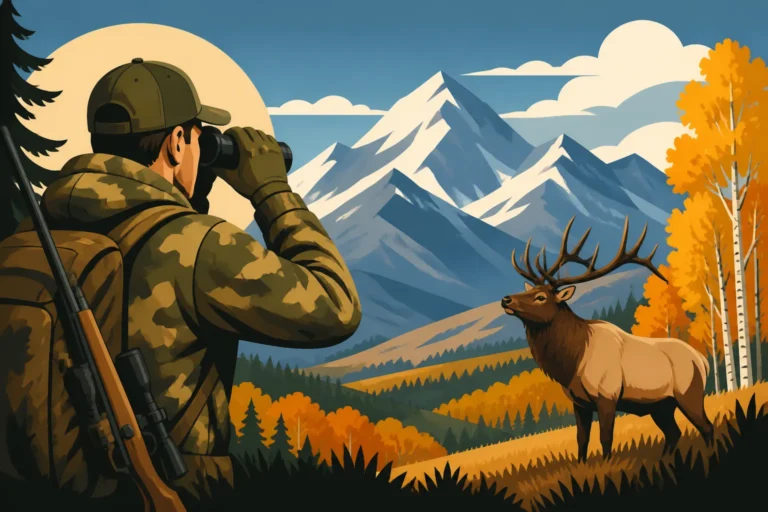
Hunting elk here often means covering significant ground in challenging terrain. During archery season, especially in September, the rut can create incredible bugling opportunities, particularly in drainages and secluded basins. Later in the season, as hunting pressure increases and weather turns colder, elk tend to retreat into dense timber, deep canyons, or transition to lower elevations, seeking refuge and consistent food sources. Knowing how to use calling tactics, still-hunting through timber, or spot-and-stalk methods becomes crucial. Many hunters will find success glassing south-facing slopes in the mornings and evenings, where elk feed, and then working the north-facing slopes and dark timber during the day where they bed. Understanding Colorado Elk Hunting Methods Explained will definitely give you an edge in this type of environment.
Strategies for Mule Deer Across Elevations
Mule deer are another highly sought-after species in the Arapaho. While not as numerous as elk in all areas, healthy populations exist, especially in specific units known for trophy potential. Hunting mule deer in the Arapaho often requires a different approach than elk, though there can be overlap in habitat. Mule deer tend to favor more open country, particularly at higher elevations in the summer and early fall, and then migrate to lower, often south-facing, slopes with sagebrush and bitterbrush as winter approaches.
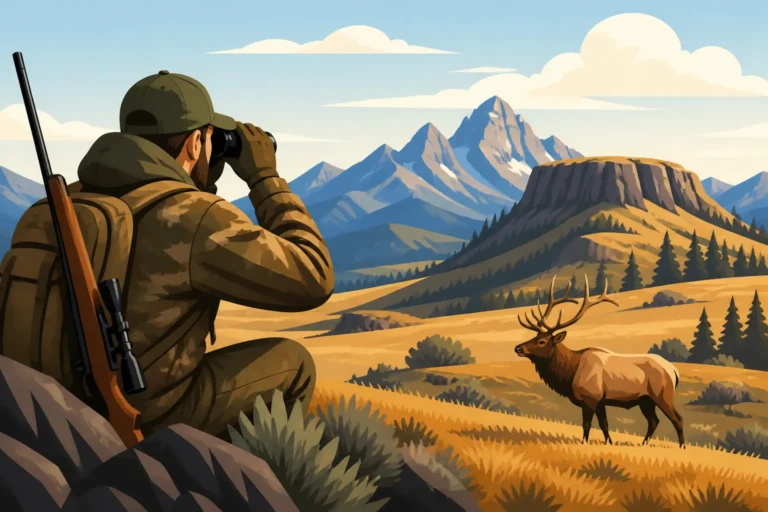
Early season archery hunts can find bucks in their summer bachelor groups in high basins, making glassing an essential skill. As rifle seasons progress, deer can be found in more timbered areas or steep, broken country offering security cover. The key to mule deer success in the Arapaho is extensive scouting, both before the season and during the hunt. Look for areas with a mix of feed, cover, and water, often where aspen stands meet conifer forests or in areas with patchy clearings. Don't overlook old burns or logged areas, as these can provide excellent new growth for foraging. Utilizing your optics effectively to pick apart distant hillsides and timber edges will significantly increase your odds.
Other Big Game and Small Game Possibilities
While elk and mule deer steal the spotlight, the Arapaho National Forest also offers opportunities for other species.
Black Bear: Colorado has a healthy black bear population, and they are often found in the same areas as elk and deer, particularly in dense oak brush, aspen groves, or areas with abundant berry crops. Bear tags are often available over-the-counter or as draw tags, depending on the unit. Hunting bears in the Arapaho can be a fantastic addition to an elk or deer hunt, but it requires patience and keen observation, as bears are notoriously reclusive. Understanding their diet and movements, especially in the fall when they are gorging to prepare for winter, is key.
Moose: Limited opportunities for moose exist in some units within the Arapaho, primarily through a highly competitive draw system. If you're lucky enough to draw a moose tag, you'll be focusing your efforts in wetland areas, willow bottoms, and riparian zones where moose prefer to browse. These hunts are truly once-in-a-lifetime for most.
Small Game: Don't forget about the small game! The Arapaho National Forest provides excellent habitat for various grouse species, including dusky (blue) grouse and ruffed grouse. Hunting these birds with a shotgun or a .22 can be a fun way to fill time or scout for big game. Cottontail rabbits and snowshoe hares are also present, offering additional hunting opportunities, especially for those looking to extend their time in the woods or introduce new hunters to the sport.
| Species | Primary Habitat Zones (Arapaho) | General Hunting Tactics | Tag Availability (Typical) |
|---|---|---|---|
| Elk | Dark timber, aspen groves, high alpine basins, river drainages | Calling, spot-and-stalk, still-hunting, ambushing travel corridors, wallows. | OTC (Archery, 2nd/3rd Rifle), Draw |
| Mule Deer | Open slopes, broken timber, rocky outcrops, migration corridors | Glassing, spot-and-stalk, still-hunting along transition lines. | Draw (most units), OTC (some areas) |
| Black Bear | Dense oak brush, berry patches, thick timber, adjacent to water | Spot-and-stalk, still-hunting, incidental during elk/deer hunt. | OTC (Fall), Draw |
| Moose | Willow bottoms, riparian zones, high mountain lakes/wetlands | Spot-and-stalk, still-hunting in preferred habitat. | Highly Competitive Draw Only |
| Grouse | Aspen forests, spruce-fir edges, old logging roads, riparian areas | Walking logging roads/trails, still-hunting through cover with a dog. | OTC (Small Game License) |
Essential Planning and Navigation for Your Hunt
Hunting the Arapaho National Forest is a significant undertaking that requires thorough planning and effective navigation skills. The rugged landscape and variable conditions demand more than just enthusiasm; they require meticulous preparation.
Leveraging Technology for E-Scouting and On-the-Ground Navigation
Gone are the days when a paper map and compass were your only tools. While still essential backups, modern technology has revolutionized how we scout and navigate in vast public lands. For the Arapaho, utilizing digital mapping applications is non-negotiable. Platforms like onX Hunt (a personal favorite for many years) allow you to meticulously e-scout from home, identifying public/private land boundaries, potential bedding areas, travel corridors, water sources, and access points. You can drop pins, measure distances, and create custom maps, saving precious time once you're on the ground.
Before you even leave your living room, you should be deep into your How to E-Scout Before a Colorado Hunt research. Pay attention to elevation changes, aspect (north-facing slopes often hold timber, south-facing slopes tend to get more sun and thaw earlier), and proximity to wilderness areas where pressure might be lighter. Once in the field, use your phone or a dedicated GPS device with downloaded maps for real-time navigation. Battery banks are crucial for keeping devices charged. Another valuable resource is GoHunt, which provides detailed draw odds, unit analyses, and harvest data, helping you make informed decisions about which hunt codes to apply for or which OTC unit to focus on. These tools are far more than just "apps" – they're critical components of a successful, safe, and efficient hunt in complex terrain like the Arapaho.
Weather Preparedness and High-Altitude Considerations
Colorado mountain weather is notoriously unpredictable. A warm, sunny morning can quickly turn into a raging snowstorm or a frigid downpour. This is especially true in the Arapaho, where elevations frequently exceed 10,000 feet. Proper layering is paramount; think moisture-wicking base layers, insulating mid-layers, and a waterproof/windproof outer shell. Always pack extra warm clothing, even if the forecast looks mild, because a sudden drop in temperature at altitude can be dangerous.
Beyond clothing, you need to understand the physiological effects of high altitude. Many parts of the Arapaho are well above 9,000 feet, which can lead to altitude sickness for those unaccustomed to it. Symptoms like headache, nausea, fatigue, and dizziness can severely impact your hunt and even become life-threatening. Acclimation is key; try to arrive a day or two early to allow your body to adjust. Stay hydrated, avoid alcohol, and maintain a healthy diet. If symptoms worsen, descend immediately. For more in-depth preparation, consider resources on Altitude Training for Colorado Hunting to build endurance and mitigate risks. Always have a plan for severe weather, including emergency shelters or quick routes back to your vehicle.
Managing Hunter Pressure and Finding Solitude
Let's be real: hunting on Colorado public land, especially closer to the Front Range, often means dealing with other hunters. The Arapaho National Forest is no exception. However, with its vastness and numerous wilderness areas, opportunities to find solitude absolutely exist. The trick is to identify where other hunters are likely to go and then intentionally choose a different path.
Many hunters will stick to areas with easy road access or well-defined trails. To escape the crowds, you'll need to be willing to hike further, climb steeper, or navigate through thicker timber. Using your mapping apps to find roadless areas or those several miles from the nearest trail head is a great starting point. Consider focusing on areas that require significant elevation gain right from the jump, as this quickly thins out the competition. Hunting during weekdays rather than weekends can also significantly reduce pressure. Remember that elk, in particular, will quickly learn to avoid areas with high human presence, often retreating into dense, north-facing timber or heading into wilderness areas once the orange army arrives. Understanding How to Hunt Elk on Public Land Pressure is crucial here.
Overcoming Challenges and Maximizing Success
Hunting in the Arapaho National Forest presents a unique set of challenges that, if anticipated and prepared for, can turn into rewarding successes. It's not just about finding the animals; it's about navigating the environment itself.
Physical Demands and Acclimation
The Arapaho National Forest is no place for the unprepared. The terrain is relentlessly steep, often rocky, and at high elevation. A typical day might involve thousands of feet of elevation gain and descent, carrying a heavy pack. This isn't just about being in "good shape" – it's about being in mountain hunting shape. You need strong legs, lungs, and a resilient mindset.
Begin a rigorous training regimen months before your hunt. Focus on cardiovascular endurance (hiking with a pack, stair climbing, running), strength training (especially legs and core), and flexibility. Simulate hunting conditions as much as possible. If you're not a Colorado resident, factor in time for proper acclimatization. Arriving a few days early and doing light hikes at altitude can make a huge difference in your performance and enjoyment. Don't underestimate how quickly the thin air can drain your energy and affect your decision-making. Dehydration can exacerbate altitude sickness, so consistent water intake is critical.
Gear Considerations for Mountain Hunting
Your gear can make or break your Arapaho hunt. Quality, lightweight, and durable equipment that performs in diverse mountain conditions is essential. Your backpack, for instance, needs to be comfortable for heavy loads, capable of carrying all your day hunting essentials, and also able to handle packing out meat if you're successful. When choosing, think about a pack that truly fits your body and distributes weight effectively, as discussed in Best Backpack for a Colorado Elk Hunt.
- Layered Clothing: As mentioned, adaptable layers are key. Merino wool or synthetic fabrics are superior for managing moisture and warmth. Avoid cotton at all costs.
- Boots: High-quality, broken-in mountain boots with good ankle support and stiff soles are non-negotiable. Your feet are your most important asset. Check out Best Boots for Colorado Elk Hunting for detailed recommendations.
- Optics: High-quality binoculars (10×42 or 12×50) and a spotting scope are critical for glassing vast basins. A rangefinder is also vital for ethical shot placement in steep terrain.
- Navigation: A reliable GPS device or a smartphone with a hunting app like onX Hunt, and a paper map and compass as backup.
- Emergency Kit: First-aid kit, fire starter, headlamp, emergency bivy, water filter, and enough food for an extra day.
- Weapon: Ensure your rifle, bow, or muzzleloader is sighted in for mountain conditions, including potential uphill/downhill shots.
- Pack Out Gear: Game bags, a sharp knife, paracord, and a sturdy pack frame. You’ll be grateful for robust game bags when it comes time for How to Pack Out an Elk in Colorado.
Post-Harvest Logistics
Successfully harvesting an animal in the Arapaho National Forest is just the beginning of another challenging phase: getting the meat out. This is where your planning and physical conditioning truly come into play. Many areas are deep in the backcountry, far from roads. You must be prepared to quarter the animal in the field, bone out the meat, and pack it out in multiple trips if necessary.
Consider how you’ll keep the meat cool, especially if hunting in warmer early seasons. Quality game bags are essential for protecting the meat from dirt and insects while allowing it to breathe and cool. Think about your route out; sometimes a slightly longer, less steep path is preferable to a direct, brutal ascent. If hunting solo, this task becomes even more demanding. Always have a clear plan for processing and storing your meat once you get it off the mountain. The Arapaho can be incredibly rewarding, but it demands respect for the animal and the effort required to make the most of your harvest.
Disclaimer
Please remember that hunting regulations and season dates in Colorado can change. Always consult the most current Colorado Parks and Wildlife (CPW) regulations brochure before planning any hunt. This guide is for informational purposes only and does not supersede official regulations.