Flat Tops Wilderness Hunting Guide
The Flat Tops Wilderness in Colorado is a place of breathtaking beauty and immense challenge, drawing in countless hunters with its promise of elk and mule deer, but it can feel utterly overwhelming for anyone who hasn't experienced its vast, rugged terrain. Trying to navigate this massive landscape, understand the unique game behavior, and even figure out where to begin planning can be incredibly frustrating. This guide will walk you through everything you need to know to confidently plan and execute a successful hunt in the Flat Tops, turning that daunting wilderness into a rewarding experience.
Understanding the Flat Tops Wilderness
The Flat Tops Wilderness Area isn't just a patch of mountains; it's the second-largest wilderness area in Colorado, spanning over 235,000 acres across the Routt and White River National Forests. It’s defined by its unique, well, flat tops – massive, table-like plateaus that rise above a landscape of steep canyons, dense timber, and alpine meadows. This diverse topography makes it a truly special, yet incredibly demanding, place to hunt.
Geography and Topography
Imagine vast, sweeping plateaus, often above 10,000 feet, suddenly giving way to deep, timbered drainages that seem to drop off into eternity. That's the Flat Tops. The elevations range from about 7,800 feet in the lower river valleys to over 12,000 feet on some of the highest peaks like Chinese Wall. This immense vertical relief creates varied habitats, from aspen and dark timber forests to open tundra and high-alpine basins. Rivers like the White River and the Yampa River originate here, carving out critical corridors and providing water sources that are vital to wildlife. The sheer scale means that while there are plenty of animals, finding them in such expansive, broken country is a significant feat, especially without the aid of motorized vehicles, which are strictly prohibited within the wilderness boundary.
Wilderness Area Regulations
Hunting in a designated wilderness area like the Flat Tops comes with specific rules and ethical considerations that are different from other public lands. Most importantly, no motorized vehicles are allowed. This means your access is limited to foot or horseback, demanding a high level of physical fitness and a willingness to pack everything in and out yourself. Campsites must adhere to Leave No Trace principles, which includes packing out all trash and properly disposing of human waste. Fire restrictions can be in place, especially during dry seasons, so always check with the local Forest Service office before you head out. Understanding these regulations isn't just about avoiding fines; it's about preserving the wild character of the Flat Tops for future generations and ensuring a respectful hunting experience. For a deeper dive into hunting on federal lands, check out our Colorado National Forest Hunting Guide.
Key Game Species and Seasons
While many species call the Flat Tops home, elk and mule deer are the primary draws for hunters. Knowing their behavior, preferred habitats within this unique ecosystem, and the specific season dates is crucial for increasing your odds of success.
Elk Hunting in the Flat Tops
The Flat Tops is renowned for its large elk herd, often cited as one of the biggest in the world. This doesn't mean it's easy hunting, however. Elk here are tough, smart, and used to significant pressure, especially during the rifle seasons. During early archery season, you might find bulls in higher basins, taking advantage of lush summer feed. As the rut approaches in September, the timbered slopes and creek bottoms become prime areas for bugling action. However, once the first shots ring out in rifle season, these elk quickly retreat into the deepest, darkest timber, often at elevations that test even the fittest hunters.
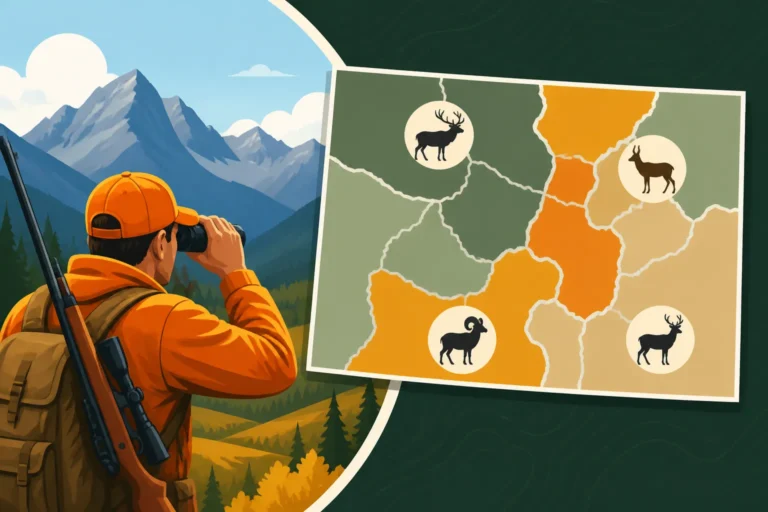
A general rule of thumb for Flat Tops elk is to focus on finding pockets of unpressured animals, which usually means getting further from roads and popular trailheads. E-scouting tools like onX Hunt are indispensable for identifying remote basins, saddles, and potential bedding areas that are hard to reach. Knowing the specific GMUs (Game Management Units) that encompass the Flat Tops – primarily GMUs 12, 23, and 24, with portions of others like 33 and 34 — is vital for understanding tag allocations and regulations. For those seeking a deeper understanding of elk behavior and hunting strategies, our Colorado Elk Hunting Guide offers extensive advice.
Mule Deer Opportunities
While elk often steal the spotlight, the Flat Tops also offers excellent mule deer hunting, especially for those willing to put in the effort. Mule deer here tend to inhabit similar rugged terrain as elk, often preferring south-facing slopes in the early and late seasons to catch the sun, and retreating to dense timber or north-facing slopes for cover and cooler temperatures during warmer periods.
Unlike elk, mule deer are typically more spread out and less vocal, making spot-and-stalk tactics particularly effective. You’ll spend a lot of time glassing vast areas, looking for a tell-tale ear flicker or the glint of an antler. During the archery and muzzleloader seasons, bucks can often be found in high-country basins. As rifle seasons progress and winter approaches, they'll often move to lower elevations and into denser cover. Understanding Colorado’s draw system and preference points is especially important for mule deer, as tags for quality units in the Flat Tops can be harder to come by than OTC elk tags. You can learn more about the application process and draw odds in our Colorado Draw System and Preference Points guide.
Colorado Hunting Seasons in the Flat Tops
Colorado's hunting seasons are structured across different weapon types and timeframes, each offering a distinct experience in the Flat Tops. Here’s a general overview, but always consult the current Colorado Parks and Wildlife (CPW) regulations for precise dates, which can change annually.
| Season Type | Typical Dates | Primary Game | Key Considerations |
|---|---|---|---|
| Archery | Late August – Late Sep | Elk, Mule Deer | During the rut, calling is highly effective; OTC options for elk. |
| Muzzleloader | Mid-September | Elk, Mule Deer | Shorter, challenging season; often coincides with rut. |
| 1st Rifle | Mid-October | Elk, Mule Deer | Limited tags, less pressure; usually before heavy snow. |
| 2nd Rifle | Late Oct – Early Nov | Elk, Mule Deer | Most popular, often OTC elk tags; significant pressure. |
| 3rd Rifle | Early Nov – Mid-Nov | Elk, Mule Deer | Colder, higher chance of snow; pressured elk move deep. |
| 4th Rifle | Mid-Nov – Late Nov | Elk, Mule Deer | Coldest, snowiest, migration hunts; limited tags. |
Note: Specific unit dates and tag types (e.g., antlered, antlerless, either-sex) vary greatly. Always confirm with the current CPW regulations.
The Archery season, especially for elk, can be fantastic in the Flat Tops, often offering over-the-counter (OTC) tags for bull elk in many units. This period coincides with the elk rut, where bugling can be heard echoing through the mountains. For rifle hunters, the second and third seasons are typically the busiest, with the most public land pressure. If you're looking to avoid crowds and are prepared for potentially harsh weather, the 4th Rifle season can offer excellent opportunities, particularly if migration patterns have begun to push animals to lower elevations. Understanding Colorado Hunting Seasons Explained can help you determine the best time for your specific goals.
Navigating and Scouting the Flat Tops
The sheer size of the Flat Tops Wilderness can be intimidating. Getting around efficiently and effectively scouting for animals requires a combination of modern tools and old-school wilderness savvy.
E-Scouting Before Your Hunt
Before you ever set foot in the Flat Tops, you should be spending hours behind your computer screen, e-scouting. This involves using digital mapping tools to analyze the terrain, identify potential game habitat, and plan your routes. Platforms like onX Hunt are incredibly valuable for this. You can overlay public/private land boundaries, satellite imagery, topographic maps, and even historical burn areas. Look for north-facing slopes with dense timber (good bedding), south-facing slopes (winter range or early morning sun), saddles and ridges (travel corridors), and most importantly, water sources that are away from roads and trails.
When e-scouting, try to identify primary and secondary access points, potential spike camp locations, and escape routes. The Flat Tops is huge, so pinpointing smaller, manageable drainages or basins to focus your effort can prevent you from feeling overwhelmed. Remember, because it’s a wilderness area, you won't be relying on roads, so pay close attention to contour lines and elevation changes to gauge the difficulty of travel. A great resource for this is our guide on How to E-Scout Before a Colorado Hunt.
Physical Scouting and Access Points
Nothing beats putting boots on the ground, but for an area as remote as the Flat Tops, that might mean a dedicated scouting trip in the summer, or arriving several days early for your hunt. Key access points for the Flat Tops include areas near towns like Meeker to the west, Yampa to the east, and along the Colorado River valley to the south (near Glenwood Springs and Rifle). From these points, numerous trailheads lead into the wilderness.
When physically scouting, pay attention to fresh sign: tracks, scat, rubs, and wallows. Look for transition areas where different habitat types meet, such as where timber breaks into an open meadow. This is where animals often feed or travel. Observe how thermals move in the morning and evening, as this will dictate your approach during the hunt. Even if you can't scout the exact area you plan to hunt, scouting similar terrain outside the wilderness boundary can provide valuable insight into animal patterns and movements. Remember, the further you get from popular trailheads, the less pressure you'll encounter.
Horseback vs. Backpack Hunting
Because motorized vehicles are prohibited, your options for deep penetration into the Flat Tops are limited to your own two feet or horseback. Each has its advantages and disadvantages.
Horseback Hunting:
Many seasoned Flat Tops hunters swear by horses or mules for their ability to cover vast distances, carry heavy loads, and navigate rugged terrain. If you're not an experienced horse packer, consider hiring a reputable outfitter for a drop camp. They can pack your gear and supplies deep into the wilderness, set up a comfortable camp, and leave you to hunt on your own before returning to pack you out. This allows you to hunt far from the crowds without the immense physical burden of packing in all your gear. However, horses add significant cost and complexity, and require careful planning regarding feed, water, and trail conditions.
Backpack Hunting:
For the physically fit and self-reliant, backpacking is the ultimate DIY Flat Tops experience. It offers unmatched flexibility and stealth, allowing you to go wherever your legs can take you. However, it demands meticulous gear selection to minimize weight, a strong understanding of backcountry survival, and an iron will to endure the physical toll. You'll need to be prepared to pack out an entire elk quartered on your back, which is a monumental task at elevation. Our Colorado Backcountry Hunting Guide provides crucial insights for those considering this challenging, yet incredibly rewarding, approach.
Essential Gear and Physical Preparation
Hunting the Flat Tops Wilderness is not for the faint of heart or the unprepared. The remote, rugged environment demands peak physical condition and a well-thought-out gear list to ensure safety, comfort, and success.
Crucial Gear for Wilderness Hunts
Your gear choices can literally make or break a Flat Tops hunt. Here’s a breakdown of what you'll absolutely need to consider:
- Navigation Tools: A reliable GPS device with pre-loaded maps (like a Garmin inReach or a handheld GPS), combined with a mapping app on your phone (like onX Hunt or Gaia GPS), is non-negotiable. Always carry a physical map and compass as backup, and know how to use them. Cell service is virtually nonexistent in most of the Flat Tops.
- Optics: High-quality binoculars (10×42 or 12×50 are common) and a spotting scope (if hunting mule deer or needing to pick apart distant hillsides) are critical. Don't forget a tripod for stable glassing.
- Shelter & Sleep System: A lightweight, durable tent or tarp designed for mountain weather, a warm sleeping bag rated for below-freezing temperatures, and a comfortable sleeping pad.
- Clothing Layers: The Flat Tops weather can change on a dime, from sunny and warm to sleeting snow in minutes. A robust layering system is key: moisture-wicking base layers, insulating mid-layers (fleece, puffy jacket), and a waterproof/windproof outer shell. Bring quality rain gear, even if the forecast looks clear.
- Footwear: Sturdy, waterproof hiking boots with good ankle support are paramount. Break them in well before your hunt! Pack extra socks.
- Backpack: A high-quality internal or external frame pack capable of carrying all your gear for multiple days, and crucially, strong enough to haul out heavy meat. Brands like Mystery Ranch or Kifaru are popular for their load-carrying capabilities.
- Water Filtration: A reliable water filter or purification tablets are essential, as you'll be relying on natural water sources.
- First-Aid Kit: A comprehensive kit for treating cuts, blisters, sprains, and other common backcountry ailments.
- Game Processing Tools: Sharp knife, game bags (essential for keeping meat clean and cool), paracord for hanging meat, and perhaps a small saw.
- Communication Device: A satellite messenger (like a Garmin inReach or Zoleo) for emergency communication, even if you don't plan to use it for daily check-ins.
- Headlamp: With extra batteries.
- Bear Spray: While black bears are not typically aggressive, it's always wise to carry bear spray in bear country, especially when dealing with gut piles or meat.
For a comprehensive checklist, refer to our Colorado Backcountry Hunting Gear List.
Physical and Mental Preparation
Hunting the Flat Tops is a marathon, not a sprint. The high elevation, steep terrain, and unpredictable weather will test you. You need to be in excellent cardiovascular shape. Start training months in advance, focusing on hiking with a weighted pack, stair climbing, and general strength training.
- Cardiovascular Endurance: Simulate mountain conditions by doing incline treadmill walks, stair master, or hiking local hills with a loaded pack. Aim for 45-60 minutes, 3-4 times a week.
- Strength Training: Focus on your core, legs, and back, as these muscle groups will bear the brunt of packing heavy loads and navigating uneven terrain.
- Acclimatization: If you're coming from sea level, plan to arrive in Colorado a few days early to allow your body to adjust to the higher altitude. Even a couple of days in Denver (5,280 ft) before heading to the 8,000-12,000 ft range of the Flat Tops can make a huge difference. Symptoms of altitude sickness can severely impact your hunt. Our Altitude Training for Colorado Hunting guide offers valuable advice.
- Mental Toughness: The Flat Tops can be physically and emotionally draining. You'll face challenges, fatigue, and moments of doubt. Cultivate a positive mindset, practice problem-solving, and be prepared to push through discomfort. Knowing your limits is also crucial; don't take unnecessary risks.
Common Challenges and How to Overcome Them
Every wilderness hunt comes with its own set of hurdles, and the Flat Tops is no exception. Understanding these common challenges beforehand allows you to prepare effectively and increase your chances of a successful and safe trip.
Navigating the Vastness and Terrain
One of the biggest struggles in the Flat Tops is simply covering ground and staying oriented. The plateau tops can be deceptive, appearing flat on a map, but often riddled with drainages, rock formations, and dense timber pockets that make travel slow and arduous. Dropping into a canyon to chase an elk only to realize it's a thousand-foot climb back out with a heavy pack can be mentally crushing.
Overcoming It:
Thorough e-scouting is paramount. Understand the elevation changes, identify natural travel corridors, and mark potential points of interest. Always have your GPS and map at hand, checking your position frequently. Don't rely solely on a single waypoint; mentally map out your route and have contingency plans. When you're in the timber, pay attention to landmarks – unique trees, rock formations, changes in slope – to help maintain your bearing. Remember, even with modern tech, a dead battery or a dropped device can happen, so a physical map and compass are your ultimate safeguards.
Dealing with Weather and High-Altitude Conditions
The weather in the Flat Tops is notoriously unpredictable. A warm, sunny morning can quickly turn into a blizzard in the afternoon, even in September. Hunters often underestimate the impact of high-altitude conditions like thin air, cold temperatures, and sudden storms. Hypothermia is a real threat, and dehydration can set in quickly if you're not diligent about water intake.
Overcoming It:
Layering is your best friend. Pack clothing for all four seasons, even if the forecast looks mild. Always carry rain gear and an extra insulating layer. Stay hydrated by drinking plenty of water, even when you don't feel thirsty, and replenish electrolytes. Learn the signs of altitude sickness (headache, nausea, fatigue) and descend immediately if they worsen. Check the local weather forecast daily using a satellite messenger if possible, but be prepared for it to change. When planning your camp, consider sheltered locations out of direct wind and potential avalanche paths if hunting in late seasons with heavy snow. Our How to Hunt Elk at High Elevation article delves deeper into adapting to these conditions.
Hunter Pressure and Finding Unpressured Animals
The Flat Tops is a popular hunting destination, especially for OTC elk tags during the rifle seasons. This means hunter pressure can be significant, especially near roads and easily accessible trailheads. Elk are incredibly adept at avoiding people, and heavy pressure will quickly push them into the thickest, nastiest timber or into roadless wilderness areas where few dare to tread.
Overcoming It:
To truly find unpressured animals, you have to be willing to go where others won't. This often means packing in several miles from the trailhead, navigating rougher terrain, or tackling steep climbs that deter most hunters. E-scouting can help you identify these harder-to-reach areas. Consider hunting mid-week when pressure might be slightly lower, or focusing on less popular GMUs that still fall within the Flat Tops ecosystem but might require more points to draw. Learning How to Hunt Elk on Public Land Pressure is vital for success in these popular units. Sometimes, simply waiting out the initial rush on opening day and then moving into areas where other hunters have already pushed the elk can be an effective tactic.
Making the Most of Your Flat Tops Hunt
Once you’ve done your research, gathered your gear, and trained your body, it’s time to focus on tactics that will help you actually find and harvest an animal in the expansive Flat Tops Wilderness.
Effective Hunting Strategies
Given the size and terrain of the Flat Tops, a static approach rarely pays off. You need to be adaptable and strategic.
- Spot-and-Stalk: This is a highly effective method, particularly for mule deer but also for elk in open country or during early seasons. Find a high vantage point in the morning or evening, and spend hours patiently glassing open parks, basins, and timber edges. Use high-quality optics (and a tripod!) to pick apart the landscape. Once you spot an animal, carefully plan your approach, using terrain features and wind to your advantage. Remember, the Flat Tops has many large basins, making How to Glass Big Colorado Basins a critical skill.
- Still-Hunting: In the dense timber, spot-and-stalk often isn't feasible. Still-hunting, which involves moving extremely slowly and deliberately through cover, stopping frequently to glass and listen, is more effective. This allows you to surprise animals in their bedding areas or along travel routes. Pay close attention to wind direction, thermals, and the sounds of the forest. When still-hunting for elk, focus on areas like thick lodgepole pines or spruce-fir forests, especially on north-facing slopes where they seek cover.
- Calling: During the archery and muzzleloader seasons, elk calling can be incredibly effective, especially during the rut. Practice your cow calls, bugles, and chirps. Understand when to be aggressive and when to be subtle. Often, a combination of calling and strategic setups with a partner (one caller, one shooter) can entice a bull into range. Be mindful that calling can also attract other hunters, so always be aware of your surroundings. Our How to Call Elk in Colorado guide provides excellent tips.
- Hunting Water Sources and Wallows: Especially during dry periods, elk and deer rely heavily on water. Identify springs, seeps, and wallows (for elk) during your e-scouting and focus your attention on these areas, particularly in the mornings and evenings. These can be excellent ambush points.
Setting Up Camp and Hunting from a Base
Your camp setup directly impacts your hunting efficiency and comfort. In the Flat Tops, a smart camp strategy is vital.
- Base Camp vs. Spike Camp: Many hunters will establish a comfortable base camp, often just inside the wilderness boundary (or even outside, if they're using horses for daily access), and then hunt from there. This allows for more amenities and easier resupply. However, to access more remote areas, consider setting up temporary spike camps. These are lightweight, minimalist camps designed for a night or two, allowing you to push deeper into elk country and reduce daily travel time. This strategy is critical for accessing truly unpressured elk. Learn how to optimize your setup with our How to Set Up a Colorado Spike Camp article.
- Location, Location, Location: When choosing a camp spot, consider proximity to water, protection from wind and weather, and ease of access to your hunting grounds. Avoid setting up right on top of heavily used game trails, as this will disturb animals. Always adhere to Leave No Trace principles, camping at least 200 feet from water sources and trails. In the Flat Tops, look for flat spots near timber for shelter, but ensure good drainage in case of rain or snow.
- Security and Food Storage: In bear country, proper food storage is non-negotiable. Use bear-resistant containers, hang your food from a tree using a bear bag system, or store it away from your sleeping area. Keep a clean camp to avoid attracting unwanted visitors.
Field Processing and Meat Care
Successfully harvesting an animal in the Flat Tops is only half the battle. Getting the meat off the mountain and cared for properly is the other, often more challenging, part.
- Quartering in the Field: Unless you have horses or are very close to a road, you will need to quarter your animal in the field. This means breaking it down into manageable pieces (the four quarters, backstraps, tenderloins, neck meat, etc.) at the kill site. Be proficient with your knife work. Speed is of the essence, especially in warmer temperatures.
- Game Bags: Bring plenty of breathable game bags (synthetic or cotton) to protect the meat from dirt, flies, and debris. They also allow air circulation to help cool the meat. Once bagged, hang the meat from a tree to cool as quickly as possible, especially overnight.
- Packing Out: This is where your physical preparation truly pays off. Be prepared for multiple trips if necessary. A large, durable pack is essential. Remember to factor in the weight of the hide and head if you plan to keep them. Plan your routes carefully, avoiding unnecessary elevation changes. Our How to Pack Out an Elk in Colorado guide offers detailed instructions.
- Keeping Meat Cool: Even in colder mountain temperatures, meat can spoil if not handled correctly. Get it off the bone and into game bags as quickly as possible. Hang it in the shade, allowing air to circulate. If temperatures are unusually warm, consider packing out ice to place with the meat during transport, though this is often impractical deep in the wilderness.
Disclaimer
Hunting is an inherently dangerous activity. This guide provides general information and recommendations but cannot account for all variables or individual circumstances. Always prioritize safety, understand and follow all Colorado Parks and Wildlife regulations, and be prepared for emergencies. The author and publisher are not responsible for any accidents, injuries, or legal issues that may arise from hunting in the Flat Tops Wilderness or anywhere else.