How to Draw a Colorado Black Bear Tag
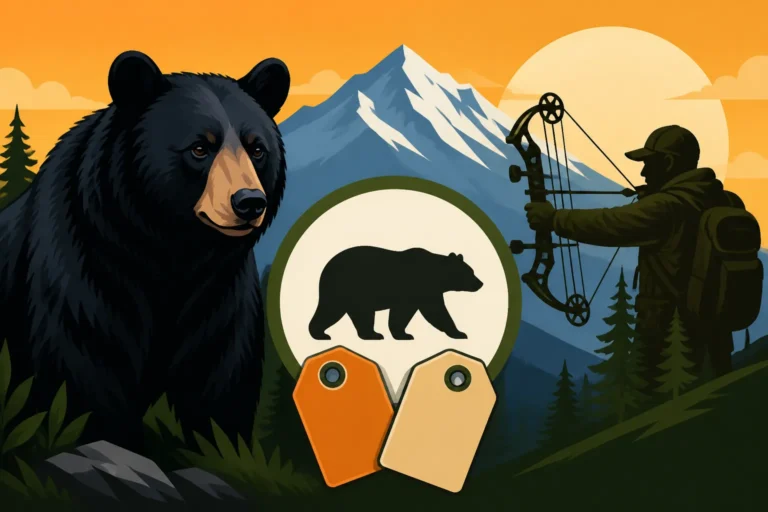
The thought of chasing black bears through Colorado's rugged landscapes is exciting, but for many hunters, the permit process feels like navigating a dense, confusing forest itself. Getting a Colorado black bear tag isn't always straightforward, especially when you're trying to understand the draw system, different season options, and how to maximize your chances. This comprehensive guide will break down exactly how to apply for and successfully draw a Colorado black bear tag, helping you confidently plan your hunt.
Decoding Colorado's Black Bear Draw System
Unlike elk or deer, Colorado's black bear draw system operates a little differently, which can be a source of real head-scratching for both new and seasoned hunters. The most crucial thing to understand right off the bat is that bear tags in Colorado do not use a preference point system. This means that every applicant in the draw essentially starts on equal footing for each application period, making it a true lottery draw rather than a system where accumulated points guarantee success over time.
Understanding Draw Types and Tag Options
Colorado Parks and Wildlife (CPW) offers black bear tags primarily through a limited draw, often tied to specific seasons and game management units (GMUs). This means you're typically applying for a tag that allows you to hunt bear within a particular unit during a specific timeframe, often concurrent with elk or deer seasons.
The primary draw for black bear licenses usually occurs alongside the big game draw in April. It's during this period that most bear tags are allocated. You'll apply for a specific hunt code, which designates the GMU, season, and weapon type. It's vital to research these hunt codes meticulously, as they dictate where and when you can hunt. For many units, bear tags are "over-the-counter" (OTC) only as an add-on to a drawn elk or deer tag for that specific unit and season. If you don't draw an elk or deer tag, you often won't be able to buy an OTC bear tag in those units. However, there are also dedicated bear seasons in some GMUs, typically in the fall, which are draw-only and not tied to another big game license. This distinction is paramount to avoiding disappointment.
The Nuances of Bear Seasons
Colorado offers distinct bear seasons, each with its own set of rules and draw dynamics:
- Spring Bear Seasons: These are very limited and typically occur in specific GMUs, usually on private land or through specialized outfitter programs. They are exclusively draw-only tags and often highly sought after. These early seasons target bears as they emerge from dens, often focused on food sources.
- Archery Bear Seasons: These seasons align with the statewide archery elk and deer seasons. If you draw an archery elk or deer tag, you might have the option to buy an OTC bear tag for that unit, but some units also offer limited draw-only bear tags during the archery window. This is where understanding your chosen GMU's specific regulations is critical. You can learn more about general archery tactics in our Colorado Archery Elk Hunting Guide.
- Muzzleloader Bear Seasons: Similar to archery, these seasons often run concurrently with muzzleloader big game seasons. Again, some units allow OTC bear tags if you have a muzzleloader elk or deer tag, while others require a specific draw tag for the bear.
- Rifle Bear Seasons (Combined): These are the most common bear hunting opportunities, occurring during Colorado's four rifle elk and deer seasons. Many hunters applying for rifle elk or deer tags will also apply for a bear tag or purchase an OTC bear tag if available for their unit and season.
- Dedicated Fall Bear Seasons: Some GMUs offer specific, draw-only fall bear seasons that are not tied to an elk or deer tag. These often occur in September and can be excellent opportunities for hunters solely focused on bear. These tags are also part of the limited draw system.
Understanding these seasonal distinctions and how they interplay with the main big game draw is the first hurdle in planning your bear hunt. Resources like the CPW website and scouting tools like GoHunt are invaluable for drilling down into GMU-specific rules and historical draw data.
The Step-by-Step Black Bear Application Process
Applying for a Colorado black bear tag, while not using preference points, still requires careful attention to detail and strict adherence to deadlines. Missing a step or a crucial date can easily mean missing out on your chance to hunt. The primary draw period is your main opportunity, but understanding the secondary draw and leftover possibilities is also key.
Essential Pre-Application Research
Before you even think about filling out a form, you need to do your homework. This isn't just about picking a random unit; it's about making an informed decision that aligns with your hunting goals.
- Familiarize Yourself with GMU Regulations: Each Game Management Unit (GMU) has specific regulations regarding bear seasons, harvest limits, and whether tags are draw-only or available OTC as an add-on. The CPW's annual Big Game Brochure is your bible for this information. Pay close attention to the "Bear Season Dates and Regulations" section for each GMU you're considering. Tools like the Colorado Hunting Atlas Explained can help you visualize these units and their boundaries.
- Evaluate Bear Populations and Success Rates: Look at historical data on bear populations and hunter success rates within potential GMUs. While CPW does not publish specific bear preference point requirements (because there aren't any), they do provide draw odds and harvest statistics. This data is critical for gauging your chances. Websites like GoHunt consolidate this information and provide user-friendly tools to analyze draw odds, helping you make smarter application choices.
- Consider Your Preferred Hunting Method and Season: Do you want to hunt with a bow in the early fall or with a rifle during one of the combined seasons? Are you looking for a dedicated bear hunt, or will it be a secondary animal to an elk or deer hunt? Your preferred method will narrow down the available season dates and, consequently, the hunt codes you'll apply for.
Navigating the Online Application Portal
Colorado's hunting license applications are primarily handled through the CPW's online portal. The main draw period for bear tags coincides with elk and deer applications, typically opening in March and closing in early April.
- Purchase Your Qualifying License: Before you can even apply for a bear tag, you must purchase a current year's hunting license and a Habitat Stamp. For non-residents, this can be a significant upfront cost. Make sure you understand the Colorado Non-Resident Hunting License Guide and Colorado Hunting License Costs before you begin.
- Access the CPW Licensing System: Log in to your CPW account. If you don't have one, you'll need to create a customer profile, which involves providing personal information and often a hunter education certification.
- Select Your Hunt Code: This is the most critical part. You'll need to enter the specific hunt code for the black bear tag you wish to draw. This code will specify the species (bear), GMU, season, and weapon type. Double-check this code against the Big Game Brochure and your research. For instance, you might apply for a hunt code that allows you to harvest a bear during the 2nd rifle season in GMU 43. Be aware that you can apply for multiple choices (e.g., first, second, third choice units), but typically only one bear tag can be drawn per person per year.
- Confirm Your Application: Review all your selections carefully before submitting. Ensure your hunt code is correct, your personal information is accurate, and your payment method is valid. Your credit card will be charged if you are successful in the draw.
The Colorado Primary Draw Explained details the overall timeline, which is crucial for bear applications as well. Results are usually announced in late May or early June, giving you time to plan if you're successful.
Boosting Your Chances: Strategies for Drawing a Bear Tag
Since Colorado's black bear draw is a true lottery, you can't accumulate preference points to guarantee a tag. However, there are definite strategies you can employ to increase your statistical odds and make the most informed choices. It’s all about playing the numbers and understanding the landscape.
Strategic Unit Selection
The most significant factor in your draw odds for a black bear tag is the Game Management Unit (GMU) you choose. Some units are simply harder to draw than others due to higher bear populations, better public land access, or less pressure.
- Analyze Draw Odds: CPW publishes draw odds for previous years. While past performance doesn't guarantee future results, it's the best indicator you have. Look for units where the success rate for drawing a tag (not hunting success, but drawing success) is higher. You might consider applying for units that are not traditionally known as "trophy" units if your primary goal is simply to harvest a bear. Platforms like GoHunt provide comprehensive draw odds breakdowns by unit and season, allowing you to filter and compare units based on your criteria.
- Consider Lesser-Known Units: Everyone wants to hunt in the prime elk or deer units, and often, bear tag applications follow suit. Sometimes, focusing on units that might not be top-tier for other species but still hold a healthy bear population can improve your draw odds. These units might have rougher terrain, fewer roads, or less established public access, making them less appealing to the masses but potentially more rewarding for a dedicated bear hunter. Our Colorado Backcountry Hunting Guide might offer insights into accessing these less-pressured areas.
- Research "Add-on" Opportunities: For many hunters, the easiest way to get a bear tag is by drawing an elk or deer tag in a unit where an OTC bear tag is available as an add-on. If your primary goal is an elk or deer hunt, research units where this combination is possible. For example, some units in the White River National Forest or Flat Tops Wilderness might offer this flexibility.
Timing Your Application and Season Choice
The specific season you apply for also impacts your draw odds.
- Dedicated Fall Bear Seasons: If your sole focus is bear hunting, applying for a dedicated fall bear season can be a good strategy. These seasons, typically in September, are draw-only and not dependent on drawing another big game tag. While still a lottery, they often have different applicant pools compared to the combined rifle seasons.
- Avoid Peak Demand Seasons: Rifle seasons, especially 2nd and 3rd rifle, tend to be the most popular for elk and deer. Consequently, bear tags linked to these seasons might see higher demand, even if they are OTC as an add-on. If you're flexible, considering archery or muzzleloader seasons might offer slightly better bear tag opportunities in certain units, particularly if you have the skills and equipment for those methods. Learn more about Colorado Muzzleloader Hunting Guide.
The Group Application Advantage
While not directly applicable to increasing your personal draw odds for a bear tag in a non-preference point system, applying as a group can offer some benefits if you're hunting with companions. In Colorado, if you apply as a group for limited licenses, your application is treated as a single entity. If drawn, all members receive a tag. The downside is that if any member of the group would not have drawn a tag based on their individual application (if, for example, they were missing a prerequisite), the entire group may fail to draw. However, for a random draw like bear, it simply means you either all get a tag or none do. This simplifies planning for hunting partners.
| Colorado Black Bear Draw Quick Facts | Details |
|---|---|
| Preference Point System | None for black bear tags. All applicants have equal draw odds each year. |
| Primary Draw Application | Coincides with elk/deer draw (March-April). Apply for specific hunt codes. |
| Season Types | Limited Spring (rare), Archery, Muzzleloader, Rifle (combined with other species), Dedicated Fall Bear (draw-only, not tied to other species). |
| OTC Options | Usually only as an add-on to a drawn elk/deer tag in specific GMUs and seasons. Dedicated fall seasons are strictly draw-only. |
| Key Resource | CPW Big Game Brochure, CPW Draw Odds reports, reputable scouting tools like GoHunt. |
| What to Research | GMU-specific regulations, historical draw odds, harvest statistics, public land access. |
Avoiding Common Mistakes in Your Colorado Bear Draw Application
Even with a clear understanding of the system, it's easy to make mistakes that can cost you a valuable black bear tag. A little extra diligence can go a long way in ensuring your application is flawless and gives you the best possible chance.
Missing Deadlines and Overlooking Regulations
This is probably the most common and heartbreaking mistake. Colorado's draw deadlines are strict, and there are no do-overs.
- Mark Your Calendar: The primary draw application period typically closes in early April. Set multiple reminders for yourself well in advance to ensure you have ample time to research and submit your application.
- Read the Brochure Thoroughly: Every year, CPW publishes a new Big Game Brochure. Do not assume the rules are the same as last year. Regulations, hunt codes, and even GMU boundaries can change. Pay particular attention to the "General Information" and "Black Bear" sections. This is critical for understanding things like Colorado Antler Point Restrictions Explained or specific bear harvest limits, though bear regulations generally don't include antler point rules, it shows the importance of reading the full regulations for all species you hunt.
- Understand GMU-Specific Rules: A bear tag for GMU 43 might have different rules or OTC possibilities than a tag for GMU 231. Never assume one unit's rules apply to another. Use the CPW website or the Colorado Hunting Atlas Explained to confirm details for your chosen area.
Not Researching Your Unit Choices Adequately
Going into the draw blind, without thoroughly vetting your chosen GMU, is a recipe for disappointment, even if you draw a tag.
- Beyond Draw Odds: While draw odds are important, they don't tell the whole story. You need to consider access, terrain, bear habitat, and hunter pressure. A unit might have high draw odds, but if it's mostly private land with limited public access, or if the terrain is incredibly rugged without viable bear habitat, drawing a tag there might not lead to a successful hunt. This is where tools like GoHunt come in handy, offering mapping overlays and data beyond just the draw odds.
- E-Scouting is Essential: Even if you can't physically scout a unit, you can do extensive e-scouting using satellite imagery, topographic maps, and public land ownership maps. Look for north-facing slopes, dense timber, riparian areas, and oak brush — all prime bear habitat. Learn How to E-Scout Before a Colorado Hunt to get a serious advantage.
- Don't Forget About Food Sources: Bear movements are heavily dictated by food availability. Consider the time of year you'll be hunting and what food sources (berries, acorns, serviceberry, chokecherry) will be present and abundant. If the mast crop is poor, bears might be more spread out or concentrated in different areas than usual.
Underestimating the Commitment
Drawing a bear tag is just the first step. Bear hunting in Colorado can be incredibly challenging, requiring physical fitness, patience, and a deep understanding of bear behavior.
- Physical Preparation: Colorado's bear country is often steep and rugged. Be prepared for demanding hikes, especially if you plan on pursuing bears in the backcountry. Our guide on How to Physically Prepare for Colorado Elk can also be highly relevant for bear hunting in similar terrains.
- Patience and Persistence: Bears are elusive animals. Success often comes down to spending time in the field, knowing their habits, and being in the right place at the right time. Unlike elk during the rut, bears aren't typically vocal, making them harder to locate.
- Field Care: If you are successful, be prepared for the work of field dressing and packing out a bear, which can be a substantial animal. Keeping the meat cool is especially important if hunting in warmer early fall conditions.
By diligently preparing your application, thoroughly researching your chosen units, and understanding the unique challenges of bear hunting, you'll significantly increase your chances of drawing a Colorado black bear tag and having a memorable hunting experience.
Disclaimer
Please note that hunting regulations, season dates, and draw procedures are subject to change by Colorado Parks and Wildlife (CPW). While this guide provides comprehensive and current information, it is the hunter's responsibility to verify all regulations directly with CPW before applying for licenses or heading into the field. This content is for informational purposes only and should not be considered legal advice or a substitute for official CPW publications.