How Colorado Point Creep Affects Your Odds
It's incredibly frustrating, isn't it? You spend years diligently applying for preference points in Colorado, building up what you think is a solid foundation for a great tag, only to find that the number of points needed for that dream unit has somehow jumped again, seemingly overnight. It feels like you're running on a treadmill that keeps speeding up, and your hard-earned points are losing value. This guide is all about explaining that phenomenon, known as "point creep," why it happens, and what you can do to navigate this challenging aspect of Colorado's big game draw system.
What Exactly is Point Creep?
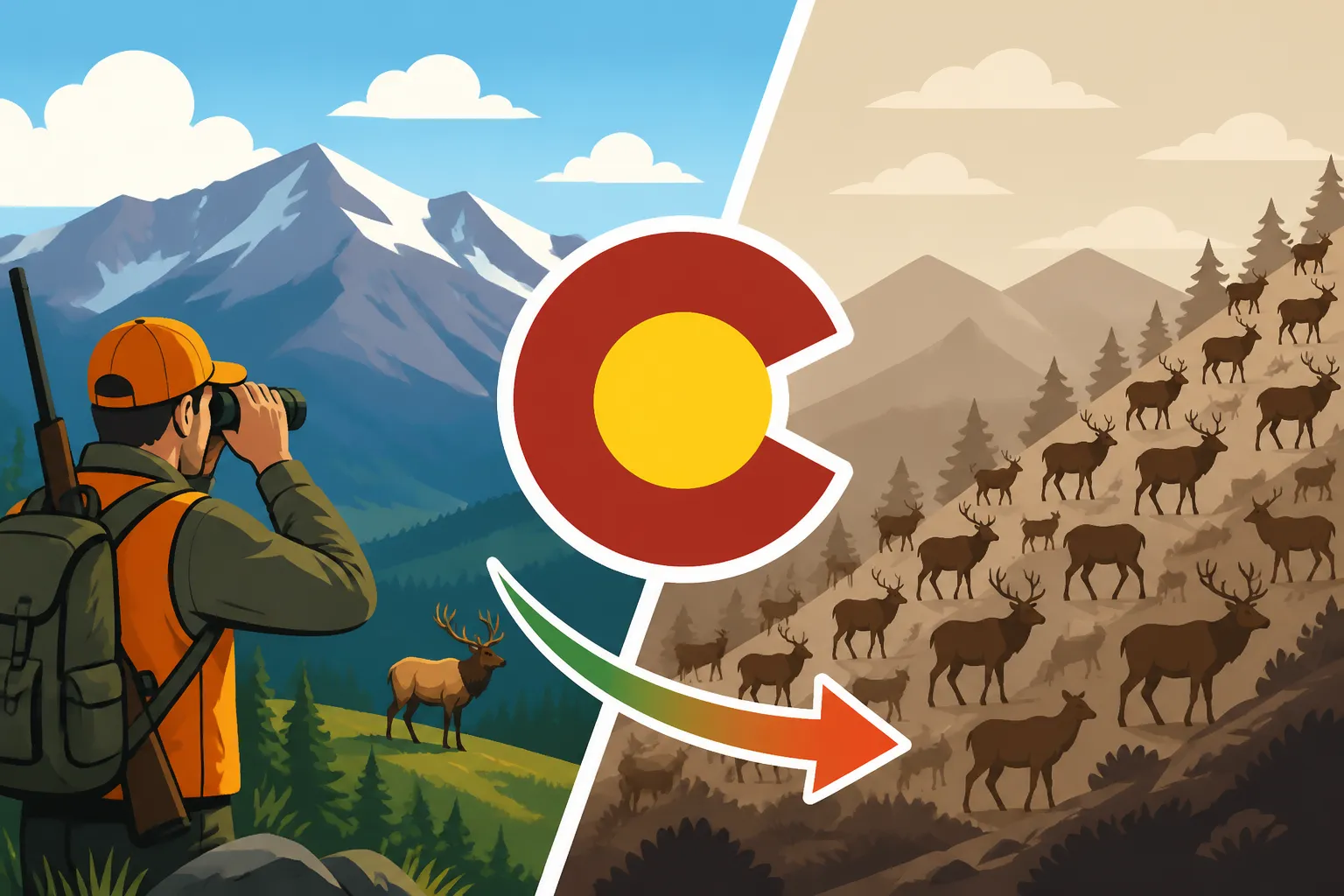
Let's cut right to the chase: point creep is the slow, often agonizing, increase in the minimum number of preference points required to draw a specific hunting license in Colorado. Imagine a ladder where each rung represents a point. You climb a rung each year, hoping to reach the top where that coveted tag resides. Point creep is when, year after year, the top rung of that ladder mysteriously moves higher, always just out of reach, even as you continue to climb.
This isn't just a random occurrence; it's a direct result of simple supply and demand, but with a few unique twists specific to western hunting draws. The demand for quality hunting opportunities in Colorado, particularly for sought-after species like elk and mule deer in desirable units, continues to grow. More hunters, both residents and non-residents, are entering the draw system, and many of them are consistently building preference points. When the number of available tags for a specific hunt code either remains stagnant or, in some cases, even decreases, but the pool of applicants with high points expands, the point requirement inevitably creeps upward. It’s a vicious cycle that leaves many hunters feeling like their investment of time and money in building points isn't paying off as they'd hoped.
How Colorado's Preference Points Work
To truly grasp point creep, you first need a solid understanding of how Colorado's preference point system operates for limited licenses. Unlike some states with random lotteries or weighted point systems, Colorado uses a true preference point system for most big game species. When you apply for a limited license, you list your choices in order of preference. If you don't draw your first choice, you get a preference point. If you apply for a point only, you also get one. These points accumulate over time, and when it's your turn in the draw, your points are essentially your place in line. The hunter with the most points for a specific hunt code draws the tag first, then the next highest, and so on, until all tags are allocated or all applicants with sufficient points have drawn.
The system is designed to reward loyalty and persistence, allowing hunters who accumulate more points a better chance at drawing highly desirable tags. However, it's this very mechanism that makes point creep so impactful. As more and more hunters gather high point totals, the "line" for those premium tags gets longer and the entry requirement (minimum points needed) steadily increases. It means that the tag you might have drawn with 5 points five years ago could now require 8 or 9 points, simply because more hunters now have 5, 6, or 7 points ahead of you. For a deeper dive into the mechanics, check out our guide on Colorado Preference Points Explained.
The Unseen Forces Driving Point Creep
Point creep isn't a single monster; it's a culmination of several powerful forces at play within Colorado's hunting landscape. Understanding these underlying causes can help you anticipate future trends and make more informed decisions about your own draw strategy. It’s not about blame; it’s about recognizing the realities of a highly competitive system.
Skyrocketing Hunter Demand
Let's face it, Colorado offers some incredible hunting opportunities, and the secret is out. The state's stunning landscapes, robust elk herds, and opportunities for other big game species like mule deer and pronghorn draw hunters from across the nation, and indeed, the world. There's been a noticeable increase in interest in public land hunting, partly fueled by a desire for self-sufficiency, outdoor recreation, and perhaps even social media showcasing successful hunts.
This surge in popularity means more people are applying for Colorado hunting licenses each year, both as residents and non-residents. Many new hunters enter the system, and seasoned hunters continue to build points, creating an ever-expanding pool of applicants. Every year, more hunters are accumulating points, adding to the competition for those limited tags. This intense demand puts immense pressure on the draw system, pushing point requirements higher and higher, particularly for highly sought-after units known for trophy potential or easy access.
Stable or Decreasing Tag Allocations
While hunter demand is on the rise, the number of tags available for many specific hunt codes isn't necessarily increasing at the same rate, and in some cases, may even decrease. Colorado Parks and Wildlife (CPW) manages wildlife populations based on biological objectives, herd health, habitat conditions, and social tolerances. These management decisions often prioritize healthy, sustainable herds over maximizing hunter opportunity in every single unit.
For example, if a particular elk herd objective is met, or if there's concern about winter range conditions, CPW might maintain tag numbers or even reduce them for a specific unit or season. This is especially true for limited antlered tags, which are often the most coveted. When the supply of tags remains static or shrinks, but the number of applicants with points grows, the consequence is inevitable point creep. It means that while you're patiently collecting points, the "prize" (the tag) might actually be becoming scarcer in relation to the number of people trying to get it.
The Non-Resident Factor
Non-resident hunters play a significant role in Colorado's draw system and, consequently, in point creep. Colorado is a popular destination for out-of-state hunters, and while CPW allocates a certain percentage of tags to non-residents (typically around 20-35% for elk, varying by species and unit), the sheer volume of non-resident applicants building points is substantial.
For many non-residents, Colorado represents one of the best opportunities for a western big game hunt, especially for elk. They often apply consistently for years, accumulating significant point totals, sometimes even more points than many residents. This isn't a criticism; it's simply a reality of the draw. These dedicated non-resident point-holders contribute directly to the competitive pressure on high-demand units, driving up the point totals for everyone. Understanding Colorado Non-Resident Tag Allocation Explained can shed more light on how these percentages impact the overall draw dynamics and contribute to the point creep phenomenon.
Personal Impact: How Point Creep Reshapes Your Hunt Plans
Point creep isn't just a statistical anomaly; it has very real, tangible effects on your personal hunting strategy and expectations. It can force you to re-evaluate years of planning and even change your entire approach to hunting Colorado. This feeling of constantly moving goalposts is what truly frustrates so many dedicated hunters.
The Endless Wait for Desired Tags
Perhaps the most direct impact of point creep is the extended waiting period for many desirable tags. What you once thought was a 3-5 year point build for a solid unit might now be a 7-10 year endeavor. For instance, a mule deer unit that historically required 4 points could suddenly jump to 6 or 7 points within a few seasons, thanks to a glut of applicants building up similar point totals. This means you might be consistently building points, year after year, only to see the number of points required for your target tag increase right alongside yours, effectively keeping that tag just out of reach.
It forces you to ask tough questions: Do I keep holding out for this specific unit, knowing it might take even longer, or do I adjust my expectations? This isn't just a matter of patience; it's also a matter of how many productive hunting years you have left, especially for those of us who aren't getting any younger. The dream of hunting a specific area or achieving a certain level of success can feel like it's perpetually deferred due to this creeping requirement. You might feel like you're caught in an unwinnable race.
Chasing Points Versus Hunting Annually
Point creep creates a significant dilemma: do you commit to accumulating points for a highly desirable, but increasingly elusive, limited tag, or do you prioritize getting out into the field annually with an over-the-counter (OTC) or easier-to-draw tag? Many hunters fall into the trap of "point chasing," where they continue to apply for a point-heavy unit, foregoing opportunities to hunt other areas or species in the meantime.
If you decide to chase a high-point tag, you might go several years, or even a decade or more, without drawing a premium license. While you can often still buy an OTC elk tag to get out and hunt, the specific hunt you're building points for remains a distant dream. This can lead to hunting burnout or a sense of frustration if you feel like you're putting in the time and money without the reward of a drawn tag. On the other hand, if you decide to burn your points on an easier-to-draw tag just to get a license, you sacrifice all that accumulated preference, which can feel like a massive loss, especially if that elusive dream unit suddenly becomes accessible the following year. It's a constant mental battle, weighing the bird in hand against the two in the bush. When considering your options, it's worth reviewing how many points you might need for different species and units, as detailed in articles like How Many Points for a Colorado Elk Tag.
Dream Units Becoming Out of Reach
For some, point creep means that certain "trophy" units or historically productive areas simply become unattainable without an extreme, multi-decade commitment to building points. Consider a highly coveted unit for a monster mule deer buck that now requires 20+ points for a non-resident. For a hunter starting out or even one with a few points already, that number can feel insurmountable. It essentially takes those units off the table for many individuals, reserving them for a select few who have been meticulously building points for a very long time.
This can be disheartening, especially if you had your heart set on hunting a specific region or a particular quality of animal. Point creep pushes these dream hunts further and further into the realm of fantasy for the average hunter, forcing a reset of expectations and a re-evaluation of what a successful Colorado hunt truly looks like for them.
Strategic Moves to Combat Point Creep
While point creep is a frustrating reality, it doesn't mean you're powerless. With a thoughtful strategy and a willingness to adapt, you can still find fantastic hunting opportunities in Colorado. It's all about playing the long game and being flexible.
Be Flexible with Units and Seasons
One of the most effective ways to combat point creep is to broaden your horizons beyond the most publicized "trophy" units. While everyone dreams of hunting GMU X known for giant bulls, there are many other excellent units across the state that require significantly fewer points, or sometimes even zero points. These units might offer a different type of hunt, perhaps with more rugged terrain, fewer roads, or less established elk populations, but they can still provide incredible experiences and freezer-filling opportunities.
Don't just look at the highest point requirements; delve into the units requiring mid-range points or even those that sometimes go undersubscribed. Similarly, consider hunting different seasons. Archery seasons, for example, often require fewer points than rifle seasons for comparable units, especially in the early archery window. Muzzleloader seasons, though shorter and with specific equipment requirements, can also be a point-saver. Even later rifle seasons, while challenging due to weather, can sometimes have lower point thresholds than the popular 2nd or 3rd rifle seasons. Thinking outside the box regarding specific times of year or areas can open up a world of possibilities that don't demand a decade of point accumulation. Our comprehensive guide on Colorado Hunting Seasons Explained can help you explore these options.
Leverage Over-the-Counter (OTC) Opportunities
If your primary goal is to hunt every year in Colorado, regardless of drawing a coveted limited tag, then over-the-counter (OTC) licenses are your best friend. For elk, Colorado famously offers OTC tags for archery, 2nd rifle, and 3rd rifle seasons in many units. These tags don't require any preference points and can be purchased directly from CPW.
Hunting with an OTC tag allows you to get valuable experience in Colorado's mountains, scout new areas, and keep your hunting skills sharp, all while continuing to build points for a future limited draw. It's a fantastic way to enjoy consistent hunting trips without the stress of the draw, and it helps mitigate the feeling of "losing" hunting time while you're waiting for points to accumulate. OTC units can be more challenging due to increased hunter pressure, but they consistently produce successful hunts for those willing to put in the work. Learn more about these accessible hunts in our Colorado OTC Elk Tags Explained guide.
Consider Cow Tags or Lesser-Known Species
Another smart strategy to get into the field and keep building experience without burning high points is to apply for antlerless (cow or doe) tags. These licenses typically require far fewer preference points than bull or buck tags, often going for 0 or 1 point, even in good units. While you won't be chasing a trophy, you'll be putting delicious wild game meat in the freezer and gaining invaluable experience with tracking, field dressing, and mountain navigation.
Beyond elk and mule deer, Colorado offers draw opportunities for other fascinating species like pronghorn, black bear, and even moose (though moose tags are extremely high-point draws). Pronghorn tags on the plains, for instance, often require fewer points than mountain mule deer or elk, offering a different but equally rewarding hunting experience. Diversifying your applications can increase your chances of drawing something each year, keeping you engaged and active in the Colorado hunting scene.
Utilizing Data and Tools for Better Decisions
In the battle against point creep, knowledge is your most potent weapon. The Colorado Parks and Wildlife (CPW) provides a wealth of data that, when properly analyzed, can give you a significant edge in planning your draw strategy. However, sifting through raw data can be daunting, which is where specialized tools come into play.
Deciphering CPW Draw Reports
Every year, after the primary draw results are released, CPW publishes detailed draw reports. These reports are goldmines of information, showing the minimum number of points required to draw each hunt code, the number of successful applicants at various point levels, and the overall draw odds. By meticulously studying these reports over several years, you can identify trends in point creep for specific units and species.
You'll notice which units consistently see an increase in required points and which ones remain relatively stable. Pay close attention to the "points required" column, but also look at the "applicants" versus "licenses available" to understand the true competition. While CPW data is comprehensive, interpreting it effectively takes time and a keen eye for detail. This is foundational research for anyone serious about the Colorado draw. A great place to start understanding these reports is our article on Colorado Elk Draw Odds by Unit.
Leveraging Third-Party Analytical Tools
For hunters who want to streamline their research and gain deeper insights, third-party platforms dedicated to hunting analytics are invaluable. Services like GoHunt's Insider membership, for example, aggregate and analyze CPW data, presenting it in user-friendly formats with advanced features. These tools often include:
- Draw Odds Calculators: Quickly estimate your chances of drawing a specific tag based on your current points and historical data.
- Point Trend Analysis: Visual graphs showing how point requirements have changed over time for each hunt code, making point creep visually evident.
- Unit Research Tools: Detailed information on GMUs, including public land percentages, habitat types, harvest statistics, and access points.
- Filtering and Scouting Maps: Advanced filters to find units that match your specific criteria (e.g., minimum points, public land percentage, trophy potential).
Platforms such as GoHunt do the heavy lifting of data analysis, allowing you to make more informed decisions quickly. They can help you identify overlooked units, predict future point trends, and develop a more strategic approach to applying, especially when facing the relentless march of point creep. Utilizing such resources can transform your draw strategy from guesswork into a data-driven plan.
The Future of Colorado's Draw System and Point Creep
Colorado's hunting landscape is dynamic, and the CPW is constantly evaluating and sometimes adjusting its management strategies and draw systems. While point creep seems like an intractable problem, understanding potential future changes can help you plan even further ahead.
Anticipating CPW Adaptations and Policy Changes
Colorado Parks and Wildlife is aware of the challenges posed by high demand and point creep. They regularly conduct public meetings and surveys to gather input from hunters and stakeholders. While radical changes to a long-established preference point system are rare and complex, CPW does make adjustments. These could include:
- Minor modifications to tag allocations: Based on herd health or habitat changes, which can subtly impact point requirements.
- Restructuring hunt codes: Combining or splitting certain hunt codes could alter draw dynamics.
- Exploring new draw mechanisms: Though less likely for the main big game draw, discussions sometimes arise about hybrids or weighted systems, as seen in other states. (Keep an eye on discussions around Colorado 2028 Draw System Changes Explained for any potential future impacts.)
It's crucial for hunters to stay informed through CPW's official channels, attend public meetings if possible, and engage with the process. Your input, combined with biological data, helps shape the future of hunting in Colorado. While point creep won't disappear entirely, transparent discussions and adaptive management by CPW are essential for managing hunter expectations and maintaining a sustainable system.
Understanding the 5-Year Season Structure
Colorado operates on a 5-year season structure, meaning that the general season dates and frameworks are set for multiple years at a time. This provides some stability and predictability for hunters planning trips far in advance. However, within this structure, CPW still makes annual adjustments to specific tag numbers and unit designations based on current wildlife data.
While the dates might be fixed, the number of available tags for a given hunt code can fluctuate annually. These fluctuations, even small ones, can have a magnified effect on point creep, especially in units where demand is high and only a few tags separate success from failure for those at the cut-off point level. A slight reduction in tags can bump the required points up by another year, further contributing to the creep. This emphasizes the need for annual research using CPW reports and tools like GoHunt to assess the current year's actual draw odds, rather than relying solely on past trends.
Hypothetical Point Creep Over Time for a High-Demand Unit
To illustrate the relentless nature of point creep, here's a hypothetical example for a popular bull elk unit over several years:
| Year | Minimum Points Required to Draw | Number of Tags Allocated |
|---|---|---|
| 2019 | 4 | 150 |
| 2020 | 5 | 148 |
| 2021 | 6 | 150 |
| 2022 | 7 | 145 |
| 2023 | 8 | 147 |
| 2024 | 9 | 149 |
As you can see, even with relatively stable tag allocations, the minimum points needed steadily increases year after year, forcing hunters to accumulate more points just to stay in the running.
Navigating Colorado's draw system amidst point creep requires patience, research, and a flexible mindset. While the challenge is real, the rewards of hunting in this incredible state are absolutely worth the effort. Stay persistent, stay informed, and happy hunting!
Disclaimer
Please remember that hunting regulations, season dates, and draw odds can change. Always consult the official Colorado Parks and Wildlife (CPW) regulations and resources for the most current and accurate information before planning your hunt. This guide is for informational purposes only and does not constitute official legal or hunting advice.