Colorado 2028 Draw System Changes Explained
Hunting in Colorado can be a truly incredible experience, but let's be honest, navigating the license draw system often feels like trying to solve a Rubik's Cube blindfolded. The constant changes and adjustments from Colorado Parks and Wildlife (CPW) can leave even seasoned hunters scratching their heads, wondering how their carefully accumulated preference points will hold up. This guide aims to demystify the upcoming Colorado 2028 Draw System Changes, providing you with a clear, detailed understanding of what's coming, how it might affect your hunting plans, and strategies to successfully adapt.
Understanding the Core Shift: What's Changing in 2028?
The biggest buzz around the 2028 draw changes centers on a significant philosophical shift in how tags will be allocated, moving away from a purely preference point-based system for many highly sought-after units and species. For years, the mantra has been "build points, get the tag," but that's evolving. CPW is looking to balance the playing field, give new hunters a shot, and potentially reduce the extreme point creep that has made some tags virtually unattainable without decades of applications.
Moving Beyond Pure Preference Points: The Hybrid Draw System
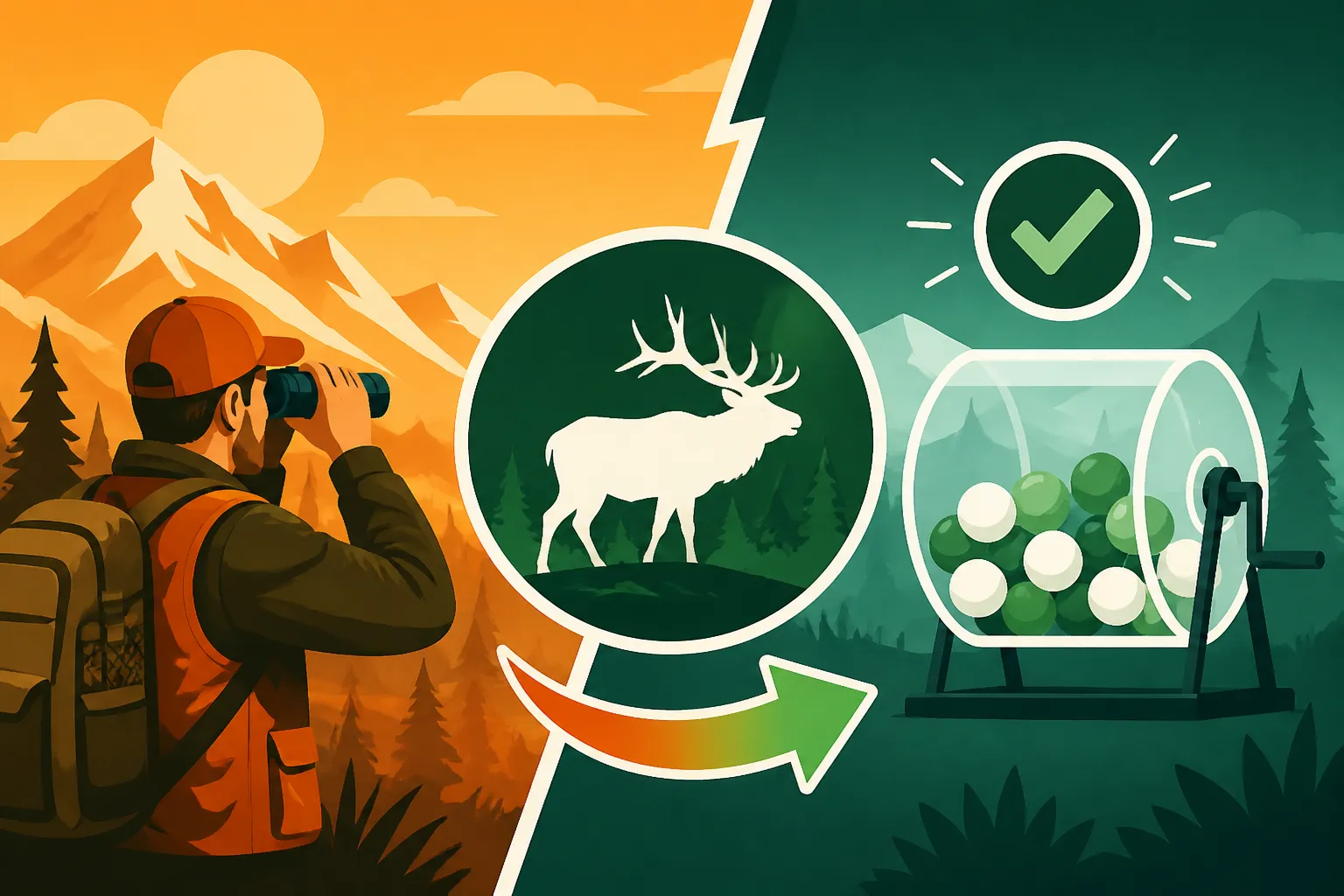
The most pivotal change coming in 2028 is the widespread implementation of a "hybrid draw" system. For many of the limited-license draw options, especially those coveted elk and mule deer tags, your preference points will still be incredibly valuable, but they won't be the sole determinant of success. Imagine a system where a portion of the tags are still allocated strictly by preference points, rewarding those who've waited their turn, while another portion is allocated via a weighted random draw. In this random draw, your accumulated preference points give you more chances in the lottery, but they don't guarantee a tag. This aims to give hunters with fewer points a legitimate, albeit smaller, chance at drawing a premium tag without having to wait a lifetime. It's a significant departure from the old model and will require hunters to re-think their application strategies. For a foundational understanding, you might want to revisit our guide on the Colorado Draw System and Preference Points.
Impact on Non-Resident Hunters
Non-resident hunters often face tougher odds due to tag quotas and higher costs, and these 2028 changes are definitely on their radar. While the exact non-resident allocation percentages might not drastically change across the board, the shift to a hybrid draw system will affect how non-residents can leverage their points. In the past, a non-resident knew that patiently building points was the key to eventually drawing that dream elk tag in a specific unit. With the hybrid system, that certainty diminishes somewhat for the random portion of the draw. This could mean that non-residents might need to apply for a wider range of units or consider units that historically required fewer points, even if they have a substantial bank of points. The goal remains to provide non-residents with access, but the pathway to success becomes more nuanced. It’s always a good idea for out-of-state hunters to consult the Colorado Non-Resident Hunting License Guide for specific regulations.
Season Structure and Tag Allocation Adjustments
Beyond the point system, there are likely to be adjustments to specific season structures and overall tag allocations within certain Game Management Units (GMUs). CPW regularly reviews herd health, population objectives, and hunter pressure. The 2028 changes could see shifts in the number of tags available for specific archery, muzzleloader, or rifle seasons in particular areas. For instance, a unit that has seen declining elk populations might have fewer tags, or a unit experiencing excessive hunter crowding might see tags distributed differently. Hunters need to pay close attention to the specific hunt codes and their descriptions, as even a slight change in the season dates or weapon type can significantly alter draw odds and hunting experiences. Our detailed article on Colorado Hunt Codes Explained can help decipher these specifics.
How the Hybrid Draw Works in Practice
The hybrid draw isn't just a theoretical concept; it's a tangible change that will alter your application process and odds of success. Understanding its mechanics is crucial for developing an effective strategy moving forward.
The Preference Point Component
Under the hybrid system, your accumulated preference points still hold significant weight. Think of them as entries into a lottery. When you apply for a limited license, the system first looks at applicants with the highest number of preference points and awards a certain percentage of the available tags to them, much like the old system. This ensures that hunters who have committed years to building points are still rewarded. For instance, if 60% of the tags for a particular unit and species are allocated via pure preference points, those with the most points will draw until that allocation is met. If you’re looking to understand your current standing, check out How Colorado Preference Points Work.
The Random Chance Element
Once the preference point allocation is complete, the remaining tags are put into a weighted random draw. This is where your points act as "chances." If you have 10 preference points, you might get 10 entries into this random draw, while someone with 2 points gets 2 entries. This means every applicant, regardless of their point total (as long as they have at least one point), has a statistical chance to draw a tag. This is designed to break up point creep and offer a glimmer of hope to newer hunters or those who haven't committed decades to building points. It adds an element of excitement (and perhaps a little more anxiety) to the draw results. This is a key difference from the past system and is often discussed when looking at Colorado Bonus vs Preference Points 2028.
Real-World Scenarios: Applying for a Tag
Let's walk through a hypothetical scenario. Say you're applying for an elk tag in a desirable GMU, and there are 100 tags available.
- Preference Point Tier (e.g., 60% of tags): The first 60 tags go to the 60 applicants with the highest number of preference points. If the lowest successful point holder in this tier had 15 points, everyone above that point level who applied as their first choice would draw.
- Weighted Random Tier (e.g., 40% of tags): The remaining 40 tags are then entered into a random draw. Every applicant who didn't draw in the preference point tier, and had preference points, gets a number of "chances" equal to their points. So, an applicant with 10 points gets 10 entries, an applicant with 5 points gets 5 entries, and so on. The computer then randomly selects 40 entries, and those hunters win the remaining tags. This means even someone with 2 points could theoretically draw a tag that usually takes 15 points, simply by getting lucky in the random draw.
This dual system means your strategy needs to be carefully considered. Do you still go for the highest point tags, hoping to hit the preference point tier, or do you apply for a slightly lower-demand unit with good random odds?
Here's a simplified breakdown:
| Draw Component | Description | Impact on Hunter Strategy |
|---|---|---|
| Preference Point Tier | A percentage of tags awarded directly to applicants with the highest preference points. | Still rewards long-term point accumulation; target high-point units if you have many points. |
| Weighted Random Tier | Remaining tags drawn randomly, with more entries given to applicants with more preference points. | Provides a chance for lower-point holders; encourages considering more units, even high-demand ones. |
| Point Accumulation | Continues largely as before: accrue a point annually if unsuccessful in drawing your first choice. | Maintain your point-building if not ready to burn points on a risky draw. |
| Non-Resident Quotas | Specific percentages of tags reserved for non-residents remain, but their distribution within tiers shifts. | Non-residents must be keenly aware of both point requirements and random odds for their quota. |
Strategies for Adapting to the New System
The 2028 changes are a game-changer, but they don't mean the end of successful hunting in Colorado. They just mean a smarter, more adaptable approach is needed.
Re-evaluating Your Point Strategy
This is probably the most crucial step for many hunters. If you've been diligently building points for a decade, you now have a choice:
- Burn points strategically: For those with a significant number of points, it might be time to target a unit where your points are high enough to almost guarantee a draw in the preference point tier. Don't waste your points on units where the random draw is your only hope if you've been building for a specific experience.
- Continue building but diversify: If you have fewer points or are unsure, you can continue to build points, ensuring you get at least one more entry into the random draw for future years. However, while doing so, also research units that might have favorable odds in the random draw for your desired species. Understanding How Many Points for a Colorado Elk Tag used to be straightforward, but now it's a more complex calculation.
- Embrace the randomness: If you're a new hunter or have only a few points, this system might actually be a boon! You now have a real chance at a premium tag that was previously out of reach. Don't be afraid to put in for that dream unit, even if your odds are slim. You never know until you try.
Leveraging Information and Tools
In a more complex draw system, access to good data and analytical tools becomes absolutely invaluable. This is where resources like GoHunt really shine. Platforms like GoHunt offer detailed draw odds, application strategies, and unit breakdowns that are specifically designed to help hunters navigate these kinds of complex systems. They analyze historical draw data, crunch numbers based on proposed changes, and provide insights that can guide your application choices. For instance, they can help you identify units where the weighted random draw might offer a statistically better chance for a hunter with your point level, or pinpoint units where you're likely to fall into the preference point tier. Checking GoHunt regularly for their updated analysis of the 2028 changes will be critical.
Considering Alternative Opportunities
Even with a hybrid draw, some tags will remain incredibly tough to draw. It's smart to have a backup plan or consider other ways to hunt Colorado's incredible wildlife.
- Over-the-Counter (OTC) Tags: Colorado still offers Colorado OTC Elk Tags Explained in various seasons and GMUs. While these areas often experience more hunter pressure, they provide a guaranteed tag. This can be a great option if you don't draw your primary choice or if you want to hunt every year while building points for a premium draw.
- Leftover and Reissued Tags: Don't forget about Colorado Leftover Tags Explained that become available after the primary draw. These can often be solid opportunities for deer, bear, or even some elk tags, especially for cow elk. They are first-come, first-served and require quick action.
- Different Species: Perhaps explore hunting other species in Colorado that might have easier draw odds or even OTC options, like bear or turkey. This keeps you in the field and builds your hunting experience in the state.
Key Dates and Deadlines to Remember
Successfully navigating the 2028 draw changes also means being meticulously organized and aware of all critical dates. Missing a deadline can mean missing out on your hunting opportunity for the entire year.
The Application Window for 2028 and Beyond
While the 2028 draw is still a bit out, the principles of the application window remain the same. The Colorado Parks and Wildlife (CPW) primary draw typically opens in early March and closes in early April. For example, in recent years, the deadline has often fallen around April 2nd or 3rd. It's crucial to mark these dates on your calendar and submit your application well in advance. Don't wait until the last minute, as technical glitches can occur, and you don't want to jeopardize your chances. Always consult the official CPW website for the exact dates for the 2028 application period once they are announced. Our guide on the Colorado Primary Draw Timeline will become even more important for staying on top of these dates.
Managing Preference Points in the New Era
Under the hybrid system, how you manage your preference points becomes a more dynamic decision. You can still apply for a point-only option if you wish to simply accrue another point without actually applying for a limited license. This is a good strategy if you're truly waiting for a specific unit with incredibly high point requirements or if you're unsure how the new hybrid system will play out for certain tags. It's vital to ensure that your application accurately reflects your intentions, whether you're applying for a specific hunt code, a point-only option, or trying to understand How Colorado Point Creep Affects Your Odds. Double-check everything before submitting to make sure your hard-earned points are handled correctly.
What Happens If You Don't Draw
The sting of not drawing a tag is something every western hunter knows well. With the 2028 changes, if you don't draw your first choice in the primary draw, your preference points will still be updated. If you applied for a limited license, you will typically accrue another preference point for that species. This point then adds to your total for future draws, giving you more "chances" in the weighted random draw component of the hybrid system. If you applied for a point-only, you simply get that point.
After the primary draw results are announced, CPW often holds a secondary draw, followed by the sale of leftover licenses. These offer additional opportunities to secure a tag if your primary application was unsuccessful. Being ready to act quickly for leftover tags, especially for good quality cow elk or deer tags, can salvage your season. Make sure you understand How to Enter the Colorado Primary Draw Online to ensure your application is valid, and then prepare for the post-draw options if needed.
Disclaimer
Please note that hunting regulations, season dates, and draw systems are subject to change by Colorado Parks and Wildlife (CPW). While this guide provides information based on current understanding and publicly available proposed changes for 2028, hunters are always responsible for verifying all information directly with CPW before applying for licenses or heading into the field. This content is for informational purposes only and does not constitute legal or official advice.