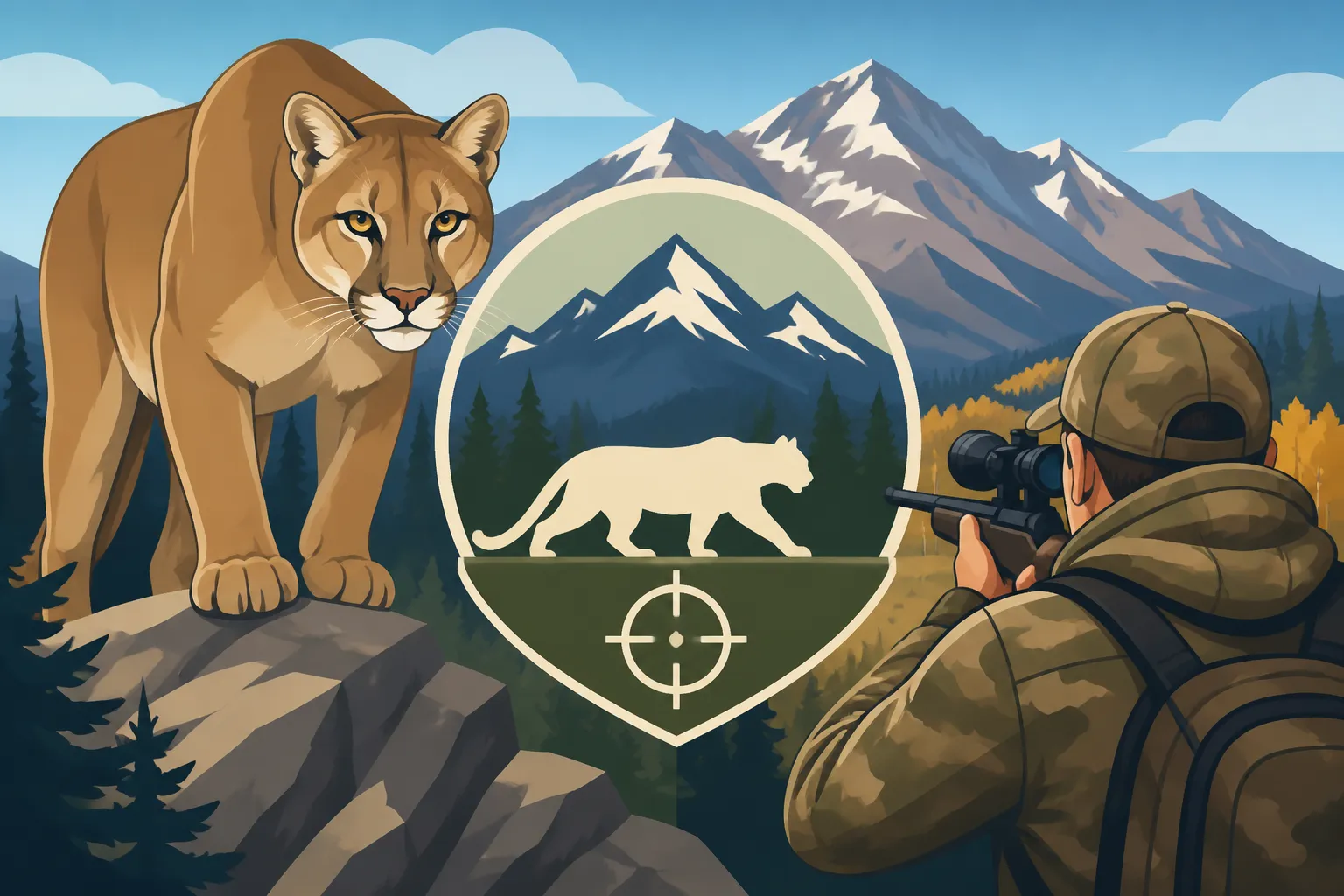
Colorado Mountain Lion Population Management
The majestic, yet often unseen, mountain lion is an integral part of Colorado's wild landscapes, but their presence can certainly bring a mix of awe and apprehension, especially as human populations expand into what was once undisturbed habitat. Many folks wonder how Colorado Parks and Wildlife (CPW) manages these powerful predators, particularly when sightings become more frequent or, tragically, when conflicts arise. This comprehensive guide will pull back the curtain on Colorado's mountain lion population management, exploring everything from their natural history to the careful strategies employed to ensure both human safety and the health of these incredible big cats.
The Elusive Hunter: Understanding Colorado's Mountain Lion Population
Mountain lions, also known as cougars or pumas, are North America's largest native cat species. For many of us who recreate in the Colorado mountains, the thought of sharing the same trails with these apex predators is both thrilling and a little daunting. Understanding their place in the ecosystem and their population dynamics is the first step in appreciating the complexities of their management.
Mountain Lion Ecology and Habitat
Mountain lions are solitary and territorial animals, meaning they need a lot of space. A single male's territory can span hundreds of square miles, often overlapping with the smaller territories of several females. They are incredibly adaptable but generally prefer areas with dense cover for stalking prey, such as rocky canyons, forested areas, and brushy terrain. In Colorado, you'll find them predominantly in the western slope, the foothills along the Front Range, and even parts of the eastern plains where suitable habitat and prey exist.
Their diet consists mainly of deer, particularly mule deer, which is a major factor in where lions choose to live. They are opportunistic hunters and will also prey on elk calves, bighorn sheep, domestic livestock, and even smaller animals like rabbits and coyotes. Their role as an apex predator is crucial for maintaining the balance and health of ungulate populations, helping to prevent overgrazing and ensuring that the healthiest individuals survive and reproduce. Without them, deer and elk populations could swell beyond what the habitat can sustainably support.
Population Trends and Distribution
Estimating mountain lion populations is notoriously difficult due to their reclusive nature and extensive territories. Unlike deer or elk, they don't congregate in large herds, making aerial surveys nearly impossible. Instead, CPW relies on a combination of methods, including track counts, genetic sampling, GPS collaring studies, and harvest data from hunting seasons to get a clearer picture. While exact numbers are elusive, CPW estimates there are between 3,000 and 7,000 mountain lions in Colorado.
You'll find concentrations of mountain lions wherever their primary prey, like mule deer, thrive. Areas such as the Uncompahgre Plateau, the Piceance Basin, and the foothills around Boulder and Fort Collins are known hotspots. However, their presence is not limited to remote wilderness areas. As human development pushes further into wildland-urban interfaces, sightings and interactions in residential areas have become more common, leading to increased public concern and a greater focus on effective management strategies. Understanding these localized distributions is vital for both wildlife managers and concerned citizens, and resources like the Colorado Hunting Atlas Explained can often provide insights into species distribution maps.
Balancing Act: Colorado's Management Strategies for Mountain Lions
Colorado Parks and Wildlife (CPW) approaches mountain lion management with a dual focus: ensuring healthy lion populations while simultaneously minimizing conflicts with humans and livestock. It’s a delicate balance that involves science, public education, and regulated hunting.
Hunting as a Management Tool
Regulated hunting is a cornerstone of Colorado's mountain lion management strategy. Some might initially flinch at the idea of hunting such an iconic predator, but from a biological and conservation standpoint, it's a critical tool. Here’s why:
- Population Control: Hunting helps keep mountain lion populations at levels that are compatible with available prey resources and human tolerance. Unchecked populations can lead to increased conflicts over food, disease transmission within the lion population, and more frequent encounters with people and pets.
- Targeting Problem Animals: Hunting seasons allow for the removal of individual lions that might be exhibiting problematic behaviors, such as preying on livestock or consistently approaching human dwellings. This selective removal can help reduce specific conflict situations without broadly impacting the overall population.
- Public Safety: By reducing overall lion densities in certain areas, particularly those bordering human communities, hunting can indirectly contribute to public safety by decreasing the likelihood of dangerous encounters.
Colorado issues a limited number of mountain lion tags each year through a draw system, often tied to specific Game Management Units (GMUs). These quotas are carefully set based on population estimates, harvest data from previous years, and reports of conflicts. Hunters pursuing mountain lions must adhere to strict regulations, including specific season dates and legal methods. For hunters looking to navigate these specific regulations and understand draw odds, tools like GoHunt are invaluable for researching unit-specific information and planning their applications. Understanding how the Colorado Draw System and Preference Points work is key for anyone interested in pursuing a lion tag.
Research, Monitoring, and Non-Lethal Approaches
Beyond hunting, CPW invests significantly in research and monitoring efforts to better understand mountain lion behavior and population dynamics. This includes:
- GPS Collaring Studies: Biologists capture and collar lions to track their movements, habitat use, and interactions with other lions and prey. This data provides invaluable insights into their ecology, helping managers make informed decisions.
- Public Reporting: CPW encourages the public to report mountain lion sightings, especially those involving unusual behavior or conflicts. This citizen science data helps map lion activity and identify areas of concern.
- Public Education: A major component of management is educating the public on how to coexist with mountain lions. This involves teaching residents about securing pets, livestock, and removing attractants from their properties. Education also focuses on what to do if an encounter occurs, which we’ll delve into shortly.
CPW also deploys non-lethal deterrents where appropriate, such as hazing techniques, erecting fences, or advising landowners on best practices to protect their animals without harming the lions. These strategies are particularly important in areas where human-lion overlap is high and the aim is to encourage lions to avoid residential zones.
Living with Apex Predators: Human-Lion Interactions and Safety
While mountain lion attacks on humans are exceedingly rare, the increasing overlap between human communities and lion habitat means that understanding how to minimize conflicts and act safely during an encounter is more important than ever. It's about respecting their space and being prepared.
Minimizing Conflicts in Residential Areas
Many mountain lion sightings occur in foothills communities or areas bordering open space. The key to reducing these conflicts starts at home.
- Secure Pets: Keep pets indoors, especially at night, or in secure enclosures. If letting them out, supervise them closely, particularly at dawn and dusk when lions are most active. This is not just for small cats and dogs; even larger dogs can be vulnerable.
- Protect Livestock: If you have small livestock like goats, sheep, or chickens, ensure they are housed in predator-proof pens or barns, especially overnight. Electric fencing can also be an effective deterrent.
- Remove Attractants: Don't inadvertently invite prey animals (like deer) onto your property by leaving out pet food, bird feeders, or unsecured garbage. Where deer go, lions often follow. Deer are a primary food source, as detailed in the Colorado Mule Deer Hunting Guide, so managing their presence is crucial.
- Landscape Wisely: Trim dense vegetation and clear brush around your home to reduce hiding spots for lions. Well-lit areas can also deter them.
If you consistently see a mountain lion near your home or witness unusual behavior, contact CPW immediately. They can assess the situation and determine if intervention is needed.
Encountering a Lion in the Wild
For those of us who venture into the backcountry for hunting, hiking, or camping, understanding how to respond to a mountain lion encounter is vital. The chances are slim, but being prepared makes all the difference.
- Never Approach a Lion: Always give them space, especially if you see cubs. Lions are powerful wild animals and can be unpredictable.
- Stay Calm and Stand Your Ground: If you encounter a lion, resist the urge to run. Running can trigger a chase instinct. Instead, stand tall, face the animal, and maintain eye contact.
- Make Yourself Appear Larger: Raise your arms, open your jacket, or put a child on your shoulders. The goal is to make yourself seem as formidable as possible.
- Make Noise: Yell, clap your hands, and speak in a loud, firm voice. Throw rocks or sticks if necessary, but do not turn your back.
- Fight Back if Attacked: In the extremely rare event a lion attacks, fight back aggressively with anything you have. Aim for the eyes and face. People have successfully defended themselves by fighting back.
These guidelines are not just theoretical; they are based on studies of lion behavior and actual encounters. Whether you're in the deep timber or glassing a big basin, applying these principles can greatly enhance your safety. For those pursuing game like elk in the backcountry, knowledge of predator behavior becomes an even more critical aspect of preparation, highlighted in resources like the Colorado Backcountry Hunting Guide.
Here’s a quick overview of conflict mitigation strategies:
| Conflict Type | Primary Strategy | Specific Actions | Effectiveness |
|---|---|---|---|
| Pet Predation | Secure pets | Keep pets indoors at night, use sturdy enclosures, supervise outdoor time. | High |
| Livestock Predation | Predator-proof enclosures & deterrents | Build secure barns/pens, use electric fencing, livestock guardian animals. | Medium-High |
| Frequent Sightings (Near Homes) | Remove attractants & modify landscape | Clear dense brush, install outdoor lighting, secure trash, don't feed wildlife. | High |
| Direct Human Encounter | Defensive posture & deterring actions | Don't run, stand tall, make noise, fight back aggressively if attacked. | High |
| Overpopulation/Disease | Regulated hunting & population monitoring | Implement quotas in specific GMUs, utilize harvest data, track population health. | High |
The Role of Conservation and Respect in Mountain Lion Management
At the heart of Colorado's approach to mountain lion management is a profound respect for these animals and their critical role in our ecosystems. It's not just about reducing conflicts; it's about fostering a sustainable future where both humans and wildlife can thrive.
Understanding the Broader Ecosystem
Mountain lions are an indicator species; their health often reflects the health of the entire ecosystem. When lion populations are stable, it generally means their prey bases, like elk and mule deer, are also healthy, and the habitats these species rely on are intact. This holistic view is crucial for CPW, which manages all of Colorado’s diverse wildlife, as explored in the Colorado Big Game Species Guide.
Conservation efforts extend beyond direct lion management. Protecting critical habitat, managing public lands responsibly, and educating the next generation of outdoor enthusiasts are all part of the larger picture. Every time we head out to enjoy Colorado's wilds, whether for Colorado DIY Elk Hunting Guide or a simple hike, we become part of this interconnected web. Our actions, from how we manage our properties to how we behave in the backcountry, directly impact wildlife.
The Hunter's Role in Conservation
Hunters play a unique and often misunderstood role in mountain lion conservation. Far from being solely focused on harvest, ethical hunters contribute significantly through license fees, which directly fund CPW's research, habitat protection, and management programs for all wildlife, not just game species. Furthermore, hunters often act as citizen scientists, providing valuable field observations that assist CPW biologists in monitoring populations and health trends.
The pursuit of a mountain lion requires immense skill, patience, and a deep understanding of the animal's behavior and habitat. It's a challenging hunt, often requiring specialized knowledge and sometimes even hounds. For those who choose to pursue a lion, it's typically an experience steeped in respect for the animal and the landscape. It's about participating in a management strategy that ensures the long-term viability of the species while also mitigating human-wildlife conflicts. Whether you're after an elk or simply observing wildlife, understanding population dynamics, often detailed in platforms like GoHunt, enriches the experience and highlights the interconnectedness of our wild resources.
The future of Colorado's mountain lions depends on continued scientific management, ongoing research, and a commitment from all of us—residents, recreationists, and hunters—to learn, adapt, and coexist responsibly with these magnificent animals.
Disclaimer
The information provided in this guide is for general informational purposes only and is not intended as legal advice or a substitute for official regulations. Hunting regulations, seasons, and wildlife management policies in Colorado are subject to change. Always consult the most current Colorado Parks and Wildlife (CPW) regulations, proclamations, and official sources before planning any hunting trip or making decisions related to wildlife interactions.