Colorado Small Game You Can Hunt
Many hunters dream of chasing elk or mule deer in Colorado's high country, picturing majestic antlers against a mountain backdrop. But let's be honest, drawing those coveted tags can take years, and a big game hunt is a massive commitment of time, money, and physical effort. If you're looking for fantastic hunting opportunities that are more accessible, often don't require drawing a tag, and can provide delicious wild game for your table, then diving into Colorado's small game scene is absolutely where it's at. This guide will walk you through the exciting world of small game hunting in Colorado, covering everything from the species you can pursue to the licenses you'll need and the tactics that will help you succeed.
Demystifying Colorado Small Game Hunting
When you talk about hunting in Colorado, most folks immediately think of elk, deer, or perhaps even bighorn sheep. But there's a whole other world out there, closer to home for many, and far more accessible: small game. It's a fantastic way to enjoy the outdoors, hone your hunting skills, and put some tasty meat in the freezer without the intense pressure or multi-year planning often associated with big game.
What Qualifies as Small Game in Colorado?
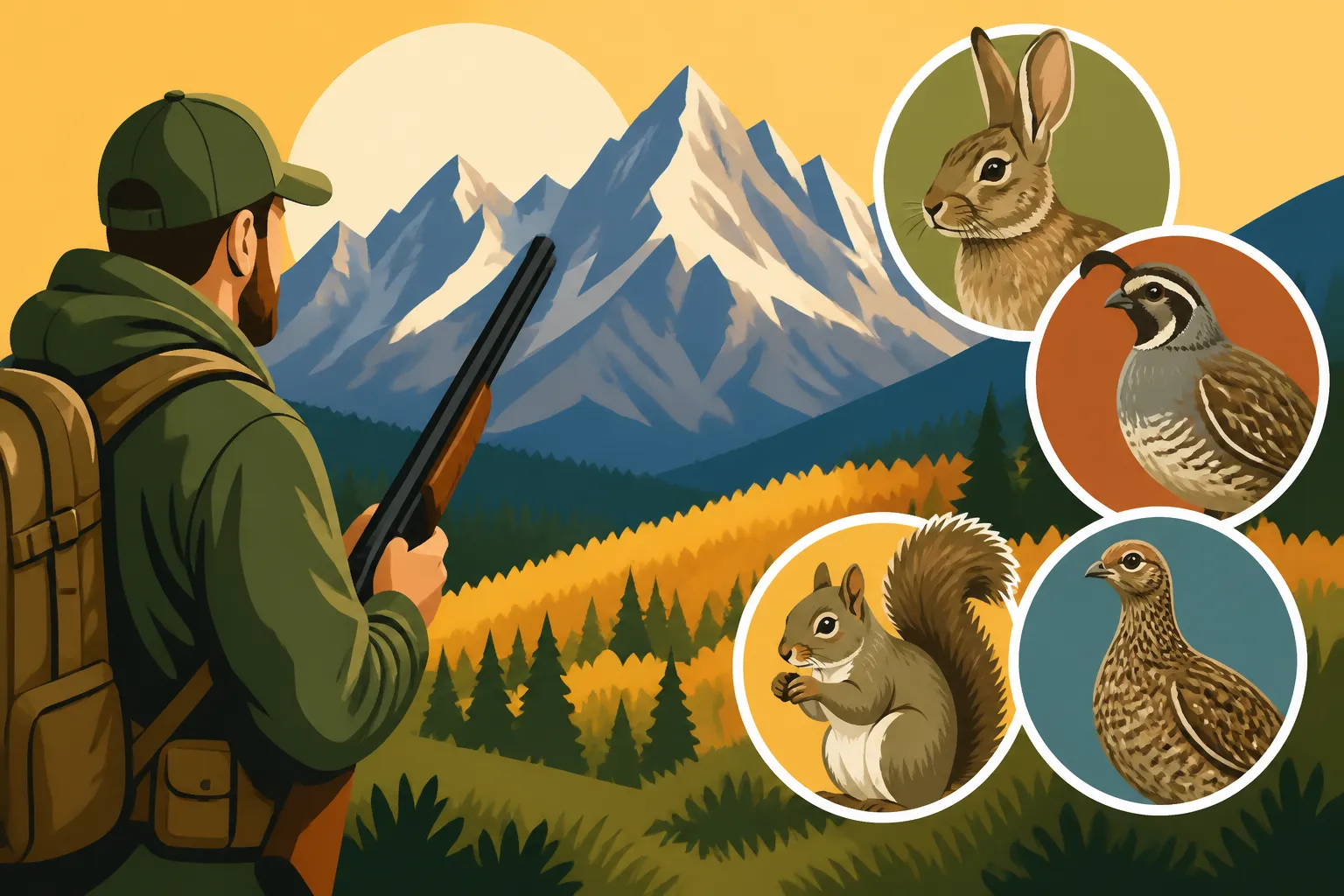
So, what exactly is small game in Colorado? It generally refers to a category of game animals that are smaller than big game (like deer, elk, bear) and furbearers (like bobcat, coyote, fox). This category typically includes various upland birds, waterfowl (though often regulated separately), and small mammals. In Colorado, the primary small game species that capture hunters' attention are various types of grouse, ptarmigan, cottontail rabbits, jackrabbits, and several squirrel species. These animals don't usually require a drawn tag, meaning you can often buy an over-the-counter license and head into the field during their respective seasons. This makes small game hunting an excellent entry point for new hunters and a fantastic way for seasoned hunters to stay sharp and spend more time afield. It's less about sheer antler size and more about strategy, keen observation, and quick reflexes.
Why Small Game Hunting is a Colorado Gem
There's a unique charm to small game hunting that big game often can't replicate. For starters, it's incredibly democratic. You don't need years of preference points or deep pockets for a guided hunt. A general small game license and a habitat stamp are usually all it takes to get started. This accessibility means more people can experience the joys of hunting. Think about it: a weekend morning chasing cottontails in the foothills or hiking high into the alpine for ptarmigan is a completely different experience than a grueling week-long backcountry elk hunt. It’s also an excellent opportunity to introduce kids or new hunters to the sport without the inherent difficulty and high stakes of pursuing larger animals. The action can be fast-paced, teaching valuable lessons in tracking, stalking, ethical shooting, and game recovery. Plus, the pressure is generally lower, and you'll find plenty of public land opportunities across the state. Whether you're in a national forest or on BLM land, there are always spots to explore. For those interested in understanding the overarching framework of hunting seasons, check out our guide on Colorado Hunting Seasons Explained.
A Closer Look at Popular Small Game Species and Their Habitats
Colorado boasts a diverse array of small game species, each with its unique behaviors, preferred habitats, and hunting challenges. Getting to know these animals and where they live is the first step to a successful hunt.
Upland Birds: Grouse and Ptarmigan
Colorado offers some fantastic upland bird hunting, particularly for various grouse species and the elusive ptarmigan. These birds provide challenging hunts in often stunning landscapes.
Dusky Grouse (Blue Grouse)
The Dusky Grouse, often referred to as the "blue grouse," is one of Colorado's most common and widely distributed upland birds. They are typically found in coniferous forests, especially those with a mix of aspen, Douglas fir, and Ponderosa pine, ranging from mid-elevations (around 7,000 feet) up to timberline. During the early season, you might find them higher up, often foraging on berries and insects in open clearings or along forest edges. As the season progresses and the weather cools, they tend to move into denser timber, preferring the cover of dark conifers. These birds are known for "treeing up" when flushed, making them a target for sharp-eyed hunters. Hunting them often involves covering a lot of ground, listening for their distinctive hooting calls (especially in spring, but sometimes in fall), and flushing them from cover. A good bird dog can be invaluable here, but they can be successfully hunted by walking slowly and methodically through their preferred habitat. If you're specifically targeting these birds, our Colorado Dusky Grouse Hunting guide offers even more detailed strategies.
Sharp-tailed Grouse
Sharp-tailed grouse are a less common sight for most Colorado hunters, primarily found in the northeastern plains and parts of northwestern Colorado where suitable prairie and shrub-steppe habitats remain. They prefer areas with a mix of tall grasses, shrubs, and scattered agricultural fields. Unlike the dusky grouse, which is a forest dweller, sharp-tails are birds of the open country. Hunting them usually involves walking through large tracts of suitable habitat, often with a pointing dog, hoping to flush coveys. These birds are strong flyers and can be quite challenging to hit. Their populations are much smaller than dusky grouse, and hunting opportunities are more limited, often requiring specific draw tags in certain areas or being restricted to private land with permission.
Sage Grouse
The largest of North America's grouse species, the Sage Grouse, is a truly magnificent bird, but also one of the most conservation-dependent. They are intrinsically tied to sagebrush ecosystems, relying on this plant for food and cover throughout their lives. In Colorado, sage grouse are found in the large sagebrush basins of the western slope, like the Gunnison Basin. Due to declining populations, hunting opportunities for sage grouse are extremely limited and typically require a highly sought-after, limited draw tag. Seasons are short, and bag limits are very restrictive. Conservation efforts are paramount for this species, and hunters play a vital role in funding these initiatives. For those looking to understand how the draw system works for specific limited tags, the information in Colorado Draw System and Preference Points can be very helpful.
White-tailed Ptarmigan
If you're looking for a truly unique and challenging small game experience in Colorado, the White-tailed Ptarmigan is your bird. These hardy grouse are the only alpine-dwelling grouse in North America, living exclusively above timberline in the rugged, rocky terrain of Colorado's high mountains. They are masters of camouflage, changing their plumage from mottled brown in summer to pure white in winter to match their snowy surroundings. Hunting ptarmigan means being prepared for high-altitude conditions, often above 11,000 or 12,000 feet. They are typically found near rock outcroppings, willow patches, and alpine tundra. This hunt is as much about the incredible mountain experience as it is about the birds themselves. A slow, methodical walk through their rocky, willow-choked habitats, often with a close-working dog, is the key. They often hold tight, relying on their camouflage, so you need to be observant. Our detailed guide on Colorado Ptarmigan Hunting provides even more specific advice for tackling these high-country birds.
Rabbits and Hares: Cottontails and Jackrabbits
For many, hunting rabbits is how they first got into the sport, and for good reason. Rabbits and hares offer fast-paced action and delicious meat, making them a perennial favorite for small game hunters.
Cottontail Rabbits
Cottontail rabbits are incredibly abundant throughout Colorado, found from the eastern plains to the western slope and up into the foothills, typically below 9,000 feet. They prefer brushy areas, thickets, rocky outcrops, creek bottoms, and the edges of agricultural fields – basically, anywhere they can find dense cover for protection and nearby forage. Hunting cottontails is a fantastic way to enjoy a crisp autumn or winter day. They can be hunted in many ways: still-hunting through cover, using beagles to flush them, or simply walking brushy areas and fence lines. When flushed, they'll usually make a quick dash for the nearest cover, offering a fast-moving target. Cold weather often concentrates them, making them easier to find. A good snow cover can also reveal their tracks, helping you locate their hiding spots. For a deeper dive into hunting these prolific creatures, check out our article on Colorado Cottontail and Jackrabbit Hunting.
Jackrabbits (White-tailed and Black-tailed)
Colorado is home to both white-tailed and black-tailed jackrabbits, though the black-tailed is more common, especially on the eastern plains. Jackrabbits are actually hares, not true rabbits, distinguishable by their longer ears and legs, and they don't burrow. They thrive in open grasslands, sagebrush flats, and agricultural areas. Hunting jackrabbits provides a different challenge than cottontails. Instead of bursting from close cover, they often run long distances, using their incredible speed and erratic movements to escape. This makes them a challenging target for shotgunners and an excellent opportunity for those looking to stretch their rifle shooting skills in a safe, open environment. Spot-and-stalk tactics, often using binoculars to locate them from a distance, can be very effective. They are often active during dawn and dusk, but can be found "loafing" in the shade during the warmer parts of the day.
Squirrels: A Mix of Tree and Ground Dwellers
Colorado's squirrel populations offer varied hunting experiences, from classic bushytail hunts in the timber to targeting ground-dwelling species in open country.
Fox and Abert's Squirrels
When most people think of squirrel hunting, they picture fox squirrels, and for good reason. These adaptable squirrels are common in deciduous and mixed forests throughout the state, especially in riparian areas along rivers and creeks, and even in urban parks (though hunting is typically restricted there). They're often found around oak, walnut, or pine trees, feeding on nuts, seeds, and buds. Hunting fox squirrels is a classic pursuit, often involving still-hunting through timber, sitting patiently near food sources, or stalking them as they forage. A good .22 rifle or a shotgun with light shot is ideal. Their larger cousins, Abert's squirrels, are unique to the ponderosa pine forests of Colorado's Front Range and western slope. They have distinctive ear tufts and are entirely reliant on ponderosa pines for food and shelter. Hunting them requires focusing on these specific forests.
Ground Squirrels and Prairie Dogs
While not typically considered "game" in the same sense as the others (and often not regulated with specific seasons or bag limits beyond a general small game license), various ground squirrels and prairie dog species offer excellent opportunities for target practice and pest control. Species like Wyoming ground squirrels, rock squirrels, and thirteen-lined ground squirrels are prevalent in different parts of the state. Prairie dogs are particularly abundant on the eastern plains. These are often targeted by varmint hunters using small-caliber rifles or even air rifles. While not typically eaten, they provide valuable practice for marksmanship and fieldcraft, and can be important for managing ranch and agricultural lands. Remember, when hunting any species, it’s vital to understand the regulations and whether a general small game license covers them or if they are considered "unlisted species" requiring no specific license but still adhering to all other hunting laws. Always consult the Colorado Parks and Wildlife (CPW) regulations.
Navigating Seasons, Licenses, and Regulations for Small Game
Understanding the rules and requirements is just as important as knowing where to find your quarry. Colorado's small game regulations are generally more straightforward than big game, but there are still crucial details to master.
General Licensing Requirements and Fees
Before you even step foot in the field, you'll need the proper licensing. For most small game species in Colorado, you'll need a valid Small Game License and a Colorado Habitat Stamp. The Habitat Stamp is a one-time annual purchase that contributes to wildlife habitat conservation and is required for nearly all hunting and fishing licenses for residents and non-residents aged 18-64.
| License Type | Resident Annual Fee (Approx.) | Non-Resident Annual Fee (Approx.) | Notes |
|---|---|---|---|
| Small Game Annual | $31.00 | $94.00 | Required for most small game species. |
| Small Game 1-Day | $14.00 | $21.00 | Good for a quick trip. |
| Habitat Stamp (Annual) | $11.50 | $11.50 | Required for all hunters 18-64 years old. |
| Youth Small Game (16-17) | $1.00 | $1.00 | Greatly reduced cost for young hunters. |
| Youth Small Game (Under 16) | Free | Free | No license required for youth under 16. |
Note: These are approximate costs and can change. Always check the official Colorado Parks and Wildlife website for the most current fees.
In addition to these, all hunters born on or after January 1, 1949, must have successfully completed an approved hunter education course. This is a vital step for safety and ethical hunting practices, as detailed in our Colorado Hunter Education Requirement guide. Non-residents will find that Colorado is relatively friendly for small game, as most opportunities don't involve the complex draw system of big game. You simply purchase your license. For a complete breakdown of what you can expect to pay, our article on Colorado Hunting License Costs is a useful resource.
Species-Specific Season Dates and Bag Limits
While small game seasons are typically long and generous, they aren't endless. Each species has specific start and end dates, as well as daily and possession bag limits. These are set by Colorado Parks and Wildlife (CPW) to ensure healthy populations and sustainable hunting. For instance, most rabbit and squirrel seasons run from September 1st through the end of February, offering plenty of opportunity through fall and winter. Grouse and ptarmigan seasons usually kick off earlier, often in September, and might have shorter windows or specific closures to protect breeding populations.
It is absolutely crucial to consult the current year's Colorado Hunting and Trapping Regulations brochure, available online on the CPW website or at license vendors. This document is your bible for specific dates, bag limits, and any special restrictions for the game management unit (GMU) you plan to hunt. For example, some GMUs might have different bag limits or season dates for particular grouse species due to local population dynamics. Using tools like the Colorado Hunting Atlas Explained can help you confirm the GMU you're in and cross-reference with regulations. Remember, ignorance of the law is no excuse, so take the time to read those regulations thoroughly.
Understanding Public vs. Private Land Access
Access is often one of the biggest challenges for hunters, but small game offers considerable public land opportunities. Colorado boasts millions of acres of public land managed by the U.S. Forest Service (USFS) and Bureau of Land Management (BLM), which are generally open to hunting. State Wildlife Areas (SWAs) also provide excellent access. For a comprehensive overview, our Colorado Public Land Hunting Guide is an invaluable resource.
Hunting on public lands, such as those within the Colorado National Forest Hunting Guide, means you need to be aware of other users – hikers, mountain bikers, dog walkers – and practice extreme caution and courtesy. Always know your target and what's beyond it. When planning your hunt, especially for species like ptarmigan in high-alpine areas, understanding land boundaries is critical. Tools like GoHunt's mapping features or other digital mapping applications can precisely show you public and private land boundaries, helping you avoid accidental trespass.
For private land, you must obtain permission from the landowner before hunting. This is non-negotiable. While securing permission can be challenging for big game, some landowners are more amenable to small game hunting, especially for species that might be impacting their property, such as rabbits or prairie dogs. Always approach landowners respectfully and be prepared to offer to share your harvest or help with small tasks. Ethical access is key to maintaining a positive public image for hunters.
Gear Up and Hunt Smart: Tactics for Colorado Small Game
Successful small game hunting isn't just about showing up; it's about being prepared with the right gear and employing effective tactics tailored to your quarry.
Essential Small Game Hunting Gear
Compared to big game, small game hunting often requires less specialized (and less expensive) gear, making it even more accessible. However, a few key items will significantly improve your comfort and success.
Firearms and Ammunition
- Shotgun: For upland birds and fast-flushing rabbits, a 12-gauge or 20-gauge shotgun is typically preferred. Bring a variety of shot sizes, such as #6 or #7.5 for grouse and rabbits, and possibly smaller shot for ptarmigan if you're trying to minimize meat damage. For example, a reliable over-and-under or semi-automatic can make all the difference when quick follow-up shots are needed.
- Rifle: For squirrels, jackrabbits, and varmints, a .22LR rifle is king. It's quiet, accurate, and economical. For longer shots on jackrabbits or prairie dogs, a .17 HMR or .22 WMR can extend your effective range.
- Air Rifle: High-powered air rifles (.22 or .25 caliber) are also becoming popular for small game, offering quiet, precise shooting in areas where firearm discharge might be restricted or you want less noise.
Clothing and Footwear
Layering is crucial in Colorado's unpredictable weather. You'll likely be walking a lot, so comfort is key.
- Layers: Think moisture-wicking base layers, insulating mid-layers (fleece or down), and a waterproof/windproof outer shell. Even if it starts sunny, a Colorado afternoon can bring a sudden snow shower or thunderstorm.
- Boots: Durable, waterproof, and comfortable hiking boots are essential. For high-country ptarmigan hunts, you'll want sturdy boots with good ankle support, similar to what you'd wear for How to Hunt Elk at High Elevation. For rabbits in the plains, lighter, waterproof boots might suffice.
- Orange: While not always legally required for small game, wearing blaze orange (a vest or hat) is highly recommended for safety, especially on public lands during rifle seasons for big game.
Optics and Navigation
- Binoculars: A good pair of 8x or 10x binoculars can help you spot birds perched in trees, rabbits basking in the sun, or identify distant jackrabbits.
- GPS/Mapping App: A reliable GPS device or a smartphone app like GoHunt with downloaded offline maps is invaluable for navigation, especially on public land. It helps you stay on track, locate land boundaries, and mark productive areas. Knowing How to Use onX for Colorado Hunting (or similar apps) can be a game-changer.
- Compass: Always carry a traditional compass as a backup, along with a map of your hunting area.
Other Essentials
- Game Vest/Pouch: To carry your birds or rabbits comfortably.
- Water and Snacks: Hydration is key, especially at higher altitudes.
- First-Aid Kit: Always a good idea, even for a day hunt.
- Knife/Game Shears: For field dressing your harvest.
- Dog (Optional but Recommended): A good bird dog (pointer, flusher, retriever) or rabbit dog (beagle) can dramatically increase your success and enjoyment.
Effective Hunting Tactics for Different Species
Successfully hunting small game often comes down to understanding the animal's behavior and applying the right tactics.
Upland Birds: Walk, Flush, and Observe
For grouse and ptarmigan, "walking them up" is the most common and effective tactic.
- Slow and Steady: Move slowly and deliberately through likely habitat. Stop frequently, listen, and scan your surroundings. Birds often hold tight, especially ptarmigan, and will only flush when you're very close.
- Dog Power: If you have a well-trained bird dog, let them work. Pointers will lock up when they find a bird, allowing you to move in for the flush. Flushers will burst birds from cover, giving you a shot.
- Habitat Focus: For dusky grouse, target areas where timber meets open clearings, or dark timber during colder weather. For ptarmigan, focus on willow carrs, rocky tundra, and areas with alpine wildflowers.
- After the Flush: If you flush a bird and don't get a shot, watch where it flies. Many grouse species will re-land in a tree or nearby cover, offering a second chance if you can locate them. This is often called "treeing."
Rabbits and Hares: Stealth, Dogs, and Varminting
Rabbit and hare hunting offers a variety of approaches.
- Still-Hunting: For cottontails, slowly creep through dense brush, creek bottoms, and rocky areas. Pause often, looking for the tell-tale twitch of an ear or the outline of a rabbit nestled in cover. Shotguns are great for the close, fast shots.
- Beagle Power: A pack of beagles is the classic way to hunt cottontails. The dogs will track and chase rabbits, bringing them in a circle back towards the hunters. It's a social, exciting hunt.
- Spot and Stalk: For jackrabbits, especially in open country, use your binoculars to spot them from a distance. Then, plan a careful stalk to get within rifle range. This is where those smaller caliber rifles shine.
- Road Hunting (Ethical Considerations): While legal in some areas, simply driving roads and shooting from a vehicle (or the road right-of-way) is generally considered poor sportsmanship and can be dangerous. Focus on getting out of the vehicle and actively hunting.
Squirrels: Patience and Precision
Squirrel hunting requires patience and good marksmanship.
- Still-Hunting/Sitting: Find a stand of oak, ponderosa pine, or other nut-bearing trees. Sit quietly and wait for the squirrels to become active, usually at dawn and dusk. Listen for their chatter or the rustle of leaves.
- Stalking: Once you spot a squirrel, try to stalk within good rifle range. Be prepared for them to "tree" on the opposite side of the trunk. Use the tree as cover to circle around for a shot.
- Rimfire Skills: Squirrels are small targets, so accurate shooting with a .22 rifle is paramount. Aim for head shots to preserve meat.
Remember, ethical hunting practices are universal, regardless of the game size. Always identify your target, ensure a safe backdrop, and make a clean, humane shot. Enjoy the incredible variety and accessibility that Colorado's small game hunting offers.
Disclaimer
Please note: Hunting regulations, season dates, and license fees in Colorado are subject to change. Always consult the most current official Colorado Parks and Wildlife (CPW) hunting and trapping regulations brochure before planning any hunt. This guide is for informational purposes only and does not supersede official regulations.