Best Colorado Units for Trophy Mule Deer
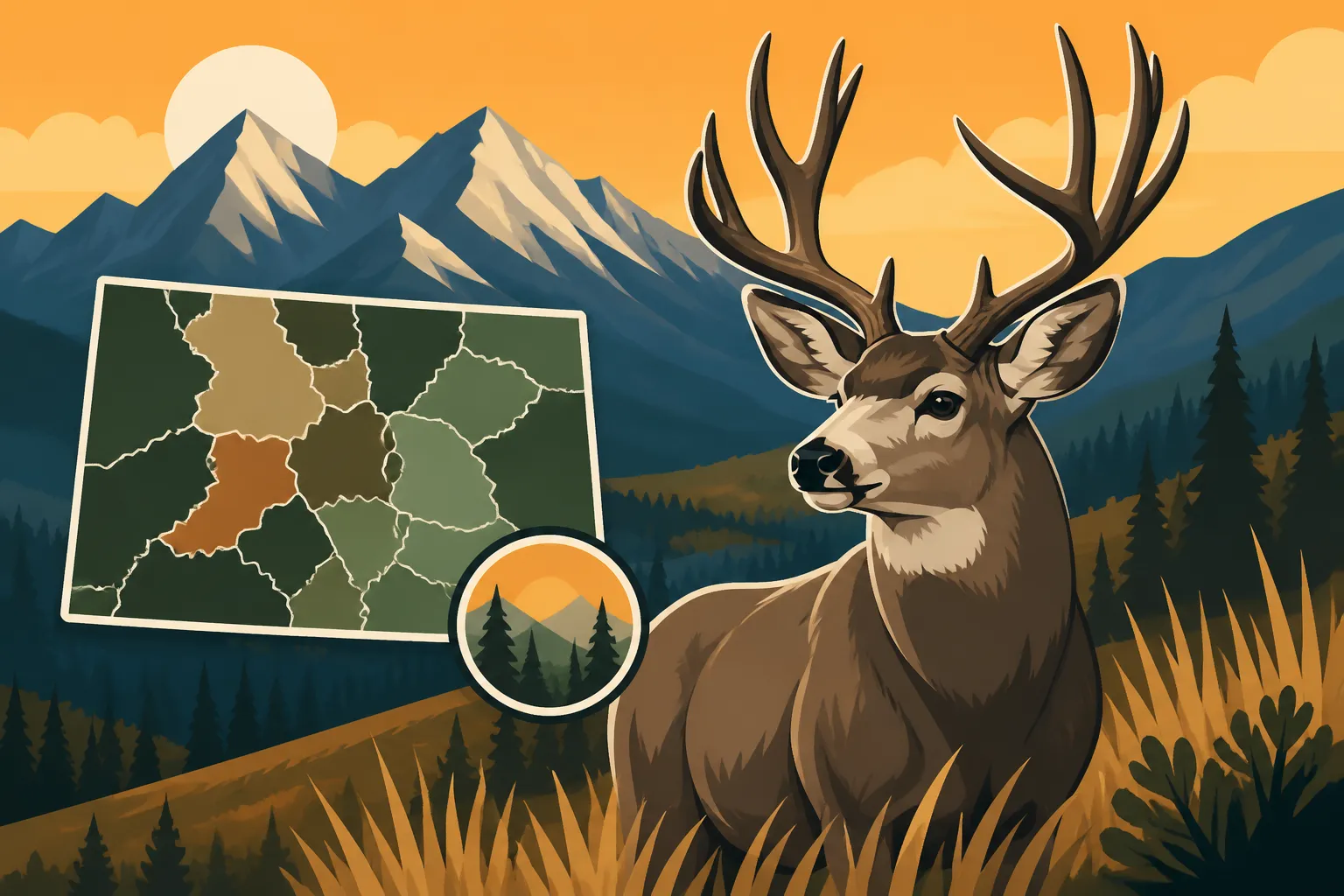
The dream of chasing a truly massive mule deer buck in Colorado is something many hunters carry, but the path to finding one can feel like navigating a dense, confusing forest. It’s not just about luck; it’s about understanding which areas consistently produce those giants and what it takes to hunt them successfully. This guide will walk you through the top Colorado units renowned for their trophy mule deer potential, giving you a realistic look at what goes into drawing those coveted tags and what to expect when you finally step foot in those hallowed grounds.
Defining "Trophy" Mule Deer in Colorado
When we talk about "trophy" mule deer, it's important to clarify what that really means, because it can be different for everyone. For some, it's about a Boone & Crockett score, while for others, it's simply the biggest buck they've ever personally harvested. In Colorado, pursuing a true trophy often means aiming for a mature buck, typically 4.5 years old or older, with a wide, heavy rack that scores well. These are the bucks that have survived multiple hunting seasons and represent the pinnacle of their species.
What Makes a Buck a "Trophy"
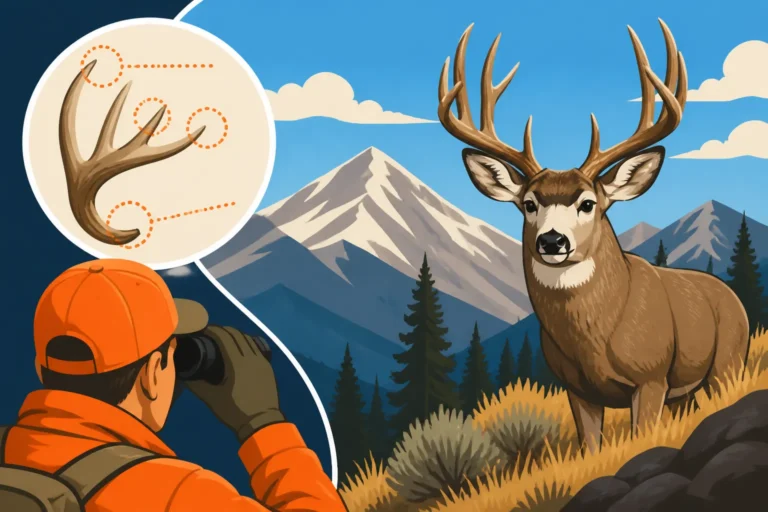
A true trophy mule deer isn't just about width or height, although those certainly play a role. It's about a combination of factors: mass, tine length, symmetry, and overall age. A mature buck has had time to develop its full genetic potential, often sporting dark, heavy antlers that tell a story of years spent in the harsh mountain environment. The character of the rack – unique points, deep forks, and heavy bases – often trumps a pure score for many hunters.
For Boone & Crockett (B&C) standards, a typical mule deer needs to score around 190 points, and a non-typical around 210 points to make the all-time record book. These are truly exceptional animals, and the units producing them are often incredibly difficult to draw. However, many hunters would consider a 170-inch buck a fantastic trophy, especially on public land with moderate drawing odds. The reality is, consistent harvest of bucks over 180 inches is limited to a very few, highly managed units with low tag numbers and excellent habitat.
The Role of Age Structure and Genetics
The primary driver behind trophy potential in a unit is the age structure of the buck population. In areas where hunters are selective and tags are limited, bucks have a much better chance of reaching older age classes. Older bucks mean bigger antlers. This isn't just about letting them walk; it's often a result of management strategies by Colorado Parks and Wildlife (CPW) to maintain a healthy and robust buck-to-doe ratio and ensure bucks can mature.
Genetics also play a role, though it's harder to manage directly. Some regions simply have herds with a higher genetic potential for antler growth. Combine strong genetics with good nutrition from quality forage and the opportunity to age, and you have the recipe for true monsters. Units that consistently produce trophy bucks often have these elements in spades, but they come at a cost – usually in the form of many, many preference points.
Key Factors for Identifying Top Trophy Mule Deer Units
Choosing a unit for trophy mule deer in Colorado is a lot more complex than just pointing at a spot on a map. You need to consider a blend of factors, from the habitat itself to hunter pressure and the daunting reality of the draw system. Ignoring any one of these can lead to frustration and a much lower chance of success.
Habitat and Environment
Mule deer thrive in specific habitats that provide food, water, and cover. For trophy bucks, this often translates to areas with diverse vegetation, varying topography, and limited human disturbance. Think high-country basins with rich alpine forage in the summer, transitioning to aspen and dark timber pockets during the fall, and lower sagebrush and pinyon-juniper benches for winter range. Units with a mix of these elements, especially those that include wilderness areas or extensive roadless terrain, tend to hold bigger deer.
Water sources are crucial, particularly in drier years. Units with reliable springs, seeps, and creeks will retain deer longer into the season. The geology also plays a part; north-facing slopes often hold snow longer, providing moisture and cooler temperatures, which can be critical for forage growth and buck bedding areas during warmer early seasons. Understanding these nuances of habitat is fundamental, and it's a huge part of being able to E-Scout Before a Colorado Hunt.
Hunter Pressure and Access
This is perhaps one of the most significant factors when it comes to trophy potential. Areas with high hunter pressure tend to have a younger buck age structure because more deer are harvested before they reach their full potential. Conversely, units with difficult access – deep wilderness, remote canyons, or expansive roadless areas – naturally self-regulate hunter numbers, allowing bucks to age.
When researching units, look at the ratio of public land to private land, and the extent of wilderness or roadless designations. While private land can offer excellent trophy hunting, it often comes with a hefty price tag through an outfitter or landowner voucher. For the DIY public land hunter, seeking out those remote, hard-to-reach pockets within a unit is often the secret to finding undisturbed, mature bucks. You’ll also want to consider How to Hunt Elk on Public Land Pressure as mule deer often share similar pressured areas.
Draw Odds and Preference Points
The harsh reality of trophy mule deer hunting in Colorado is the draw system. The best units, those consistently producing record-book caliber bucks, are almost exclusively draw units requiring a substantial number of preference points. Colorado's draw system is primarily point-based, meaning the more points you have, the better your chance of drawing a desirable tag. This is where researching Colorado Draw System and Preference Points becomes absolutely critical.
Many hunters accumulate points for years, even decades, hoping to draw a "once-in-a-lifetime" tag. Tools like GoHunt's Insiders membership or the CPW's published draw statistics are invaluable for understanding the point requirements and success rates for specific hunt codes. It’s not uncommon for top trophy units to require 15-25+ non-resident points for a rifle tag. Even resident hunters face tough draws, often needing 10+ points for prime units. If you're new to the system, it's vital to grasp How Colorado Preference Points Work to set realistic expectations.
| Unit (GMU) | Typical Preference Points (Non-Resident) | Trophy Potential | Terrain/Hunt Style | General Difficulty |
|---|---|---|---|---|
| GMU 2 | 20-25+ | Excellent | Desert, Sage, Rimrock | Very High |
| GMU 10 | 18-22+ | Excellent | High Desert, Canyons | Very High |
| GMU 21 | 15-20+ | High | Mountains, Timber, Sage | High |
| GMU 201 | 18-22+ | Excellent | Mountains, Aspen, Dark Timber | Very High |
| GMU 44/444 | 10-15+ (varies by season) | Good to High | High Country, Alpine, Timber | Moderate to High |
Note: Preference points are dynamic and can change annually. These are estimates based on recent draw data and should be verified with the current CPW statistics.
Top Colorado Units Known for Trophy Potential
Colorado boasts some incredible mule deer hunting, but a few units consistently stand out for producing those truly monster bucks that fill hunters' dreams. These units aren't for the faint of heart or those short on preference points, but they represent the pinnacle of what Colorado has to offer for trophy mule deer.
The Western Slope Giants: GMU 2, 10, and 201
When seasoned mule deer hunters talk about trophy bucks in Colorado, the names GMU 2, 10, and 201 inevitably come up. These units, located in the northwestern corner of the state, are legendary for a reason. They comprise a vast landscape of high desert, deep canyons, cedar breaks, and mountainous terrain, providing ideal habitat for deer to grow old and antlers to grow large.
GMU 2 and GMU 10, in particular, are known for producing some of the widest, heaviest mule deer in the state. The deer here are often found in open, sagebrush country interspersed with rimrock and junipers, making glassing a primary tactic. However, these are extremely tough hunts in terms of physical exertion and patience. The tags for these units are the most difficult to draw in the state, often requiring 20+ preference points for non-residents. This low tag density is precisely why the bucks here have the opportunity to mature into giants. You will spend countless hours behind your binoculars, meticulously Glass and Grid a Colorado Basin looking for a ghost.
GMU 201, often lumped in with its neighbors, offers a slightly different terrain profile, leaning more into high mountain country with aspen and dark timber. While still incredibly tough to draw, it provides a different style of hunting, often requiring more tracking and still-hunting skills in denser cover. These units are not for beginners; they demand extensive scouting, physical fitness, and an unwavering commitment to the hunt.
The Bookcliffs and Beyond: GMU 21 and 30
Venturing further south on the Western Slope, units like GMU 21 and GMU 30 also hold significant trophy potential, though often with slightly lower point requirements than the extreme northwest. These areas, particularly the Bookcliffs, are characterized by rugged mesa country, steep canyons, and a mix of pinyon-juniper, sagebrush, and mountain shrub.
GMU 21 has a strong reputation for solid bucks and offers a more diverse range of hunting scenarios compared to the open expanses of GMU 2 or 10. Hunters might find themselves glassing steep hillsides, still-hunting through timber, or picking apart cedar breaks. While not quite in the same league for consistent B&C giants, it's a unit where patient, skilled hunters can absolutely find a buck of a lifetime. The draw odds, while still challenging, are often a few points less than the top-tier units, making it a target for those who have been building points for a good chunk of time but aren't quite at the 20-point mark yet.
GMU 30 also offers excellent potential, often with more accessible terrain in certain areas, though the trophy quality can be unit-specific. Both units benefit from strong game management practices and a good mix of public land access, including BLM and National Forest lands. These are areas where investing in quality optics and becoming proficient at How to Glass for Colorado Mule Deer will pay dividends.
High Country Gems: GMU 44 and 444 (Flat Tops Wilderness)
For those who dream of a true high-country mule deer hunt, GMU 44 and its associated subunits like 444, which encompass parts of the vast Flat Tops Wilderness Area, offer a unique challenge and reward. This is a land of sprawling alpine basins, dark timber pockets, and rugged topography. While not typically known for the sheer mass of bucks found in the desert units, the Flat Tops can produce impressive high-tined, wide-racked bucks that are truly a testament to the wilderness they inhabit.
The beauty of hunting GMU 44 and 444 is the combination of incredible scenery and the opportunity to hunt mature deer away from heavy road pressure. However, it's physically demanding. You'll be gaining significant elevation, often many miles from the nearest road, necessitating a serious commitment to fitness and backcountry skills. Understanding How to Hunt Elk at High Elevation can be useful, as many tactics apply to high-country mule deer as well. These units usually require fewer preference points than the desert units but still command a healthy investment of 10-15+ points for coveted rifle seasons. Success often hinges on being able to get deep into the wilderness, away from other hunters, and having the stamina to hunt hard for multiple days.
Strategies for Hunting Trophy Mule Deer in Colorado
Drawing a tag for a top trophy unit is only half the battle. Once you have that coveted license in hand, the real work begins. Hunting trophy mule deer in Colorado, especially in these high-potential units, requires a well-thought-out strategy, dedication, and the right approach.
Extensive Pre-Season Scouting and E-Scouting
You absolutely cannot overstate the importance of scouting, both digitally and on the ground. Modern tools like GoHunt's mapping layers, OnX Hunt, and Google Earth are game-changers for identifying potential hotspots, travel corridors, bedding areas, and feeding grounds long before you set foot in the unit. Look for areas with diverse habitat, challenging access, and north-facing slopes. Pay close attention to historical burn areas, as new growth can be highly attractive to deer.
Once you have a few target areas identified, an in-person scouting trip (if feasible) is invaluable. It allows you to verify terrain features, identify water sources, and look for buck sign like rubs and scrapes. Even if you can't scout the unit directly, talking to local biologists, game wardens, or other hunters who have experience in the area can provide critical insights. For example, knowing the typical Colorado Mule Deer Rut Explained dates for your specific unit can help you pinpoint when bucks will be most active and vulnerable.
Patience and Persistence in the Field
Hunting trophy mule deer, particularly in low-density units, is a marathon, not a sprint. You might go days without seeing a buck that meets your criteria. The key is unwavering patience and persistence. This means putting in long hours behind your glass, methodically picking apart every hillside, canyon, and timber edge. These mature bucks are masters of concealment and often spend their days bedded in incredibly thick or remote spots.
You need to be prepared to hike deep, climb steep, and stay out longer than you think you can. Being physically ready for these demands is paramount, and a thorough Colorado Elk Hunt Fitness Plan can be a cross-functional benefit for mule deer hunters too. Don't let early disappointments deter you. Every day in the field teaches you more about the unit and the deer within it. Sometimes, the biggest bucks are found on the last day, in the last hour, precisely because they’ve evaded other hunters through sheer cunning and preference for solitude.
Adapting to Conditions and Deer Behavior
Mule deer behavior can change rapidly based on weather, hunter pressure, and the time of season. A trophy hunter must be adaptable. Early season archery hunts might find bucks in high alpine basins, while later rifle seasons might push them into dark timber or down to lower elevations. Understanding How Weather Moves Colorado Elk is similar to how weather affects mule deer movement, especially during a cold front or early snow.
Paying attention to wind direction and thermals is non-negotiable, especially when trying to approach a bedded buck. Mule deer have incredible noses and keen eyesight. Always use the wind to your advantage. During the rut, bucks become more active and less cautious, but they are also constantly on the move, chasing does. This makes them more visible but also harder to pin down. Being able to change tactics, whether it’s shifting from glassing to still-hunting or moving to a different part of the unit based on observations, is crucial for success. Your mental game is just as important as your physical conditioning and your gear, so be ready to roll with the punches and learn something new every day you're out there.
Disclaimer
The information provided in this guide is for general informational purposes only. Hunting regulations, season dates, and draw odds in Colorado are subject to change by Colorado Parks and Wildlife (CPW). Always consult the most current CPW regulations and proclamations before planning any hunt. Success in hunting is never guaranteed, and safety should always be your top priority.