Colorado Whitetail Deer Trophy Potential by Unit
If you've spent any time researching hunting opportunities in Colorado, you've probably heard all about the elk and the mule deer. But what often gets overlooked, almost whispered in hushed tones, is the surprisingly robust whitetail deer population. Many hunters, especially those from out-of-state, are completely unaware that Colorado offers whitetail hunting, let alone the chance at a true trophy buck. This guide is here to shed light on exactly where to find those elusive Colorado whitetails and what "trophy potential by unit" really means in the Centennial State.
Unpacking the Colorado Whitetail Landscape
Let's be honest, when most people think of Colorado hunting, they envision majestic Rocky Mountain vistas, high-country basins, and the thrill of pursuing elk or big mule deer bucks. Whitetails often don't even enter the conversation, and for good reason—they're certainly not as widespread or abundant in the mountainous regions. However, this oversight means that a dedicated whitetail hunter can sometimes find less pressure and unique opportunities in the right areas.
The Misconception of Colorado as a "Non-Whitetail" State
For years, many hunters, and even some Colorado residents, operated under the assumption that whitetails were practically non-existent or, at best, a fringe species found only on isolated private lands. This couldn't be further from the truth. While not the primary big game animal of the high country, whitetails have a significant presence in specific parts of the state, thriving in habitats that often get overshadowed by the iconic mountain ranges. They aren't in every GMU, and you won't typically find them alongside bighorn sheep, but where they are, they can be quite prevalent. Understanding this distinction is the first step to unlocking their potential.
Where Colorado Whitetails Call Home
Unlike their mountain-dwelling cousins, Colorado's whitetail deer are largely concentrated in the eastern portion of the state, primarily along the extensive riparian corridors that crisscross the plains. Think river bottoms, agricultural fields, and brushy drainages. These areas provide the dense cover, consistent water sources, and abundant food necessary for whitetail survival and growth. The South Platte River drainage, the Arkansas River basin, and the Republican River country are prime examples of these whitetail havens. They'll stick to the thickets, often within a stone's throw of human activity, making them a unique challenge to hunt compared to vast wilderness elk. If you want to learn more about the broader species, check out our guide on Colorado Whitetail Deer Hunting.
Defining "Trophy Potential" for Colorado Whitetails
When we talk about "trophy potential" in Colorado for whitetails, it's essential to recalibrate expectations. This isn't Kansas, Iowa, or even parts of Nebraska, where 170-inch Boone and Crockett bucks are a more common occurrence. Colorado's whitetails face different environmental pressures and habitat types, which generally translate to a slightly lower average antler size.
Realistic Expectations for Antler Size
A true "trophy" whitetail in Colorado typically falls in the 130-150-inch range. A mature, 4.5 to 5.5-year-old buck pushing 150 inches is an absolute stud and a buck of a lifetime for many hunters, especially given the difficulty of hunting them in their preferred dense cover. Bucks occasionally exceed this, especially in well-managed private land scenarios with excellent genetics and nutrition, but they are the exception, not the rule. Anything over 160 inches is truly a giant for Colorado, and one you'd remember forever. This perspective is crucial for setting achievable goals and appreciating the quality of the animal harvested.
Factors Influencing Whitetail Trophy Potential
Several factors contribute to the trophy potential of whitetails in any given Colorado unit. Understanding these elements can help you discern where to focus your efforts for a truly impressive buck.
- Genetics: While often influenced by the initial stock, regional genetics play a significant role. Some areas naturally produce deer with better antler growth potential.
- Nutrition: This is paramount. Units with rich agricultural lands (corn, alfalfa, soybeans) adjacent to dense river bottom cover provide an ideal food source for bucks to grow large antlers. Lack of consistent, high-quality forage will limit antler development, regardless of age.
- Age Structure: The ability of bucks to reach maturity (4.5 years or older) is critical for them to express their full antler potential. High harvest rates of young bucks will severely limit the number of older, larger-racked deer. Units with less hunting pressure, especially on younger age classes, tend to produce bigger bucks.
- Habitat Quality: Dense, escape cover along river systems is vital. Whitetails are masters of concealment. Units with fragmented or sparse cover make it harder for bucks to hide and grow old. A deep dive into specific habitat types can be found in our Colorado Mule Deer vs Whitetail Differences guide, which touches on these distinctions.
Key GMUs and Regions for Colorado Whitetail Trophy Potential
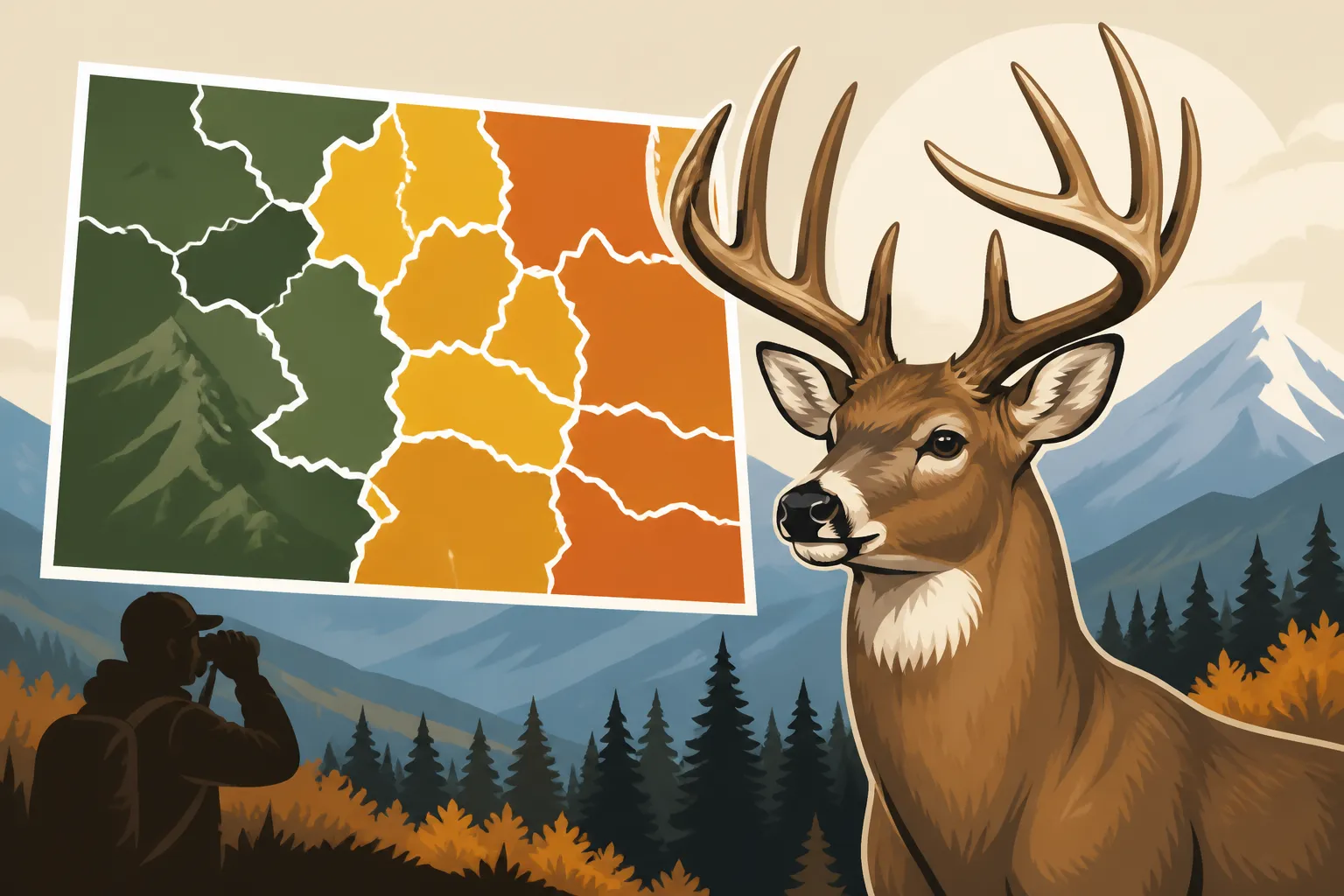
Now, let's get down to brass tacks: where should you actually look? While whitetails are found across various units, particularly those bordering larger river systems, certain General Management Units (GMUs) consistently stand out for their whitetail populations and, consequently, their trophy potential. Remember that much of this land can be private, so public access is a key consideration.
Eastern Plains River Corridors: The Whitetail Hotbeds
The Eastern Plains are undoubtedly the epicenter for Colorado whitetails. The major river systems here create green arteries across what would otherwise be arid grasslands, offering everything a whitetail needs.
- South Platte River Basin: Units like GMU 86, GMU 101, and GMU 102 are renowned for their whitetail populations. These areas, particularly along the South Platte, provide expansive river bottom habitat with cottonwoods, willows, and thick brush, often interspersed with irrigated croplands. This combination is a whitetail paradise. Public access here can be found through State Wildlife Areas (SWAs) and designated Walk-In Access (WIA) properties, but it often requires diligent scouting and permission from landowners. A deep look into the regional access is available in our Eastern Plains Hunting Access article.
- Arkansas River Basin: Further south, units such as GMU 104 and GMU 105 along the Arkansas River also hold significant whitetail numbers. Similar to the South Platte, these areas offer critical riverine habitat. While possibly not as consistently productive for large antlers as the South Platte, they still present solid opportunities for mature deer.
- Republican River Drainage: Though smaller in scope, the Republican River and its tributaries, particularly in units like GMU 103, can offer some sleeper opportunities. These are often less pressured areas but still provide the necessary cover and food sources.
Utilizing Data for Unit Selection
Choosing the right GMU isn't just about looking at a map and guessing. It involves digging into data. Platforms like GoHunt are invaluable for this. You can use their tools to research harvest statistics, unit boundaries, public land access points, and even draw odds for specific whitetail tags. This kind of detailed research, which can be explored further in our How to E-Scout Colorado Units guide, allows you to make informed decisions about where to apply your valuable points or purchase an over-the-counter tag. For example, by filtering data on GoHunt, you can often see historical success rates for antlered whitetail in certain plains units, giving you a better idea of what to expect.
Here’s a simplified overview of some top whitetail GMUs and their general characteristics regarding trophy potential:
| GMU | Primary River System | Primary Habitat | Public Access Type | General Whitetail Trophy Potential | Notes |
|---|---|---|---|---|---|
| 86 | South Platte | Cottonwood bottoms, agriculture | SWA, WIA, Private | High (for CO) | Consistent production, but can be pressured. Strong genetics. |
| 101 | South Platte | Cottonwood bottoms, agriculture | SWA, WIA, Private | High (for CO) | Excellent habitat diversity, good age structure on private lands. |
| 102 | South Platte Tributaries | Smaller creeks, agriculture | SWA, WIA, Private | Medium-High | Often less crowded than direct river frontage. |
| 103 | Republican | River bottoms, CRP, agriculture | SWA, WIA, Private | Medium | More remote, good for those seeking solitude. |
| 104 | Arkansas | Riparian, agriculture | SWA, WIA, Private | Medium | Can be challenging, but mature bucks are present. |
Hunting Strategies for Colorado Whitetails
Hunting whitetails in Colorado's Eastern Plains is a completely different ballgame than chasing elk in the high country. Your tactics need to adapt to the terrain, cover, and deer behavior.
Navigating Public Land Challenges and Opportunities
Public land access for whitetails on the Eastern Plains can be fragmented and require specific knowledge. State Wildlife Areas (SWAs) and the Colorado Parks and Wildlife's Walk-In Access (WIA) program are your best bets. WIA properties are privately owned lands leased by CPW for public hunting access, often for species like whitetails. These can be golden opportunities, but they require careful scouting and adherence to rules. Don't just show up; research the specific property regulations. Remember to respect private land boundaries, as outlined in our guide on Colorado Hunting Units (GMUs) Explained. GoHunt's mapping tools can be instrumental in identifying and understanding these often smaller, intricate public land parcels.
Effective Hunting Tactics for Plains Whitetails
Forget calling across canyons or spot-and-stalking vast open slopes. Whitetail hunting here is more about stealth, patience, and understanding localized deer movement.
- Still-Hunting and Ground Blinds: The dense river bottom cover makes still-hunting incredibly effective. Move slowly, quietly, and deliberately, scanning for horizontal lines, flicking ears, or antler tips. Ground blinds set up along known travel corridors, pinch points, or near food sources can also be very productive, especially during the rut. Patience is key here.
- Stand Hunting (Tree Stands & Elevated Blinds): If you can find suitable trees or elevate a blind, this is a classic whitetail tactic. Focus on areas overlooking food plots, water holes (especially if it's dry), or trails between bedding and feeding areas. Always be mindful of the wind.
- Scouting for Sign: Focus on finding fresh tracks, rubs, scrapes, and bedding areas. Whitetails are creatures of habit, and patterning their movement between food, water, and cover is crucial. This is particularly important for archery hunters. Consider reviewing our Colorado Archery Elk Hunting Guide for general insights into stealth, even though the species and terrain are different, the principles of quiet movement apply.
- Understanding the Rut: The whitetail rut in Colorado generally peaks in mid-November, similar to many other states. This is often the best time to catch mature bucks on their feet during daylight hours, cruising for does. Knowing the timing of the rut, as discussed in How to Hunt the Colorado Rut, can dramatically increase your odds of encountering a trophy.
Preparing for Your Colorado Whitetail Hunt
Beyond just knowing where the deer are, proper preparation is essential for a successful and enjoyable whitetail hunt on the Colorado plains. This includes understanding the regulatory framework and having the right gear.
Licensing, Seasons, and Application Process
Colorado's hunting seasons for whitetails typically align with the general deer seasons, including archery, muzzleloader, and rifle seasons. Most quality whitetail units on the plains are draw-only for antlered tags, meaning you'll need to apply through the Colorado Parks and Wildlife (CPW) draw system. This often requires accumulating preference points. For a detailed breakdown of the application process, consult our How to Apply for a Colorado Hunting License and Colorado Draw System and Preference Points guides. Don't forget that non-residents face different allocations and costs, so plan accordingly. Tools from GoHunt can help you analyze draw odds for specific whitetail hunt codes, helping you decide whether to apply or save your points.
Essential Gear for Eastern Plains Whitetail Hunting
While you might not need the same ultralight backpacking gear as you would for a deep backcountry elk hunt, specific equipment will significantly improve your whitetail hunting experience.
- Optics: Good binoculars (10×42) are essential for glassing agricultural fields and dissecting dense cover from a distance. A quality spotting scope might also be useful for long-range observation on more open plains. For general guidance, check out Best Optics for Colorado Big Game.
- Quiet Clothing: Whitetails have incredible hearing. Choose quiet, brushed fabrics in camouflage patterns suitable for the browns, grays, and sparse greens of the plains. Layering is always smart for Colorado's unpredictable weather, even on the plains.
- Scent Control: This is critical for whitetails. Invest in good scent-eliminating sprays, detergents, and even an Ozonics unit if you're serious about stand hunting.
- Mapping & Navigation: A reliable GPS or a smartphone app like onX Hunt is non-negotiable for navigating fragmented public land, identifying property lines, and marking stands or deer sign. Many hunters find the detailed land ownership layers invaluable when hunting on the plains.
- Weapon of Choice: Whether it's a compound bow, muzzleloader, or rifle, ensure it's sighted in for the distances you expect to shoot. Shots can be close and quick in dense cover, or surprisingly long across open fields.
In summary, don't let the Rocky Mountains fool you. Colorado offers unique and rewarding whitetail hunting, especially if you set realistic expectations and focus your efforts on the rich river bottoms of the Eastern Plains. With diligent research, smart strategy, and the right tools like GoHunt, you might just find yourself with a Colorado trophy whitetail that few outside the state even knew existed. It's a different kind of adventure, but a truly satisfying one for the discerning hunter.
Disclaimer
Hunting involves inherent risks, including but not limited to those associated with wildlife, firearms, and rugged terrain. Always prioritize safety, follow all local, state, and federal regulations, and obtain proper licenses and permits. The information provided in this guide is for informational purposes only and does not constitute professional advice. Hunters should conduct their own thorough research and consider consulting with experienced guides or wildlife agencies for specific circumstances.