How to Hunt a Cold-Front Elk Push
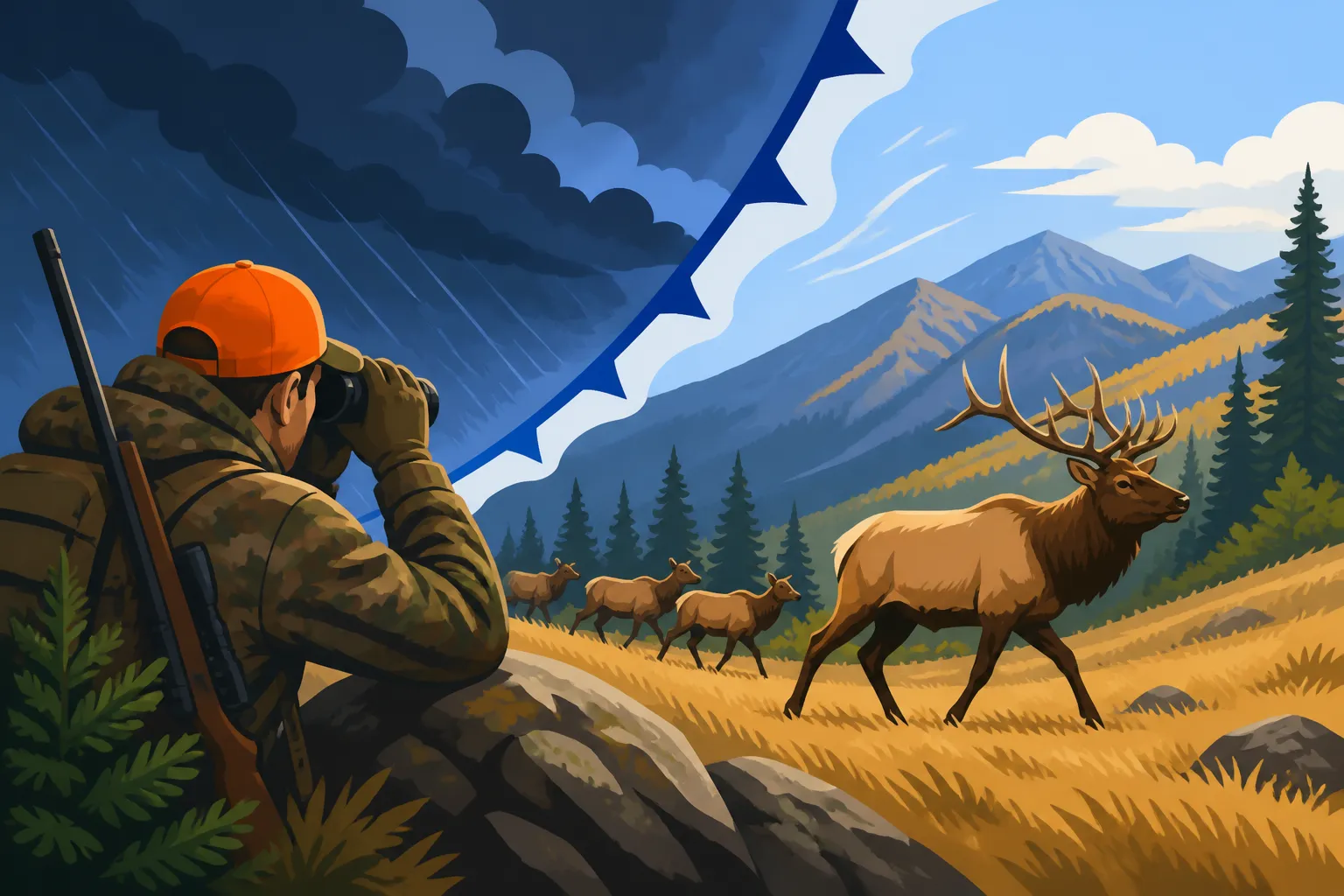
That feeling of being in elk country, and suddenly the skies darken, the wind picks up, and a real Colorado cold front starts to roll in? It can either feel like your hunt is about to get tougher, or if you know what you’re doing, it can be the absolute best opportunity to find and tag an elk. This guide is all about helping you recognize those shifts and adapt your strategies to effectively hunt elk when a cold front pushes them into action, turning what might seem like a challenge into your biggest chance.
Deciphering the Colorado Cold Front Phenomenon
Colorado's mountains are famous for their unpredictable weather, and cold fronts are a prime example. Understanding these weather shifts isn't just about staying comfortable; it's about predicting elk behavior and being in the right place at the right time. A cold front isn't just a drop in temperature; it's a dynamic system that can completely change the hunting landscape overnight.
What Exactly is a Cold Front, and Why Does it Matter to Elk?
At its core, a cold front is the leading edge of a cooler mass of air, displacing warmer air. In Colorado, this often means a rapid temperature drop, increased wind, and frequently, precipitation – anything from a light drizzle to a full-blown snowstorm, especially in higher elevations. For elk, these fronts are a massive signal. They don't have calendars or weather apps, but their biological programming tells them something big is coming.
Think about it from an elk's perspective. Their survival is tied to energy intake and conservation. When a severe weather event is imminent, their instinct often kicks in: feed now, before it gets bad. This pre-front feeding frenzy is a golden opportunity for hunters, as elk will often become less wary and more visible as they try to gorge themselves. Once the front hits, especially if it brings heavy snow or extreme cold, their focus shifts to seeking shelter and conserving energy. This means understanding the phases of a cold front is critical.
Reading the Weather Signs Before a Cold Front Hits
You don't need to be a meteorologist to anticipate a cold front, but paying attention to the subtle cues Mother Nature provides can give you a huge advantage. Often, before a significant cold front, there's a period of unusually warm or mild weather, almost a "calm before the storm." The air might feel heavy, and you might notice a shift in wind direction, often from a southerly flow to a more westerly or northerly one.
Keep an eye on the sky, too. Cirrus clouds (wispy, high-altitude clouds) often precede a front by a day or two. As the front gets closer, these can turn into thicker altocumulus or altostratus clouds, signaling increasing moisture and a more imminent change. A sudden drop in barometric pressure, which many GPS units and hunting apps like GoHunt now track, is one of the most reliable indicators. A falling barometer means pressure is dropping, often heralding incoming foul weather. Knowing how to read these signs allows you to position yourself strategically before the chaos truly begins.
Understanding Elk Behavioral Shifts with Incoming Weather
Elk behavior is directly influenced by weather patterns. Before a cold front truly hits, during that "pre-front" stage, you'll often observe a surge in activity. This is the elk recognizing the impending change and trying to maximize their energy intake. They might move more openly, feeding aggressively in meadows, aspen groves, or open timber. This is a fantastic time to be glassing, as elk might be more visible than usual.
Once the actual cold front starts to push through, bringing significant wind, rain, or snow, elk will react differently. They'll often seek thermal cover—dense timber, south-facing slopes, or deep canyons where they can escape the worst of the elements. Their movement might become more purposeful, as they head to specific bedding or shelter areas. The "push" itself can mean a general migration to lower elevations if heavy snow is involved, or simply a shift to thicker, more protected areas within their existing range. Understanding these predictable shifts is key to knowing where to focus your efforts. A good place to learn more about this is by studying Colorado Elk Herd Recovery Story and Colorado Elk Habitat by Elevation, which provide background on these patterns.
Tactical Approaches During an Elk Cold-Front Push
When that cold front rolls in, your standard hunting tactics might need a serious overhaul. Elk are on the move, stressed by the weather, and often more concentrated. This is when strategic adjustments can make all the difference.
Aggressive Glassing and Locating Elk Movement
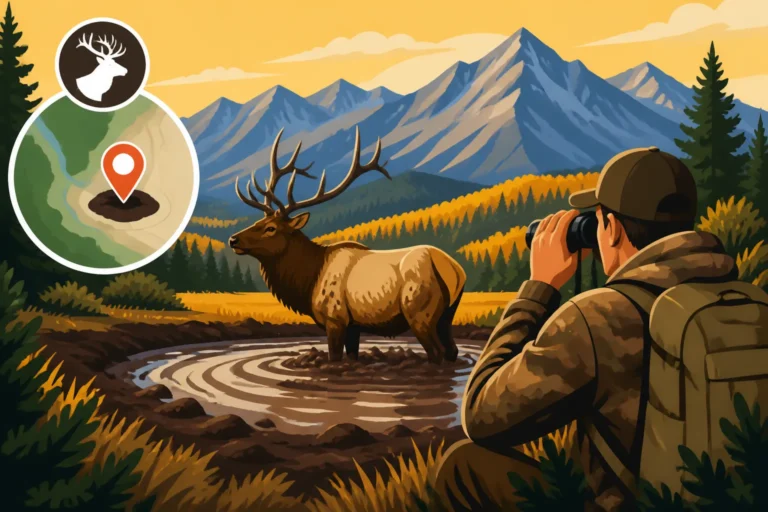
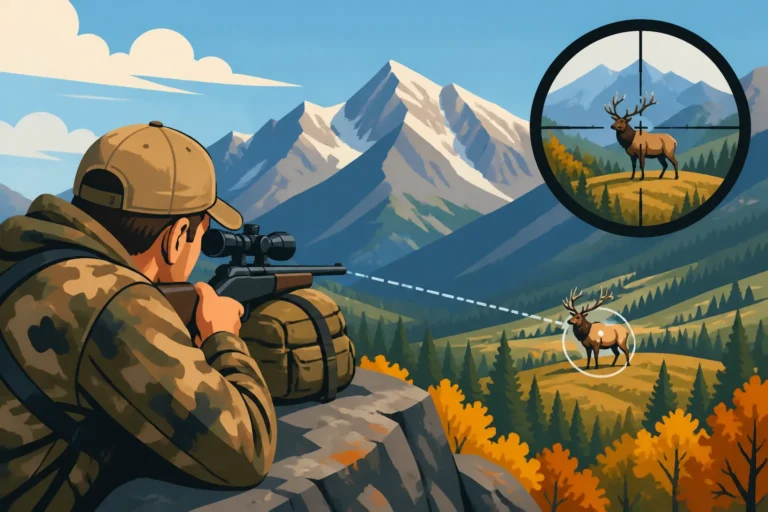
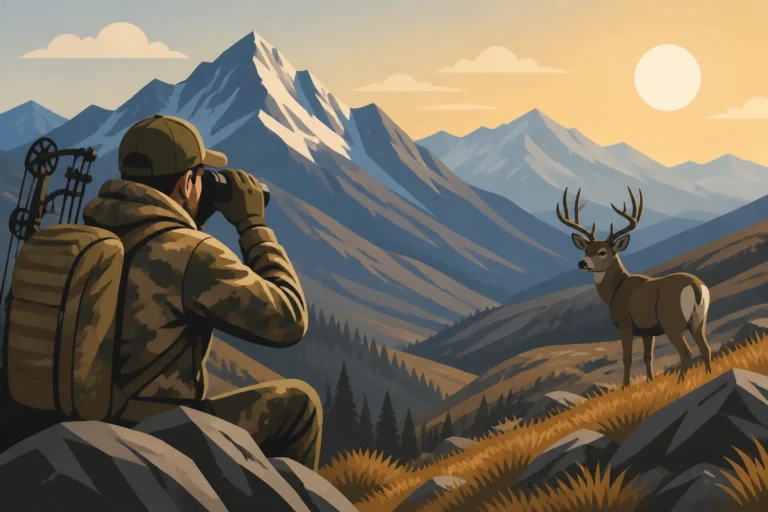
During a cold front, especially one bringing significant wind or snow, visibility can be challenging. However, elk are often forced to move, whether to feed before the worst of it, seek better cover, or even migrate. This means that if you can find a vantage point and endure the conditions, aggressive glassing can pay off immensely. Focus your high-quality optics, like those from a brand like Vortex or Maven, on sheltered pockets, benches, and the edges of dense timber.
Elk might be moving between feeding and bedding areas more actively, or they might be covering ground to get to a more protected basin. Areas where dark timber meets open parks or benches, or where south-facing slopes offer a temporary reprieve from north winds, are prime locations to watch. Don't just scan; grid the landscape slowly, looking for even a flick of an ear or a patch of hide. When the snow starts falling, those dark bodies stand out, making them easier to spot against the white backdrop. Remember that knowing how to Glass Big Colorado Basins is a skill that truly shines in these conditions.
Capitalizing on Increased Feeding and Movement Patterns
As we touched on, prior to the brunt of the cold front, elk often go into a feeding frenzy. They know winter is coming, or at least a harsh few days, and they need to top off their energy reserves. This is when you'll find them hitting meadows, clear cuts, and even agricultural fields if you're on the fringes of private land. Be in those feeding areas, or the travel corridors leading to them, during the pre-dawn hours and late afternoon.
Once the front arrives, especially with heavy snow, their movement might become more restricted to areas with accessible forage or thermal cover. This often means tighter, more defined travel routes as they navigate deeper snow or wind-blown drifts. These patterns create natural pinch points and ambush opportunities. Scouting these areas beforehand, perhaps using a tool like GoHunt to analyze terrain and historical movement patterns, can give you a significant advantage. This heightened activity, whether it's feeding or seeking shelter, is why a cold front is often called an "elk push" – they're being pushed into more predictable patterns.
Adjusting Calling Strategies for Responsive Bulls
Elk calling can be incredibly effective during a cold front, but your strategy needs to adapt. During the pre-front feeding activity, bulls might be more focused on eating, but the overall sense of urgency can make them more responsive to calls, especially if they're trying to gather cows before the storm. A confident cow call or a soft bugle might be just enough to pique their interest.
However, once the front is fully engaged with howling winds and heavy precipitation, loud, aggressive calling might be less effective or even counterproductive. The wind will carry sound unpredictably, and elk will be conserving energy. Instead, consider more subtle cow calls, mews, or even a soft social bugle as you move slowly through thick timber. Sometimes, a series of soft, interspersed calls can get a bull to respond, especially if he's alone or trying to keep his herd together. They might not be bugling aggressively, but they will often still respond vocally, giving away their position. Check out our in-depth guide on Colorado Elk Hunting: Calling Tactics for more details on specific calls and scenarios.
Ambush Points and Sticking to Cover
The "elk push" aspect of a cold front often means elk are moving from point A to point B with more urgency and along more defined routes. This makes ambush hunting a highly effective strategy. Identify saddles, benches, creek bottoms, and dense timber edges that connect known feeding, bedding, or migration areas. These become natural travel corridors.
Set up downwind or crosswind of these corridors, utilizing the terrain and thick cover to break up your silhouette. Elk will be moving with the wind or thermals in their face, trying to catch scent of danger, so understanding how to Use the Wind Hunting Colorado Elk and How to Use Thermals in Colorado Elk Country is paramount. With reduced visibility and the sounds of wind and precipitation, elk can move surprisingly close without detecting you if you're patient and hidden. This is where you might employ tactics similar to those described in How to Ambush Elk on Public Land, tailored for the extreme weather conditions.
Here's a quick reference table for adapting your elk hunting strategy to cold fronts:
| Phase of Cold Front | Elk Behavior | Recommended Tactics | Key Considerations |
|---|---|---|---|
| Pre-Front (24-48 hrs before) | Increased feeding, less wary, covering ground. | Aggressive glassing, focus on feeding areas, active calling. | Be in position early, capitalize on heightened activity. |
| During Front (active storm) | Seek thermal cover, purposeful movement to shelter, migration. | Ambush travel corridors, quiet still-hunting, soft calling. | Focus on dense timber, south-facing slopes; use scent control. |
| Post-Front (24-48 hrs after) | Bedded in thick cover, slower movement, sunning. | Still-hunting bedding areas, glassing sunny slopes, subtle calls. | Elk can be lethargic; check areas protected from wind. |
Essential Gear and Mindset for Hunting the Storm
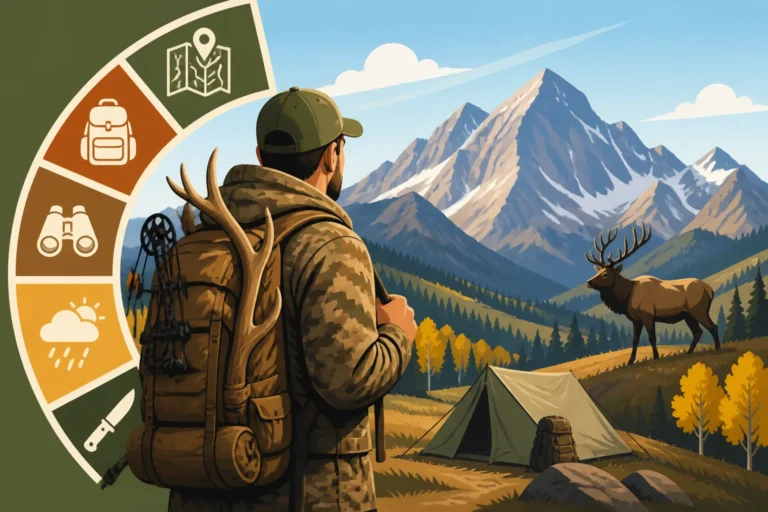
Hunting a Colorado cold front means more than just knowing elk behavior; it means being prepared for anything the mountains throw at you. From torrential rain to heavy snow and biting winds, comfort and safety hinge on your gear and mental fortitude.
Clothing and Layering for Rapid Weather Changes
This isn't a suggestion; it's a non-negotiable requirement. Layering is king in Colorado, especially when chasing elk through a cold front. You need a system that allows you to regulate your body temperature as you transition from strenuous uphill climbs to static glassing in a blizzard.
Start with a good moisture-wicking base layer (merino wool or synthetic, never cotton). Add a mid-layer for insulation – a fleece or puffy synthetic jacket is ideal. Your outer layers need to be fully waterproof and windproof, capable of shedding heavy precipitation while still allowing some breathability. Brands like Sitka, KUIU, and First Lite offer excellent systems designed for these conditions. Don't forget a warm hat, gloves or mittens (often both for different activities), and a neck gaiter. Your boots are crucial too; invest in the Best Boots for Colorado Elk Hunting that are insulated and waterproof, because wet, cold feet can end a hunt fast. Carry spares of key items like gloves and socks if you can afford the weight.
Navigation and Safety in Inclement Mountain Conditions
Visibility can drop to near zero during a heavy snow squall or dense fog that often accompanies cold fronts. This is where robust navigation skills and tools are literally life-saving. Don't rely solely on your phone; bring a dedicated GPS unit and know how to use it. A mapping app like onX Hunt or GoHunt on your phone, downloaded for offline use, is also invaluable. Mark your vehicle, camp, and any key terrain features before you head out.
Beyond navigation, consider other safety essentials. A fully charged headlamp, a fire starter, extra food and water, and a small first-aid kit are critical. Tell someone your exact hunting plan and expected return time. If you're heading deep into the backcountry, a satellite communication device (like a Garmin inReach or Zoleo) is a smart investment, allowing you to send messages and trigger an SOS even without cell service. Hunting in Colorado's high country during a storm can be dangerous, so knowing how to Prepare for High-Altitude Hunting and understanding the Colorado Backcountry Hunting Gear List are paramount.
The Mental Game: Persistence Through the Elements
Let's be real: hunting in a cold front is tough. It's cold, wet, windy, and miserable at times. It takes a certain kind of mental toughness to push through. You'll question why you're out there, second-guess your decisions, and want nothing more than a warm fire. But this is precisely why cold fronts can be so productive: most hunters head for camp.
Embrace the discomfort. Focus on the task at hand. Remind yourself that the elk are out there, and they're dealing with the same conditions. Often, the hunters who punch their tags in these conditions are simply the ones who stick with it longer. A positive mindset, the ability to adapt, and sheer grit are as important as any piece of gear. When the wind howls and the snow flies, remember that this is when the mountains truly test you, and sometimes, reward you handsomely.
Post-Front Strategies: When the Dust Settles
Just as elk react to the incoming storm, they also have predictable behaviors once the cold front has passed and the weather stabilizes. Knowing how to hunt these post-storm patterns can extend your success rate.
Locating Elk in Their Post-Storm Bedding Areas
After a severe cold front, especially one that dumps a lot of snow or brings extreme temperatures, elk will typically seek out their most protected and comfortable bedding areas. Think south-facing slopes, which catch the most sun and can help melt snow, making forage more accessible. These areas also offer warmth. Look for dense stands of conifer trees or thick timber where they can find thermal cover and break the wind.
Elk will often remain bedded for longer periods after a storm, conserving energy. This means your best bet might be slow, methodical still-hunting through known bedding areas, especially during midday. They might be reluctant to move much, but they'll be there. If there's fresh snow, tracks will be everywhere, helping you locate these prime areas. Our guide on How to Find Elk in Deep Timber provides excellent insights into these types of tactics.
Adjusting Tactics as Pressure and Conditions Stabilize
Once the immediate threat of the storm has passed, and if other hunters have left the field, elk might become a bit more relaxed, though always wary. The world might be covered in fresh snow, making visual tracking much easier. The quiet that often follows a heavy snowfall can also work in your favor, allowing you to hear elk moving or calling from further away.
As conditions stabilize, elk will eventually need to feed again. They might still be moving through thicker cover, but they'll often emerge into sunnier spots or areas where the snow depth is more manageable for foraging. Your calling strategy might shift back towards more general locator bugles or cow calls to locate bulls that are starting to re-establish themselves or look for scattered cows. Being prepared for a variety of conditions and knowing how to adapt your methods, whether it's still-hunting or calling, is what truly sets successful hunters apart in the diverse and challenging terrain of Colorado.
Disclaimer
Hunting is an inherently dangerous activity. This guide provides general information and recommendations. Always prioritize safety, adhere to all Colorado Parks and Wildlife regulations, and be prepared for rapidly changing weather and terrain conditions. The author and publisher are not responsible for any incidents or accidents that may occur from following the advice in this guide.