Best Method to Hunt Colorado Mule Deer
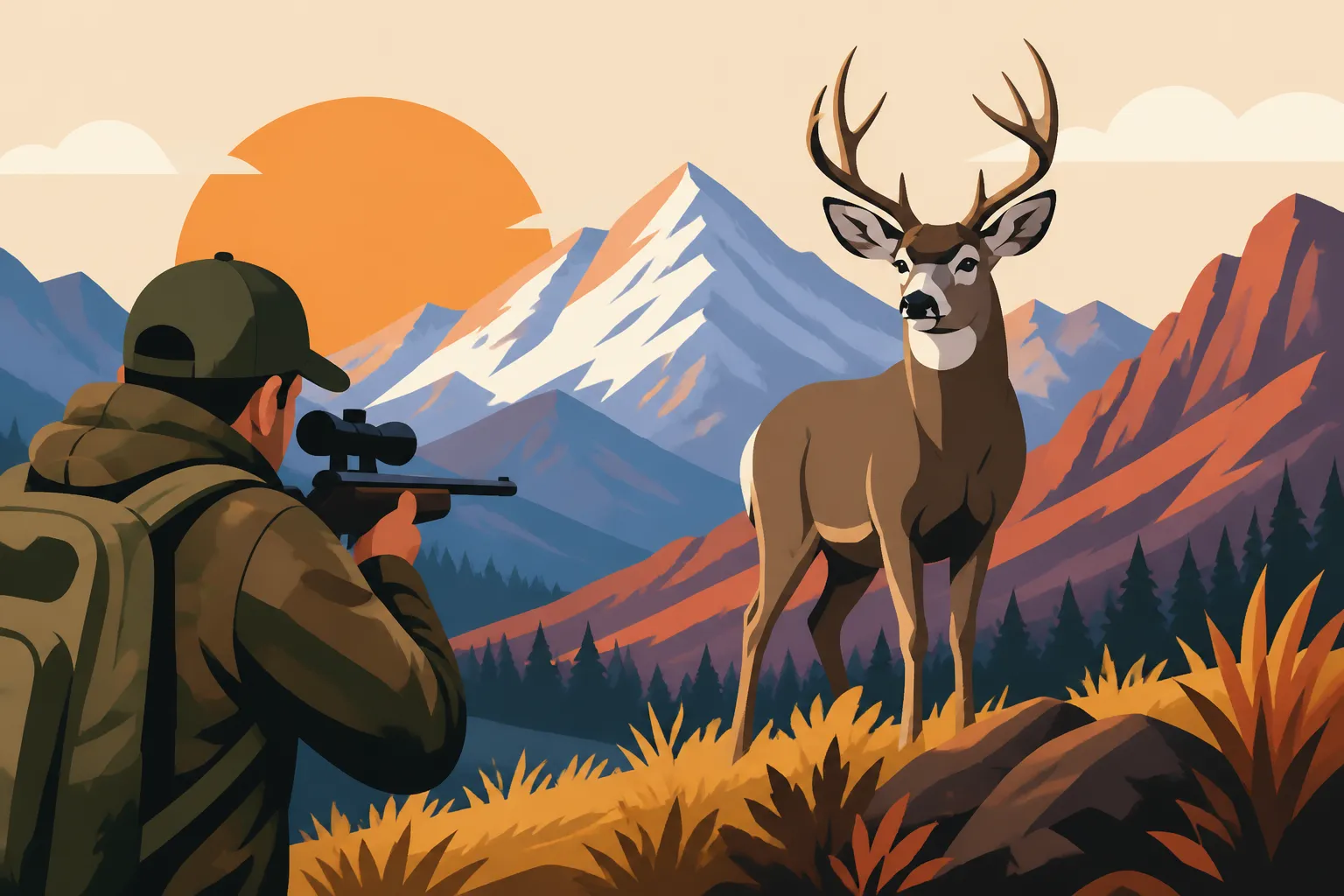
Hunting for mule deer in Colorado can feel like you're constantly chasing a ghost. These magnificent creatures are renowned for their elusiveness, their ability to vanish into seemingly sparse cover, and their preference for rugged, challenging terrain. Many hunters grapple with choosing the right approach, wondering if they should sit patiently, glass from afar, or try to stalk through the timber. This comprehensive guide is here to unravel the complexities and help you discover the most effective methods to consistently find and pursue mule deer across Colorado's diverse landscapes.
Understanding Mule Deer Behavior and Habitat in Colorado
Before you even consider which hunting method to employ, it’s absolutely crucial to understand the mule deer themselves. They aren't like their whitetail cousins; their habitat, movements, and responses to pressure are distinctly different, especially in a state as mountainous and vast as Colorado. Ignoring these fundamental aspects is like trying to navigate the backcountry without a map – you're likely to get lost and come up empty-handed.
Seasonal Movements and Rutting Activity
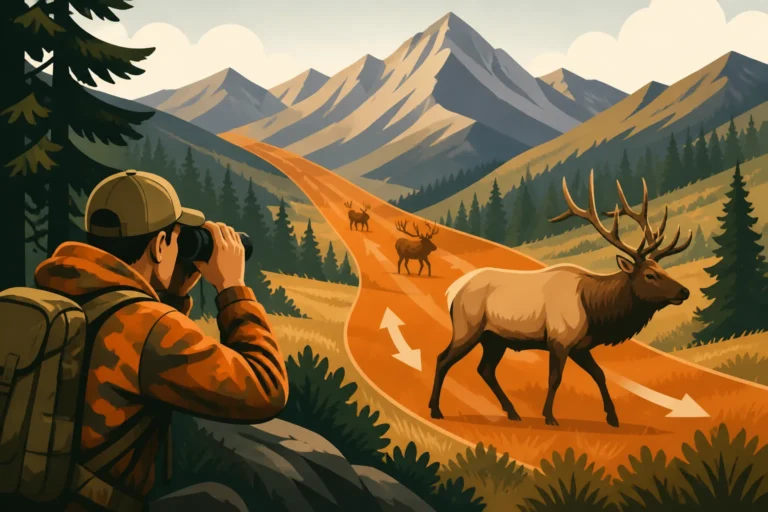
Mule deer in Colorado are often driven by elevation and food sources, leading to predictable, yet sometimes subtle, seasonal migrations. In the early archery seasons, you'll often find bucks higher up, basking in the cool alpine basins and feeding on lush vegetation. As autumn progresses and the first snows dust the high country, they begin their descent to lower, more sheltered winter ranges. This migration can create incredible opportunities, concentrating deer into specific travel corridors.
The rut, which typically peaks in late October through November, is a game-changer. Suddenly, those reclusive bucks become far more visible, driven by the urge to breed. They're more active, less cautious, and often found following does. Understanding when the rut is happening in your specific hunting unit can drastically influence your success. A buck that would typically vanish at the first hint of human presence might now be so focused on a doe that he makes a mistake. For more insights, check out our guide on Colorado Mule Deer Rut Explained. However, even during the rut, weather plays a huge role; a sudden cold front or heavy snowfall can trigger a push of deer that completely changes their daily patterns.
Preferred Terrain and Cover
Mule deer are creatures of varied landscapes, but they generally favor broken country that offers a mix of feed, cover, and escape routes. You’ll find them in dense timber, aspens, sagebrush flats, pinyon-juniper breaks, and steep, rocky canyons. They use these diverse habitats to their advantage, often bedding on north-facing slopes to stay cool on warm days or south-facing slopes to catch the sun during colder periods. The key is finding areas with transition zones – where two or more habitat types meet.
In the higher elevations, expect to find them in open parks surrounded by timber, along ridgelines that offer expansive views, or tucked into pockets of scrub oak. Lower down, they might be found in agricultural fields bordering thick draws, or in the rolling hills of the eastern plains. Their keen eyesight is their primary defense, which is why they often prefer areas where they can see danger coming from a distance. Knowing their preferred bedding and feeding habits for the specific time of year you're hunting is paramount. Utilizing mapping tools like those from GoHunt can help you identify these specific terrain features and plan your approach effectively.
Popular Hunting Methods for Colorado Mule Deer
There isn't one magical "best" method for hunting Colorado mule deer because the landscape, season, and individual deer behavior demand adaptability. What works wonders in one area might be useless in another. Instead, a successful hunter often masters several methods and knows when and how to deploy each one.
Spot-and-Stalk Hunting: The Mountain Classic
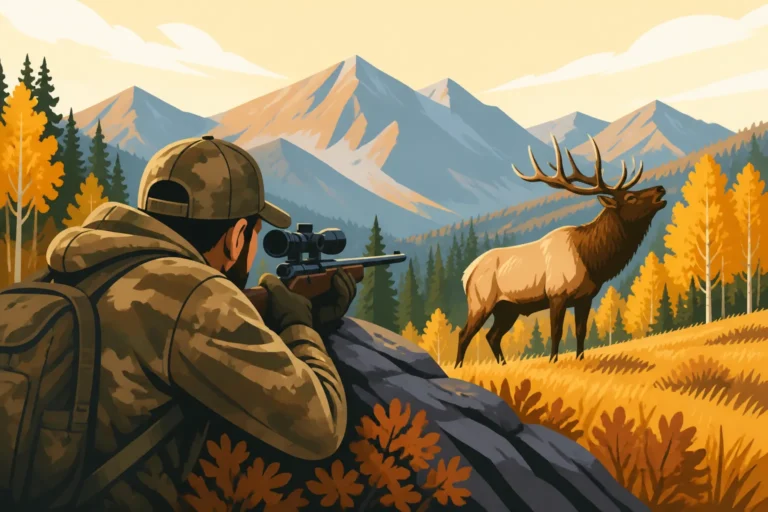
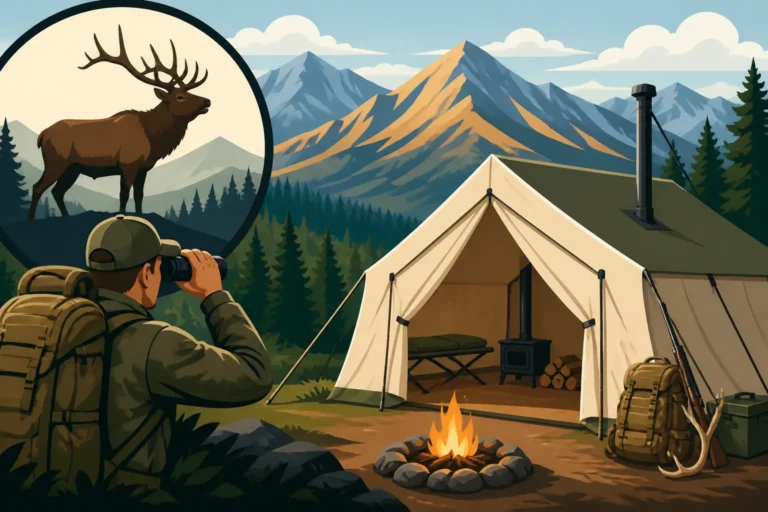
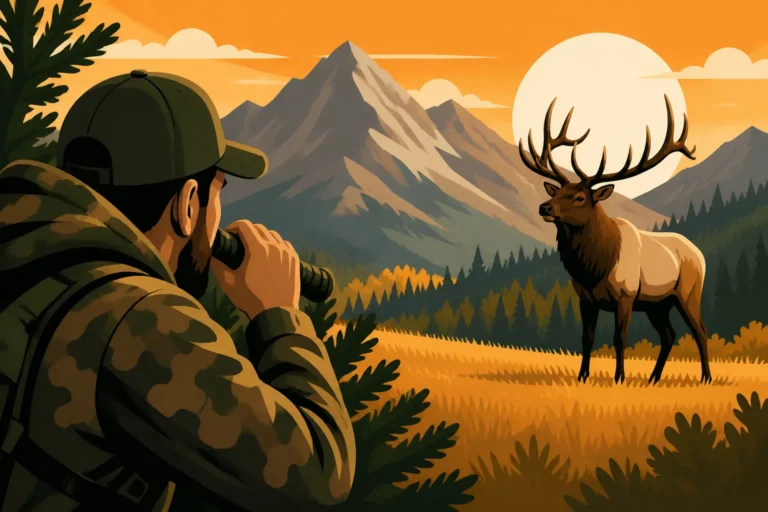
Without a doubt, spot-and-stalk is arguably the most iconic and often the most productive method for mule deer in Colorado, especially in the vast, open high country or expansive sagebrush basins. This method involves using high-quality optics – binoculars, spotting scopes – to locate deer from a distance, then carefully planning and executing an approach to get within shooting range.
The biggest advantage here is leverage: your eyes are your greatest asset. You can cover immense amounts of ground visually without expending the physical energy of walking it. You’ll spend hours, sometimes entire days, perched on a vantage point, meticulously picking apart distant hillsides, dark timber edges, and brushy draws. Once a buck is spotted, the real challenge begins. You need to consider wind direction, thermals (especially in the mountains where they shift throughout the day), terrain features that offer cover for your approach, and the deer's current activity. Is he feeding? Bedded? Moving with a doe? Each factor influences your stalk. This is a highly active and physically demanding method, requiring patience, stealth, and a keen understanding of contour lines. Learning How to Glass Big Colorado Basins is a fundamental skill for this method.
Still-Hunting: Slow and Deliberate
Still-hunting is often misunderstood; it's not simply "walking slowly." It’s a painstaking, deliberate method where you move at a snail's pace, taking only a few steps at a time, then pausing for several minutes to intently observe your surroundings. This technique is particularly effective in thicker timber, dense pinyon-juniper, or areas where spotting from a distance is difficult due to heavy cover.
The philosophy behind still-hunting is to blend in with the environment, moving so quietly and slowly that you essentially become a part of the forest. You’re looking for subtle signs: an antler tip, a horizontal line in a vertical forest, a flick of an ear, or even just the shine of an eye. The wind is paramount here; you must always hunt into or across the wind. Every step is calculated to avoid breaking twigs, scuffing leaves, or making sudden movements. It's a method that tests your patience and observation skills to their absolute limits, but it can be incredibly rewarding when you catch a buck off guard in his sanctuary. For success in deep cover, consider understanding How to Find Elk in Deep Timber as many of the same principles apply to mule deer in similar habitat.
Ambush/Stand Hunting: Patience is Key
While not as common for mule deer as it is for whitetails, ambush hunting, whether from a tree stand or a ground blind, can be a surprisingly effective tactic in specific scenarios. This method involves identifying key travel corridors, feeding areas, water sources, or bedding transitions and positioning yourself for an encounter.
This usually works best in areas with predictable deer movement, perhaps where deer are funneled through a narrow saddle between two drainages, or consistently visit a waterhole during dry periods. You’ll set up before daylight, settle in, and remain as motionless and quiet as possible for extended periods. This method requires extensive scouting to pinpoint these high-traffic areas. During the rut, positioning near a doe bedding area or a known scrape line can also pay dividends. While Colorado Elk Hunting: Tree Stand Tactics might focus on elk, the principles of stand placement, scent control, and patience are equally applicable to mule deer in the right locations. It's a low-impact method in terms of physical exertion once you're set up, but demands extreme discipline and mental fortitude.
Here's a quick comparison of these popular methods:
| Hunting Method | Ideal Terrain/Cover | Hunter Activity | Primary Skill | Best Conditions |
|---|---|---|---|---|
| Spot-and-Stalk | Open high country, sage flats, broken topography | High (glassing, hiking, stalking) | Optics, physical fitness, stealth | Clear, calm, good visibility, post-feeding hours |
| Still-Hunting | Dense timber, pinyon-juniper, thick draws | Medium (slow, quiet movement) | Observation, stealth, wind awareness | Overcast, light drizzle, windy (to mask sound) |
| Ambush/Stand | Funnels, saddles, water sources, feeding areas | Low (stationary) | Scouting, patience, scent control | Pre-dawn/dusk, consistent deer patterns |
Combining Strategies for Success: The "Best Method" Approach
The truth is, there isn't a single "best" method. The most successful Colorado mule deer hunters are those who are flexible, adaptable, and willing to combine various strategies based on the specific unit, time of year, weather conditions, and the behavior of the deer they're pursuing. Think of it less as picking one tool and more as having a comprehensive toolbox.
E-Scouting and Pre-Season Preparation
Your hunt for Colorado mule deer truly begins long before you set foot in the field, often from the comfort of your home. This is where modern tools shine, and platforms like GoHunt become invaluable. E-scouting involves using satellite imagery, topographic maps, and other digital resources to identify potential hunting areas, analyze terrain, pinpoint bedding zones, escape routes, and water sources. You can use these tools to find those high-country basins perfect for spotting, or the dense timber where still-hunting might be the ticket.
During this phase, you're looking for patterns and choke points. Where are the north-facing slopes with good cover adjacent to south-facing feeding grounds? Are there hidden saddles that deer would use to cross between drainages? How far are these potential spots from access roads, and what's the elevation gain? GoHunt's detailed maps and data layers can help you answer these questions, allowing you to narrow down productive areas and plan multiple contingency plans before you even load your truck. This level of preparation ensures that when you arrive, you're not wasting precious hunting time figuring out the lay of the land; you're already in the game. Learning How to E-Scout Before a Colorado Hunt is critical for a strong start.
Adapting to Conditions and Deer Behavior
Once you're in the field, it's all about real-time adaptation. The weather can change in an instant in Colorado's mountains, and so can deer behavior. A bluebird day might call for extensive glassing and a spot-and-stalk approach. But if a snowstorm rolls in, those same deer might seek the shelter of the dark timber, making still-hunting a much more viable option.
Let's say you started your day with a classic spot-and-stalk, but after hours of glassing, you've turned up nothing in the open country. Instead of stubbornly sticking to that plan, perhaps it's time to pivot. Maybe the deer are holding tight in the dense aspens due to hunting pressure or changing weather. This is when you'd transition to a slow, methodical still-hunt through a promising timber patch. Or perhaps you've identified a heavily used trail near a water source during your scouting, and after a couple of unproductive still-hunts, you decide to set up for an evening ambush. The "best method" is truly the one you're executing effectively at that moment, based on all the factors at play. This flexibility, combined with solid pre-season scouting and physical preparation, is what separates consistently successful hunters from those who just get lucky. If you're physically preparing for the challenges, knowing How to Physically Prepare for Colorado Elk can cross-apply to mule deer hunting.
Ultimately, the best method to hunt Colorado mule deer is a dynamic blend of deep understanding, diligent preparation, and tactical flexibility. It's about knowing when to be patient, when to move, and when to pivot to a completely different strategy.
Disclaimer
Hunting is an inherently dangerous activity. Always prioritize safety, understand and follow all Colorado Parks and Wildlife regulations, and be aware of your physical limitations and environmental conditions. This guide provides general information and recommendations; individual results may vary.