Best Colorado Outfitters for Meat Hunters
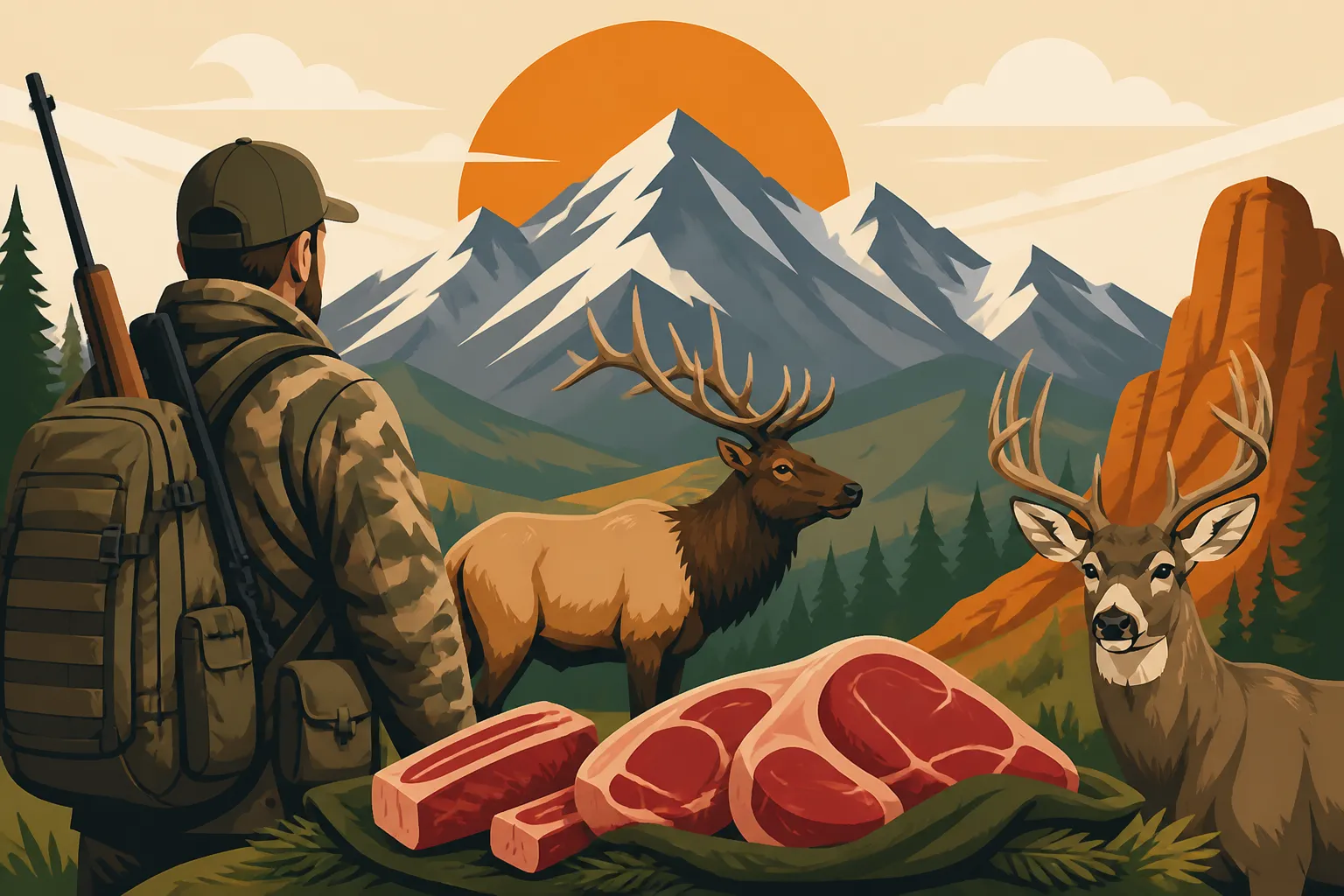
It’s easy to feel overwhelmed when you start planning a Colorado elk hunt, especially when everyone seems focused on scoring a massive trophy bull. But let's be real, for many of us, the primary goal isn't just a giant rack for the wall; it's about filling the freezer with some of the finest wild game meat available. Finding an outfitter who truly understands and caters to this "meat hunter" mindset, rather than solely chasing Boone & Crockett scores, can feel like a hunt in itself. This guide will walk you through what to look for in Colorado outfitters to ensure you have the best chance at a successful meat hunt.
Understanding What "Meat Hunting" Means in Colorado
Before we dive into finding the perfect outfitter, let's clarify what "meat hunting" truly encompasses, particularly in a place like Colorado. It’s more than just settling for "anything with antlers" or passing up a smaller bull. It’s a deliberate strategy focused on efficiency, ethical harvest, and maximizing the yield of high-quality wild game for your family.
Dispelling the Trophy-Only Myth
There's a prevailing narrative in hunting circles that often glorifies the pursuit of the largest, most impressive trophy animals. Social media is flooded with images of hunters posing with gargantuan bulls and bucks, which can sometimes make a hunter focused on meat feel like they're missing the point. But the truth is, a spike elk, a young cow, or a 2-point mule deer can offer just as much, if not more, tender, delicious meat than an old, hard-ridden trophy animal. An older bull that's been bugling and fighting all rut often has tougher meat, whereas a younger animal or a cow will generally provide a more palatable experience. The "trophy" for a meat hunter is a full cooler and a freezer stocked for the year. This perspective is not only practical but also deeply respectful of the animal and the sustenance it provides.
Why a Dedicated Meat Hunt Makes Sense
Choosing to focus on a meat hunt offers several distinct advantages. First, it often means higher success rates. Tags for cow elk or spike bulls are generally easier to draw and sometimes even available over-the-counter (OTC) in certain seasons and units, unlike the highly sought-after trophy bull tags. This means you might get into the field sooner, or find an outfitter with more access to these types of opportunities. Second, the pressure can be significantly lower. While trophy hunters might be focused on specific, elusive animals in prime rut locations, a meat hunter can often find success by targeting more abundant, less pressured animals in a wider range of habitats. Finally, the ethical satisfaction of providing for your family, knowing exactly where your food comes from, and minimizing waste, is profoundly rewarding. It’s about sustenance and connection to the land, which is, for many, the very essence of hunting.
Key Qualities of a Great Meat Hunting Outfitter
When your primary goal is to fill the freezer, the criteria for choosing an outfitter shift. You’re not looking for someone who promises record book animals, but rather someone who understands the practicalities of a high-odds, successful harvest focused on efficiency and proper meat care.
Focus on Opportunity and Success Rates, Not Just Big Antlers
A good outfitter for a meat hunt will emphasize opportunity and consistent success rates for harvest, rather than just the potential for a monster bull. They'll have a proven track record of getting hunters on animals, even if those animals aren't the biggest in the herd. This often means they've diversified their hunting grounds or have solid relationships with private landowners who allow access to areas with healthy populations of cow elk or younger bulls. Ask about their success rates specifically for cow tags or general season bull tags, not just for "trophy" hunts.
For instance, an outfitter might have access to winter range properties that hold large herds of elk, perfect for a late-season cow hunt. Or they might focus on less glamorous but elk-rich areas of public land that trophy hunters overlook. This is where their local knowledge really shines. They should be able to articulate their strategy for getting you on an animal that meets your meat hunting goals. You can find many reputable operations on platforms like BookYourHunt, where you can filter by species, region, and even read reviews from past clients to gauge their general success with meat-focused hunts.
Logistics and Field Processing Support
The moment an animal is down, the clock starts ticking, especially in warmer early season hunts or if you're deep in the backcountry. A top-notch meat hunting outfitter understands that proper field care is paramount to preserving the quality of the meat.
- Experienced Guides: Your guide should be proficient not just in tracking and calling, but also in gutting, quartering, and preparing an animal for pack-out. They should be able to do it efficiently and cleanly.
- Pack-Out Logistics: This is huge. Is the outfitter prepared for a quick and efficient pack-out, especially in rugged terrain? Do they use horses, ATVs, or have a team of strong packers ready to go? If you're on a Colorado DIY Elk Hunting Guide type of hunt but using a drop camp, knowing the outfitter's system for getting meat off the mountain is critical. Some outfitters specialize in operations where getting a harvested animal out is relatively easy, perhaps near roads or with good vehicle access, which can save immense time and effort. Others excel in deep wilderness hunts where horses are the only option, making the logistics of getting an entire elk out a significant undertaking. Understanding how to Pack Out an Elk in Colorado is a skill your outfitter should either handle or thoroughly educate you on.
- Meat Handling and Storage: What happens to the meat once it's off the mountain? Does the outfitter have a cooler or cold storage at camp, or a relationship with a local meat processor? How do they ensure the meat stays cool, especially if you harvest early in the hunt? Knowing how to Keep Elk Meat Cool in Warm Weather is vital, and a good outfitter will have a plan for this. This attention to detail ensures your hard-earned meat doesn't spoil and remains high quality.
Transparent Pricing and Inclusions
Cost is always a factor, and for meat hunters, getting good value for your money is essential. A reputable outfitter will be completely transparent about their pricing structure and what is included in the hunt package.
- What's Included?: Does the price cover food, lodging, guide services, field processing, and initial meat transportation? Are there any hidden fees for things like caping or additional guides for packing? Some outfitters might offer different tiers, like a "fully guided" versus a "semi-guided" experience. For a focused meat hunt, a semi-guided option might be a great balance of independence and support, often at a lower cost.
- Tag Assistance: While most guided hunts don't circumvent the draw system for limited tags, an outfitter can often advise you on how to apply for the best odds, especially for cow or spike tags, or help navigate the Colorado OTC Elk Tags Explained system. They might also be able to connect you with Colorado Landowner Voucher Hunts Explained opportunities, which can be an excellent way to secure a tag for a prime meat hunting area.
- Refund Policies: Understand their cancellation and refund policies. Life happens, and knowing your options if you can't make the hunt is important. The overall Colorado Guided Elk Hunt Cost can vary widely, so make sure you're comparing apples to apples across different services.
Here's a quick comparison table for different hunt types when considering meat harvesting:
| Feature | Fully Guided Hunt | Semi-Guided Hunt | Drop Camp Hunt |
|---|---|---|---|
| Guide Presence | 1:1 or 1:2 guide-to-hunter ratio, always with you | Guides provide direction, but you hunt solo/group | No guide in the field, camp setup/logistics provided |
| Meat Care Support | Full field processing, packing out, initial transport | May assist with quartering, packing help if arranged | You are responsible for all field processing and packing |
| Success Rate Focus | High opportunity for specific animals (often trophy) | Strong focus on opportunity for any legal animal | Depends heavily on your skills and scouting |
| Cost (General) | Highest | Moderate | Lowest (of guided options) |
| Physical Demands | Can be tailored, but often rigorous | Moderate to high | High |
| Ideal For | First-time hunters, those wanting max support | Hunters with some experience, budget-conscious | Experienced, self-sufficient hunters |
Finding and Vetting Colorado Outfitters for Your Meat Hunt
The process of finding a great outfitter for a meat hunt isn't fundamentally different from finding one for a trophy hunt, but your specific questions and priorities will definitely shift. You're looking for practical, boots-on-the-ground capability rather than just a shiny brochure.
Utilizing Online Resources and Communities
The internet is a powerful tool for research. Websites like BookYourHunt or GoHunt offer databases of outfitters, often with client reviews and detailed service descriptions. Pay close attention to reviews that mention practical aspects: "Our guide was fantastic at getting the elk out quickly," or "They had a great cooler system at camp." These are gold for a meat hunter.
- Forums and Social Media: Hunting forums and Facebook groups dedicated to Colorado hunting are invaluable. Post your specific query: "Looking for Colorado outfitters specializing in meat hunts, good cow elk opportunities, or spike bull hunts." You'll often get honest recommendations and warnings. However, always take online advice with a grain of salt and cross-reference.
- State Wildlife Agencies: Colorado Parks and Wildlife (CPW) offers a list of licensed outfitters. While they don't endorse specific ones, it's a good starting point to confirm licensing. They also provide crucial information about Colorado Hunting Seasons Explained and various tag opportunities.
- Hunting Publications and Websites: Look for articles or advertisements in dedicated hunting magazines and websites. Many of these publications feature outfitters, and sometimes specific ones will highlight their focus on general season or cow hunts, which aligns perfectly with a meat hunting objective.
Questions to Ask Potential Outfitters
Once you've narrowed down a few potential outfitters, it's time to pick up the phone. Don't be shy; this is your money and your hunt.
- "What is your success rate for hunters targeting meat animals (e.g., cows, spike bulls)?" Be specific. A general "high success rate" might only apply to their trophy hunts.
- "What kind of terrain do you primarily hunt, and how do you handle pack-out logistics for a harvested animal?" This will give you insight into how much work you'll be doing and how efficiently the meat will be handled.
- "What are your typical hunt durations, and what does a standard day look like?" Some outfitters might run short, intense hunts, while others offer more relaxed, longer durations.
- "What is your plan for keeping meat cool in the field and back at camp, especially in warmer weather?" This is crucial.
- "Do you have a relationship with a local meat processor, and is that cost included or separate?" Knowing this beforehand helps with budgeting and planning your trip home.
- "What are the physical demands of this hunt? What kind of conditioning do you recommend?" Even for a meat hunt, Colorado terrain is no joke. Understanding How to Physically Prepare for Colorado Elk is essential, and your outfitter should be able to provide realistic expectations.
- "Can you provide references from past clients who primarily focused on meat hunting?" This is perhaps the most important question. Talk to them and ask about their experience specifically regarding meat quality and handling.
- "Are you licensed and insured in Colorado?" Always verify this for your peace of mind and protection.
Remember, you're not just buying a hunt; you're investing in an experience and a significant amount of food. The more questions you ask, the better informed you'll be.
The Role of Preference Points (Even for Guided Hunts)
Even if you're going with a guided hunt, understanding the Colorado Draw System and Preference Points can still be beneficial. While some outfitters have private land access that may not require drawing a specific limited tag, many will guide on public land where drawing a tag is necessary.
- Cow Tags: Often, specific cow tags or even certain units with abundant cow populations can be drawn with very few or even zero preference points. This is where an outfitter's knowledge of the Colorado Elk Draw Odds by Unit can be invaluable.
- Over-the-Counter (OTC) Options: In Colorado, certain archery and second/third rifle season elk tags are available over-the-counter for specific units. An outfitter who focuses on meat hunts will likely be well-versed in these OTC units and strategies, especially for archery seasons where OTC tags are more common. Knowing Colorado OTC Elk Units for Non-Residents can be a game-changer.
- Guaranteed Tags: If an outfitter does offer hunts on private land with "guaranteed" tags (often through landowner vouchers), inquire about the cost difference and if those hunts are more geared toward meat production than trophy potential. These can be excellent options, though typically more expensive than public land hunts.
Considerations for Different Species and Seasons
Colorado offers a diverse array of big game, and focusing on meat means you might open yourself up to opportunities beyond just elk, or discover specific seasons that are better suited for your goals.
Elk: The Ultimate Colorado Meat Animal
Elk are, without a doubt, the king of Colorado meat animals. A mature cow or bull can yield hundreds of pounds of delicious, lean protein.
- Cow Elk Tags: Many outfitters will offer dedicated cow elk hunts, often in the late season when elk have migrated to lower elevations, or on private agricultural lands where they might be considered overpopulated. These hunts often have higher success rates and less physical demand, as animals are typically in more accessible areas.
- Spike/Raghorn Bulls: For those who want a bull but prioritize meat, a young spike or raghorn bull is an excellent choice. Their meat is usually more tender than a mature bull, and tags can be easier to draw. Some units even have antler point restrictions (APR) that encourage the harvest of smaller bulls.
- Archery vs. Rifle vs. Muzzleloader: Each weapon season offers unique challenges and opportunities. Archery can be very rewarding, and many units have OTC archery elk tags. Rifle seasons, particularly 2nd and 3rd seasons, often align with good elk movement patterns and offer high success potential for meat hunters. Muzzleloader seasons, while limited, can also be productive. For a deeper dive, check out a resource like the Colorado Archery Elk Hunting Guide or Colorado Rifle Elk Hunting Guide.
Deer and Pronghorn: Excellent Alternatives
Don't overlook other species when planning a meat hunt. Colorado's Mule Deer Hunting Guide and Colorado Pronghorn Hunting Guide offer fantastic opportunities.
- Mule Deer: While not as large as elk, a mule deer buck or doe provides a substantial amount of excellent venison. Mule deer tags can be tough to draw in some of the trophy units, but many units offer good draw odds for does or smaller bucks, especially in plains regions or less-pressured mountain areas. The meat is very tender and flavorful.
- Pronghorn: Often found on the Eastern Plains, pronghorn offer a unique and exciting hunt. While smaller than elk or deer, their meat is surprisingly good, very lean, and unique in flavor. Many outfitters specialize in pronghorn hunts, which are often less physically demanding than mountain hunts. Tags can be easier to draw for does, or even specific buck tags on the plains.
- Bear: Colorado also offers fall bear hunting opportunities. A black bear can yield a significant amount of meat, though proper handling and cooking are essential. Some outfitters combine bear tags with elk or deer hunts.
Timing Your Meat Hunt for Success
The season you choose significantly impacts your hunt's character and success odds for a meat hunt.
- Early Archery (Late August – September): Elk are often in their summer patterns, higher up, and still relatively unpressured. While the rut begins, targeting cows or satellite bulls for meat can be very productive. Be mindful of warmer temperatures and rapid meat processing.
- Muzzleloader/Early Rifle (Mid-September – October): These seasons can overlap with the tail end of the rut or early migration. Elk are often responsive to calls, and cooler temperatures start to aid in meat care. This period offers a great balance for meat hunters.
- Late Rifle/Late Season (Late October – November): This is often prime time for meat hunters. Elk are usually migrating to lower elevations, concentrating in larger herds, and focusing on feeding before winter. Snow can make tracking easier. Many outfitters offer dedicated cow hunts during these seasons, knowing that hunters prioritize filling their freezers. These hunts can also have some of the highest success rates. Learning about Late-Season Elk Hunting Tactics can really boost your odds.
No matter which species or season you choose, communicating your "meat hunter" priorities clearly to any potential outfitter is paramount. This ensures everyone is on the same page and helps the outfitter tailor the experience to your specific goals, leading to a successful and satisfying hunt.
Disclaimer
Please remember that hunting regulations and season dates can change. Always consult the most current Colorado Parks and Wildlife (CPW) regulations and season brochures before planning and embarking on any hunting trip. This guide is for informational purposes only.