How to Hunt Colorado Pronghorn with a Bow
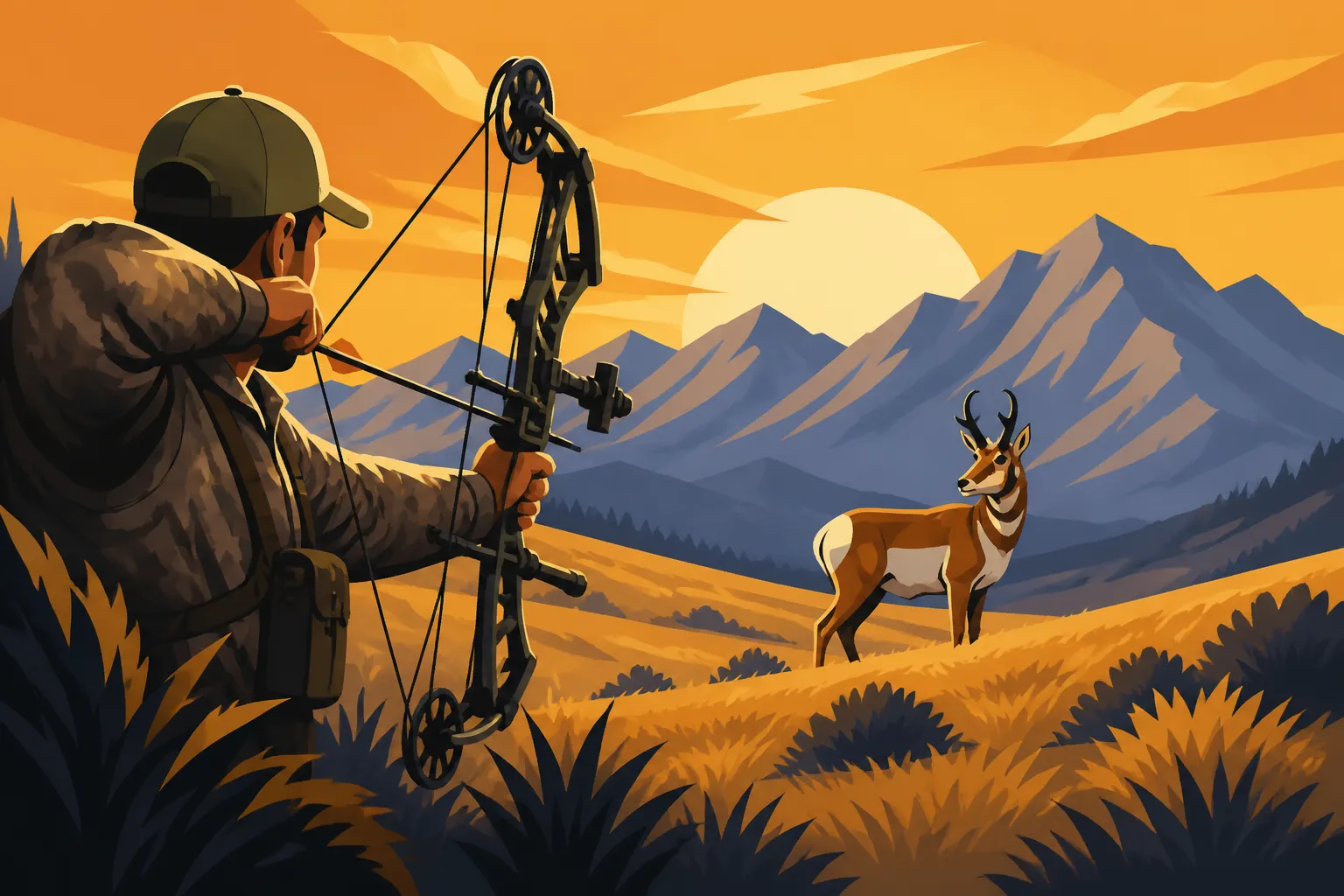
Trying to hunt pronghorn with a bow in Colorado can feel like you're playing a high-stakes game of hide-and-seek with an animal that has bionic vision and speed. Their habitat, the vast, open plains and sagebrush flats, offers little cover, making the stalk an agonizingly slow and often frustrating endeavor. This guide is dedicated to breaking down the unique challenges and offering practical, field-tested strategies to help you overcome these hurdles and find success bowhunting Colorado's incredible speed goats.
Understanding the Challenge: Why Bowhunting Pronghorn is Different
Pronghorn are often underestimated, with some hunters mistakenly believing they're easy to hunt simply because they're numerous. While plentiful in certain areas of Colorado, successfully taking one with a bow requires a level of patience, stealth, and strategic thinking that few other big game species demand. You're not just fighting the animal; you're battling the landscape itself.
Pronghorn's Unmatched Senses
One of the primary reasons bowhunting pronghorn is so challenging is their extraordinary senses. They are built for survival in wide-open spaces, and every faculty is finely tuned to detect danger from afar.
Their eyesight is legendary, often compared to that of a human equipped with 8x binoculars. They can spot movement and perceive threats at incredible distances, often a mile or more away. This means that if you can see them, chances are, they've already seen you. This phenomenal vision is coupled with an equally impressive sense of smell, allowing them to detect human scent from a surprising range, especially when the wind is working against you. Their hearing is also sharp, though perhaps not as dominant as their sight or smell. Any unnatural noise, a snapping twig, or a rustle of clothing, can send them bolting across the prairie, leaving you disheartened and alone in the vastness. Understanding these senses is the first step in devising a successful strategy.
The Open Plains Environment
The very habitat that pronghorn thrive in presents a formidable obstacle for bowhunters. Colorado's eastern plains, as well as many western slope basins, are characterized by rolling sagebrush hills, grasslands, and minimal tall cover. Unlike elk or deer hunting in the timber, you often can't simply sneak from tree to tree or use dense brush to obscure your approach.
This lack of cover forces bowhunters to get incredibly creative. Stalking becomes a low-crawl marathon, often across thorny terrain that tests both your physical endurance and your mental fortitude. The subtle undulations of the land, small washes, and scattered yucca plants become your only allies, and you must learn to read the topography like a roadmap to concealment. The open environment also means that the wind is a constant, often swirling factor, making scent control and strategic positioning paramount. Without the aid of dense forests to buffer your presence, every mistake is amplified, and every successful stalk feels like a monumental achievement.
Overcoming Distance and Speed
Pronghorn are not called "speed goats" for nothing. They are the fastest land animals in North America, capable of bursts of speed up to 60 miles per hour. When they decide to run, they cover ground with astonishing rapidity, making follow-up shots or even keeping them in sight a monumental task.
This combination of their speed and the vast distances they can travel means that a failed stalk often results in losing the animal entirely, or at least having to embark on a lengthy, exhausting pursuit just to get back into contention. Hunters must be prepared for long shooting distances with their archery equipment, even if the goal is a close shot. While you'll always aim for a chip shot within 20-40 yards, practicing out to 60-80 yards is crucial for confidence and proficiency should an unexpected opportunity arise or a critical follow-up shot be needed. You must be able to judge distance in the mountains, or in this case, the plains, with accuracy and confidence. The mental game of knowing you only have a few precious seconds to make a precise shot before they vanish is a significant hurdle that demands composure and skill.
Key Strategies for Bowhunting Colorado Pronghorn
Given the unique challenges presented by pronghorn and their open habitat, bowhunters need a diversified toolkit of tactics. Relying on a single method often leads to frustration. Instead, combining several approaches or adapting on the fly based on the situation will greatly increase your chances of success. Each strategy demands patience, precision, and an intimate understanding of pronghorn behavior.
Decoying for Close Encounters
Decoying is arguably one of the most thrilling and effective strategies for bowhunting pronghorn, especially during the rut. It taps into the male pronghorn's territorial instincts and their intense desire to protect their does from perceived intruders. The sight of another buck, even a fake one, can often trigger an aggressive response, causing them to charge in for a confrontation.
This method typically involves a hunter holding or wearing a decoy, often a silhouette of a buck or even a "fan" decoy that allows the hunter to shoot through it. The key is timing and concealment. You'll often spot a buck with a harem of does from a distance, then, under the cover of a slight rise or dip in the terrain, set up. One hunter acts as the decoy, slowly revealing themselves to entice the buck, while the shooter remains hidden, ready to draw and shoot when the unsuspecting buck closes the distance. The adrenaline rush when a mature buck locks onto your decoy and comes barreling in, often stopping at a mere 20-30 yards, is unlike anything else in hunting. However, does can be exceptionally wary, and if they spot you or get a whiff, the entire group will vanish, taking the buck with them. Decoying works best when bucks are actively rutting, from late August through early September, which aligns perfectly with much of Colorado's archery season. For those looking for a specific plan, you can learn more about Colorado Pronghorn Decoying as a dedicated strategy.
Mastering the Spot-and-Stalk Approach
The spot-and-stalk method is the purest form of bowhunting and, while incredibly difficult for pronghorn, can be immensely rewarding. It requires exceptional physical fitness, mental toughness, and a keen understanding of terrain and wind. This isn't a quick sprint; it's often a slow, agonizing crawl, sometimes for hundreds of yards, pushing your body and will to their limits.
The process begins by finding a herd or a lone buck from a significant distance using high-quality optics. Once located, you must carefully plan your approach, identifying every piece of cover—even a single sagebrush bush or a subtle rise in the ground—that can shield you from those legendary eyes. The wind is your absolute best friend or worst enemy; always approach downwind or crosswind to keep your scent away from the animals. The final few hundred yards often involve a "military crawl" on hands and knees, or even flat on your belly, dragging your bow with you. This can be excruciating, leaving you covered in dirt, scrapes, and sometimes cactus spines. Many stalks end in failure, with the pronghorn spotting you at the last minute and bursting away. But for those moments when you successfully close the distance, rise to a knee, and make the shot, the satisfaction is unparalleled. Precision planning with tools like GoHunt's mapping features can make identifying potential stalk routes much more efficient.
Utilizing Ground Blinds and Water Holes
Sometimes, the open country dictates a more static approach, and that's where ground blinds become invaluable, particularly when hunting near water sources. Pronghorn, like all animals, need to drink, and in arid regions of Colorado, water holes can be limited, concentrating animals. Setting up a blind near a well-used water source can be a highly effective ambush tactic.
This strategy requires diligent scouting to identify active water holes. Look for tracks, droppings, and fresh sign indicating regular use. Once a promising water source is found, set up a portable ground blind well in advance of your hunt, if possible, to allow the animals to acclimate to its presence. Ensure the blind is brushed in naturally and blends with the surroundings. Scent control is still crucial, even in a blind, as the wind can swirl unpredictably. The waiting game can be long and sometimes uneventful, but when a group of pronghorn finally decides to come in for a drink, you'll be in prime position. This method is particularly effective during hot, dry periods when water is scarce. Understanding How to Hunt Elk Water Holes can give you some transferable insights into setting up and waiting patiently. It's a strategy of patience, but one that can pay off handsomely when other methods prove too challenging in the vast plains.
Essential Gear for Your Colorado Pronghorn Bowhunt
Having the right gear won't guarantee success, but it will certainly tip the odds in your favor and make your hunt more comfortable and effective. Bowhunting pronghorn demands specific equipment choices that cater to their keen senses and the open, often harsh environment of the Colorado plains. Skimping on critical items can lead to missed opportunities or an uncomfortable experience.
Optics and Rangefinding Precision
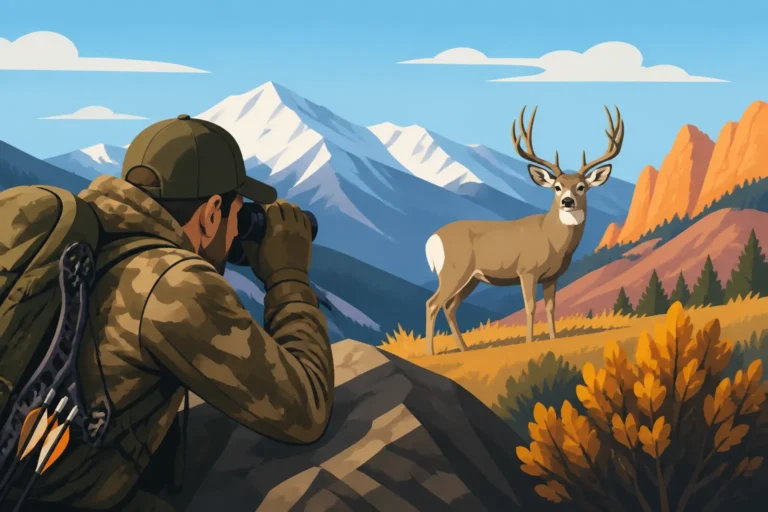
When hunting an animal with eyesight like a pronghorn, quality optics are not just recommended, they are absolutely essential. You'll spend a significant portion of your hunt glassing vast expanses of terrain, searching for those tell-tale white patches or the flicker of horns.
A good pair of 10×42 or 12×50 binoculars from reputable brands like Maven, Vortex, or Leica will be your best friend, allowing you to pick out animals at extreme distances without having to constantly use a spotting scope. For serious long-range observation, a quality spotting scope (20-60x or 25-75x) is invaluable for confirming trophy potential and planning your approach. The open country means judging distance is tricky, and precise rangefinding is paramount for ethical bow shots. A fast, accurate laser rangefinder is non-negotiable. Practice with your rangefinder extensively, ranging objects at various distances and angles, so it becomes second nature under pressure. Remember, every yard counts when you're trying to hit a small vital zone on an alert animal. The ability to use optics effectively can mean the difference between seeing a ghost and getting an opportunity.
Bow Setup and Arrow Considerations
Your bow setup for pronghorn needs to be as precise and reliable as possible. Given the potential for longer shots and the pronghorn's relatively small vital area, maximizing accuracy and kinetic energy is crucial.
First, ensure your bow is perfectly tuned. This means broadhead tuning it with the exact broadheads you intend to hunt with, ensuring your arrows fly true and consistently. A higher draw weight (within your comfortable range) will provide more speed and kinetic energy, which can be beneficial for flatter trajectory and deeper penetration. When it comes to arrows, opt for a good balance of speed and weight. A slightly heavier arrow with good FOC (Front of Center) can improve penetration and flight stability in windy conditions. For broadheads, a razor-sharp, fixed-blade broadhead or a well-tested mechanical broadhead known for reliable deployment and penetration will be your best choice. Practice shooting from various positions—kneeling, sitting, even prone—as you may not always have the luxury of a standing shot after a long stalk. Being comfortable and proficient with your entire setup out to 60-80 yards, even if you only take a 30-yard shot, builds confidence. You might also want to research Best Archery Setups for Colorado Elk for some general insights on western archery gear.
Clothing and Camouflage for the Plains
The open, often sun-drenched plains of Colorado demand specific considerations for clothing and camouflage. Your attire needs to offer protection from the elements, promote scent control, and blend seamlessly into the unique colors and textures of the environment.
Forget heavy timber camo patterns; they'll stand out like a sore thumb. Instead, opt for patterns designed for open country, sagebrush, or arid environments. Brands like KUIU, Sitka, and First Lite offer patterns that excel in these types of landscapes. Think muted tans, browns, grays, and subtle greens. Layering is key, as temperatures can swing wildly from chilly mornings to scorching afternoons. Lightweight, breathable base layers are essential for managing sweat and staying comfortable during long crawls. Outer layers should be durable and quiet. Most importantly, focus on scent control. Pronghorn have an incredible sense of smell, so wearing scent-eliminating clothing, showering with scent-free soap, and using scent-free sprays are all critical. A light pair of gloves and a face mask will help break up your outline and hide exposed skin, especially during a decoy setup or a final stalk where every detail matters.
Scouting and Locating Pronghorn Hotspots
You can have the best gear and the most dialed-in bow, but if you're not hunting where the pronghorn are, it's all for naught. Effective scouting, both before you even leave home and once you hit the ground, is paramount for a successful Colorado bowhunt. Pronghorn are creatures of habit to some extent, and learning their patterns and preferred habitats will significantly boost your odds.
Leveraging E-Scouting Tools
In today's hunting world, effective e-scouting can save you countless hours of unproductive boots-on-the-ground searching. Before you even set foot in Colorado, you can virtually explore potential hunting areas from your couch.
Tools like GoHunt's mapping system or onX Hunt are invaluable for identifying promising public lands, analyzing terrain features, and even understanding land ownership. Start by looking for large expanses of public land, particularly those with a good mix of rolling sagebrush, open grasslands, and accessible water sources. Pay attention to fence lines, as pronghorn often crawl under them, creating visible crossings that can be ambush points. Look for subtle draws, washes, and rises that could offer concealment for a stalk. Identify potential glassing knobs or high points from which you can survey large areas. Also, study historical satellite imagery to see how agricultural fields have changed over time, as pronghorn will often graze in these areas, especially during drier conditions. E-scouting can also help you understand How Colorado GMUs Work and select units known for healthy pronghorn populations. By pinpointing key features and potential travel corridors, you can narrow down your physical scouting efforts and maximize your time in the field.
On-the-Ground Reconnaissance
While e-scouting is a powerful starting point, nothing beats actual boots-on-the-ground reconnaissance. This is where you confirm your digital findings, identify fresh sign, and learn the subtle nuances of the land that satellite imagery can't always reveal.
Before your season opens, if possible, spend a day or two driving or hiking through your target GMU. Use your binoculars and spotting scope to locate animals, observe their daily routines, and pinpoint bedding areas, feeding zones, and travel routes between them. Look for rubs on small bushes (yes, bucks will rub, especially during the rut), fresh droppings, and distinct trails. Pay close attention to water sources and any topographical features that could serve as natural funnels or concealment. Drive perimeter roads slowly, glassing into fields and open areas. If you find a herd, watch them for an hour or two to understand their movements. Are they using a specific draw to cross a ridge? Do they water at a particular tank every evening? This real-world observation is critical for understanding Colorado Pronghorn Behavior and Biology in your chosen area. Remember to be discreet; you don't want to spook the animals before the season even begins.
Identifying Key Habitat Features
Pronghorn are incredibly adaptable, but they have distinct preferences when it comes to habitat. Understanding these key features will help you narrow down your search and focus on areas where you're most likely to encounter animals.
They prefer open, expansive grasslands and sagebrush steppe with good visibility, allowing them to utilize their exceptional eyesight to detect predators. Look for areas with a mix of forbs, grasses, and low-growing shrubs, which make up the bulk of their diet. While they don't rely on dense cover like deer, they will use subtle terrain features—small hills, shallow draws, and wide washes—for bedding, particularly during midday to escape the sun or strong winds. Proximity to reliable water sources is a major draw, especially in hotter, drier parts of the season. Also, agricultural fields, particularly those with alfalfa, wheat, or corn stubble, can be huge attractants, especially in the Eastern Plains. Pay attention to public land access points near these private agricultural areas, as pronghorn will often move back and forth. You can find many Colorado Pronghorn: Where to Find Them in areas that fit this description, from the expansive eastern plains to the more arid basins in western Colorado.
Timing Your Hunt: Seasons and Conditions
Timing is everything in bowhunting, and this holds especially true for pronghorn. Understanding the nuances of Colorado's archery season, and how environmental factors like weather and the rut influence pronghorn behavior, can dramatically impact your success rate. A well-timed hunt can put you in front of more active animals, while missing the window can lead to a very quiet and frustrating experience.
Understanding Colorado's Archery Pronghorn Season
Colorado's archery pronghorn season typically opens in late August and runs through September. This timeframe is strategically placed to coincide with the pronghorn rut, which is precisely when bowhunters have the highest probability of success using decoying tactics.
During the early part of the season, before the peak of the rut, bucks might be found in bachelor groups or alone, and does will be in smaller groups. As the season progresses into late August and early September, bucks become increasingly territorial. They'll actively gather harems of does and defend them fiercely from rival bucks. This is the prime window for decoying, as mature bucks are less cautious and more prone to confront a perceived competitor. The specific dates for Colorado Pronghorn Season Dates and Tags can vary slightly each year, so always consult the most current Colorado Parks and Wildlife (CPW) regulations. Planning your hunt around the peak rut can transform a difficult hunt into an action-packed experience, especially if you've drawn a coveted tag in a high-density unit.
The Impact of Weather and Rut
Weather conditions can play a significant role in pronghorn behavior, and combining that with the rut further compounds the dynamics you'll encounter in the field. Understanding these influences helps you adapt your strategy.
During hot, dry periods, pronghorn will be more dependent on water sources, making ground blind setups near water holes particularly effective. Conversely, cooler temperatures, especially in the mornings, can spur more activity and make animals more visible for glassing and stalking. Wind, as always, is a critical factor; strong winds can make spotting difficult for both hunter and hunted, but can also help mask your approach during a stalk. The rut, typically peaking in early to mid-September, is the most influential factor for bowhunters. This is when bucks are active, vocal, and often distracted by their breeding activities. They'll challenge other bucks, chase does, and move almost constantly. This increased activity, combined with their territorial aggression, makes them much more susceptible to decoying. However, post-rut, bucks can be exhausted and wary, retreating to quieter areas. Keep an eye on local weather forecasts and adjust your tactics accordingly, always prioritizing the wind for scent management and stalk opportunities.
Ethical Considerations and Shot Placement
Bowhunting any animal demands a high level of ethical responsibility, and pronghorn are no exception. Their small vital area, combined with the open country where they live, means that precision in shot placement and a diligent recovery effort are absolutely critical. An unethical shot can lead to a lost animal and a profound sense of regret.
Shot Angle and Vitals
Due to the pronghorn's unique anatomy and relatively small size, understanding their vital organs and aiming for the optimal shot angle is paramount. Their lungs and heart are tucked quite low and forward in their chest cavity, often appearing lower than many hunters expect.
A broadside shot is always the preferred angle for a bowhunter. Aim for the crease behind the shoulder, roughly one-third of the way up from the bottom of the chest. This will maximize your chances of hitting both lungs and potentially the heart, leading to a quick, humane kill. Quartering-away shots can also be effective, aiming to exit through the opposite shoulder, ensuring you pass through the vitals. Avoid quartering-to or frontal shots, as these present a much smaller target, are prone to hitting dense bone, and greatly reduce your chances of a lethal hit. Practice shooting at realistic 3D targets or target diagrams that accurately depict pronghorn vitals to ingrain proper aim points. Remember that the adrenaline of a charging buck or a successful stalk can cloud judgment; take a deep breath, settle your pin, and ensure you have a clear, ethical shot. When field judging for any animal, whether it's How to Field Judge a Colorado Bull Elk or a pronghorn, remember to maintain composure and focus on the vitals before anything else.
Tracking and Recovery in Open Country
Even with a perfect shot, tracking and recovering a pronghorn in open country can present its own set of challenges. Unlike timber hunting where a blood trail might be easier to follow through dense undergrowth, the sparse vegetation of the plains can make blood-trailing difficult, especially if the animal travels a long distance.
After the shot, it's crucial to watch the animal's reaction and mark its last known direction and location. Use landmarks like distant trees, fence posts, or unique rock formations. If you have a partner, have them watch through binoculars. Give the animal time. For a good lung shot, 30-45 minutes might be sufficient, but for a questionable hit, especially one that might have only caught one lung or liver, waiting several hours (or even overnight if conditions allow) is often the best course of action. When you begin tracking, move slowly and methodically. Look for blood, broken sagebrush, disturbed earth, and hair. Even small specks of blood are important clues. The lack of thick cover can sometimes be an advantage, allowing you to visually spot the downed animal from a distance, but don't assume anything. If you lose the trail, grid search the area, expanding your search perimeter from the last known blood. Use your GPS or mapping app to mark blood spots, creating a breadcrumb trail. If hunting in the heat, recover the animal quickly to ensure the meat doesn't spoil. Getting an animal down is only half the battle; ensuring a swift and respectful recovery completes the hunt.
Disclaimer
Please note that hunting regulations, season dates, and unit boundaries in Colorado are subject to change. Always consult the most current Colorado Parks and Wildlife (CPW) regulations and official proclamations before planning and embarking on any hunting trip. This guide provides general information and strategies; personal research and adherence to all legal requirements are the hunter's responsibility.