Best Colorado Outfitters for Pronghorn
Many hunters dream of chasing pronghorn across Colorado's vast plains, but finding the right outfitter can feel like searching for a needle in a haystack. With so many options and specific considerations for these incredibly wary animals, it's easy to get overwhelmed trying to sift through reviews and offerings. This guide aims to cut through that noise, helping you understand what makes a top-tier Colorado pronghorn outfitter and how to choose the perfect one for your next hunt.
The Unique Appeal of Colorado Pronghorn Hunting and Why an Outfitter Helps
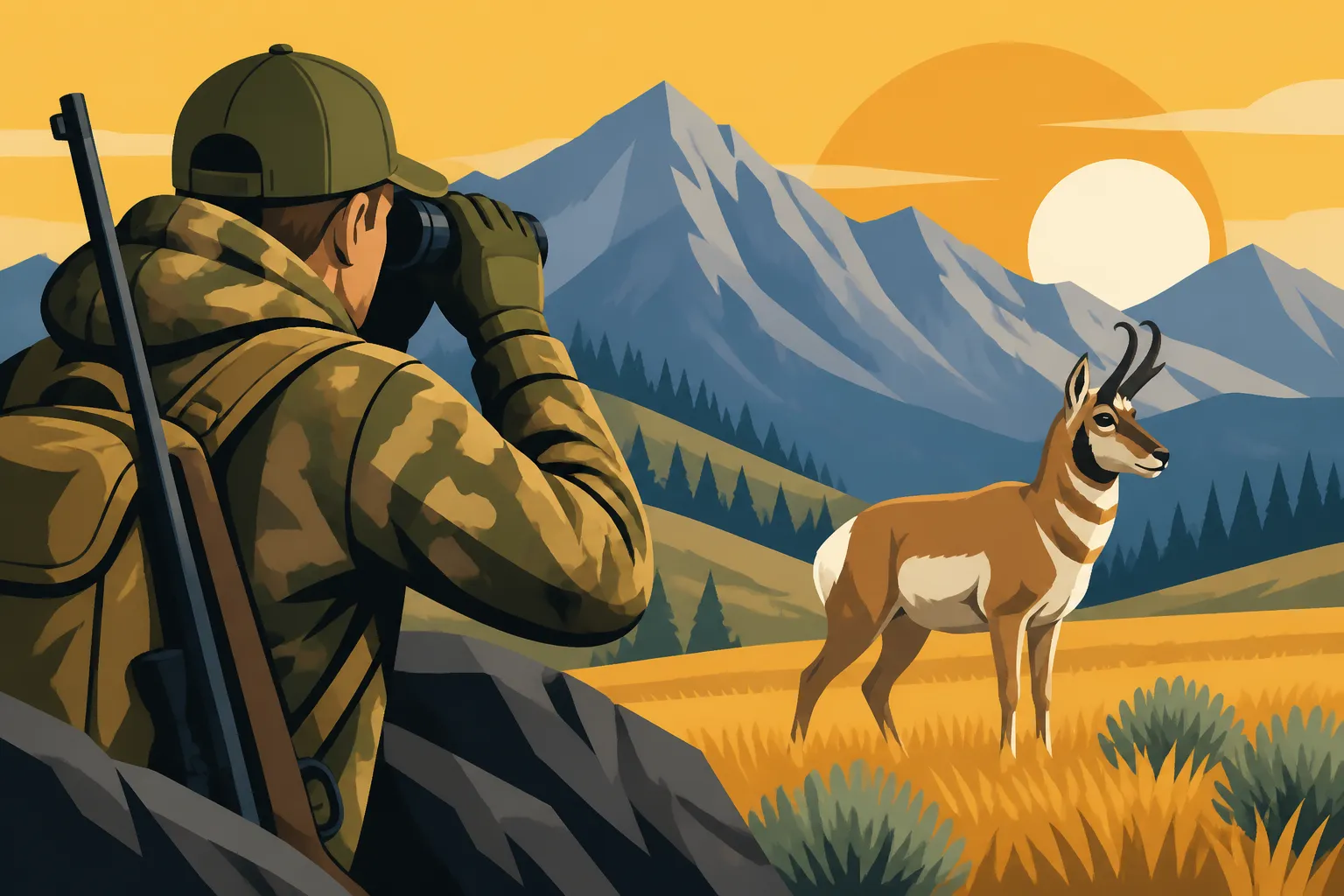
Pronghorn hunting in Colorado is an experience unlike any other. Often found roaming the sweeping Eastern Plains, these animals, sometimes mistakenly called "antelope," are actually unique to North America. Their incredible eyesight, often compared to an 8x binocular, and their blistering speed (they're the fastest land animal in North America) make them a formidable challenge for any hunter. The open terrain means they often see you long before you ever see them, turning a stalk into a chess match of epic proportions. This is precisely why many hunters, especially those new to pronghorn or Colorado's expansive hunting grounds, seriously consider hiring an outfitter.
Why Pronghorn are Such a Challenge
Imagine trying to sneak up on an animal with vision akin to yours, but amplified, scanning miles of flat or gently rolling terrain. That's a pronghorn. Their ability to detect movement and their inherent wariness means that a successful approach often requires meticulous planning, deep understanding of the terrain, and a lot of patience. A slight misstep, a quick gust of wind, or even just appearing too quickly over a ridge can send a herd scattering across the prairie at speeds topping 60 miles per hour. This isn't your typical timber hunt; it's a game of inches and observation. The vast, open nature of "Colorado Plains for Pronghorn" can be both exhilarating and incredibly frustrating if you're not prepared.
The Value of an Experienced Pronghorn Outfitter
For many, especially non-resident hunters or those with limited time, an outfitter can be the difference between a frustrating trip and a successful hunt. These professionals bring local knowledge, years of experience, and often access to prime private land that significantly increases your odds. They understand the nuances of the landscape, the prevailing winds, and the subtle movements of pronghorn herds in specific areas. They've spent countless hours glassing and stalking, learning the patterns and preferred habitats of these amazing animals. This expertise allows them to put you in the best possible position for a shot, something that's incredibly difficult to achieve on your own, especially on public lands that see significant pressure. Think of it as having a cheat code for a game that’s notoriously difficult to beat. An outfitter essentially becomes your on-the-ground expert, much like relying on an experienced guide for a "Colorado DIY Elk Hunting Guide" even if you're going it alone on elk.
Essential Considerations When Selecting a Colorado Pronghorn Outfitter
Choosing the "best" outfitter isn't just about finding someone with a high success rate; it's about finding the right fit for your personal hunting style, budget, and expectations. There are several critical factors you'll want to dig into before committing to a guide for your Colorado pronghorn adventure. This is a crucial step in "How to Choose a Colorado Hunting Outfitter" for any species, but especially so for the unique challenges of pronghorn.
Public vs. Private Land Access
This is perhaps the biggest differentiator among outfitters. Many top-tier Colorado pronghorn outfitters primarily operate on private land, which can offer several distinct advantages. Private land typically means significantly less hunting pressure, often leading to more relaxed animals and higher-quality bucks. It also means the outfitter has likely cultivated specific strategies for that land, knowing water sources, travel corridors, and bedding areas intimately. Conversely, some outfitters specialize in public land hunts, which can be more budget-friendly but demand even greater skill from the guide to navigate pressure and locate animals in more expansive, often more challenging, landscapes. Be clear about what kind of land your prospective outfitter uses. If you're looking to expand your opportunities, checking resources like GoHunt can provide valuable insights into specific units and draw odds, helping you determine if a private land outfitter makes sense for your tag strategy.
Hunt Style and Methods Offered
Pronghorn hunting usually involves either spot-and-stalk or blind hunting over water holes. While spot-and-stalk is the quintessential pronghorn experience, offering a thrilling challenge as you close the distance, it requires specific terrain features for cover and takes patience and physical capability. Blind hunting, often over strategically placed water sources, can be incredibly effective, especially in drier years or specific seasons, as pronghorn are dependent on water. Some outfitters specialize in one method over the other, or offer a blend. If you're an archery hunter, you'll likely be focusing on water hole setups or very specific terrain features for closer shots, whereas rifle hunters have more flexibility with longer distances. Understand which methods the outfitter excels at and ensure it aligns with your preferred style and weapon. For instance, if you're keen on "How to Hunt Colorado Pronghorn with a Bow", you'll need an outfitter skilled in setting up and managing archery-specific opportunities.
Guide Experience and Success Rates
Don't be shy about asking direct questions about your guide's experience. How long have they been guiding pronghorn in that specific area? What's their typical client success rate? Remember, success isn't just harvesting an animal; it's also about opportunity and the overall quality of the hunt. A high opportunity rate (meaning clients get shot opportunities) is often a better indicator than a 100% kill rate, especially for spot-and-stalk hunts where a clean shot is never guaranteed. Ask for references and actually call them. A reputable outfitter will be happy to connect you with past clients who can share their honest experiences. You might find a listing on platforms like BookYourHunt with verified reviews, but personal references offer an unfiltered perspective. This due diligence is part of understanding "What to Expect on a Guided Colorado Elk Hunt" or any other guided experience.
Inclusions and Exclusions in the Hunt Package
Always clarify what exactly is included in the hunt package. Does it cover food and lodging? What about transportation during the hunt, field dressing, and initial meat care? Are there any hidden fees, like trophy fees for a certain size of buck? Understanding these details upfront prevents unwelcome surprises later. Some outfitters offer all-inclusive packages where you just show up with your gear, while others provide a more basic service, expecting you to handle your own accommodations and meals. Ensure the chosen package aligns with your expectations and budget. When planning your trip, consider resources like "Colorado Hunting License Costs" to budget for everything beyond the outfitter's fee, and remember that "Colorado Hunting Seasons Explained" will dictate when you can even pursue pronghorn.
Top Regions and Associated Outfitters for Colorado Pronghorn
Colorado's pronghorn population is primarily concentrated on the Eastern Plains, stretching from the northern border down to the Oklahoma panhandle. This vast expanse offers diverse habitat, from rolling shortgrass prairie to agricultural fields. Certain areas are renowned for their pronghorn numbers and trophy potential.
The Eastern Plains Hotbeds
When people talk about hunting pronghorn in Colorado, they're almost always talking about the Eastern Plains. Areas like those found around Sterling, Limon, Hugo, and Lamar are classic pronghorn country. These regions feature vast tracts of private ranchland interspersed with smaller pockets of public land (BLM and State Trust Land). The sheer openness of the landscape, combined with suitable forage and water sources, makes these areas ideal for supporting healthy pronghorn herds. Outfitters operating in these areas have often spent decades cultivating relationships with landowners, securing exclusive access to prime ground that can be hard to come by otherwise. This private access often mitigates the challenge of "How to Hunt Elk on Public Land Pressure", a common frustration in public hunting areas across the state, by offering quieter, less competitive hunting. Many outfitters in these areas are deeply familiar with the nuances of "Colorado Pronghorn on the Eastern Plains".
Reputable Outfitters and Their Offerings
While it's difficult to name a single "best" outfitter as experiences vary and preferences differ, several operations consistently receive high marks for their Colorado pronghorn hunts. These outfitters are typically located in the core pronghorn habitat.
- Lamar/Springfield Area Outfit: Located in the southeastern corner, outfitters here often have access to expansive cattle ranches. These hunts usually involve a mix of spot-and-stalk and strategically placed ground blinds near water. Expect good populations and a focus on mature bucks. They typically offer 2-3 day hunts, often combined with lodging and meals in a comfortable ranch house. These often operate on lands participating in programs like "Colorado Ranching for Wildlife Explained".
- Sterling/Weld County Outfitters: Further north, outfitters in this region leverage agricultural lands adjacent to native prairie. These hunts can offer fantastic opportunities, especially during archery season when pronghorn might be patterned around feed fields or water tanks. Rifle hunters will find ample opportunities for longer shots here.
- Limon/Hugo Region Guides: Central Eastern Plains outfitters in these areas often provide a classic plains hunting experience. They are highly skilled at reading the subtle terrain breaks for stalking cover and understanding how pronghorn use wind and thermals. Many of these guides offer packages that include scouting reports and guidance on how to secure your "Colorado Pronghorn Draw Explained" tag.
When researching these, always check their current offerings and availability. Online platforms like BookYourHunt can be a good starting point for discovery, allowing you to filter by species and region. However, always follow up with direct communication and reference checks to ensure they meet your specific needs. Understanding the general Colorado hunting seasons is also crucial to align your preferred hunting dates with an outfitter's availability.
Table: Colorado Pronghorn Outfitter Hunt Styles & Expectations
| Feature | Spot-and-Stalk Hunt (Typical) | Blind/Waterhole Hunt (Archery & Rifle) | Hybrid Approach (Common) |
|---|---|---|---|
| Primary Method | Locating and approaching on foot | Waiting in a concealed position | Flexible, adapting to conditions |
| Physical Demands | Moderate to High (walking, crawling) | Low to Moderate (sitting, short walks) | Varies based on daily plan |
| Typical Weapon | Rifle, often longer shots | Archery, Muzzleloader, Rifle (close range) | Rifle, Archery (depending on scenario) |
| Best Terrain | Rolling hills, sage flats, slight elevation | Flat, open areas with limited water | Diverse, utilizing all features |
| Hunter Skill Focus | Patience, wind reading, judging distance | Patience, quiet movement, shot placement | Adaptability, quick decision-making |
| Success Rate Factors | Hunter's stalking ability, guide's skill | Weather (dry = good), concealment, herd movement | Guide's versatility, terrain knowledge |
| Emotional Experience | Thrilling, strategic, physically engaging | Relaxed, observant, waiting game | Balanced, dynamic, engaging |
Essential Questions to Ask Before Booking Your Pronghorn Hunt
Once you've identified a few promising Colorado pronghorn outfitters, it's time to get specific. Don't hesitate to ask a comprehensive list of questions. A professional outfitter will appreciate your thoroughness. This is part of the broader process of "How to Book a Colorado Hunting Guide".
Logistics and Daily Operations
Knowing the day-to-day details will help you prepare and set realistic expectations.
- Typical Day: "What does a typical day look like on your hunt? What time do we start, break for lunch, and finish?" This helps you gauge the pace and structure.
- Number of Hunters: "How many hunters do you typically guide at one time, and what's your guide-to-hunter ratio?" A lower ratio usually means more personalized attention, allowing your guide to focus more on your specific needs, akin to the benefits of a focused approach in a "Colorado Archery Elk Hunting Guide".
- Accommodation and Meals: "What are the lodging arrangements? Are meals provided, and if so, what kind of food can I expect?" If they're not provided, you'll need to plan accordingly.
- Transportation: "How do we get to and from the hunting areas each day?" Clarify if it's via ATV, truck, or walking, and if you're expected to drive your own vehicle at any point.
Hunt Specifics and Success Metrics
These questions get to the heart of the hunting experience and the outfitter's approach.
- Tag Requirements: "What are the tag requirements for your hunts? Do I need to draw a tag, or do you have landowner tags available?" Many prime pronghorn units require preference points, so understanding "Colorado Preference Points Explained" and "How Many Preference Points for Colorado Pronghorn" is vital. Some outfitters might have access to landowner vouchers which can bypass the draw, but these usually come at an additional cost.
- Trophy Quality & Goals: "What's the average size of buck your clients typically harvest? Are you focused on trophy animals or meat animals, or both?" This ensures your goals align with theirs. If you're after a record book buck, you need to know if they consistently deliver those opportunities.
- Contingency Plans: "What happens if the weather turns bad, or if we struggle to find animals for a few days?" A good outfitter will have a backup plan or alternative strategies.
- Field Care and Processing: "What's your process for field dressing, caping, and packing out an animal? Do you assist with meat processing arrangements?" Some outfitters will handle everything up to the butcher, while others expect you to take the lead post-harvest. This is particularly important for non-residents who need to transport meat home.
Guide and Outfitter Credentials
Don't skip verifying their professionalism and legitimacy.
- Licensing and Insurance: "Are you and your guides fully licensed and insured to operate in Colorado?" Every reputable outfitter will be able to provide this information. You can often verify this through the Colorado Parks and Wildlife (CPW) website.
- References: "Can you provide a list of recent client references, preferably from the past year or two?" As mentioned, calling these references is crucial. Ask them about the guide's demeanor, knowledge, physical fitness, and how accurately the hunt was described beforehand.
- Payment and Cancellation Policy: "What are your payment terms, and what is your cancellation or refund policy?" Understand deposits, final payments, and what happens if you need to cancel or if the outfitter has to cancel the hunt for unforeseen circumstances. This information is usually detailed in their contract.
By asking these detailed questions, you'll not only gain clarity but also get a better sense of the outfitter's communication style and overall professionalism. Finding the right outfitter for your Colorado pronghorn hunt is a significant investment, and thorough research will pay dividends in a more enjoyable and successful experience. For even more detailed planning, consider exploring guides on "How to E-Scout Before a Colorado Hunt" to maximize your prep or using tools like "How to Use onX for Colorado Hunting" to better understand the unit you'll be hunting.
Disclaimer
Please remember that hunting regulations, season dates, and outfitter availability can change. Always consult the most current Colorado Parks and Wildlife regulations and communicate directly with any prospective outfitter to confirm details before making plans or bookings. This guide is for informational purposes only and does not endorse any specific outfitter.