Best Colorado Outfitters for First-Time Hunters
Embarking on your very first big game hunt in the vast, rugged landscape of Colorado can feel incredibly daunting. Between navigating complex regulations, understanding unfamiliar terrain, and learning the nuances of elk or deer behavior, it’s easy to feel overwhelmed before you even set foot in the field. This comprehensive guide is designed specifically for first-time hunters, offering insights into why a guided hunt is often the best approach and how to confidently select a reputable outfitter to make your dream Colorado adventure a successful reality.
Why a Guided Hunt is Ideal for First-Time Colorado Hunters
Let's be real: hunting in Colorado, especially for a non-resident or someone new to the sport, isn't like walking into your local deer woods. It's a high-stakes, physically demanding endeavor with unique challenges. That's where a good outfitter truly shines, transforming what could be a frustrating learning experience into a memorable and educational adventure.
Navigating the Complexities of Colorado Hunting
The sheer volume of information a first-time hunter needs to digest is enough to make anyone's head spin. Colorado has a specific draw system, a complex set of regulations for different species and seasons, and a bewildering array of Game Management Units (GMUs), each with its own characteristics and hunting pressure. You've got to understand things like Colorado Hunting Seasons Explained, Colorado Draw System and Preference Points, and even the subtle differences between Colorado Bull Elk vs Cow Elk Tags.
A seasoned outfitter acts as your personal expert, cutting through the red tape and simplifying the process. They've already scouted the prime areas, secured the necessary land access (often on private leases, which can be a huge advantage), and know the regulations inside and out. They can advise you on the best season to hunt, the type of tag to pursue, and even help decipher hunt codes. This invaluable local knowledge means you can focus on the hunt itself, rather than getting bogged down in administrative details or worrying about trespassing on private land. They ensure you're compliant, safe, and hunting in a place with a real chance of success.
Accelerating Your Learning Curve and Skill Development
Think of a guided hunt as a masterclass in Western big game hunting. Instead of spending years making mistakes and slowly figuring things out on your own, you get to learn from someone who has dedicated their life to it. They'll teach you invaluable skills, from reading sign and understanding animal behavior to navigating challenging terrain and proper field care of your harvested animal.
Imagine trying to figure out How to Call Elk in Colorado on your own in a vast wilderness area, or how to effectively use Spot-and-Stalk Hunting in Colorado tactics. A guide will walk you through these techniques, explain why they work, and help you practice them in real-time. You'll learn about thermals, wind direction, animal escape routes, and how to approach silently. Many outfitters specialize in certain methods, whether it's Colorado Archery Elk Hunting Guide or Colorado Rifle Elk Hunting Guide, and they can tailor the experience to your chosen weapon and preferred style. This hands-on, immersive education is perhaps the greatest return on investment for a first-time hunter. You're not just buying a hunt; you're buying experience and knowledge that will serve you for a lifetime of hunting.
Key Factors to Consider When Choosing an Outfitter
Choosing the right outfitter is paramount to a successful first hunt. It's not just about finding someone who promises big animals; it's about finding a partner who aligns with your goals, prioritizes safety, and offers a truly educational and enjoyable experience.
Licensing, Reputation, and Experience
The first, and perhaps most critical, factor is ensuring your outfitter is legitimate and experienced. In Colorado, outfitters are required to be licensed by the Colorado Outfitter Registration Board. This isn't just a formality; it ensures they meet certain professional standards and carry liability insurance. Always ask for their license number and verify it with the state. A quick check can save you a lot of heartache and potential legal issues down the road.
Beyond legalities, look into their reputation and experience. How long have they been in business? Do they specialize in the species you're pursuing (e.g., elk, mule deer)? What areas do they typically hunt? An outfitter who has been operating in the same GMU for decades will have an intimate knowledge of animal patterns, water sources, and escape routes that newer outfits simply won't possess. Online platforms and communities are great for finding testimonials and reviews. When you're searching, remember that companies like BookYourHunt often vet their listed outfitters, which can provide an extra layer of confidence for a first-timer. Similarly, delving into the detailed hunt reports and outfitter reviews on GoHunt can offer invaluable insights into real hunter experiences.
Services Offered and Hunt Style
Not all guided hunts are created equal, and it's vital to understand what's included and what type of experience you're signing up for. This is where understanding the differences between Colorado Drop Camp Hunts Explained and a fully guided hunt becomes essential.
- Fully Guided: This is the most hands-on option, where your guide is with you from dawn until dusk. They handle navigation, calling, spotting, tracking, and often even field dressing and packing out. This is generally the best choice for first-timers as it maximizes learning and minimizes stress. Lodging, meals, and transportation within the hunting area are usually included.
- Semi-Guided: You might get a camp, meals, and transportation to and from hunting areas, but you'll be doing the actual hunting on your own or with your group. The outfitter provides advice and direction. While potentially more affordable, it might still be too much for someone with zero experience.
- Drop Camp: This is more of an assisted DIY hunt. The outfitter packs you and your gear into a remote area, sets up a basic camp, and then leaves you to hunt on your own. They'll return to pack out your harvest and gear at a pre-arranged time. This requires a significant level of self-sufficiency and hunting knowledge, making it generally unsuitable for true first-time hunters.
Consider the specifics: Do they offer horseback hunts into the backcountry, or do they primarily hunt from trucks and ATVs closer to roads? Is it a physically demanding spot-and-stalk hunt or more of an ambush style from a blind? Ensure the hunt style aligns with your physical capabilities and expectations. Some outfitters focus on trophy animals, while others are more geared towards meat hunting or providing a general hunting experience. Be clear about your goals upfront.
Communication and Expectations
Good communication is the cornerstone of a successful guided hunt. From your initial inquiry to the post-hunt follow-up, pay attention to how responsive and transparent an outfitter is. Do they answer your questions thoroughly? Are they upfront about costs, success rates, and potential challenges?
It's crucial to manage expectations realistically. No ethical outfitter can guarantee a kill. Wildlife is wild, and success depends on countless variables, including weather, animal movement, and your own shooting proficiency. A good outfitter will be honest about typical success rates for their area and the amount of effort required. They should also clearly outline what you need to bring, what physical preparation is expected (understanding How to Physically Prepare for Colorado Elk is vital), and what their policies are regarding wounded animals, tag fees, and contingencies for unforeseen circumstances. Don't be shy about asking tough questions – it's your investment, and your hunt!
Finding and Vetting Outfitters for Your First Hunt
Once you understand what you're looking for, the next step is actually finding and scrutinizing potential outfitters. This process requires diligence, but it’s a critical investment of your time.
Researching Reputable Outfitters
Start your search broadly. Online resources are invaluable here. Websites like BookYourHunt aggregate listings from various outfitters, often with reviews and detailed package information, making it easier for a first-timer to compare options side-by-side. You can filter by species, location, and hunt type. Similarly, subscriber services like GoHunt offer extensive data on units, draw odds, and sometimes even direct outfitter connections and reviews specific to Colorado.
Beyond these platforms, consider:
- State Wildlife Agencies: Colorado Parks and Wildlife (CPW) maintains a list of licensed outfitters, which is a great place to verify credentials.
- Hunting Forums and Social Media Groups: Engage with online communities. Ask for recommendations from experienced hunters who have used outfitters in Colorado. Be wary of overly enthusiastic or negative outlier opinions, but look for consistent themes.
- Sporting Goods Stores and Shows: Local pro shops in Colorado often have connections or recommendations. Hunting expos are also excellent places to meet outfitters face-to-face and get a feel for their operation.
Focus on outfitters that explicitly cater to first-time hunters or have programs designed for new participants. Some might offer shorter duration hunts or specific instructional components. When you're looking for Colorado Elk Hunting Outfitters Guide, remember to prioritize those that emphasize education and safety alongside harvest success.
Crafting Your Questions for Potential Guides
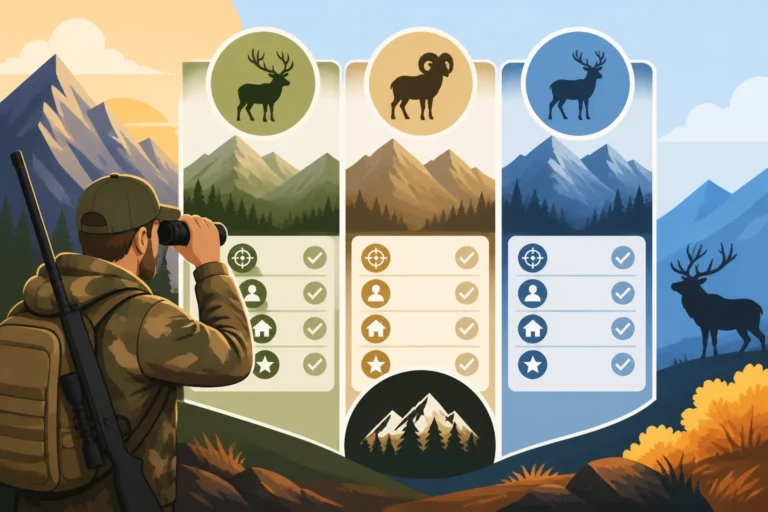
After you've identified a few promising candidates, it's time to reach out. Don't just send a generic email. Prepare a list of specific questions that cover all your concerns as a first-timer. Here's a table of essential questions to ask:
| Category | Questions to Ask |
|---|---|
| Logistics | What are the exact dates of the hunt? What's the closest airport? How do I get to camp? What are the sleeping arrangements and facilities like? Are meals included, and can you accommodate dietary restrictions? |
| Hunt Details | What species are we targeting, and what are the typical success rates (harvest and opportunity)? What is the guide-to-hunter ratio? What is the average group size? What hunting methods will we use (e.g., calling, spot-and-stalk, blinds)? |
| Preparation | What gear do I need to bring (specific clothing, boots, optics, sleeping bag)? What physical conditioning is required (e.g., daily mileage, elevation gain)? Do you provide a packing list? |
| Costs | What is the total cost, and what is not included (e.g., license/tag fees, meat processing, taxidermy, travel to Colorado, tips)? What's the deposit structure and cancellation policy? Are there any hidden fees? |
| Safety | What is your safety protocol for medical emergencies or dangerous wildlife encounters? Are your guides certified in first aid? What kind of communication devices do you carry in the field? |
| Experience | How long have you been operating as an outfitter in this unit? Can you provide references from recent clients, especially first-time hunters? What do you do if a hunter isn't physically able to keep up? |
| Regulations | What licenses and tags do I need to acquire? Will you assist with the application process (especially if I need Colorado Non-Resident Hunting License Guide or need to understand Colorado OTC Elk Tags Explained)? What are the rules on shooting distances, caliber, etc.? |
Listen carefully to their answers. A good outfitter will be patient and thorough. Pay attention to any red flags, such as evasiveness or guarantees of a kill. It's often helpful to speak with not just the owner, but also the specific guide who might be taking you out.
Understanding Costs and What's Included
The cost of a guided hunt can vary widely, from a few thousand dollars for a shorter, less amenities-focused hunt to five figures for a longer, more luxurious, or trophy-oriented experience. For a Colorado Guided Elk Hunt Cost, expect to budget anywhere from $4,000 to $10,000+, depending on the outfitter, duration, and inclusions.
Be absolutely clear on what your chosen package includes. The price often covers guiding services, meals, lodging (tents, cabins, or lodges), and in-camp transportation. What it typically doesn't cover are your Colorado hunting license and tag fees, travel to Colorado, personal hunting gear, meat processing, taxidermy, and tips for your guide and camp staff. These additional costs can add a significant amount to your overall budget, so account for them. Some outfitters might offer different tiers, like a "meat hunt" versus a "trophy hunt," with varying price points. Don't be afraid to ask for a detailed breakdown of costs.
Setting Yourself Up for Success on Your Guided Hunt
Once you've booked your outfitter, your preparation isn't over. A guided hunt is a partnership, and you have a vital role to play in maximizing your chances of success and enjoyment.
Physical Preparation and Gear for Colorado
Colorado hunting is often physically demanding, especially if you're pursuing elk in mountainous terrain. Don't underestimate the impact of high elevation. If you live at sea level, even a moderate hike at 8,000-10,000 feet can leave you gasping. Begin a rigorous physical training regimen months before your hunt. Focus on cardiovascular fitness, strength training (especially your legs and core), and hiking with a loaded backpack on varied terrain. Learning about Altitude Training for Colorado Hunting can be incredibly beneficial. The better shape you're in, the more you'll enjoy the hunt and the better you'll be able to keep up with your guide, which in turn increases your opportunities.
Equally important is your gear. Your outfitter will provide a packing list, but generally, you'll need:
- Quality Layered Clothing: Colorado weather is unpredictable. You need layers that can handle everything from warm afternoons to freezing mornings, often on the same day. Think moisture-wicking base layers, insulating mid-layers, and waterproof/windproof outer shells. Brands like Kuiu, Sitka, and First Lite are popular among Western hunters for their performance.
- Durable Boots: Your feet are your most important asset. Invest in well-broken-in, waterproof, supportive hiking boots designed for mountainous terrain.
- Backpack: Even on a fully guided hunt, you'll need a good daypack for water, snacks, extra layers, and personal items. If you're planning on helping pack out meat, consider a larger pack frame. Read up on the Best Backpack for a Colorado Elk Hunt.
- Optics: Binoculars are essential for glassing. A rangefinder is also highly recommended for accurate shot placement in varied terrain.
- Weapon: Ensure your rifle, bow, or muzzleloader is sighted in properly and you are proficient with it. Practice shooting from various positions that mimic hunting scenarios, including uphill and downhill shots.
Don't skimp on gear. Quality gear makes a huge difference in comfort, safety, and ultimately, your ability to perform in the field.
Being a Good Client and Learning from Your Guide
Remember, you've hired an expert. Be receptive to their advice and follow their instructions diligently. They know the area, the animals, and the safest way to navigate the terrain. This doesn't mean you can't ask questions; in fact, asking clarifying questions shows you're engaged and eager to learn. Just be respectful of their experience and leadership in the field.
A good client is also:
- Prepared: Physically fit, knowledgeable about their weapon, and has the right gear.
- Realistic: Understands that hunting is challenging and success is not guaranteed.
- Positive: Maintains a good attitude, even when things are tough (and they will be!).
- Safe: Always handles their weapon responsibly and follows all safety rules.
- Respectful: Treats the guide, camp staff, fellow hunters, the land, and the animals with respect.
Take advantage of every moment to learn. Ask your guide about their strategies, how they interpret sign, and what to look for. This first guided hunt is an incredible opportunity to build a foundation for a lifetime of ethical, responsible, and successful hunting. Whether you're learning How to Bugle for Colorado Elk or understanding subtle tracks, soak it all in. By being a prepared and cooperative client, you'll not only have a more enjoyable experience but also forge a valuable relationship with your guide that could lead to many more adventures in the Colorado backcountry.
Disclaimer
Please note that hunting regulations, season dates, and outfitter licensing requirements in Colorado are subject to change. Always consult the most current Colorado Parks and Wildlife (CPW) regulations and verify outfitter credentials before booking any hunt. This guide is for informational purposes only and does not constitute legal or professional advice.