How to Find Elk When They Go Quiet
You’ve been out there for days, busting your butt, covering miles, and yet, the woods feel eerily empty. That booming bugle from September is a distant memory, and the constant chatter you heard during archery season has faded into silence. This is a common and incredibly frustrating scenario for many hunters in Colorado: the elk have gone quiet. It leaves you wondering if they've vanished into thin air, or if you're just missing something fundamental. This guide is all about equipping you with the knowledge and tactics to find those elusive, silent elk, helping you break through that wall of quiet frustration and fill your tag.
Understanding Why Elk Go Silent in Colorado
It’s easy to feel defeated when the woods quiet down, but understanding why elk change their behavior is the first step to adapting your strategy. Elk aren't just being difficult; they're responding to powerful biological and environmental cues. Ignoring these cues means you're likely hunting ghosts.
Post-Rut Behavior Changes
Once the frenzy of the rut subsides, typically by mid-October, bull elk in Colorado undergo a significant transformation. The drive to breed is over, and their primary focus shifts dramatically. They've spent weeks, sometimes months, burning massive amounts of energy, losing weight, and often sustaining injuries from sparring. Their testosterone levels plummet, and the vocalizations that defined the rut – the bugles, chuckles, and grunts – largely cease.
Instead of gathering harems and challenging rivals, bulls often retreat into smaller bachelor groups or become solitary, seeking out secluded, north-facing slopes or thick timber where they can recover and regain lost body mass. This recovery period is critical for their survival through the winter. Cows and calves, while less vocal than bulls during the rut, also become less conspicuous. They'll often coalesce into larger herds, seeking security in numbers, but they do so with a quieter demeanor, focusing on foraging and minimizing their exposure to potential threats. You can read more about how their behavior changes in our guide on How to Hunt Elk After the Rut.
Impact of Hunting Pressure
Colorado sees a substantial number of hunters each year, especially on public lands. This isn't a secret; it's a reality we all face. Even in the most remote corners, the presence of humans – be it hikers, campers, or other hunters – forces elk to adapt. When hunting season opens, especially during rifle seasons, elk learn quickly. They associate human scent, noise, and visual cues with danger. This intense pressure leads to a phenomenon often referred to as "pressured elk" or "educated elk."
These animals become incredibly wary, often moving to dense cover, seeking out steep, rugged terrain, or utilizing nocturnal patterns. They might move into designated wilderness areas where vehicle access is restricted, or even migrate to private lands where hunting pressure is lighter. Areas that were hot spots during early archery season, or even the first rifle season, can become barren if they've received too much attention. Elk will "go dark," not making a sound, barely moving during daylight hours, and using their keen senses to avoid detection. You’ll have to be extra sneaky, too, so check out How to Move Quietly Through Colorado Timber.
Weather and Habitat Influence
Weather is a huge, often unpredictable, factor in elk behavior. A sudden cold snap, heavy snow, or even extended dry periods can push elk to change their patterns dramatically. Early season warmth might keep them higher up, spread out, and more active in cooler evening and morning hours. Heavy snow, on the other hand, can trigger a migration to lower elevations, south-facing slopes, or areas with better thermal cover and accessible forage.
Habitat, of course, plays an equally critical role. Elk need food, water, and cover. When they go quiet, they often retreat to the thickest, darkest timber patches or the most inaccessible benches and drainages. These are often areas that hunters avoid due to difficulty. They seek out areas with diverse vegetation, providing both nutritious browse and secure bedding. Understanding the interplay of these factors – how a hard freeze might push them from high alpine basins to a south-facing aspen grove, or how prolonged drought might concentrate them around the few remaining water sources – is vital to predicting where a silent herd might be hiding.
Shifting Your Strategy: From Calling to Locating
When elk go quiet, your ear-splitting bugles and seductive cow calls often become counterproductive. Instead of trying to lure them to you with sound, you need to pivot to a strategy of actively locating them through careful observation and meticulous planning. This means trading your diaphragm call for binoculars and a mapping app.
Mastering the Art of E-Scouting
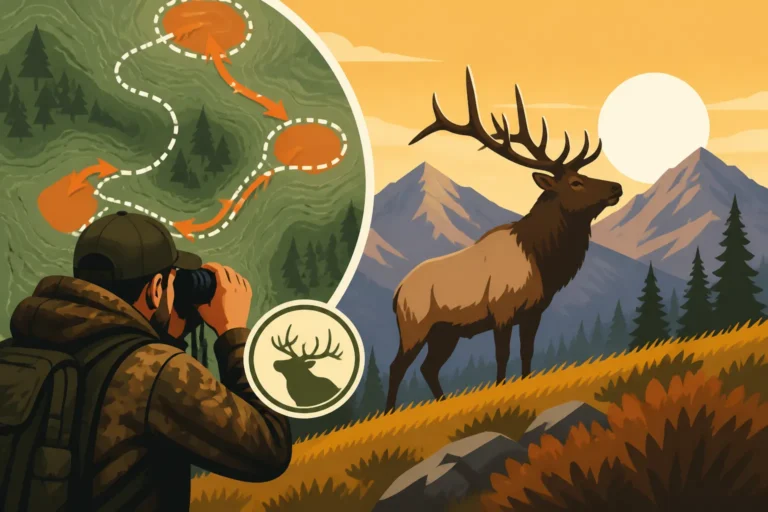
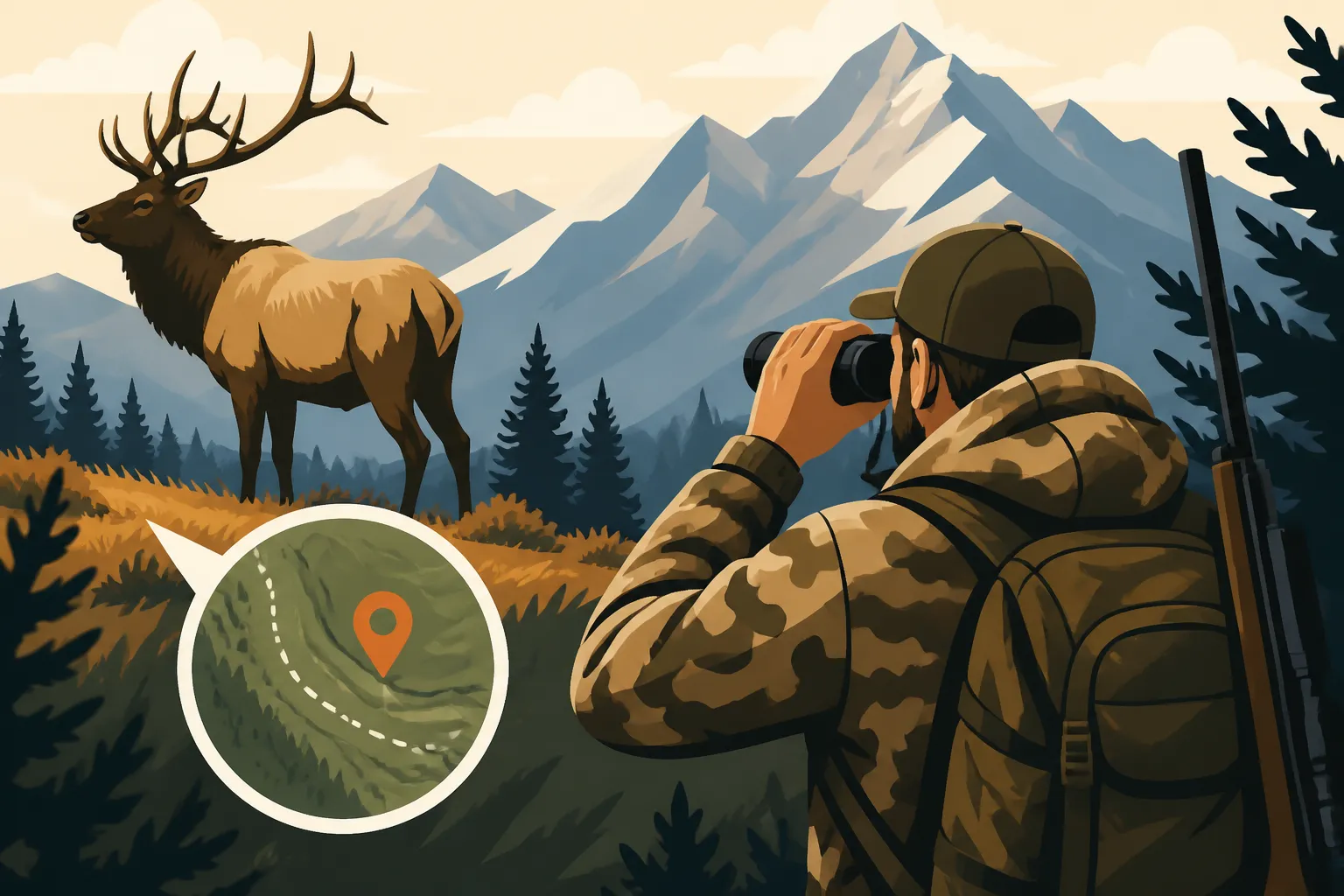
Before you even step foot in the woods, the most powerful tool in your arsenal for finding silent elk is electronic scouting, or e-scouting. This involves using online mapping tools to analyze terrain, habitat, and access points from the comfort of your home. Platforms like GoHunt, Gaia GPS, or OnX Hunt provide invaluable satellite imagery, topographic maps, and land ownership overlays.
Start by identifying potential sanctuary areas: large blocks of public land far from roads, steep canyon systems, dense timber patches, or wilderness boundaries that butt up against private land. Look for benches, saddles, and transition zones between different vegetation types that offer both cover and forage. Pay close attention to north-facing slopes, which tend to hold snow longer and offer cooler bedding in warmer periods, or south-facing slopes that warm up faster and clear of snow in colder months. GoHunt's detailed maps and filtering options can help you pinpoint areas with specific habitat characteristics or historical elk activity. By identifying these "high-probability" areas, you can narrow down your physical scouting efforts and develop a focused game plan. Dive deeper into this crucial skill with our How to E-Scout Before a Colorado Hunt guide.
Ground Scouting for Sign
Even with stellar e-scouting, boots on the ground remain irreplaceable. Once you've identified promising areas, you need to physically investigate them for fresh elk sign. Silent elk don't bugle, but they still leave plenty of clues. Look for fresh tracks, especially larger bull tracks if you’re after a specific animal, indicating recent travel. Droppings (poop) are excellent indicators of how recently elk were in an area; fresh, shiny, dark pellets mean they were there very recently, while dry, crumbly, and faded droppings suggest older activity.
Scrapes and rubs, while more common during the rut, can still be found as residual sign, especially in areas where bulls might be recovering. Perhaps the most vital sign to look for is freshly browsed vegetation. Elk are constantly eating, and fresh nips on aspen saplings, willow branches, or other forage plants confirm their presence. Also, keep an eye out for flattened patches of grass or snow, which indicate bedding areas. The fresher the sign, the closer you are to finding them. This meticulous ground work helps validate your e-scouting assumptions and guides your hunt.
Prioritizing Key Terrain Features
Silent elk often gravitate towards specific terrain features that offer security, sustenance, and shelter. Understanding and prioritizing these features in your search is paramount.
- North-Facing Slopes and Dark Timber: These areas offer dense cover, cooler temperatures, and often hold moisture longer, providing succulent browse. Elk, especially bulls, will often bed down in the thickest, darkest timber on north-facing slopes, minimizing their exposure. This allows them to stay hidden from aerial predators and hunters, as well as conserve energy. They might move into these areas to escape the midday sun or to find refuge from heavy hunting pressure. You’ll need to master How to Hunt Elk in the Dark Timber to succeed here.
- Benches and Saddles: These are natural travel corridors and congregation points. Benches are relatively flat areas on steep hillsides, often used for bedding, feeding, or just moving horizontally across the mountain. Saddles are dips in ridges that connect two higher points, acting as natural funnels for game moving between drainages or over ridges. These areas often provide a vantage point for elk to survey their surroundings before committing to a move.
- Drainage Systems and Creek Bottoms: These areas often provide consistent water sources and dense riparian vegetation, making them attractive to elk. While elk may bed higher up, they frequently use drainages for travel and accessing water, especially in drier periods or areas without standing water on higher ground.
- Transition Zones: The edges where different types of habitat meet – for example, where thick timber gives way to an open meadow, or where a steep slope transitions to a gentler bench – are often prime locations. Elk utilize these zones for feeding, moving between bedding and feeding areas, and observing their surroundings before moving into the open.
By focusing your attention on these specific features, you increase your chances of stumbling upon a silent herd.
Tactics for Finding Quiet Elk in the Field
Once you've done your homework and identified promising areas, it's time to hit the field with a different set of tactics. Forget the aggressive calling; now it's about being a silent predator, using your eyes, ears, and nose to outwit the elk.
The Power of Still-Hunting Timber
Still-hunting is perhaps the most effective method for finding quiet elk in dense cover. It's a slow, deliberate process of moving through the woods, taking one to five steps, then stopping for several minutes to observe, listen, and scan your surroundings. The goal is not to cover ground quickly, but to move stealthily enough to detect elk before they detect you.
- Move Against the Wind: Always be mindful of the wind direction. Elk have an incredible sense of smell, and if your scent is blowing towards them, they will be gone before you even know they were there. Use a wind checker frequently.
- Use Binoculars in the Timber: This might sound counterintuitive, but often you're looking for just a sliver of an animal – an ear, a patch of hide, a horizontal line in a vertical world. Even in thick timber, constantly scanning with binoculars can reveal hidden animals.
- Listen Intently: Stop and listen for the subtle sounds of the forest. The snap of a twig, the rustle of leaves, the quiet 'clack' of antlers, or the faint sound of chewing. These small cues can give away an elk's position long before you see it.
- Focus on Shadows and Shapes: Elk often stand motionless, blending seamlessly into the environment. Look for unnatural shapes, horizontal lines breaking up vertical trees, or changes in color that seem out of place.
- Patience is Key: This is not a fast-paced hunt. It requires immense patience and discipline. You might cover only a quarter-mile in an hour, but that quarter-mile will be thoroughly investigated. Our detailed guide on How to Still-Hunt Colorado Timber offers even more specifics.
Glassing Thoroughly and Patiently
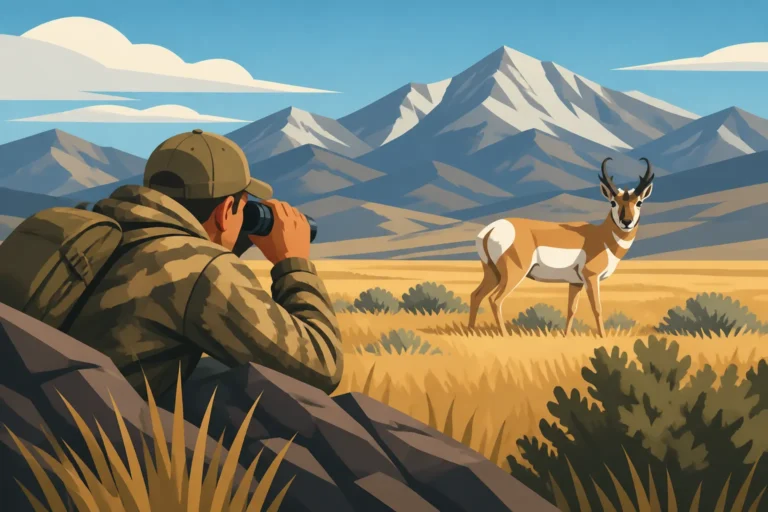
While still-hunting is for the timber, glassing is your absolute best friend in more open terrain or when trying to cover vast areas. When elk go quiet, they often rely on their vision and the security of distance. Your optics are your advantage.
- High-Quality Optics are Essential: Invest in the best binoculars (10×42 or 10×50 are common choices) and a spotting scope (15-45x or 20-60x) you can afford. Brands like Vortex, Leupold, and Maven offer excellent performance. Read our thoughts on Best Optics for Colorado Big Game for specific recommendations.
- Break Down the Landscape: Don't just scan; grid-search every inch of visible terrain. Start from one side of a basin, for example, and slowly move your binoculars across, overlapping your fields of view. Pay special attention to tree lines, shadows, transition zones, and potential bedding areas.
- Utilize a Tripod: For long sessions, especially with a spotting scope, a sturdy tripod is non-negotiable. It eliminates shake and allows for meticulous, fatigue-free glassing.
- Early Morning and Late Evening: These are prime times for elk to be moving between bedding and feeding areas, or simply being more exposed before retreating to cover. Even when quiet, they still need to eat.
- Look for Details, Not Just Entire Animals: Often, you won't see a whole elk. You might spot a twitching ear, a patch of hide, the glint of an antler, or a distinct silhouette against a ridge. Look for anything that breaks the natural pattern of the landscape.
- Find a Vantage Point: Seek out high points that offer expansive views of multiple drainages, basins, and timbered slopes. Patience here is rewarded; you might sit for hours before an elk reveals itself. Our guide on How to Glass Big Colorado Basins provides more in-depth techniques.
Focusing on Feeding and Bedding Areas
When elk are quiet, their daily routines become highly patterned around their basic needs: food and security. Your job is to locate these critical areas and intersect their movements.
- Identify Food Sources: Elk are grazers and browsers. They seek out nutritious grasses, forbs, and woody browse like aspen, willow, and serviceberry. In late season, they might also hit oak brush for acorns or paw at the snow for buried forage. Use your e-scouting tools to identify areas with these vegetation types.
- Pinpoint Bedding Areas: These are typically in dense cover, often on north-facing slopes, within thick timber, or on secluded benches. They prefer areas that offer good visibility downwind and thick cover upwind, giving them a security advantage. Look for clusters of fresh droppings and flattened grass indicating multiple beds.
- Understand Travel Corridors: Elk will move between these feeding and bedding areas. These travel corridors are often along ridge lines, across saddles, or within drainages. They'll choose paths that offer the most cover and the least resistance. Your best bet is to set up an ambush along these corridors, typically a few hours after sunrise or before sunset.
- The "Slow Puke" Strategy: This is a phrase some seasoned hunters use to describe the extremely slow movement of elk from bedding to feeding in the middle of the day, or vice versa. They might take hours to cover a short distance, pausing, browsing, and resting along the way. If you're patient and in the right spot, you might catch them in these mid-day movements.
Utilizing Water Sources
In many parts of Colorado, especially those prone to dry spells, water sources can be absolute magnets for elk, particularly when they’re quiet and avoiding human contact. Even in colder weather, elk need to hydrate.
- Secluded Springs and Seeps: These are often overlooked by hunters but can be crucial, especially in drier units. Check your maps for springs marked with blue dots or lines. Elk often create distinct trails leading to these hidden water points.
- High-Elevation Wallows: Even after the rut, elk will use wallows, particularly on warmer days or if they have parasites or skin irritations. Look for muddy, disturbed areas near water.
- Creek and River Bottoms: As mentioned before, major drainages often have permanent water. Elk will come down to these areas, especially at night or during low-light hours.
- Snowmelt: In the late season, melting snow can provide water anywhere, making it harder to pinpoint specific water sources. However, early and mid-season, distinct water points become more important.
- Ambush Points: If you can locate a consistent, secluded water source, setting up an ambush point can be effective. This involves finding a concealed spot downwind of the water and waiting patiently. This strategy is similar to what you’d do to How to Hunt Elk Water Holes during warmer, drier periods.
| Strategy Component | Active/Vocal Elk Hunting | Quiet/Silent Elk Hunting |
|---|---|---|
| Primary Tool | Calling (bugles, cow calls, grunts) | Optics (binoculars, spotting scope), mapping tools |
| Movement Style | Aggressive, fast, often trying to elicit a response | Slow, deliberate, stealthy (still-hunting) |
| Focus Areas | Known rutting grounds, open parks where bulls display | Dense timber, north-facing slopes, secluded benches, water |
| Detection Method | Listening for vocalizations, visual contact after calling | Looking for subtle movement, fresh sign, unnatural shapes |
| Best Time of Day | Peak rut: all day; other: dawn/dusk for vocal activity | Dawn, dusk, and midday in thick cover |
| Mindset | Proactive, engaging | Patient, observant, adaptive |
| Pressure Awareness | Less critical in unpressured early season | Paramount; assumes elk are highly wary |
| Key Skill | Calling, reading elk reactions | E-scouting, glassing, reading sign, navigating terrain |
Essential Gear and Mindset for Silent Elk
Success in finding quiet elk isn't just about tactics; it's about having the right tools and, perhaps more importantly, the right mental approach.
Optics for Discerning Details
We've touched on this, but it bears repeating: high-quality optics are not a luxury; they are a necessity for silent elk hunting. When elk aren't calling, your eyes become your primary "locator."
- Binoculars (10×42 or 10×50): These are your everyday workhorses. They should be clear, bright, and comfortable to hold for long periods. They allow you to constantly scan the landscape, looking for that subtle flick of an ear, a patch of hide, or a horizontal line that shouldn't be there.
- Spotting Scope (15-45x or 20-60x): For seriously dissecting distant hillsides, checking out dark timber, or confirming if that brown blob is a rock or a bedded bull, a spotting scope on a sturdy tripod is indispensable. It can save you miles of walking and confirm whether an area is worth approaching.
- Rangefinder: Critical for accurate shot placement in mountain terrain, especially when shooting uphill or downhill. Knowing the exact distance prevents guessing, which can lead to missed shots or, worse, wounded animals.
- Thermal/Night Vision (where legal): While not legal for shooting in Colorado, thermal or night vision optics can be invaluable for identifying nocturnal movement patterns of elk. If you can see where they are moving at night, you can predict where they will bed during the day. Always check current regulations before using any such devices.
Staying Quiet and Concealed
When elk are quiet, they are often on high alert. Any mistake in your approach can send them fleeing.
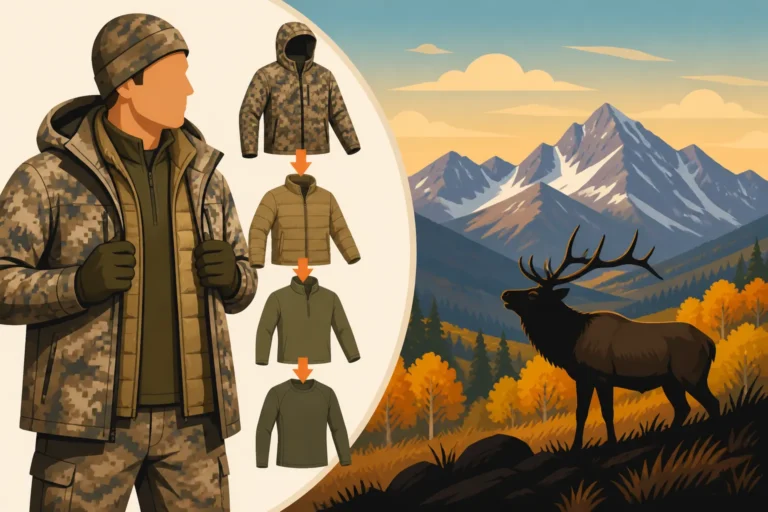
- Appropriate Clothing: Wear quiet fabrics like wool, fleece, or brushed synthetics that don't rustle loudly when you move. Layering is key for Colorado's unpredictable mountain weather.
- Scent Control: While controversial among some, meticulous scent control can't hurt and might provide an edge. This includes showering with scent-free soap, wearing clean hunting clothes, and using scent eliminators. More importantly, always play the wind.
- Stealthy Movement: Slow down, watch your footing, and avoid breaking twigs or kicking rocks. Lift your feet rather than shuffling. Think like a predator, moving deliberately and observing before each step. This is where mastering How to Move Quietly Through Colorado Timber really pays off.
- Use the Terrain: Utilize natural features like ridge lines, creek beds, and dense timber to break up your silhouette and provide cover as you move. Stay in the shadows whenever possible.
- Don't Sky-line Yourself: Never walk directly on top of a ridge against the open sky. Always stay just below the crest to avoid silhouetting yourself against the skyline, making you an easy target for elk spotting you from below.
Patience and Persistence
Hunting quiet elk is a grind. It tests your resolve and can be incredibly frustrating.
- Embrace the Challenge: Understand that this style of hunting is often more mentally demanding than the exciting, bugle-filled rut hunts. Celebrate the small victories: finding fresh sign, spotting a distant cow, making a perfectly quiet stalk.
- Stay Positive: It's easy to get discouraged when you're not hearing anything, but maintaining a positive attitude is crucial. Every step is an opportunity.
- Cover Ground Smartly: Don't just wander aimlessly. Have a plan based on your e-scouting and knowledge of elk behavior. Systematically grid-search areas, focusing on high-probability zones.
- Be Prepared for Long Days: You might spend hours still-hunting or glassing, covering minimal ground but maximizing observation. Bring plenty of water, snacks, and layers to stay comfortable.
- Learn from Every Hunt: Even if you don't fill a tag, analyze what you saw, what you learned about the elk's movements, and what worked or didn't work. This continuous learning process makes you a better hunter. A good fitness plan and proper acclimatization are vital for these long, challenging days in the mountains; check out our guides on Colorado Elk Hunt Fitness Plan and How to Acclimate to Colorado Elevation.
Adapting to Different Colorado Seasons
The general strategies for finding quiet elk hold true, but the specific nuances of early and late season hunting in Colorado require additional adaptation. Elk respond to their environment, and that environment changes drastically throughout the fall.
Early Season Silent Elk Strategies
Even during early archery season, before or slightly after the peak rut, elk can go quiet, especially if there's significant pressure or unseasonably warm weather. You might still hear an occasional bugle, but often, the most mature bulls are already wary.
- Focus on High Elevation and Water: In early archery, if temperatures are warm, elk will often remain at higher elevations, seeking cooler temperatures and succulent forage found in alpine basins and dark timber pockets. Water sources in these areas become critical. They might not be bugling much, but they're still up there. Our How to Hunt Elk at High Elevation guide offers key insights.
- Exploit Bed-to-Feed Patterns: Elk will still have predictable patterns between their secure bedding areas (often dense timber on north-facing slopes) and their feeding grounds (alpine meadows, open parks, or specific browse patches). Your best bet is to ambush them along these routes during low-light hours.
- Patience Near Wallows and Rubs: While most intense rutting activity is yet to come, some bulls will start making rubs and wallows earlier. These can be indicators of an bull’s presence, even if he’s not vocal. Set up discreetly downwind and be prepared to wait.
- Midday Security: During warm early seasons, elk will often bed down earlier and stay bedded longer in thick cover during the heat of the day. This makes midday still-hunting in very dense timber a viable, albeit challenging, strategy.
Late Season Silent Elk Strategies
Late season hunting (typically 3rd and 4th rifle seasons, or even post-rut archery opportunities) presents its own set of challenges and opportunities when elk are quiet. Snow and extreme cold become primary drivers of elk behavior.
- Migration Routes: Heavy snowfall at higher elevations will push elk to lower, south-facing slopes, and winter ranges. Identifying these migration corridors and transition zones becomes paramount. They'll use the path of least resistance. Look for pinch points, saddles, and benches that funnel elk movement.
- South-Facing Slopes: These slopes receive more direct sunlight, melting snow faster and exposing valuable forage. Elk will congregate on these slopes to feed and bask in the sun to conserve energy. Glassing these areas extensively can reveal large herds, even if they are silent.
- Thermal Cover: As temperatures drop, elk seek out dense stands of conifers (pine, spruce, fir) that provide thermal protection from wind and cold. They will bed in these areas, often just inside the tree line bordering south-facing feeding areas.
- Food, Food, Food: At this point in the year, caloric intake is everything for elk. Focus on areas with accessible forage that isn't buried under deep snow. This could be exposed ridges, aspen stands, or even agricultural fields bordering public land, where legal.
- Water (Snow): In deep snow, elk can often get enough moisture from eating snow. However, open water sources, especially those with minimal ice, can still draw them in.
- Hunting in the Snow: Tracking becomes much easier in fresh snow. While elk are still incredibly wary, fresh tracks can lead you directly to their bedding or feeding areas. Learning How to Hunt Elk in the Snow is a distinct advantage here. Fresh snow also muffles sound, allowing for quieter movement on your part.
By understanding the seasonal shifts and adapting your strategy accordingly, you significantly increase your chances of locating those otherwise silent, elusive Colorado elk.
Disclaimer
Hunting is an inherently dangerous activity. This guide provides information for educational purposes only. Always prioritize safety, adhere to all Colorado Parks and Wildlife regulations, and obtain proper licenses and permits. Be aware of your physical limitations and environmental conditions. The author and publisher are not responsible for any accidents, injuries, or legal issues that may arise from hunting activities.