Colorado Hunting Outfitters Near Meeker
Finding the right outfitter for a Colorado hunt, especially in a prime destination like Meeker, can feel like navigating a dense aspen grove in the dark. With so many options and claims, it’s easy to get overwhelmed trying to figure out who’s legitimate and who truly understands the terrain. This guide is designed to cut through the noise, helping you pinpoint and vet the perfect outfitter near Meeker for your next big game adventure.
Understanding Why Meeker is an Outfitter Hub
Meeker, Colorado, often proudly boasts the title of "Elk Hunting Capital of the World," and it's not just marketing hype. This designation is well-earned, thanks to the vast, wild landscapes that surround this charming Western Slope town. When you're looking for a hunting outfitter, understanding why a particular area is popular is the first step in appreciating the value an experienced guide brings to your pursuit.
The Allure of the White River National Forest and Flat Tops Wilderness
The reason Meeker stands out is largely due to its proximity to the immense White River National Forest and the awe-inspiring Flat Tops Wilderness Area. These aren't just pretty pictures on a postcard; they represent millions of acres of prime public land that support one of the largest migratory elk herds in North America. We're talking about expansive dark timber, high alpine basins, sprawling sagebrush parks, and rugged canyons – terrain that can be both incredibly rewarding and brutally challenging. Many of the most sought-after Game Management Units (GMUs) in Colorado, like 23, 24, 12, 21, and 231, are accessible from Meeker, offering diverse hunting opportunities.
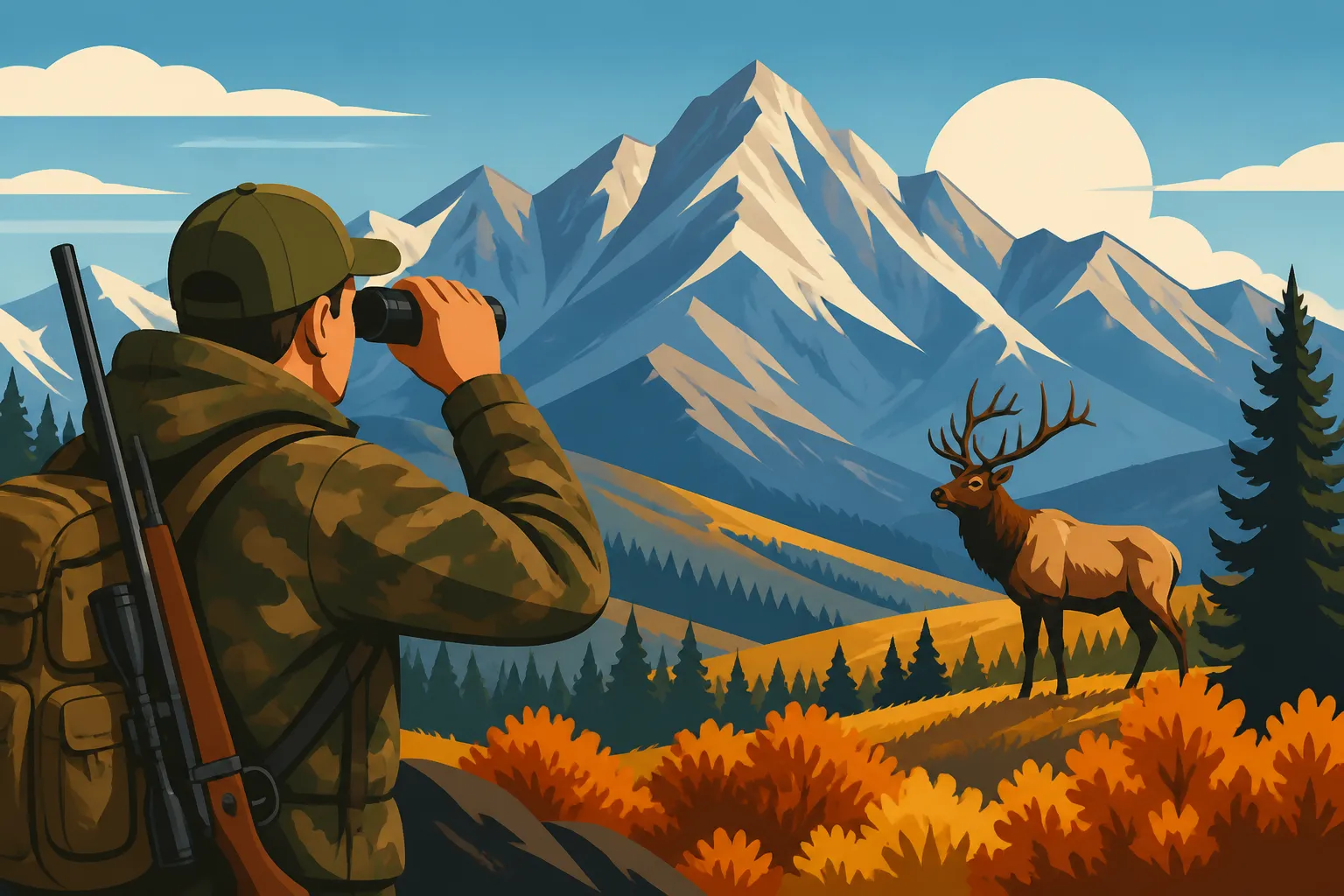
Imagine yourself standing at over 10,000 feet, glassing a distant ridge in the Flat Tops. The sheer scale can be daunting, even for seasoned hunters. An outfitter who lives and breathes this country brings an intimate knowledge of elk migration patterns, historical wallows, bedding areas, and subtle changes in thermals that can make or break a hunt. They know where the elk go when the pressure hits, or when that first significant snowfall pushes them off the high country. Trying to DIY this vastness without prior experience is a monumental task, often leading to frustration and empty tags. That's where a Meeker-based outfitter becomes an invaluable asset, leveraging years of boots-on-the-ground experience to put you in the right place at the right time. For those seeking to venture deep into these remote regions, a reputable guide can literally be a lifesaver, especially when you consider how to pack into the Colorado backcountry.
Primary Game Species in the Meeker Area
While elk are undoubtedly the main event around Meeker, the area is also home to other fantastic big game species that outfitters regularly pursue. When you're booking an outfitter, it’s important to clarify which species they specialize in, as tactics and gear can vary significantly.
Elk hunting dominates the scene here, and for good reason. The sheer number of elk, combined with the diverse habitat, offers opportunities for various hunting methods, from archery hunts during the rut to rifle seasons later in the fall. An outfitter will often have a deep understanding of Colorado Elk Hunting Methods Explained, whether that’s setting up on a bugling bull or still-hunting through timber. Besides the majestic elk, Meeker is also excellent mule deer country. These ghost-like deer thrive in the rugged hillsides and high country. Many outfitters offer combination hunts, allowing you to pursue both elk and mule deer, depending on your tag situation and the season. Furthermore, black bears are common in the same habitats as elk and deer, often presenting themselves as an opportunistic second species if you carry a bear tag. An outfitter can guide you to areas where bear sign is prevalent, increasing your odds.
The specific knowledge an outfitter possesses about these animals' habits in the local terrain is what you're truly paying for. They understand how a hot spell impacts elk movement to water holes, or how early snow influences mule deer migration down to lower elevations. This local insight, often passed down through generations of hunting in the White River area, is an advantage you simply can't gain from maps alone.
Navigating the Spectrum of Outfitter Services Near Meeker
When you decide to hire an outfitter, you'll quickly realize it's not a one-size-fits-all situation. Meeker offers a range of services, each with its own level of support, cost, and ideal client. Understanding these distinctions is crucial to choosing the right fit for your hunting style and budget.
Fully Guided Hunts: The All-Inclusive Experience
For many hunters, especially those new to Western hunting or traveling from afar, a fully guided hunt is the gold standard. This service truly is all-inclusive: your outfitter provides everything from lodging and meals to an experienced guide who will be with you every step of the way in the field. They handle the daily logistics, animal recovery, field dressing, and often the initial pack out of your game. You typically show up, hunt, and focus entirely on the experience.
Imagine waking up in a comfortable wall tent or lodge, a hearty breakfast already prepared by the camp cook, and your guide waiting with coffee and a plan for the day. You head out with someone who knows every ridge, every drainage, and every whisper of the wind. They'll help you spot animals, judge distances, and make ethical shot decisions. If you harvest an animal, they’ll handle the hard labor, from quartering the animal to getting it back to camp. This level of service significantly reduces the stress and physical demands, allowing you to immerse yourself in the hunt. Of course, this convenience comes with a higher price tag, but for those seeking a premium, hassle-free experience or a higher chance at a trophy animal, it's often worth the investment. It's an excellent option for beginners, hunters with physical limitations, or those with very limited time to scout and plan.
Semi-Guided Hunts and Drop Camps: More Independence, Less Hassle
If you're a more experienced hunter who still appreciates some logistical support but wants more autonomy in the field, semi-guided hunts or drop camps might be a better fit. These options bridge the gap between a fully guided experience and a full-blown DIY adventure.
A semi-guided hunt typically means the outfitter provides the camp, food, and initial guidance on where to hunt, along with general advice about current animal movements. However, you and your hunting partners will be hunting independently without a dedicated guide accompanying you daily. The outfitter is usually on call for advice or assistance with game retrieval, but the actual hunting decisions are yours. This can be a great compromise, saving you money while still providing a comfortable base camp and local insights. You get the benefit of their knowledge without the constant presence of a guide.
Drop camps, on the other hand, are the ultimate choice for the adventurous DIY hunter who wants to access remote backcountry without the burden of packing in all their gear. The outfitter, often using horses or mules, packs you and your equipment into a pre-established camp in the wilderness. They set up tents, cots, and perhaps a wood stove, leaving you with supplies for your hunt. After a predetermined number of days, they return to pack you and any harvested game out. This means you are completely on your own for the hunting, cooking, and daily camp life. This is where your skills truly shine, and it’s a fantastic way to experience a truly wild hunt. Drop camps can be significantly more affordable than fully guided hunts, but demand a higher level of self-sufficiency and hunting prowess. For a deep dive into this, check out our guide on Colorado Drop Camp Hunts Explained. This option is perfect for groups of experienced hunters who know how to hunt elk but need help with the logistical heavy lifting of accessing remote areas like those in the Flat Tops.
Specialty Services and Horseback Hunts
Beyond the standard guided and drop camp options, many Meeker outfitters offer specialized services that cater to specific hunting preferences or needs. One of the most common and valuable additions is horseback services. Given the rugged, expansive terrain of the White River National Forest and Flat Tops, horses or mules are often the most efficient way to access remote hunting grounds, transport gear, and pack out harvested animals. If you're planning a hunt that requires significant travel into the backcountry, asking about horseback support is essential.
Additionally, some outfitters specialize in certain weapon types or seasons. For instance, you might find an outfitter who focuses heavily on Colorado Archery Elk Hunting Guide during the September rut, employing specific calling tactics. Others might specialize in late-season rifle hunts when elk are migrating to lower elevations. If you have a particular hunting style or a specific season in mind, such as the Colorado Muzzleloader Hunting Guide, seek out an outfitter whose expertise aligns with your preferences. These specialty services can greatly enhance your hunting experience by pairing you with a guide who truly understands the nuances of your chosen method.
What to Seriously Consider When Choosing a Meeker Outfitter
Okay, you've decided on the type of service you need. Now comes the critical part: vetting potential outfitters. This isn't just about finding someone with a nice website; it's about entrusting your valuable time, money, and often your safety to a professional. Given the investment, doing your homework is non-negotiable.
Licensing, Reputation, and Experience
First and foremost, always verify an outfitter's licensing. In Colorado, outfitters are regulated by the Colorado Outfitter Licensing Board. A legitimate outfitter will be able to provide proof of their license and insurance. Never book with someone who can't or won't provide this information. This is a crucial step in How to Choose a Colorado Hunting Outfitter.
Beyond legalities, reputation is everything. Start by searching online. Look for reviews on independent platforms, hunting forums, and social media. Be wary of outfitters with no online presence or exclusively five-star, overly generic reviews. A great resource for starting your search and checking reviews is a platform like BookYourHunt, which lists many Colorado outfitters and often includes testimonials from past clients. Once you have a shortlist, ask for references – and always call them. Ask specific questions: "Did the outfitter deliver on their promises?" "How was the food/lodging?" "What was the guide's demeanor like?" "Would you hunt with them again?" This direct feedback is invaluable.
Experience in the specific area you'll be hunting is also paramount. A great outfitter in another part of Colorado might not know the subtle nuances of the White River National Forest near Meeker. Ask them about their years of experience in that specific GMU or wilderness area. They should be able to articulate their knowledge of the local wildlife patterns, terrain, and even the history of the area. Resources like GoHunt also offer valuable insights into specific units and outfitter reviews, helping you narrow down your choices by cross-referencing their claimed areas of expertise with data-driven insights.
Inclusions, Exclusions, and Transparent Pricing
This is where many misunderstandings happen, leading to frustration down the line. Get a detailed, written contract that clearly outlines what is and isn't included in the price. Don't assume anything. Common questions include:
- What about tags and licenses? Are they included, or are you responsible for drawing or purchasing them? (Most often, you are responsible for your own tags.)
- What are the accommodation details? Wall tents, cabins, hotel? Shared or private?
- Are meals provided? What kind of food? Any dietary restrictions accommodated?
- Does the price cover transportation during the hunt? From camp to hunting areas, or even airport pickup?
- What happens after the kill? Is field dressing, caping, and initial meat packing included? What about transportation of the meat to a processor?
- Are there any hidden fees? Fuel surcharges, trophy fees, taxes?
- What are the tipping expectations? Guides and camp staff often rely on tips, so understand the customary percentage.
It’s crucial to understand the total financial commitment. While a site like BookYourHunt provides a convenient starting point to explore options, always follow up with direct conversations and reference checks, especially regarding all-inclusive costs. For a broader understanding of what to expect, read up on Colorado Guided Elk Hunt Cost. Make sure the pricing model is clear: is it per hunter, per animal, or a flat fee for the trip duration? Transparency here is key to avoiding unpleasant surprises.
Communication and Ethical Practices
The outfitter-client relationship relies heavily on good communication. From your initial inquiries to post-hunt follow-up, evaluate how responsive and clear the outfitter is. Do they answer your questions thoroughly? Do they seem genuinely interested in your hunting goals? A good outfitter will set realistic expectations about success rates and the challenges of the hunt.
Crucially, an ethical outfitter will operate within all Colorado Parks and Wildlife (CPW) regulations. They should prioritize fair chase principles, respect wildlife, and minimize their impact on the environment. Ask about their game recovery protocols – what happens if an animal is wounded? A responsible outfitter will make every effort to recover all game, even if it means extra effort and time. They should also prioritize safety, both in camp and in the field. Don't hesitate to ask specific questions like those outlined in Questions to Ask a Colorado Outfitter. Their answers will tell you a lot about their values and professionalism.
Preparing for Your Outfitted Hunt Near Meeker
Once you've done your due diligence and selected your Meeker outfitter, the real fun begins: preparing for your adventure. Even with a guided hunt, your personal preparation is key to maximizing your experience and increasing your chances of success.
Booking Timelines and Essential Questions
Good outfitters, especially those operating in high-demand areas like Meeker, book up quickly—sometimes a year or more in advance. If you have specific dates or seasons in mind, plan to book as early as possible. This is particularly true for prime rut periods or popular rifle seasons.
As you finalize your booking, revisit your list of questions. Here’s a quick checklist to consider:
| Category | Key Questions to Ask Your Meeker Outfitter |
|---|---|
| Logistics | How do I get to your camp? Is airport pickup included? What are check-in/out times? |
| Hunting Area | Which GMU(s) will we primarily hunt? What's the typical elevation? How much walking/hiking is involved daily? |
| Gear & Equipment | What gear do I need to bring (clothing, optics, rifle/bow)? What does the outfitter provide? |
| Success Rates | What have your success rates been for this species/season in the last 3-5 years? (Be realistic, no guarantees!) |
| Physical Demands | What level of physical fitness is required? Are there options for less strenuous hunting? |
| Emergency Plan | What is your emergency communication and evacuation plan in case of injury? |
| Meat & Trophy Care | What is the protocol for field dressing, caping, and packing out an animal? Do you have freezer space? Recommended processors/taxidermists? |
| Pre-hunt Info | What kind of pre-hunt communication or information should I expect? Scouting reports? |
Getting clear answers to these questions will ensure you're on the same page and help you plan effectively. You can also explore our detailed guide on Questions to Ask a Colorado Outfitter for even more in-depth queries.
Physical Preparation and Gear for Mountain Hunting
Don't underestimate the physical demands of hunting in Colorado, even with an outfitter. The mountains around Meeker can be unforgiving, with elevations often ranging from 7,000 to over 11,000 feet. The air is thinner, the terrain is steep, and you'll be covering a lot of ground. Start a dedicated fitness regimen well in advance. Focus on cardiovascular endurance, leg strength, and hiking with a loaded pack. Many hunters find that a program designed to How to Physically Prepare for Colorado Elk pays dividends in comfort and stamina on the mountain.
Your gear is equally important. Layering clothing is essential for Colorado's unpredictable mountain weather, which can swing from warm sunshine to snow squalls in a single day. Invest in quality hiking boots that are well broken in, reliable rain gear, and a comfortable day pack. Optics are critical for glassing the vast landscapes, so a good pair of binoculars and a spotting scope will be invaluable. Your outfitter will likely provide a suggested packing list, but you can also consult resources like Colorado Backcountry Hunting Gear List for a comprehensive overview of essential items. Don't forget a quality rifle or bow that you are proficient with, and make sure it's sighted in for mountain conditions, including potential uphill and downhill shots.
Tag Logistics and Travel Considerations
Finally, understanding the Colorado tag system is paramount. Most prime elk and deer tags in Colorado are obtained through a draw system, requiring you to apply months in advance, typically by early April. Your outfitter will advise you on specific hunt codes for the units they operate in, but you are responsible for applying for and securing your own tags. While some outfitters on private land might offer landowner voucher hunts (which can bypass the public land draw system), these are generally more expensive and less common for the Meeker area's vast public lands. Review resources like Colorado OTC Elk Tags Explained if you are looking for over-the-counter options, though these are becoming increasingly limited in the state's more desirable units.
For travel, Meeker is a small town, but it’s accessible. The nearest major airports are usually Grand Junction Regional Airport (GJT) or Denver International Airport (DIA). From there, you'll likely rent a car for a scenic drive to Meeker, which can take anywhere from 2 to 5 hours depending on your starting point. Coordinate your arrival and departure plans with your outfitter well in advance, especially if they offer airport shuttle services. Being well-informed about all these elements will contribute to a smoother, more enjoyable, and ultimately more successful Colorado hunting experience.
Disclaimer
Please remember that hunting regulations and season dates in Colorado can change. Always consult the most current Colorado Parks and Wildlife (CPW) regulations and season brochures before planning and embarking on any hunting trip. This guide is for informational purposes only and does not constitute legal advice.