How to Vet a Colorado Hunting Outfitter
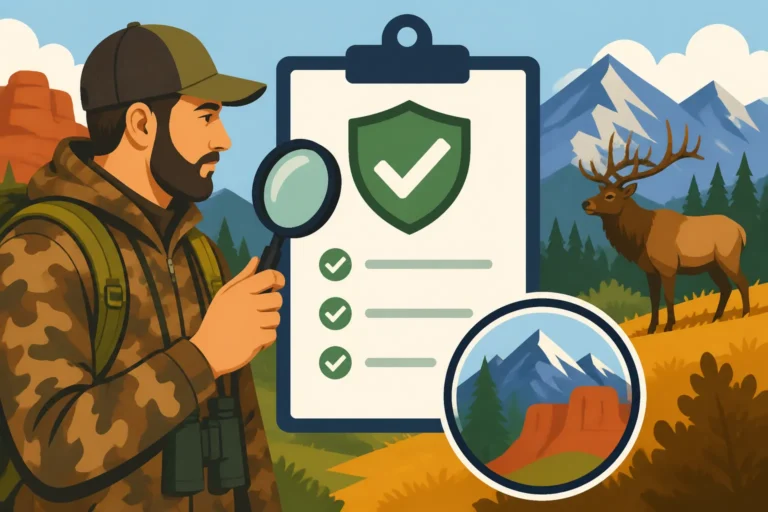
Finding the right Colorado hunting outfitter can feel like navigating a maze blindfolded. You've poured your heart and soul into dreaming up that perfect elk or mule deer hunt, only to be overwhelmed by countless guides making grand promises. This guide is designed to cut through the noise, equipping you with the practical knowledge and actionable steps needed to thoroughly vet a Colorado hunting outfitter, ensuring your investment leads to a safe, ethical, and memorable backcountry experience rather than a costly disappointment.
Understanding the Colorado Outfitter Landscape
Before you even start looking at specific outfitters, it’s crucial to understand the regulatory environment and the different types of services you might encounter in Colorado. This foundational knowledge will help you ask the right questions and spot discrepancies early on. The world of guided hunts isn't one-size-fits-all, and Colorado has its own unique rules and offerings.
Colorado Outfitter Licensing and Regulations
Colorado Parks and Wildlife (CPW) takes the regulation of hunting outfitters seriously, and for good reason. They want to ensure that hunters are safe, ethical standards are met, and the state's wildlife resources are managed responsibly. Any individual or business offering paid guide services for hunting, fishing, or recreation on public lands in Colorado, or on private lands not owned by the outfitter, must be properly licensed by the Colorado Department of Regulatory Agencies (DORA) and also possess the necessary permits from land management agencies like the U.S. Forest Service or Bureau of Land Management (BLM) if operating on their respective territories.
This means a legitimate outfitter will have specific DORA license numbers and proof of their special use permits for the areas they operate in. Don't be shy about asking for these credentials upfront. A reputable outfitter will be proud to share them. These licenses are more than just paperwork; they signify adherence to certain safety standards, insurance requirements, and ethical guidelines. Failing to confirm these details could leave you vulnerable to an unlicensed operation, which not only carries legal risks but also often means a lack of insurance, subpar safety protocols, and potentially unethical hunting practices. Think of it as your first line of defense against a bad experience; if they can't provide proper licensing, walk away. To dive deeper, you might explore the specifics of Colorado Outfitter Licensing Explained.
Types of Guided Hunts in Colorado
The term "guided hunt" can mean a lot of different things, and it’s important to clarify what level of service you're paying for. Misunderstanding these distinctions can lead to serious disappointment when expectations don't align with reality. Colorado offers a spectrum of services, each with varying levels of support and hunter responsibility.
First, you have the fully guided hunt. This is often what people imagine when they think of a guided experience. The outfitter provides just about everything: transportation in the field, food, lodging (whether a comfortable lodge, a wall tent camp, or a spike camp), a dedicated guide per hunter or small group, game retrieval, and even initial field processing. Your job is primarily to hunt and enjoy the experience. This option is fantastic for first-time Western hunters, those with physical limitations, or anyone who wants to maximize their hunting time without worrying about logistics.
Then there are semi-guided hunts. These fall somewhere in the middle. An outfitter might provide a camp (often a drop camp), transportation to and from that camp, and perhaps some initial scouting advice or a general area to hunt, but you'll be doing the actual hunting on your own or with your group. Food, cooking, and daily hunting decisions are typically your responsibility. This can be a more budget-friendly option than a fully guided hunt and appeals to hunters who want some support but still value the independence of a DIY hunt. Understanding the nuances here is key, and an outfitter should be able to clearly outline the services included, which can vary widely.
Finally, you might encounter drop camps. These are less about "guiding" in the traditional sense and more about logistics support. The outfitter packs you and your gear into a remote backcountry camp, often with horses or ATVs, and then picks you up at a predetermined time. They usually provide a pre-set camp with tents, cots, and a cooking area, but everything else—food, cooking, finding game, navigating, field processing, and packing out your animal—is entirely up to you. Drop camps are a fantastic option for experienced hunters who want to access remote areas without the expense or effort of packing in and setting up their own elaborate camp. For those considering this, understanding Colorado Drop Camp Hunts Explained can provide valuable insights.
Public Land vs. Private Land Access
The type of land an outfitter operates on significantly impacts your hunting experience, potential game quality, and the overall cost. In Colorado, hunters have access to millions of acres of public land (National Forests, BLM land), but private land access is also a huge part of the hunting landscape.
Outfitters operating on public lands must adhere to strict permitting processes from federal agencies. These permits specify the areas they can operate in, the number of clients they can take, and the dates they can offer hunts. Public land hunts often mean a more rugged experience, more hunting pressure from other public land hunters, and generally tougher hunting, but they also offer a truly authentic Western feel. The upside is often a lower price point compared to private land. If you're looking for a true wilderness experience, a public land hunt is the way to go, but be prepared for the challenges that come with it, including navigating How to Hunt Elk on Public Land Pressure.
Private land hunts, on the other hand, often occur on large ranches where the outfitter has exclusive hunting rights. These hunts can offer higher success rates, larger trophy potential (especially for mule deer and elk), and significantly less hunting pressure. The lodging and amenities might also be more comfortable. However, this exclusivity comes at a much higher price point. Some outfitters may even offer hunts on properties enrolled in Colorado's Ranching for Wildlife program, which provides extended seasons and more flexible tag opportunities in exchange for public access during certain times. If a private land hunt sounds appealing, it's worth exploring Colorado Ranching for Wildlife Explained to understand how these programs work. Always verify that the outfitter indeed has legal access to the private lands they advertise; asking for references from the landowner or previous clients who hunted that specific property is a smart move.
Initial Research: Beyond the Pretty Website
You’ve probably seen some stunning outfitter websites with incredible hero shots of giant bulls and happy hunters. While a professional website is a good sign, it's only the first step. True vetting requires digging much deeper into their reputation and official standing.
Online Due Diligence: Reviews and Forums
Once you have a list of potential outfitters, hit the internet hard. Start with independent review platforms and hunting forums. Websites like BookYourHunt and GoHunt often feature outfitter listings with reviews, photos, and direct booking options, providing a good starting point for aggregating information. These platforms can give you an initial feel for an outfitter's reputation and client satisfaction.
Don't just look at the star ratings; read the actual comments, both good and bad. Look for patterns. Are clients consistently praising the guides' knowledge, the quality of the food, or the effort put into game retrieval? Or are there recurring complaints about disorganization, lack of effort, or hidden costs? Pay attention to specific details. A single bad review could be an anomaly, but a string of similar complaints is a major red flag. Also, explore dedicated hunting forums. Search for the outfitter's name there. Hunters are often very candid about their experiences, and you might uncover invaluable insights or warnings that won't appear on a curated review site. Remember that online reviews can be manipulated, so always cross-reference information from multiple sources.
Checking Official State Records and Licenses
This is a non-negotiable step that many hunters unfortunately skip. As mentioned earlier, Colorado outfitters must be licensed by DORA. You can typically search the DORA website to verify an outfitter's license status. This search will confirm if their license is active, if there have been any disciplinary actions, and when it expires.
In addition to state licensing, if an outfitter operates on public lands (National Forests or BLM land), they must possess current special use permits from those agencies. These permits are crucial because they dictate where and when an outfitter can conduct business. Ask the outfitter for their permit numbers and the specific agencies they operate under. You can often contact the relevant National Forest or BLM district office to confirm the validity of these permits. A legitimate outfitter will have no problem providing this information. If they hesitate or give vague answers, consider it a significant warning sign. Verifying these permits ensures you're hunting legally with an authorized operator, which is vital for your safety and the integrity of your hunt.
Leveraging Tools for Outfitter Discovery
In today's digital age, there are more resources than ever to help you find and research outfitters. Beyond generic search engines, specialized platforms can streamline your initial discovery process. As I mentioned, services like BookYourHunt allow you to browse outfitters by species, location, and hunt type, often including pricing, availability, and user reviews all in one place. These platforms can save you a lot of time by providing a curated list of licensed operations.
Another excellent resource for comprehensive pre-hunt planning, including researching potential outfitters and their operating areas, is GoHunt. While primarily known for its draw odds and unit analysis tools, GoHunt also offers community forums and articles that can provide indirect insights into outfitter reputations or guide you on how to effectively scout areas where outfitters operate. These tools can help you gather intelligence on units, game populations, and even give you a better idea of what a fair price might be for a particular type of hunt, empowering you with knowledge before you even pick up the phone. Thinking about how you'll prepare for your hunt once you've chosen an outfitter? Don't forget to look into How to E-Scout Before a Colorado Hunt to maximize your chances.
Key Questions to Ask Prospective Outfitters
Once you've done your preliminary research and narrowed down your list, it's time to engage directly with the outfitters. This is where your preparedness truly pays off. Have a detailed list of questions ready and take notes during every conversation.
Unpacking Success Rates and Expectations
Every outfitter will tout their success rates, but these numbers can be misleading if not properly understood. Don't just ask, "What's your success rate?" Instead, dig deeper. Ask for kill success rates (what percentage of hunters actually harvested an animal) and opportunity success rates (what percentage of hunters had a legitimate shot opportunity, even if they didn't harvest). There's a big difference between the two. An outfitter might have a 100% opportunity rate but only a 50% kill rate, indicating plenty of game but perhaps less-than-stellar hunter shooting skills or tough conditions.
Furthermore, ask about the type of game included in those rates. Is it 100% success on any elk, or specifically on mature bulls? What about cow tags? If you're focused on trophy animals, their success rate on small bulls might not apply to your goal. Inquire about the previous 3-5 years' statistics, not just the best year, to see a more consistent trend. Also, confirm the species specific to your tag. For example, if you're hunting with a Colorado Either-Sex Elk Tags, the success rate might be higher than for a bull-only tag. A reputable outfitter will be transparent and able to explain their numbers thoroughly, perhaps even sharing photos or testimonials from hunts corresponding to those statistics.
Understanding What's Included and What's Not
One of the biggest sources of frustration for guided hunters is discovering hidden costs or unmet expectations once they're in camp. You need a crystal-clear understanding of what your hunt package covers. Never assume anything.
Here's a detailed list of what to specifically ask about:
- Meals and Lodging: What kind of food is provided (home-cooked, freeze-dried)? Are snacks and drinks included? What are the sleeping arrangements (individual tent, shared wall tent, lodge room)? What about shower and restroom facilities?
- Transportation: Is transportation to and from the nearest town or airport included? How will you get to and from hunting areas each day (ATVs, horses, hiking)?
- Guide-to-Hunter Ratio: Is it 1-on-1, 1-on-2, or a larger group? This significantly impacts personal attention and flexibility.
- Game Care: Who is responsible for field dressing, quartering, and packing out the animal? Is there a weight limit on what can be packed out? What about transportation of the meat to a processor or cooler?
- Field Equipment: Are sleeping bags, pads, backpacks, or specific optics provided for drop camps or backcountry hunts?
- Permits and Fees: Does the stated price include any federal land use fees, or just the outfitter's service fee? Does it include your hunting license or tag fees? (Usually, it does not, but always confirm).
- Unexpected Costs: Ask about additional costs like gratuities for guides and camp staff (this is a big one!), taxidermy prep, meat processing, or extra days if the hunt runs long or you arrive early. A detailed breakdown of What's Included in a Colorado Guided Hunt is essential.
Requesting and Contacting References
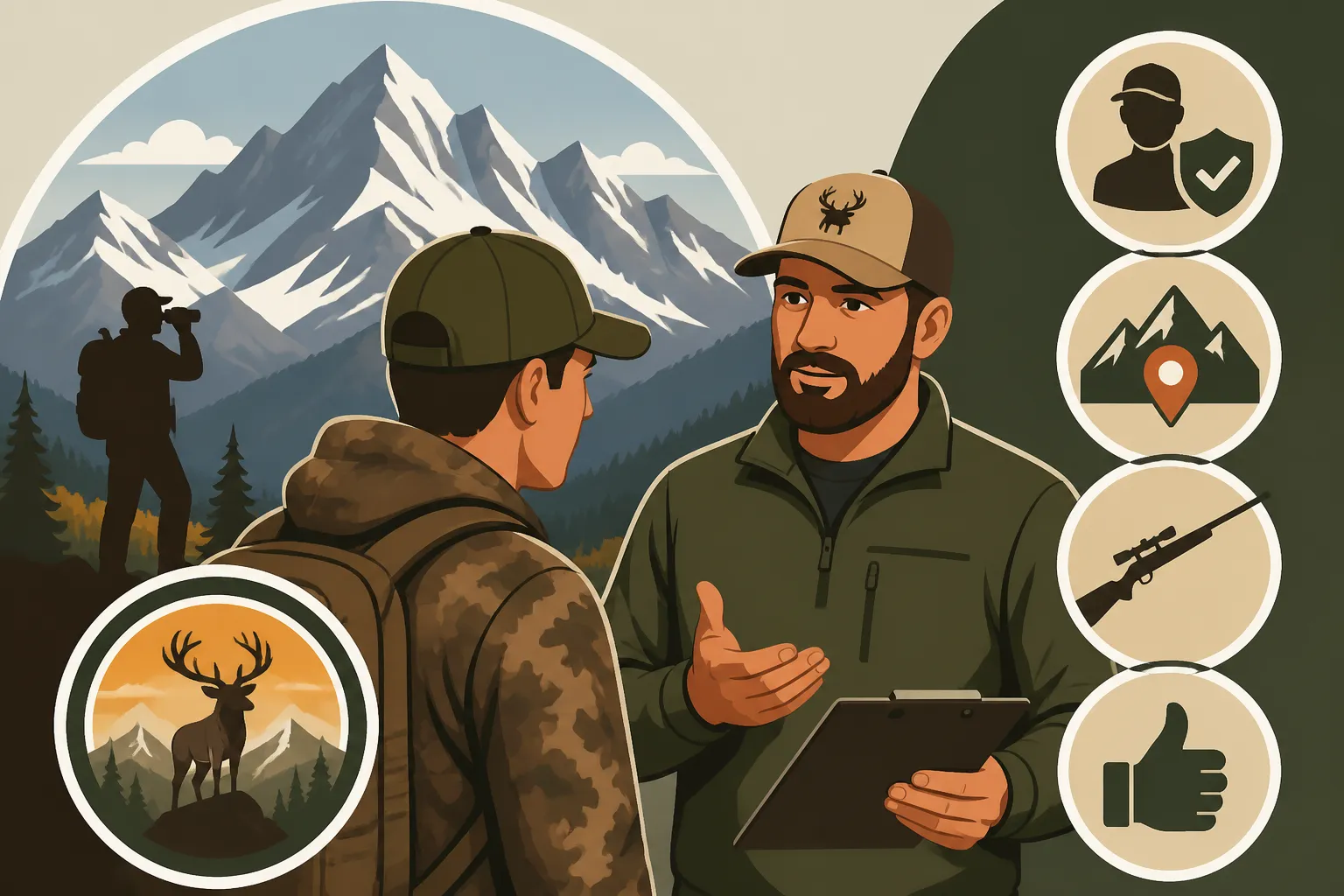
This is arguably the most critical step in vetting an outfitter. Any outfitter worth their salt will readily provide a list of recent references, ideally from the last 1-3 years. Don't just ask for references; ask for a list of at least five, and make sure they're recent clients who hunted the same type of hunt you're interested in (e.g., archery elk, rifle mule deer, drop camp).
When you contact these references, treat it like an interview. Here are some questions to ask:
- Did the hunt meet your expectations, and why or why not?
- Were the guides knowledgeable, professional, and hardworking?
- Was the camp, food, and equipment as advertised?
- Were there any hidden costs or surprises?
- How accurately did the outfitter describe the terrain, physical demands, and hunting challenges?
- Would you hunt with this outfitter again? Why or why not?
- Did you have an opportunity at an animal? Did you harvest one?
- How did the outfitter handle any unexpected issues or challenges during the hunt?
Listen for consistency in their answers. A legitimate outfitter will have clients who provide similar feedback. Be wary if an outfitter hesitates to provide references or only offers glowing, hand-picked testimonials from years ago. If you want to compare different types of guided experiences, this table might help:
| Hunt Type | Services Typically Included | Hunter Responsibility | Typical Cost Range (Rough) | Best For |
|---|---|---|---|---|
| Fully Guided | Guide, lodging, meals, transportation, game retrieval, field prep | Focus on hunting, follow guide's lead | $5,000 – $10,000+ | First-timers, less experienced, luxury, maximizing hunt time without logistics |
| Semi-Guided | Camp setup, transportation to camp, area advice | Hunting, cooking, daily decisions, game retrieval | $3,000 – $6,000 | Independent hunters wanting some support, budget-conscious, experienced DIYers |
| Drop Camp | Camp setup, pack-in/pack-out logistics | Everything (hunting, food, cooking, processing, meat out) | $1,500 – $3,500 | Experienced backcountry hunters, groups, accessing remote areas, maximum independence |
Note: Costs are estimates and can vary significantly based on species, duration, outfitter reputation, and amenities.
Red Flags and Warning Signs
Even after thorough research, some red flags might only become apparent during direct communication. Being aware of these common warning signs can save you from a potentially disastrous hunting trip. Trust your gut feeling; if something feels off, it probably is.
Vague Answers and Evasive Communication
A professional outfitter should be prompt, clear, and comprehensive in their communication. If you find yourself having to pull information out of them like teeth, or their answers are consistently vague and lacking detail, that's a major red flag. For instance, if you ask about a specific hunting area or method (e.g., "Spot-and-Stalk Hunting in Colorado" or "How to Call Elk in Colorado") and they can't provide specifics or seem to deflect, it could indicate a lack of experience or a reluctance to commit to certain expectations.
Watch out for responses like, "We'll figure that out when you get here," or "It depends on the day." While some flexibility is natural in hunting, core logistical questions (like guide-to-hunter ratio, camp amenities, and game retrieval plan) should have clear answers upfront. Evasiveness can mask disorganization, inexperience, or a desire to avoid making promises they can't keep. Remember, you're paying for a professional service; clear communication is the bedrock of that professionalism. If they can't communicate effectively before the hunt, imagine the communication challenges you might face during the hunt.
Unrealistic Promises and High-Pressure Sales
Be extremely wary of any outfitter who guarantees success, promises "monster" animals, or downplays the physical challenges of a Colorado hunt. Hunting, especially in the rugged terrain of Colorado, is inherently unpredictable. Weather, game movement, and even your own performance can all influence the outcome. A truly ethical and experienced outfitter will always manage your expectations realistically, emphasizing the experience and the opportunity rather than a guaranteed kill. They'll tell you that it's hunting, not killing.
High-pressure sales tactics are another huge warning sign. If an outfitter tries to rush you into signing a contract, demands an immediate deposit without giving you time to review documents, or suggests that tags are running out (when you know they aren't), take a step back. Reputable outfitters understand that this is a significant investment and a personal decision, and they will give you the space and information needed to make an informed choice. Never feel pressured into a booking. If they’re pushing too hard, it’s often because they have something to hide or are desperate for bookings, which can reflect poorly on their operation.
Lack of Transparency on Costs or Logistics
Everything from the price of the hunt to the daily schedule should be laid out clearly in writing, preferably in a detailed contract. If an outfitter is cagey about the total cost, or if you uncover hidden fees later in the conversation that weren't mentioned initially, reconsider. This applies not just to the core hunt cost but also to essential services like meat processing, taxidermy, or even just extra water bottles.
Logistical details are just as important. For instance, if you're planning a Colorado Backcountry Hunting Guide, you need to know how many miles you'll be hiking daily, the elevation of the camp, and the plan for emergency extraction. If they gloss over these details, it suggests either a lack of planning on their part or an attempt to downplay the strenuous nature of the hunt. Ask for a sample itinerary, even if it's flexible due to weather or animal movement. Knowing the general plan for each day, from wake-up calls to hunting strategies and meal times, helps set realistic expectations and ensures you're both on the same page. Transparency builds trust, and trust is paramount when you're investing your time, money, and personal safety with an outfitter.
Sealing the Deal: Contracts and Expectations
You've done your homework, asked the tough questions, and found an outfitter that seems like a good fit. Now comes the formal part: the contract. This document is your protection and clarifies all expectations for both parties. Don't skim it!
Thoroughly Reviewing the Contract
Never, ever sign a contract without reading every single word. This document is a legally binding agreement that outlines the terms of your hunt, the services provided, and your responsibilities as the client. Pay close attention to the fine print. Does the contract accurately reflect everything you discussed with the outfitter? Are the dates, species, hunting method, and price explicitly stated? What about the guide-to-hunter ratio?
Look for clauses related to liability and assumption of risk. Hunting in Colorado, especially in the backcountry, carries inherent risks. Ensure you understand what you're agreeing to in terms of personal injury, property damage, or lost game. If there are any ambiguities, ask for clarification in writing before signing. Don't be afraid to ask for a sample contract well in advance so you can review it at your leisure, perhaps even with legal counsel if you feel it's necessary. This is your chance to solidify everything that was verbally agreed upon.
Payment Schedules and Cancellation Policies
Understanding the financial aspects of your hunt is critical to avoid surprises. Most outfitters require a deposit upfront to secure your booking, with the remaining balance due closer to the hunt date. Clarify the exact payment schedule: What percentage is due as a deposit? When is the final payment due? What payment methods are accepted?
Even more importantly, understand the outfitter's cancellation and refund policies. Life happens, and sometimes hunts need to be canceled or postponed. What happens if you need to cancel? Is your deposit refundable, partially refundable, or non-refundable? What if the outfitter needs to cancel due to unforeseen circumstances (e.g., wildfires, guide illness, permit issues)? Will they offer a full refund, a partial refund, or a credit for a future hunt? It's often a good idea to purchase trip insurance for significant hunting investments, especially for non-residents traveling a long distance. Trip insurance can protect your financial investment in case of unforeseen cancellations on your end. Knowing these policies upfront protects your investment and prevents potential disputes down the line. It's also wise to inquire about Colorado Tag Cost Refund Rules if your tag depends on specific draw outcomes.
Pre-Hunt Communication and Planning
Once the contract is signed and the deposit is paid, the relationship with your outfitter isn't over—it's just beginning. Effective pre-hunt communication is vital for a successful trip. A good outfitter will maintain contact, providing updates and answering any questions you might have as the hunt approaches.
Expect to receive a detailed gear list from the outfitter. This list should be tailored to the specific type of hunt (e.g., Colorado Backcountry Hunting Gear List versus a lodge-based hunt) and the expected weather conditions. This is not just a suggestion; it's critical for your safety and comfort. They should also provide information on travel logistics, nearest airports, recommended hotels for before/after the hunt, and any specific physical preparation suggestions. For example, if you're doing an arduous mountain hunt, they might recommend focusing on How to Physically Prepare for Colorado Elk or Altitude Training for Colorado Hunting. Take their advice seriously. If you're not hearing from your outfitter and you have questions, don't hesitate to reach out. Proactive communication from both sides ensures everyone is prepared and on the same page when opening day arrives.
Preparing for Your Hunt with a Vetted Outfitter
Even with the perfect outfitter selected, your responsibilities don't end there. A successful hunt is a partnership, and your preparation is a significant part of that equation. Don't show up unprepared, expecting the outfitter to magically fix everything.
Physical and Mental Preparation
Colorado hunting, especially for elk or high-country mule deer, is physically demanding. Even if you've booked a fully guided hunt with horses, you'll still likely be doing a fair amount of walking, hiking up steep terrain, and potentially helping with game retrieval. Do not underestimate the altitude and the ruggedness of the Western landscape. Weeks or months before your hunt, you should be actively engaged in a fitness regimen that includes cardiovascular training, strength training, and hiking with your pack on.
Altitude sickness is a real concern for many hunters coming from sea level. Discuss this with your outfitter; they may have specific recommendations for acclimation, such as arriving a few days early to a higher elevation town. Mental preparation is equally important. Hunting in Colorado can involve long days, challenging conditions, and periods of intense physical exertion combined with moments of frustration. Develop a resilient mindset, be patient, and understand that success isn't guaranteed. Your outfitter can put you on game, but you still need to execute. For a deep dive, consider a specific Colorado Elk Hunt Fitness Plan.
Gear and Equipment Coordination
Your outfitter will provide a gear list, and you must adhere to it closely. This list is based on their experience in the specific hunting unit and conditions. Investing in quality gear, particularly clothing layers, boots, and a comfortable backpack, is crucial. For example, if you're hunting during an early season, you'll need different clothing than for Late-Season Elk Hunting Tactics in the snow. Don't skimp on essentials like rain gear, a headlamp, first-aid supplies, and proper hunting boots designed for rugged terrain.
Communicate any gear concerns or questions with your outfitter well in advance. If you're unsure about a piece of equipment, ask if they can provide it or recommend a suitable alternative. For archery hunts, ensure your bow is sighted in and you've practiced extensively at varying distances and angles. For rifle hunts, confirm your rifle is sighted in, and you're proficient in shooting from different positions, including uphill and downhill. Your outfitter might recommend specific Best Rifle Calibers for Colorado Elk based on the terrain. Showing up with faulty equipment or a lack of proficiency not only jeopardizes your own hunt but can also impact the entire group.
Understanding Field Ethics and Outfitter Expectations
Hunting with an outfitter means you are representing them and yourself. Adhere to all Colorado hunting regulations, even if you are unfamiliar with them; your guide will be there to assist, but ultimate responsibility lies with you. This includes understanding bag limits, legal shooting hours, and any antler point restrictions specific to your unit.
Beyond legal requirements, embrace ethical hunting practices. This means making clean shots, pursuing wounded game diligently, and respecting the land and wildlife. Your outfitter will have specific expectations regarding your behavior in camp and in the field. Be polite, follow instructions, and be a team player. If you're sharing a camp or guides with other hunters, contribute positively to the group dynamic. Discuss tipping expectations for your guides and camp staff before the hunt. Tipping is customary in the outfitting industry and is a significant part of a guide's income. Understanding these unwritten rules and behaving ethically and respectfully will ensure a positive experience for everyone involved and uphold the integrity of the hunting community. For more on this, you might check out Tipping a Colorado Hunting Guide.
Disclaimer
Please remember that hunting regulations, seasons, and licensing requirements in Colorado are subject to change. Always consult the official Colorado Parks and Wildlife (CPW) website and current regulations brochures before planning any hunt. This guide is for informational purposes only and does not constitute legal advice.