Colorado Drop Camp vs Full Service
Deciding how to tackle a Colorado elk hunt can feel like navigating a dense aspen forest in the dark – overwhelming and full of unknowns. Many of us dream of chasing bugling bulls through the high country, but the practicalities of planning, especially when it comes to outfitter services, can quickly turn that dream into a headache. Should you rough it in a drop camp or opt for the comfort and expertise of a full-service guide? This comprehensive guide will meticulously break down the differences between Colorado drop camp hunts and full-service guided hunts, helping you understand each option so you can make the most informed decision for your next Rocky Mountain adventure.
Understanding the Colorado Hunting Landscape
Colorado holds a special place in the hearts of hunters, drawing thousands each year with its vast public lands, incredible elk populations, and rugged, awe-inspiring scenery. But the very things that make it so appealing – its size, its wilderness, its challenges – are also what make planning a hunt here so daunting. You're not just buying a tag; you're often embarking on a physical and logistical odyssey.
The Appeal of Colorado's Wilderness
There’s something uniquely invigorating about hunting in Colorado. The sheer scale of the landscape, from the towering peaks of the San Juans to the sprawling wilderness of the Flat Tops, offers an experience unlike anywhere else. It’s a place where you can truly get away from it all, test your limits, and immerse yourself in nature. The dream of hearing a bull elk bugle echo through a vast canyon, or spotting a mule deer buck high on a timbered ridge, is a powerful draw. This state is often the benchmark for Western hunting, a place where many hunters hope to experience their first elk. However, with that allure comes the inherent challenge of hunting vast, rugged, and often remote terrain, which is where outfitter services really come into play.
The Spectrum of Outfitter Services
When you start looking into hunting options, especially if you're traveling from out of state or new to the area, you'll quickly realize that "outfitter" isn't a one-size-fits-all term. There's a wide spectrum of services available, ranging from simply dropping you off at a trailhead to providing every single aspect of your hunt, from cooked meals to field dressing your animal. This variety exists because hunters themselves have diverse needs, budgets, and experience levels. Some hunters thrive on complete independence and want nothing more than logistical support to get them into prime areas, while others prefer to outsource the complexities and focus solely on the hunt itself. Understanding this spectrum is the first step in figuring out where you, as a hunter, fit in and what kind of support will truly enhance your Colorado hunting experience.
Delving into Colorado Drop Camp Hunts
A drop camp hunt represents a fantastic middle ground for many hunters looking for a taste of the backcountry without the full logistical burden. It's not a fully guided experience, but it's far from a true do-it-yourself (DIY) hunt where you pack in every single item on your back.
What Exactly is a Drop Camp?
Imagine this: you've planned your hunt, secured your tags, and you're ready to head deep into Colorado's wilderness. But carrying all your gear, food, and camp supplies for a week or more is a monumental task, especially if you're not accustomed to backpacking at high altitudes. This is where a drop camp shines. In a drop camp scenario, an outfitter provides the heavy lifting, quite literally. They will pack you and your gear, often via horses or mules, deep into a remote hunting area. Once there, they've usually set up a pre-arranged camp for you.
This camp typically includes essential comforts and necessities: a wall tent or similar sturdy shelter, a wood-burning stove for heat, cots, cooking gear, and basic food storage. The outfitter usually drops you off, makes sure you're settled, and then leaves you to hunt on your own. They'll agree on a specific date to return and pack you and any game you've harvested back out. Crucially, a drop camp does not include a guide in the field with you. You're responsible for your own hunting, navigation, cooking, and animal care (except for the final pack-out). Think of it as a backcountry Airbnb, but with horsepower transportation. For those looking to really experience the remote country without the gruel of packing a full camp, this can be an incredible option. If you're considering a more hands-on approach, our guide on How to Pack Into the Colorado Backcountry delves deeper into self-supported wilderness travel.
The Pros and Cons of a Drop Camp
Choosing a drop camp means weighing a unique set of advantages and disadvantages tailored to a specific type of hunter. Let's break down what you gain and what you might sacrifice.
On the "pro" side, the cost is often significantly less than a fully guided hunt. You're paying for transportation, equipment setup, and pack-out services, not for a guide's daily expertise and personal attention. This makes a backcountry experience more accessible to those on a tighter budget. Second, there's an immense sense of independence and freedom. You get to hunt your way, on your schedule, making all the decisions about where to go, how long to sit, and what tactics to employ. This aligns perfectly with the spirit of DIY hunting, but without the back-breaking initial haul. Third, drop camps get you into truly remote and unpressured areas. Outfitters know the backcountry and can get you miles away from roads and other hunters, increasing your chances of finding undisturbed game. Finally, the experience itself is rugged and authentic. You're living off the land (albeit with a comfortable tent), responsible for your own success and survival, which builds invaluable outdoor skills and confidence.
However, the "con" side is equally important to consider. The most significant drawback is the lack of a professional guide in the field. This means you are solely responsible for navigation, tracking, finding game, and making critical decisions. If you're new to elk hunting or unfamiliar with the terrain, this can be incredibly challenging. There's also a higher degree of self-reliance required. You'll be cooking your own meals, managing your camp, and taking care of all your needs. If something goes wrong, like an injury or getting lost, you're primarily on your own until the outfitter returns. Animal recovery is also your responsibility up to the point of getting it back to camp. Quartering an elk, packing it back through rough terrain, and keeping the meat cool are all tasks you must be prepared to handle. Finally, while more comfortable than a backpack tent, a drop camp still offers fewer creature comforts than a full-service lodge or spike camp. You're still in the wilderness, exposed to the elements, and amenities are basic.
Who Benefits Most from a Drop Camp?
Drop camp hunts are truly for a specific breed of hunter, folks who appreciate a blend of rugged independence and smart logistical support. If you find yourself nodding along to these characteristics, a drop camp might just be your ideal setup for chasing elk in Colorado.
First and foremost, drop camps are perfect for the experienced backcountry hunter who has a solid understanding of elk behavior, navigation, and wilderness survival. You've probably done several DIY hunts before, perhaps carrying a lighter pack, and you're comfortable making decisions in challenging environments. You know how to read topo maps, use a GPS or a hunting app like onX Offroad, and understand the nuances of mountain weather.
Secondly, this option is fantastic for groups of hunters who want to share the experience and the workload. A team of two to four hunters can effectively cover more ground, share camp duties, and assist with game recovery, making the drop camp experience much more manageable and enjoyable. Splitting the cost among a group also makes it even more budget-friendly.
Third, physically fit hunters will thrive in a drop camp. You'll be covering miles of steep, uneven terrain daily, often at high altitudes. While the outfitter packs in your main camp, you're still responsible for your daily hunting pack and any game you harvest. Being in good shape significantly reduces the risk of injury and increases your stamina to hunt hard all day. If you're looking to physically prepare, check out our guide on How to Physically Prepare for Colorado Elk.
Lastly, hunters who prioritize autonomy and a true wilderness experience over creature comforts are ideal candidates. You want to make your own calls, adapt to conditions on the fly, and feel the deep satisfaction of a hard-earned hunt without a guide directing your every move. It's about the adventure and the challenge as much as it is about the harvest.
Exploring Full-Service Guided Colorado Hunts
On the other end of the spectrum from a drop camp, a full-service guided hunt offers a completely different experience. This is for the hunter who wants to maximize their chances of success while minimizing the logistical stress and physical exertion of planning and execution.
What a Full-Service Hunt Entails
When you book a full-service guided hunt in Colorado, you're essentially signing up for an all-inclusive adventure, where almost every detail is handled for you. From the moment you arrive, the outfitter takes charge, allowing you to focus entirely on the hunt.
Typically, a full-service package includes a professional guide who accompanies you daily, providing invaluable expertise on elk behavior, local terrain, and hunting strategies. These guides often spend months scouting, understanding migration patterns, and locating herds, giving you a significant advantage. Lodging is usually provided, ranging from comfortable backcountry wall tents with cots and stoves, to rustic cabins, or even a full lodge with private rooms and amenities. All meals are prepared for you, often hearty and delicious fare designed to fuel strenuous days in the mountains.
Transportation to and from hunting areas is also part of the deal, whether it's by truck, ATV, horseback, or even just hiking from a comfortable base camp. Critically, if you are successful, the guide will assist with or handle the field dressing, quartering, and packing out of your animal. This is a monumental task, especially for an elk, and having experienced help is a huge benefit. Some outfits even arrange for meat processing or taxidermy, offering a truly seamless experience. In essence, a full-service hunt removes the majority of the logistical headaches and allows you to immerse yourself in the hunt itself, drawing on the years of experience from your guide. Many outfitters specialize in specific methods; if you're interested, you can learn more about Colorado Rifle Elk Hunting Guide or Colorado Archery Elk Hunting Guide.
The Pros and Cons of a Guided Hunt
Opting for a full-service guided hunt brings its own set of unique advantages and disadvantages. It's a significant investment, so understanding what you're getting, and what you might be giving up, is crucial.
On the "pro" side, the most compelling benefit is the significantly increased potential for success. Guides are experts; they live and breathe these mountains, understanding elk movements, bedding areas, and feeding patterns. Their extensive scouting and knowledge of local game units (GMUs) mean you're often hunting in prime areas with a higher likelihood of encountering game. This is especially true in areas requiring considerable Colorado Preference Points Explained, where guides might have access to private land or specialized knowledge. Second, comfort and convenience are paramount. Imagine returning to a warm camp, a hot meal waiting, and your bed already made, instead of having to set up camp and cook after a long, arduous day. This allows you to conserve energy for the actual hunting. Third, safety and expertise are major factors. Guides are trained in wilderness first aid and navigation, and they know the terrain. This reduces your personal risk and provides peace of mind, especially for less experienced hunters. Lastly, the physical burden is dramatically reduced, particularly with game recovery. Packing out an elk is brutal work, and having a guide and potentially extra hands (or horses) to help is invaluable.
However, the "con" side is equally pronounced. The most obvious drawback is the cost. Full-service guided hunts are a substantial financial investment, often ranging from several thousand to over ten thousand dollars, depending on the outfitter, duration, and trophy potential. This puts them out of reach for many hunters. Second, you relinquish a degree of independence. While a good guide will listen to your preferences, they ultimately lead the hunt. You're following their plan, their pace, and their decisions, which might not appeal to hunters who prefer to call their own shots. Third, personality clashes can occur. You'll be spending long, intense days with your guide, and if your personalities don't mesh, it can detract from the experience. It's important to vet guides thoroughly. Finally, while success rates are higher, there's no guarantee of harvesting an animal. Weather, elk behavior, and sheer luck still play a role, and you're still paying a premium for the opportunity, not the assurance.
Who Thrives on a Full-Service Hunt?
A full-service guided hunt in Colorado is an exceptional choice for specific types of hunters, those who value expertise, comfort, and a streamlined experience. If any of these resonate with you, a guided hunt could be your ticket to an incredible adventure.
Firstly, first-time Western hunters or those new to elk hunting greatly benefit from a guide's knowledge. The sheer scale and difficulty of hunting in Colorado can be overwhelming. A guide can teach you mountain hunting tactics, track reading, field judging, and the nuances of elk behavior, turning a potentially frustrating trip into a valuable learning experience.
Secondly, hunters with physical limitations or those seeking a less strenuous experience will find immense value in a guided trip. Guides can tailor the hunt to your abilities, utilizing ATVs, horses, or focusing on areas that are more accessible. The assistance with packing out game is also a huge advantage for anyone who finds the thought of handling a whole elk daunting. You might even consider outfitters who specialize in Colorado Guided Hunts for Disabled Hunters.
Third, hunters with limited vacation time or who prefer to maximize their chances of success are ideal candidates. If you only have a week to hunt once a year, you want every advantage possible. A guide's pre-scouting and intimate knowledge of the area significantly boost your odds, reducing time spent searching for animals and increasing time spent hunting.
Lastly, trophy hunters often gravitate towards guided services. Many top outfitters manage private land or have access to units known for producing larger bulls, and their guides are skilled in identifying and pursuing mature animals. They understand the specific Colorado Elk Antler Scoring Explained and can help you identify a true wall-hanger.
Key Differences and Considerations: Drop Camp vs. Full Service
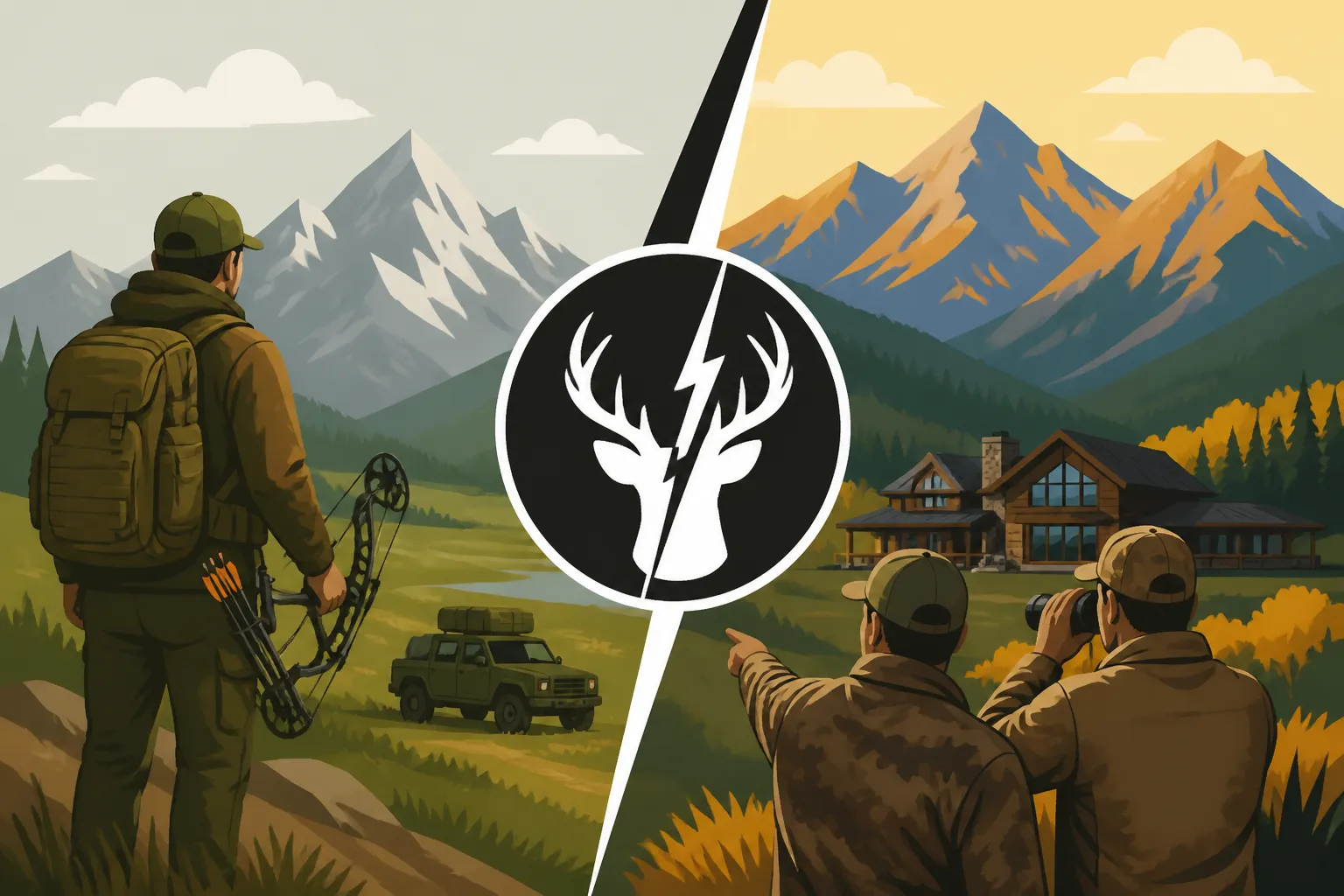
When you're trying to choose between a drop camp and a full-service guided hunt, it really boils down to balancing your budget, your desire for independence, and your tolerance for logistical challenges. These aren't just different price points; they're different philosophies of hunting.
Cost Analysis and Value
This is often the first and most significant differentiator for many hunters. A drop camp hunt is generally the more budget-friendly option, especially when compared to a fully outfitted guided experience. You're typically paying for the transportation of yourself and your gear, the rental of the camp setup (tent, stove, cots, cooking essentials), and the scheduled pack-out service. The price for a drop camp might range from $1,500 to $3,500 per person for a 5-7 day hunt, depending on the outfitter, location, and the amenities provided. This cost makes a remote backcountry experience accessible without the financial commitment of a guide. The "value" here is the logistical hurdle removed – you get into prime areas without the incredible effort of packing in a full camp yourself.
A full-service guided hunt, on the other hand, is a premium experience and is priced accordingly. Costs can range from $5,000 to $15,000+ per person for a 5-7 day hunt, sometimes even more for top-tier trophy hunts or extended excursions. This price includes the guide's expertise, all meals, comfortable lodging, transportation during the hunt, and the critical assistance with game recovery. The value here is the comprehensive support system – you're paying for local knowledge, scouting, increased success odds, safety, and a significantly reduced physical burden. For many, the peace of mind and the chance to truly focus on the hunt without worrying about logistics justify the higher price tag. Keep in mind that these prices don't usually include your hunting license or tags, which are additional expenses. If you're looking for a deeper dive into financial planning, our article on How Much Does a Colorado Elk Outfitter Cost might be helpful.
Level of Independence and Challenge
This distinction lies at the heart of the drop camp vs. guided hunt debate. It speaks to what you want out of your hunting experience: how much control, how much challenge, and how much self-reliance.
With a drop camp, you are the master of your own destiny, at least within the confines of your remote camp. Once the outfitter leaves, it's just you (and your hunting partners) against the wilderness. You decide when to wake up, where to hunt, what calls to use, and when to return to camp. This offers an immense sense of personal accomplishment and satisfaction when you're successful. The challenge is immense, too: you're solely responsible for navigating vast terrain, finding elk on your own, making ethical shot decisions, and then processing and packing your game back to camp. This level of independence requires significant hunting experience, outdoor skills, and confidence in your own abilities. It’s a truly immersive, do-it-yourself experience, augmented only by the essential transportation and shelter. If you're a seasoned DIY hunter, this might be your preferred level of independence, and you might appreciate resources like Colorado DIY Elk Hunting Guide.
A full-service guided hunt inherently involves a lesser degree of independence. While reputable guides will always solicit your input and preferences, the ultimate decisions about where and how to hunt are often made by the guide. You're relying on their experience and scouting. This means less personal control over the minute-by-minute decisions of the hunt, but it also means less pressure and fewer complex logistical challenges. The challenge shifts from "how do I find these elk and get them out?" to "can I make the shot when the guide puts me on an animal?" For some, this trade-off is well worth it, as it allows them to focus intensely on the act of hunting and the thrill of the chase, rather than getting bogged down in navigation or meal prep. It streamlines the entire process, removing many of the variables that can make a hunt frustrating for less experienced individuals.
Logistical Support and Comfort
The level of logistical support and the resultant comfort are starkly different between these two options, heavily influencing the overall hunting experience.
In a drop camp, the logistical support is primarily focused on access and basic shelter. The outfitter gets you and your gear into a remote location and provides a sturdy, weather-resistant camp (usually a wall tent with a stove and cots). Beyond that, you are responsible for everything else. This means cooking all your meals, managing your camp, fetching water, processing and cooling any game you harvest, and hauling it back to your camp for eventual pack-out. Comfort, while greater than sleeping directly under the stars, is still rustic. You're in a tent, exposed to the elements, and amenities are minimal. The idea is to provide a base camp, but the daily grind and self-sufficiency are still very much part of the deal. If you're passionate about setting up your own wilderness home, understanding How to Set Up a Colorado Drop Camp will be essential.
A full-service guided hunt provides an extensive network of logistical support designed to maximize your comfort and minimize your worries. This often includes transportation from a designated meeting point, daily transport to and from hunting areas, expertly prepared meals (sometimes even by a dedicated camp cook), comfortable lodging (which could be anything from a heated wall tent to a cozy lodge with hot showers), and full assistance with animal recovery and field care. Imagine returning from a long, cold day of hunting to a warm, dry camp, a hearty dinner, and someone else handling all the chores. This level of support allows you to conserve your energy for hunting and enjoy the experience without the added stress of daily camp management. The focus shifts entirely to the hunt itself, as all other necessities are taken care of, creating a much more relaxed and focused atmosphere.
Success Rates and Expectations
It’s natural to wonder about the chances of success with each option, but it's crucial to approach this with realistic expectations. Neither a drop camp nor a guided hunt guarantees a harvested animal.
With a drop camp, your success hinges almost entirely on your own skills, preparation, and a bit of luck. Outfitters for drop camps will typically place you in an area known for elk activity, but they won't tell you where the elk are hiding that day. Your ability to scout, track, call, navigate, and make good decisions in the field directly correlates to your success. Experienced hunters who are proficient in all these aspects might achieve comparable success rates to guided hunters, especially in less pressured, truly remote areas accessible only by pack stock. However, for hunters with less experience, the absence of a guide can significantly lower their odds, as they might miss subtle signs or make tactical errors that a seasoned guide would avoid. Expect a true challenge, where success is deeply rewarding because it's all on you.
For a full-service guided hunt, the expectation for success is generally higher, and indeed, reported success rates from reputable outfitters often reflect this. Guides invest heavily in scouting, have intimate knowledge of their areas (both public and private), and can adapt strategies on the fly based on current elk behavior and weather conditions. They put you in the best possible position to encounter game and make a successful shot. However, it’s vital to manage expectations. Even the best guides cannot control the weather, elk movement, or your shooting ability. A "successful" guided hunt might mean presenting opportunities for shots, even if the hunter doesn't capitalize on them. Furthermore, "success" can be defined differently – some outfitters tout shot opportunity rates, while others focus on harvest rates. Always clarify what an outfitter means by "success rate" and remember that ethical hunting means no guarantees. The value here isn't just a higher chance of success, but also a greatly enhanced overall hunting experience due to the guide's expertise and support.
Making Your Decision: A Hunter's Guide
Choosing between a drop camp and a full-service hunt isn't just about comparing services; it's about looking inward and honestly assessing your own capabilities, desires, and resources. There's no single "best" option; only the best option for you.
Assessing Your Experience and Skills
Before you even start looking at prices, take a good, hard look in the mirror about your own hunting acumen. Be brutally honest with yourself – this isn't the time for bravado.
First, consider your hunting experience. Have you successfully hunted elk before, especially in challenging, mountainous terrain? Do you understand elk behavior, their vocalizations, and how to track them? If your experience is primarily in whitetail deer hunting from a treestand, transitioning to spot-and-stalk or calling elk in vast Colorado wilderness is a significant leap. A drop camp demands that you possess, or quickly acquire, these skills. A guided hunt, conversely, can bridge this knowledge gap.
Next, evaluate your outdoor and wilderness skills. Are you proficient with navigation using a map, compass, and GPS (or a hunting app like GoHunt that offers detailed maps and data layers)? Can you confidently identify edible plants (or more importantly, avoid poisonous ones)? Are you comfortable setting up a safe camp, building a fire, and purifying water? What about first aid in a remote setting? In a drop camp, you are the primary problem-solver for any wilderness emergencies.
Finally, be realistic about your physical fitness and mental toughness. Colorado elk hunting, even with a guide, is demanding. At high altitudes (often 8,000-11,000 feet), every step takes more effort. Can you hike steep grades for hours on end with a pack? Are you prepared to quarter and pack out an animal in challenging conditions? Drop camps require a higher level of sustained physical and mental exertion, as all field chores fall to you. A guided hunt can mitigate some of this, especially the pack-out, but you still need to be in good enough shape to keep up with your guide. Our article on Altitude Training for Colorado Hunting offers some excellent advice for getting ready.
Budgeting for Your Colorado Adventure
Once you've honestly assessed your skills and experience, it's time to talk numbers. Budgeting for a Colorado hunt, whether drop camp or guided, involves much more than just the outfitter's fee. You need to account for a multitude of expenses to avoid any nasty surprises.
For a drop camp hunt, while the outfitter's fee is lower, remember to factor in the cost of your license and tags (which can be substantial, especially for non-residents), travel expenses (flights, gas, vehicle rental), food for your stay (beyond what might be minimally provided), personal hunting gear (optics, clothing, boots, backpack – perhaps even an extensive Colorado Backcountry Hunting Gear List), meat processing, and potential taxidermy. Don't forget gratuities for the wranglers who pack you in and out; they work incredibly hard. Even a "budget-friendly" drop camp can easily cost several thousand dollars once all these elements are included.
For a full-service guided hunt, the outfitter's fee will be the largest line item, but the other costs still apply. Your license and tags, travel, and personal gear are still your responsibility. However, the costs for food during the hunt are typically included, as is the field care and packing out of your animal. You'll still need to budget for meat processing and taxidermy. Gratuities for your guide and any camp staff are also a significant expectation, often 10-20% of the hunt cost, and it's essential to factor this in. While a guided hunt streamlines many expenses into one package, the total financial outlay is considerably higher. Always get a detailed list of what's included and what's not from any outfitter you're considering to avoid hidden costs.
Researching and Booking the Right Outfitter
Finding the right outfitter, whether for a drop camp or a full-service hunt, is paramount to a successful and enjoyable experience. This isn't a decision to be rushed; thorough research is key.
Start by looking for outfitters with a solid reputation. Websites like BookYourHunt or GoHunt can be excellent starting points, offering listings and sometimes reviews from other hunters. Don't stop there, though. Dive deep into online forums, social media groups, and hunting communities for independent feedback. Look for consistent positive reviews and pay attention to how outfits handle negative ones.
When you've narrowed down your choices, contact multiple outfitters. Ask detailed questions:
- What exactly is included in the price?
- What are their success rates (and how do they define success)?
- Can they provide references from past clients, particularly from the previous 1-2 seasons? Always call these references and ask specific questions about their experience.
- What are their policies on cancellations, deposits, and refunds?
- How do they handle game recovery and meat care?
- What gear should you bring, and what do they provide?
- What's their philosophy on hunting? Do they cater to your preferred style?
For drop camps, inquire about the quality of their gear, the locations they use, and their safety protocols. For guided hunts, ask about the guide-to-hunter ratio, the experience level of the guides, and their communication style. Remember, a good outfitter will be transparent and happy to answer all your questions. Don't hesitate to ask for a copy of their contract before committing. Our guide on How to Choose a Colorado Hunting Outfitter provides even more in-depth tips for this crucial step.
Navigating the Colorado Draw and Tags
The Colorado hunting system, particularly for elk, is complex, and how you acquire your tags can heavily influence whether a drop camp or a guided hunt is a more viable option.
How Outfitter Services Interact with Tag Acquisition
This is a critical, often misunderstood, aspect of hunting in Colorado. The state's draw system means that many of the most desirable tags are allocated through a lottery process based on preference points.
For drop camps, you are almost always responsible for acquiring your own tags through the standard Colorado Parks and Wildlife (CPW) draw system. This means applying for tags, accumulating preference points if necessary, and hoping to draw the specific unit and season you wish to hunt. Drop camps typically serve hunters who have already secured their tags and need logistical support for a hunt they've planned themselves. The outfitter usually has no direct influence over your tag acquisition beyond potentially advising you on good units that are easier to draw or offer Over-the-Counter (OTC) opportunities.
For full-service guided hunts, the interaction with tag acquisition can be more varied and often simpler for the hunter. Many outfitters operate on private land or have access to it, and some private landowners are allocated "landowner vouchers" that can be purchased. These vouchers can sometimes bypass the draw system or significantly reduce the preference points needed to draw a coveted tag, especially for non-residents. This is a huge advantage for hunters who want to avoid the uncertainty and waiting game of the draw. Some outfitters even offer hunts that are exclusively on private property, where the tags are guaranteed (though often at an additional cost). It's essential to clarify with any prospective outfitter whether they can assist with tag acquisition, whether tags are guaranteed, and if so, what the additional costs are. This can simplify your planning immensely, especially if you're targeting a high-demand unit. Our detailed guide on Colorado Landowner Vouchers Explained can offer more insights here.
OTC vs. Draw Tags and Your Outfitter Choice
The type of tag you're targeting significantly impacts which outfitter service might be the best fit for your Colorado adventure.
Over-the-Counter (OTC) tags are licenses that can be purchased without going through the draw, typically available for specific seasons (like most archery elk seasons and some second and third rifle seasons for bull elk). These tags are a fantastic option for hunters who are either unsuccessful in the draw, make a last-minute decision to hunt, or prefer the simplicity of guaranteed access. OTC units often see higher hunter pressure, but they also offer vast public land opportunities. A drop camp is an excellent choice for an OTC hunt. You've secured your tag easily, and now you just need a way to get deep into public land areas to escape the crowds. Many drop camp outfitters specialize in offering access to these types of units, helping you find those remote pockets where elk might be less pressured.
Draw tags, on the other hand, are required for most antlered mule deer hunts, all moose, sheep, and goat hunts, and many of the most desirable elk units (especially for bull elk in first and fourth rifle seasons, or any-sex archery tags in certain units). These tags require applying through the CPW draw, often building up preference points over several years. If you're targeting a premium unit that requires 5, 10, or even 20+ points, you've invested significant time and effort into that tag. In such a scenario, a full-service guided hunt often becomes the preferred choice. Why? Because after spending years accumulating points for a coveted tag, you want to maximize your chances of success. A guide's intimate knowledge of these highly-sought-after units, their pre-scouting efforts, and their ability to put you on trophy animals provide the best possible return on your investment of preference points. It's about making sure that hard-won tag doesn't go to waste. If you're deep into understanding the draw, be sure to check out our Colorado Big Game Draw Deadlines article.
| Feature | Colorado Drop Camp Hunt | Full-Service Guided Colorado Hunt |
|---|---|---|
| Cost (per person) | Lower ($1,500 – $3,500+) | Higher ($5,000 – $15,000+) |
| Guide in Field | No | Yes (typically 1:1 or 1:2 hunter:guide ratio) |
| Logistical Support | Pack in/out, basic camp (tent, stove, cots) | All inclusive: guide, lodging, meals, transport, game recovery |
| Meals | Self-cooked | Prepared by outfitter/cook |
| Lodging | Wall tent, primitive backcountry camp | Wall tent, cabin, lodge (varied comfort levels) |
| Independence | High (you plan & execute the hunt) | Low (guide leads the hunt) |
| Skills Required | High (navigation, elk behavior, field care, self-reliance) | Moderate (focus on shooting, physical fitness) |
| Physical Exertion | High (especially game recovery) | Moderate (guide assists with heavy tasks) |
| Success Rate Potential | Depends heavily on hunter's skill & experience | Generally higher due to guide's expertise |
| Tag Acquisition | Hunter responsible for own draw/OTC tags | Hunter responsible, but outfitter may offer vouchers/private land tags |
| Ideal For | Experienced, fit, DIY-minded groups/individuals | First-timers, less experienced, seeking comfort/high odds, trophy hunters |
Final Thoughts on Your Colorado Hunt
Choosing between a drop camp and a full-service guided hunt for your Colorado adventure is a deeply personal decision, one that reflects your hunting philosophy, your experience, and your financial situation. There's no right or wrong answer, only the answer that's perfect for you and your unique goals.
If you're an experienced, self-reliant hunter who thrives on challenge and cherishes independence, a drop camp can provide an incredibly rewarding and cost-effective way to access remote elk country. It's about proving yourself against the wilderness, with just enough logistical support to make the endeavor feasible. It's a true test of skill and grit, and the satisfaction of success earned entirely on your own terms is unparalleled. For many, this offers the perfect blend of backcountry immersion and practical assistance, and resources like Colorado Backcountry Hunting Guide can help you prepare.
Conversely, if you're new to Western hunting, have limited time, prioritize comfort, or simply want to maximize your chances of success by leveraging expert knowledge, a full-service guided hunt is an investment that can pay dividends in experience and opportunity. It allows you to learn from the best, focus solely on the hunt, and truly enjoy the majesty of Colorado's mountains without the burden of constant logistics. It's an opportunity to create lasting memories with minimal stress, whether you're targeting your first elk or a trophy bull.
No matter which path you choose, proper preparation is key. Research your outfitter diligently, understand all costs, get yourself in peak physical condition, and equip yourself with the right gear. Colorado elk hunting is an experience of a lifetime. By making an informed decision about your outfitter service, you're setting the stage for an unforgettable adventure in the heart of the Rocky Mountains.
Disclaimer
Please remember that hunting regulations, fees, and season dates in Colorado can change. Always consult the official Colorado Parks and Wildlife (CPW) website and regulations brochures for the most current and accurate information before planning any hunt. This guide is for informational purposes only and does not constitute official advice.