Best Colorado GMUs for a First Elk Hunt
Embarking on your first elk hunt in Colorado can feel like staring at a mountain range and wondering which peak to climb first. The sheer number of Game Management Units (GMUs), coupled with varying terrain, elk densities, and hunter pressure, makes choosing the right spot incredibly daunting for a beginner. This guide aims to cut through that overwhelm, helping you identify accessible, manageable GMUs perfect for gaining crucial experience on your inaugural Colorado elk adventure.
The Overwhelming Choice: Why Picking a GMU is Tough for New Hunters
Let's be honest, the Colorado elk hunting landscape is vast and complex. You're not just picking a spot on a map; you're trying to decode a system of regulations, terrain, and elk behavior that can take years to master. For a new hunter, or someone new to Colorado, the initial research can be paralyzing. You might be poring over maps, trying to understand what makes one unit "good" versus another, and often getting conflicting advice from forums or well-meaning friends. The truth is, what makes a GMU "good" often depends on your experience, fitness, and hunting style. For a first-timer, the goal isn't necessarily a monster bull, but a solid learning experience and a reasonable chance at success.
Decoding Colorado's GMU System
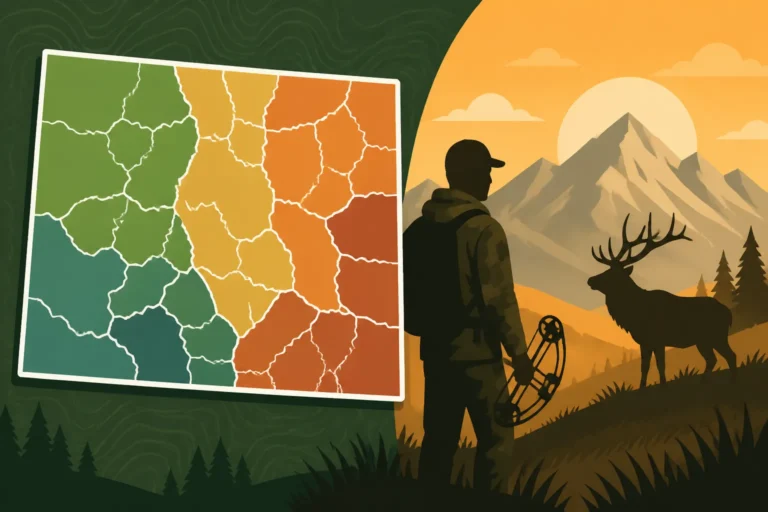
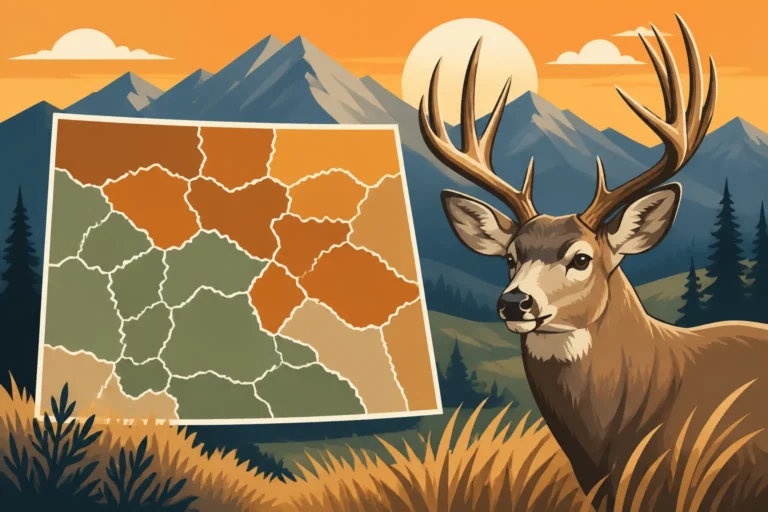
Colorado's system of Game Management Units, or GMUs, is the backbone of its hunting regulations. Each GMU is a distinct geographical area with its own specific rules regarding seasons, tag types, and species. This is where things get tricky, as an elk tag in one unit might be Over-the-Counter (OTC) for a rifle season, while a unit right next door might require a decade's worth of preference points. Understanding the basic premise of how Colorado Hunting Units (GMUs) Explained is your foundational first step. These units are designed to manage wildlife populations effectively, distributing hunters and controlling harvest rates to ensure healthy herds across the state. They vary wildly in size, topography, and public land accessibility, from vast wilderness areas to checkerboard private/public lands.
The Learning Curve of Mountain Hunting
Beyond the paperwork and regulations, mountain hunting in Colorado presents a significant physical and mental challenge. For a first-time elk hunter, especially if you're coming from flatter, treestand-oriented whitetail country, the sheer scale of the landscape is a shock. The elevations can be punishing, the weather unpredictable, and the elk themselves are masters of their mountainous domain. You’ll quickly learn that a mile in the mountains is not the same as a mile at home. This isn't just about physical fitness; it's about learning to read the terrain, understand thermals, and develop strategies specific to chasing elk in vast, rugged environments. Many first-timers underestimate the physical toll, leading to hunts cut short or missed opportunities. Focusing on a GMU that allows for a less extreme introduction to these conditions can make all the difference.
Key Factors for Choosing a Beginner-Friendly GMU
When you're looking for your first Colorado elk hunting spot, you need to set realistic expectations. Forget the giant bull posters for a moment and focus on learning, experience, and a reasonable chance at putting meat in the freezer. A "beginner-friendly" GMU isn't necessarily where you'll find the biggest bulls, but where you'll find a good balance of elk numbers, manageable terrain, decent public access, and a community of hunters you can learn from (or at least not feel completely overwhelmed by).
High Elk Population and Success Rates
This is paramount. As a new hunter, you want to maximize your chances of seeing elk, even if you don't connect on a shot. High elk populations mean more opportunities to locate animals, practice your calling, and learn their behavior patterns. While no unit guarantees success, choosing one known for robust elk numbers will significantly improve your odds over units where elk are sparse and heavily pressured. Look for units that consistently show high hunter success rates, even if many of those tags are for cow elk. For a first timer, punching a cow tag is a huge victory and an incredible learning experience. Don't be afraid to target an antlerless tag if it significantly boosts your chances; it's all about gaining confidence and experience.
Accessible Public Land with Manageable Terrain
While the idea of a deep backcountry hunt is romantic, it's probably not the best choice for your very first time out. Look for GMUs with a good mix of public land access – think National Forests and BLM lands – that isn't exclusively designated as wilderness or roadless areas. Access points from established trailheads, forest service roads, or even areas that allow ATV/UTV use (where legal) can make packing in and out much easier. More importantly, seek out units where the terrain, while still mountainous, isn't constantly above 10,000 feet with extreme vertical gains. Gradual slopes, timbered benches, and accessible drainages will allow you to focus on hunting rather than just surviving the mountain. Being able to access different areas without an extensive pack-in can be a game-changer. You want a unit where you can practice your Colorado Backcountry Hunting Guide skills without being completely isolated miles from your truck.
OTC Tags and Low Preference Point Requirements
For many first-time Colorado elk hunters, securing a tag is the first hurdle. Over-the-Counter (OTC) elk tags are your golden ticket here, offering direct access without navigating the complex Colorado draw system and preference points. These are generally available for specific archery and some second and third rifle seasons in many units. If you're willing to go the draw route, target units that require very few, or even zero, preference points for either-sex or cow tags. This gives you a much higher probability of drawing a tag in your chosen unit. Understanding Colorado OTC Elk Tags Explained will be invaluable in this process. Avoiding units that demand years of points frees you up to hunt sooner and focus on the practical aspects of your first hunt.
Top Colorado GMUs Recommended for First-Time Elk Hunters
While "best" is subjective and can change yearly with elk movements and regulations, certain GMUs historically offer a good balance for newcomers. These units typically feature substantial public land, decent elk densities, and terrain that, while challenging, isn't immediately soul-crushing for someone getting their mountain legs. Remember, always verify the most current regulations with Colorado Parks and Wildlife (CPW) before making any plans, as rules and OTC availability can change.
The Northwest Region: A Classic Choice
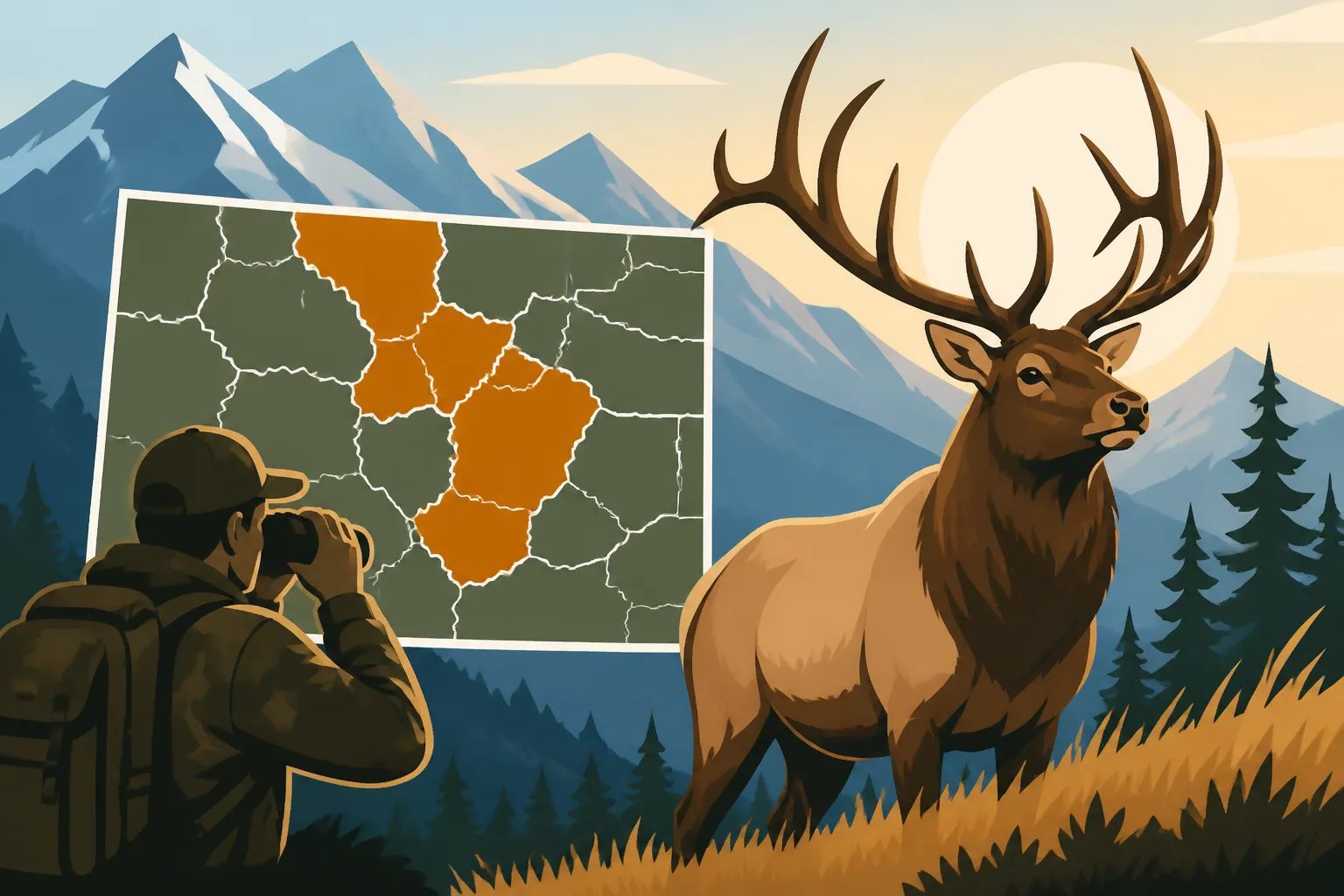
Northwest Colorado is often lauded for its robust elk herds and vast expanses of public land. GMUs in this region, particularly those around the White River National Forest, have some of the highest elk populations in the state. Units like GMU 12, GMU 23, GMU 24, and GMU 33 are frequently mentioned for their OTC opportunities during certain seasons and their generally good elk numbers.
- GMU 12, 23, 24: These units, especially parts of the Flat Tops Wilderness and surrounding national forest lands, are quintessential elk country. They hold a lot of elk, which means more opportunities to encounter them. The terrain can be rugged but also offers plenty of benches, drainages, and timbered areas that are accessible from various trailheads or forest service roads. While popular, there's enough country to spread out, especially if you're willing to put in a little extra hiking away from immediate access points. You can even find areas suitable for Colorado DIY Elk Hunting Guide. During the second and third rifle seasons, these areas often have OTC tags for antlered or either-sex elk, making them highly attractive. However, be prepared for company; these aren't secret spots, but the sheer volume of elk can make up for the increased hunter pressure.
- GMU 33: Located further east, GMU 33 also boasts good elk numbers and a significant amount of public land in the Routt National Forest. It's a diverse unit, with timbered slopes, open parks, and varying elevations. Similar to the other units, it offers OTC tags for certain seasons and is a solid choice for a first-timer looking for a good chance at seeing elk. The access here can be a bit more varied, offering everything from easy-to-reach areas to more challenging backcountry terrain if you feel ambitious.
The Southwest Region: Rugged Beauty with Elk
Southwest Colorado, with its stunning San Juan Mountains, also offers excellent elk hunting, though often with more challenging terrain than the northwest. However, some units here can still be viable for a beginner, especially if you're physically prepared and looking for a slightly different experience.
- GMU 62: This unit, located near Montrose, combines a good elk population with a mix of national forest and BLM land. While there are some rugged areas, it also features more rolling hills and accessible plateaus, particularly on the Uncompahgre Plateau. OTC options are often available, and the diverse habitat means elk can be found in a variety of cover types. This can be a great unit for learning How to Find Elk on Public Land Pressure, as elk here often use varied terrain to escape pressure.
- GMU 70: Situated near Norwood and Telluride, GMU 70 offers a blend of mountain and mesa terrain. It's known for having a healthy elk population and extensive public land in the Uncompahgre National Forest. While it can be challenging, there are plenty of spots where hunters can find more moderate slopes and good timber cover. Success rates are often respectable, making it a contender for those seeking an entry point into southwestern Colorado elk hunting.
Comparison of Beginner-Friendly GMUs
| GMU Region | Primary GMUs Highlighted | Key Characteristics for Beginners | Potential Challenges | OTC Tag Availability (General) |
|---|---|---|---|---|
| Northwest | 12, 23, 24, 33 | High elk populations, good public land, diverse terrain, some easier access | Can be popular/pressured, rugged in spots | Archery, 2nd & 3rd Rifle |
| Southwest | 62, 70 | Good elk populations, mixed terrain, often less pressure than NW in some spots | More rugged overall, higher elevations in parts | Archery, 2nd & 3rd Rifle |
Note: OTC availability can vary yearly for specific seasons and species. Always confirm with CPW.
Practical Steps for Scouting Your Chosen GMU
Once you've narrowed down your choices, the real work begins. E-scouting and pre-season planning are critical, especially for a first-time hunter. This isn't just about looking at maps; it's about immersing yourself in the details of your chosen unit, understanding its topography, access points, and potential elk hotspots before you even set foot in Colorado.
Leveraging Digital Tools for E-Scouting
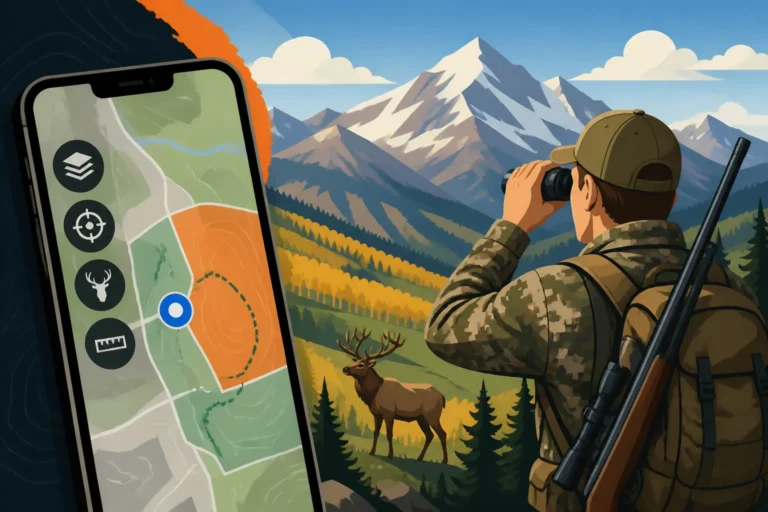
In today's age, digital mapping applications are your best friend. Tools like onX Hunt or GoHunt are indispensable for How to E-Scout Before a Colorado Hunt. These platforms allow you to:
- Identify Public/Private Land Boundaries: This is crucial in Colorado. You don't want to accidentally trespass, and these apps clearly delineate public (National Forest, BLM, State Trust Land) from private property.
- Analyze Topography: Look at contour lines to identify benches, saddles, drainages, and ridges – classic elk holding and travel areas. Pay attention to north-facing slopes, which often hold dense timber and cooler temperatures, making them prime bedding areas.
- Locate Water Sources: Elk need water daily. Identify perennial streams, springs, wallows, and stock tanks. These can be excellent ambush points or indicators of elk presence.
- Map Access Points: Find trailheads, forest service roads, and parking areas. Plan your routes in from various points and estimate travel times and elevation gains.
- Study Satellite Imagery: Look for timber types (dense dark timber versus open parks), natural clearings, burns, and recent logging activity. These features influence elk movement and feeding patterns. onX Hunt, in particular, offers detailed satellite and topo maps that are invaluable for this kind of reconnaissance.
Spend hours (yes, hours!) virtually exploring your chosen GMU. Drop pins on potential bedding areas, feeding zones, water, and escape routes. Think about how elk would move through the landscape based on wind, thermals, and hunter pressure. This detailed e-scouting will save you countless hours on the ground and give you a significant advantage.
Understanding Access and Hunter Pressure
Colorado's public lands are a shared resource, and during popular seasons, hunter pressure can be significant, especially in easily accessible areas. As you e-scout, consider how you'll manage this.
- Roadless Areas: Even in "accessible" GMUs, consider pushing a little deeper into roadless areas, even if it's only a mile or two from a trailhead. Many hunters won't venture far from their vehicles, so a short hike can often get you into less pressured elk country.
- Glassing Opportunities: Identify large basins or open slopes where you can sit and glass for extended periods. This passive scouting method can reveal elk movement patterns without disturbing the animals. Good optics are crucial here.
- Timing is Everything: Understand that elk patterns can change quickly with hunter pressure. What they do early in the season might be different by the second rifle season. Be prepared to adapt. If you're hunting an OTC rifle season, expect to encounter other hunters. Having a plan for How to Hunt Elk on Public Land Pressure is vital for success.
Developing a Contingency Plan
Even the best-laid plans can go awry in the mountains. Weather can turn on a dime, elk can move unexpectedly, or you might find your planned area overrun with other hunters.
- Backup Areas: Always have a few backup areas within your chosen GMU, or even a secondary GMU in mind, especially if you have an OTC tag. If your primary spot isn't producing, or if it's too crowded, you'll want alternative places to explore.
- Weather Preparedness: Be ready for anything from warm, sunny days to snowstorms in September or October. Layering is key, and your Best Colorado Elk Hunting Gear should reflect this variability.
- Physical Conditioning: While we're talking "beginner-friendly," Colorado is still challenging. Don't neglect your physical preparation. Working on your cardio and leg strength months before your hunt will make a monumental difference in your enjoyment and success. Check out resources on How to Physically Prepare for Colorado Elk to ensure you're ready. Even if you choose a GMU with more manageable terrain, you'll still be covering ground at elevation.
Remember, your first elk hunt is about the journey as much as the outcome. It's about learning, adapting, and experiencing the incredible beauty and challenge of hunting in Colorado. Choosing the right GMU sets the stage for a positive, educational experience that will lay the groundwork for many successful hunts to come.
Disclaimer
Hunting is an inherently dangerous activity. This guide provides general information and recommendations for choosing a Colorado GMU for a first elk hunt. Hunting regulations, elk populations, and conditions can change. Always consult the most current Colorado Parks and Wildlife (CPW) regulations, acquire necessary licenses and tags, and prioritize safety. Ethical hunting practices and respect for wildlife and the land are paramount.