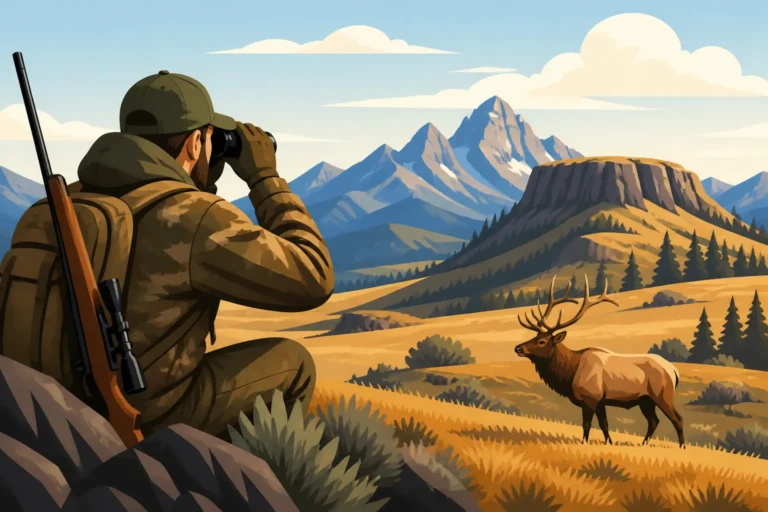
Hunting the Uncompahgre National Forest
Trying to figure out where to chase big game in Colorado can feel like staring at a massive, intricate puzzle. You've heard whispers about the Uncompahgre National Forest, its towering peaks, dense timber, and sprawling plateaus, but piecing together a solid hunt plan feels daunting without knowing the lay of the land. This comprehensive guide will peel back the layers of the Uncompahgre, helping you understand its diverse terrain, what game it holds, and how to approach a successful hunt in this iconic Colorado landscape.
The Uncompahgre National Forest at a Glance
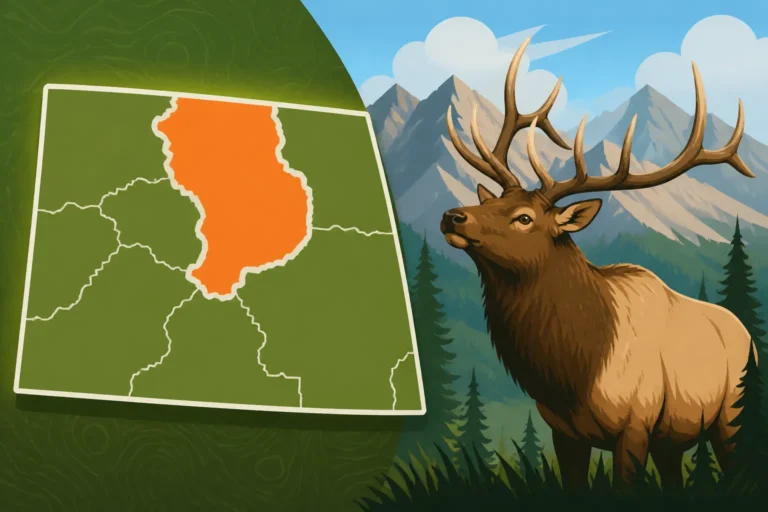
The Uncompahgre National Forest, often just called "the Unc" by those who know it, is a true jewel in Colorado's crown, especially if you're a hunter. It sprawls across significant portions of southwestern Colorado, touching counties like Montrose, Ouray, San Miguel, and Gunnison. This isn't just one type of landscape; it's a dynamic tapestry of ecological zones, from the semi-arid pinyon-juniper foothills to subalpine forests and rugged alpine tundra that pierce the sky above 14,000 feet.
Geographical Footprint and Key Features
Imagine an area that stretches from just west of Montrose, sweeps south past Ouray, and west towards Norwood and Telluride. That's the vastness of the Uncompahgre. Its sheer size, encompassing over a million acres, means incredible diversity. You'll find everything from the sagebrush-covered mesa tops of the Uncompahgre Plateau to the dramatic, jagged peaks of the San Juan Mountains and the steep canyons carved by ancient rivers.
One of its defining features is the Uncompahgre Plateau itself, a massive, uplifted block of land that offers a mix of ponderosa pines, aspens, and open parks. As you move south, the terrain becomes more mountainous, characterized by dense spruce-fir forests, expansive alpine basins, and the tell-tale signs of high-altitude wilderness. Elevations within the Uncompahgre can range from around 6,000 feet in the lower valleys to over 14,000 feet on peaks like Mount Sneffels. This extreme elevation change dictates everything from vegetation to animal behavior, making scouting and physical preparation paramount. The climate varies just as wildly; while lower elevations might be mild in early fall, the high country can see significant snowfall even by late September, completely changing hunting conditions overnight.
Primary Game Species
When hunters talk about the Uncompahgre, one animal usually comes to mind first: the elk. This forest is home to some of Colorado's largest elk herds, drawing hunters from across the nation seeking a chance at a bull or a cow. The sheer number of elk, coupled with the challenging terrain, makes for an incredible hunting experience. Beyond elk, the Uncompahgre also supports a healthy population of mule deer, particularly in the lower and mid-elevation areas where they can find a mix of browse and cover. Targeting a mature mule deer buck here can be a serious test of skill and endurance.
Black bears are also common throughout the forest, often following elk and deer populations, especially during the fall when they're gorging on berries and mast crops to prepare for winter. While not as numerous or large as elk and deer, various small game species like dusky grouse and cottontail rabbits can also be found. If you're planning a trip to the Uncompahgre, your primary focus will likely be on elk or mule deer, but always be aware of the other incredible wildlife sharing the landscape. For a more general overview of opportunities, check out our comprehensive guide to Colorado Big Game Species Guide.
Planning Your Uncompahgre Hunt
Planning a hunt in a vast area like the Uncompahgre National Forest requires meticulous research and a clear understanding of Colorado's unique hunting regulations. It’s not just about picking a spot on a map; it's about matching your hunting style and target species with the right units, seasons, and access points.
Understanding GMUs and Access
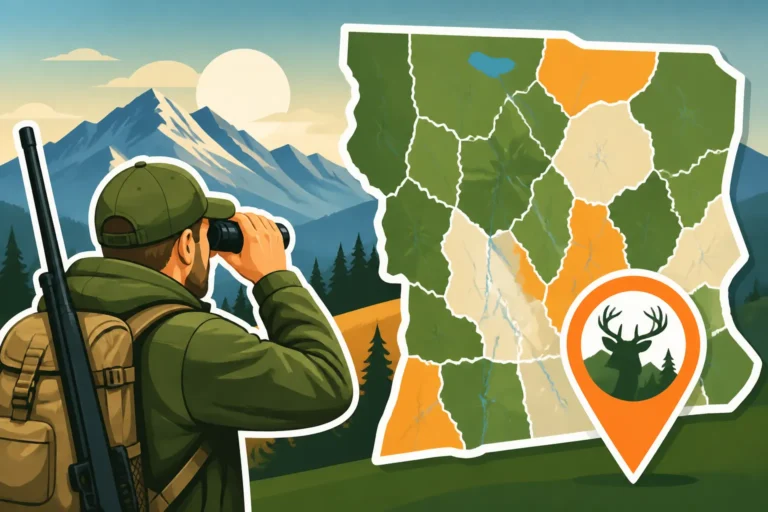
The Uncompahgre National Forest is not a single hunting unit; it spans multiple Game Management Units (GMUs), each with its own specific regulations, draw odds, and characteristics. You’ll find portions of GMUs like 61, 62, 65, 70, 71, 74, 411, and 421 within its boundaries. Each of these units can offer different hunting experiences. For example, some units might be more roaded and accessible, while others plunge deep into designated wilderness areas like the Uncompahgre Wilderness, Mount Sneffels Wilderness, or Lizard Head Wilderness, demanding significant physical effort and backcountry expertise.
Public land access is generally excellent within the Uncompahgre, but knowing precisely where public land ends and private land begins is critical. This is where tools like onX Hunt become absolutely invaluable. By overlaying property boundaries directly onto satellite imagery and topographic maps, you can confidently navigate the terrain, avoid trespassing, and identify landlocked public parcels that other hunters might overlook. It's truly a game-changer for understanding access, especially in areas where checkerboarded ownership can make things confusing.
When considering access, think about the road systems. Many forest roads are seasonal, meaning they might close due to snow or mud, especially in the late fall. Some areas are accessible by ATV or UTV, but many of the best elk and deer haunts require boots on the ground, often miles from the nearest trailhead. This makes knowing how to plan for a Colorado DIY Elk Hunting Guide extremely important, as many of these areas are perfect for self-guided adventures.
Season Dates and Tag Considerations
Colorado’s hunting seasons are structured around specific dates for archery, muzzleloader, and several rifle seasons. For elk and mule deer in the Uncompahgre, you'll find opportunities in most of these seasons. However, getting a tag isn't always straightforward. Many of the most sought-after bull elk and trophy mule deer tags in prime Uncompahgre GMUs are allocated through Colorado's limited draw system, requiring several preference points for non-residents, and often for residents too.
If you’re looking to hunt elk and don't have a pile of preference points, you might be looking at over-the-counter (OTC) tags, which are typically available for archery elk seasons and often for the second and third rifle elk seasons in specific units. However, OTC units tend to see higher hunter pressure. For detailed information on specific season dates, tag availability, and draw odds, always consult the current Colorado Parks and Wildlife (CPW) hunting regulations brochure. Websites like GoHunt also provide excellent data analytics on draw odds, unit breakdowns, and harvest statistics, helping you make informed decisions about where to apply your hard-earned preference points or where to pursue an OTC opportunity. Understanding the Colorado Hunting Seasons Explained and Colorado OTC Elk Tags Explained will be fundamental to your success here.
Here's a simplified look at typical season structures for the Uncompahgre (always verify current year's dates with CPW):
| Season Type | Typical Dates (Approx.) | Tag Availability (Elk) | Notes |
|---|---|---|---|
| Archery | Late Aug – Late Sept | OTC Bull/Cow (Specific Units) / Limited Draw Bull/Cow | Generally good for hearing bugles; requires close proximity and stealth. |
| Muzzleloader | Mid-Sept | Limited Draw Bull/Cow | Short, specific season; often overlaps with peak rut for certain species; high demand for quality units. |
| 1st Rifle | Late Oct (5 days) | Limited Draw Bull/Cow | Often early snow, animals less pressured initially; high demand. |
| 2nd Rifle | Late Oct – Early Nov | OTC Bull/Cow (Specific Units) / Limited Draw Bull/Cow | Popular OTC option, higher hunter density; animals beginning migration. |
| 3rd Rifle | Mid-Nov | OTC Bull/Cow (Specific Units) / Limited Draw Bull/Cow | Can be cold, snowy; animals often on migration routes; good for glassing. |
| 4th Rifle | Mid-Nov | Limited Draw Bull/Cow | Late season, deep snow possible; often targets migratory animals in lower elevations; very high demand for quality units. |
(Note: "OTC Bull/Cow (Specific Units)" means Over-The-Counter tags for either-sex or antlerless elk, depending on the GMU and season, which are not available in every GMU within the Uncompahgre. "Limited Draw Bull/Cow" means these tags are only available through the lottery draw system and often require preference points.)
Strategies for Success in the Uncompahgre
Hunting the Uncompahgre is a unique challenge that combines rugged terrain, dense timber, and the unpredictable nature of mountain weather. To consistently find success, you need a strategy that blends thorough preparation with adaptable field tactics.
E-Scouting and Boots-on-the-Ground Prep
Before you ever set foot in the Uncompahgre, your hunt begins from behind a screen. E-scouting is critical for breaking down vast landscapes into manageable chunks. Start by poring over topographic maps and satellite imagery. Look for key features like saddles, benches, natural funnels, dark timber pockets adjacent to open feeding areas, and water sources. Identify potential bedding areas on north-facing slopes, and south-facing slopes that might hold early morning sun and feed. Tools like onX Hunt excel at this, allowing you to mark waypoints for potential glassing points, travel corridors, and escape routes. You can spend hours identifying areas that are just too steep, too dense, or too exposed, saving yourself valuable time and energy in the field. To truly master this, consider our guide on How to E-Scout Before a Colorado Hunt.
Once you've narrowed down some promising areas through e-scouting, the next step is boots-on-the-ground preparation, if feasible. This might involve a summer scouting trip to verify what you saw on the map, looking for sign, trails, and water. If a physical scouting trip isn't possible, seek out local knowledge or recent reports from reliable sources. Even without a pre-season visit, arriving a few days early before your hunt to do some "speed scouting" can make a huge difference, helping you acclimate to the elevation and verify your e-scouting intel.
Hunting Specific Terrain and Cover
The Uncompahgre's varied terrain means you can't rely on a single hunting method. You'll need to adapt to what the landscape presents and what the animals are doing.
- High-Country Basins and Alpine: In the early seasons, especially archery, elk and deer often frequent the high-alpine basins above timberline. These areas demand long-range glassing tactics, often followed by grueling spot-and-stalk approaches. Animals here are less pressured but more exposed. Knowing How to Hunt Elk at High Elevation is paramount for these areas.
- Dark Timber: When the hunting pressure kicks in, or as the season progresses, elk will often retreat to the thick, dark timber. These dense spruce-fir stands offer thermal cover and security, making for extremely challenging hunting. Still-hunting slowly through these areas, or setting up ambushes along their known travel routes, can be effective. This is where you might employ tactics from our How to Hunt Elk in the Dark Timber guide.
- Transition Zones: Pay close attention to the edges where different habitats meet – timberlines, breaks between aspens and conifer forests, and the interface of thick cover with open meadows. These transition zones are often travel corridors and feeding areas, especially during low-light hours.
- Sagebrush and Pinyon-Juniper Flats: In the lower elevations, particularly on parts of the Uncompahgre Plateau, you'll find extensive sagebrush and pinyon-juniper country. This can be fantastic mule deer habitat and also holds elk during migration or later seasons. Glassing these expansive areas at dawn and dusk is key, followed by a strategic stalk.
The success of your hunt often boils down to patience, persistence, and an understanding of how elk and deer use the varied terrain of the Uncompahgre to their advantage.
Gear and Physical Preparation for the Uncompahgre
Hunting the Uncompahgre National Forest isn't a walk in the park; it's a demanding endeavor that will test your gear and your physical limits. Being properly equipped and in peak physical condition isn't just about comfort—it's about safety, endurance, and ultimately, success.
Essential Gear for Mountain Hunting
When you're packing for the Uncompahgre, think durability, versatility, and functionality. Your gear needs to withstand rapidly changing mountain weather, from warm sunshine to driving snow, sometimes all in the same day.
- Footwear: This is perhaps the most critical item. Invest in high-quality, waterproof, ankle-supporting boots. They should be well broken in long before your hunt. Brands like Kenetrek or Crispi are popular for a reason—they handle the rugged, steep, and often slippery terrain exceptionally well. Blisters can ruin a hunt faster than anything else.
- Layering System: Forget cotton. You need technical base layers (merino wool or synthetics), mid-layers for insulation (fleece or puff jackets), and a waterproof/windproof outer shell. This system allows you to adapt to temperature swings and stay dry, which is essential for preventing hypothermia in the mountains.
- Optics: Good binoculars (10×42 or 10×50 are common) and a spotting scope (if you plan on extensive glassing in open basins) are non-negotiable for finding game in the vast landscapes. A rangefinder is also crucial for ethical shot placement in steep terrain. For more on this, check out our guide on Best Optics for Colorado Big Game.
- Backpack: You'll need a robust pack capable of carrying all your daily essentials, plus extra layers, food, water, and emergency gear. More importantly, if you're lucky enough to harvest an animal, it needs to be able to comfortably haul heavy loads of meat out of the backcountry. Seek out packs from Kifaru, Mystery Ranch, or EXO Mtn Gear. Find more details on Best Backpack for a Colorado Elk Hunt.
- Navigation: While onX Hunt on your phone is excellent, always carry a physical map (USGS topographic maps are ideal) and a compass, and know how to use them as a backup. GPS devices are also reliable.
- Emergency Gear: A first-aid kit, fire starter, headlamp, emergency shelter, water filter, and enough food for an extra day are vital. The mountains are unforgiving if you get caught unprepared.
Physical Fitness for Rugged Terrain
The Uncompahgre National Forest is not for the faint of heart or the out-of-shape. The terrain is relentlessly steep, often loose underfoot, and the high altitude (many popular hunting areas are above 9,000 feet) will challenge even seasoned athletes. Lack of preparation can lead to exhaustion, injury, and a miserable hunting experience.
You absolutely need to put in the work beforehand. Start your fitness regimen months in advance, focusing on:
- Cardiovascular Endurance: Hiking with a loaded pack (30-50 lbs) on steep inclines, stair climbing, running, and cycling will build the necessary lung capacity. Simulating mountain conditions by hiking at higher elevations if possible is a huge advantage.
- Strength Training: Focus on your legs, core, and back. Squats, lunges, deadlifts, and core exercises will provide the strength needed for steep climbs and packing out heavy game.
- Altitude Acclimation: If you're coming from sea level, arrive in Colorado a few days early to acclimate to the elevation. Spend time at moderate altitudes (6,000-8,000 feet) before heading into the higher country. Drink plenty of water and avoid alcohol. This is so important, we have a specific guide on How to Physically Prepare for Colorado Elk and Altitude Training for Colorado Hunting.
Remember, your body is your most important piece of gear in the Uncompahgre. The better shape you're in, the further you can go, the longer you can stay, and the more safely and effectively you can execute your hunt. Don't skimp on this preparation—it truly makes all the difference.
Disclaimer
Hunting is an inherently dangerous activity that carries significant risks, including but not limited to injury, illness, or death. The information provided in this guide is for informational purposes only and should not be considered a substitute for professional instruction, thorough research, or adherence to all local, state, and federal hunting regulations. Always prioritize safety, respect wildlife, and obtain all necessary licenses and permits. Conditions in the backcountry can change rapidly; be prepared for all eventualities and understand your personal limitations.