Sawatch Range Hunting Guide
The vastness of Colorado's high country can feel utterly overwhelming when you're trying to pinpoint a prime hunting destination. It’s easy to get lost in a sea of maps and regulations, wondering where to even begin looking for elk and deer in such rugged terrain. This guide is designed to cut through that noise, focusing specifically on the incredible opportunities and unique challenges of hunting in the Sawatch Range, helping you plan a successful and rewarding backcountry adventure.
Understanding the Sawatch Range for Hunting
The Sawatch Range is a truly iconic part of Colorado, home to many of the state's highest peaks, including the formidable Mount Elbert, the highest point in Colorado. This isn't just pretty scenery; it means incredibly rugged, high-altitude terrain that demands respect and thorough preparation from any hunter stepping into its domain. Understanding its geography and the animals that call it home is your first step toward a successful hunt.
Geographic Overview and Unique Features
Stretching roughly from Leadville in the north down towards Salida and Saguache in the south, the Sawatch Range forms a significant portion of Colorado’s continental divide. It's characterized by its immense, rounded peaks, often referred to as "fourteeners" due to their elevation exceeding 14,000 feet. This isn't just a single ridge; it's a complex network of basins, cirques, timbered slopes, and vast alpine tundras. You'll find yourself navigating steep ascents and descents, often above tree line, where weather can change on a dime.
Within the Sawatch, you'll encounter several designated wilderness areas, such as the Collegiate Peaks Wilderness and the Holy Cross Wilderness. These areas are roadless, meaning motorized travel is prohibited, and access is primarily on foot or horseback. This creates a true backcountry experience, where hunter pressure can be significantly less the further you're willing to go. Expect a mix of spruce-fir forests giving way to vast aspen groves, eventually transitioning to krummholz and then open, rocky alpine tundra as you climb higher. Water sources are generally plentiful from snowmelt and natural springs, but always plan for filtration.
Primary Game Species and Their Habitat
When you consider hunting in the Sawatch, two species immediately come to mind: elk and mule deer. Both thrive in this environment, but understanding their specific preferences within this diverse landscape is key.
Elk: Colorado boasts the largest elk herd in the world, and a significant portion of that population can be found within the Sawatch Range's GMUs. During archery season and the early rifle seasons, especially during the rut, elk will be found higher up, often around the timberline in dark timber pockets, north-facing slopes, and benches where they can find cover and feed. As hunting pressure increases and colder weather sets in, they tend to drop to lower elevations, seeking out dense timber for security and south-facing slopes for warmth and forage. You'll find them using thick stands of conifer and aspen for bedding, often venturing into open parks and sagebrush hillsides to feed during the early morning and late evening. Understanding Colorado Elk Hunting Methods Explained can be invaluable here.
Mule Deer: Mule deer are also abundant and can be found throughout the Sawatch, often overlapping with elk habitat but sometimes preferring different terrain. Bucks, especially mature ones, love the rugged, high-country basins and rocky outcroppings above tree line during the summer and early fall. They'll frequent steep, broken terrain where they can use their incredible eyesight and stealth to disappear. As winter approaches and snow pushes them down, they move into transitional zones, utilizing bitterbrush and sagebrush flats on lower slopes for browse. When you're glassing the big basins, keep an eye out for those subtle movements that betray a mule deer's presence. To learn more about hunting this species, check out our Colorado Mule Deer Hunting Guide.
Black Bear: While not as numerous as elk or deer, black bears are present in the Sawatch. They are opportunistic feeders and will often be found in areas with good berry crops (like serviceberry, chokecherry, and huckleberry) in late summer and fall, or near dense timber. During hunting seasons, they can often be harvested on a deer or elk tag, or with a specific bear tag depending on the unit and season. If you're backpacking, proper food storage is paramount to avoid unwanted ursine visitors.
Planning Your Sawatch Range Hunt
Planning is half the battle when it comes to hunting the challenging Sawatch. This isn't a place you just show up to; it requires diligent research and a commitment to physical readiness.
Researching GMUs and Regulations
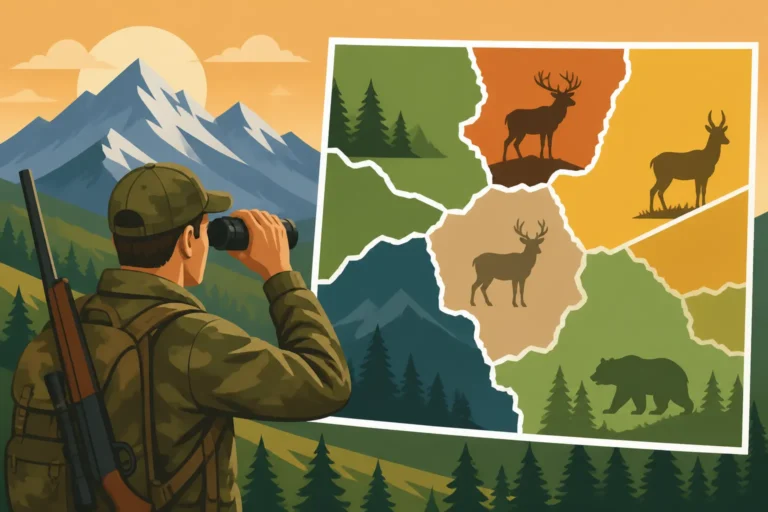
Colorado's Game Management Units (GMUs) are the backbone of its hunting regulations, and the Sawatch Range encompasses multiple units, each with its own quirks. You need to identify the specific GMUs that cover the areas you're interested in, as tag availability (draw vs. Over-The-Counter or OTC), season dates, and even specific antler point restrictions can vary significantly. Some units are heavily drawn, requiring multiple preference points, while others might offer more accessible OTC opportunities, particularly for archery elk or later rifle seasons.
Start by consulting the current Colorado Parks and Wildlife (CPW) big game brochure – it's your Bible. Pay close attention to unit boundaries, season structures, and success rates. Online tools like GoHunt can be incredibly helpful for analyzing draw odds and understanding unit data, saving you countless hours. Don't just look at the overall unit; zoom in on areas within it that offer the type of public land access you're seeking, whether it's vast wilderness or areas adjacent to national forest lands. Understanding Colorado Hunting Units GMUs Explained is critical for this step.
E-Scouting and Physical Preparation
Once you've narrowed down your GMUs, the real detective work begins with e-scouting. This is where tools like onX Hunt become indispensable. You can virtually walk the terrain, identify potential bedding areas in dark timber, locate feeding meadows, pinpoint water sources, and mark travel corridors between them – all from the comfort of your home. Look for benches, saddles, and ridge lines that elk and deer might use. Analyze historical fire maps (if available) for new growth, and identify north-facing slopes for bedding and south-facing slopes for sun exposure in colder weather. Look for designated wilderness boundaries or roadless areas to find spots with less pressure. Check out our guide on How to E-Scout Before a Colorado Hunt for a deep dive into this process.
Physical preparation simply cannot be overstated for the Sawatch Range. You'll be hunting at elevations that often start above 9,000 feet and climb well past 11,000 or even 12,000 feet. This means thinner air, steeper climbs, and much greater demands on your body. Start your fitness regimen months in advance, focusing on cardiovascular endurance, leg strength, and carrying weight. Hiking with a loaded pack, incline training, and sustained cardio will pay dividends. Read up on Altitude Training for Colorado Hunting to truly prepare your body for the rigors of the mountains. Many dream hunts end prematurely because hunters aren't physically ready for the elevation and ruggedness.
On-the-Ground Hunting Strategies in the Sawatch
Stepping into the Sawatch Range with boots on the ground is where your planning and preparation truly come to life. The strategies you employ here will be dictated by the unique characteristics of this high-altitude environment.
Navigating High-Altitude Terrain and Weather
Hunting in the Sawatch means facing the raw power of the mountains. Elevations are extreme, and navigating this terrain requires constant awareness. Steep, rocky slopes, thick timber, and the occasional marshy bottom define the landscape. Always know your route, carry a reliable GPS (like your phone with onX Hunt maps downloaded offline, plus a backup), and don't push yourself past your physical limits, especially on long climbs or descents. The mountains are unforgiving if you make a mistake.
Weather in the high country is notoriously fickle. A sunny morning can turn into a whiteout blizzard or a torrential thunderstorm by afternoon, even in September. Be prepared for everything: carry rain gear, extra layers (including insulation), and understand the signs of approaching storms. Hypothermia is a real threat, and staying dry and warm is paramount. Learn to read the thermals—the rising and falling air currents—which are crucial for keeping your scent from spooking game. Generally, thermals rise in the morning as the sun warms the earth and fall in the evening as the ground cools.
Effective Hunting Methods for Elk and Deer
Success in the Sawatch often comes down to adapting your hunting methods to the specific species, terrain, and time of year.
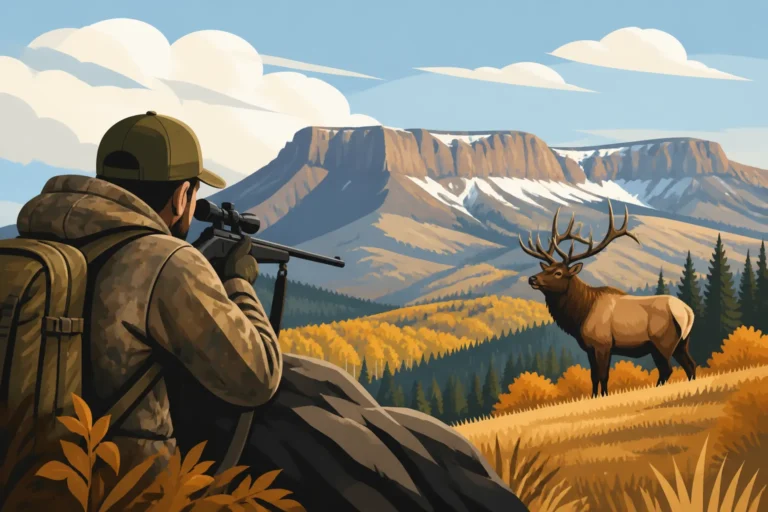
Spot-and-Stalk: This is perhaps the most effective method for both elk and mule deer in the Sawatch, especially in the more open alpine and subalpine basins. Get to a high vantage point before first light and use good optics (10x binoculars, a quality spotting scope) to meticulously glass every patch of timber, rockslide, and feeding area. Take your time, letting your eyes adjust to the subtle differences in color and shape that might reveal an animal. Once you spot game, the challenge begins: planning a careful, downwind, quiet approach through often difficult terrain. Patience is a virtue here. For a detailed breakdown, see our How to Spot-and-Stalk Hunting in Colorado guide.
Still-Hunting and Calling in Timber: In the denser timbered areas, especially when elk are seeking refuge, a slow, methodical still-hunt can be productive. Move at a snail's pace, pausing frequently to listen and scan. Every step should be deliberate, placing your foot down softly, avoiding snapping twigs. Elk, particularly, respond to calling during the rut. Learning How to Call Elk in Colorado can dramatically increase your chances. Whether it's a soft cow call to pique their curiosity or an aggressive bugle to challenge a bull, knowing when and how to call can bring those ghosts of the forest into range. However, after the rut or during rifle season, over-calling can be detrimental, so often less is more.
Essential Gear and Logistics for a Sawatch Hunt
Hunting the Sawatch Range is a true backcountry endeavor, meaning every piece of gear you pack and every logistical decision you make is critical to your safety and success. You're often miles from the nearest road, so self-sufficiency is key.
Key Gear Considerations for Mountain Hunting
Your gear needs to be robust, lightweight, and reliable. This is not the place for cheap equipment.
- Layered Clothing System: Temperatures can swing wildly from below freezing to warm, sunny afternoons. A good layering system is essential: a moisture-wicking base layer, insulating mid-layers (fleece or puffy jacket), and a waterproof/windproof outer shell. Merino wool is often a favorite among mountain hunters for its warmth-to-weight ratio and odor resistance.
- Boots: Invest in high-quality, broken-in mountain hunting boots with excellent ankle support and stiff soles. Your feet will take a pounding, and good boots can prevent blisters and injuries.
- Backpack: A robust backpack capable of comfortably carrying 40-70 pounds is a must. It needs to fit well and distribute weight effectively. Consider one with an external frame or a capable internal frame for packing out meat. Our guide to the Best Backpack for a Colorado Elk Hunt offers detailed insights.
- Optics: As mentioned, good binoculars (10x is common) and a quality spotting scope (20-60x) with a tripod are essential for glassing vast terrain. Rangefinders are also critical for ethical shot placement in steep, broken country.
- Navigation: A reliable GPS device or a smartphone with a hunting app like onX Hunt (with offline maps downloaded) is crucial. Always carry a physical map and compass as a backup and know how to use them.
- Shelter and Sleep System: If you're backpacking, a lightweight tent or tarp setup and a warm sleeping bag rated for below-freezing temperatures are necessary.
- Food and Water: Pack high-calorie, lightweight food. Carry a water filter or purification tablets. Always have more water than you think you need, especially when packing in.
- First Aid Kit: A comprehensive first aid kit is non-negotiable. Be prepared for blisters, cuts, sprains, and potential altitude sickness.
- Emergency Gear: Whistle, fire starter, headlamp with extra batteries, knife, signaling mirror, and paracord are all crucial.
- Weapon: Ensure your rifle, bow, or muzzleloader is sighted in for mountain conditions and that you are proficient in shooting at varying angles. Read Colorado Long-Range Shooting Considerations if you plan on longer shots.
Access Points and Backcountry Considerations
Access into the Sawatch Range typically involves hiking in from trailheads, many of which are popular with hikers and backpackers. Early season and weekdays can offer less crowded trailheads. Popular access points might include those near Buena Vista, Leadville, Salida, and the Collegiate Peaks area. Some areas are accessible via Forest Service roads, but these can become rough and require a high-clearance 4×4 vehicle.
Once you're in the backcountry, setting up a spike camp or a base camp is a common strategy. A spike camp is a minimalist camp set up deeper in the hunting area, allowing you to hunt more effectively without making long treks back to a main base camp each day. This strategy requires careful planning of gear and supplies. Consider a Colorado Backcountry Hunting Guide for more detailed planning.
Remember, if you're fortunate enough to harvest an animal, you'll need to know How to Pack Out an Elk in Colorado. This is incredibly demanding work, often involving multiple trips with heavy loads over rugged terrain. Plan for this well in advance, even considering game bags, a good frame pack, and perhaps a partner to help.
The Sawatch Range offers some of the most challenging yet rewarding hunting experiences in Colorado. With proper planning, preparation, and respect for its formidable nature, you can make memories that will last a lifetime.
Sawatch Range Game Species and Habitat Quick Guide
To help you visualize where you might find game in the Sawatch Range, here's a quick reference table:
| Game Species | Preferred Habitat/Elevation | Key Behaviors to Look For |
|---|---|---|
| Elk (Bull) | Dark timber, north-facing slopes, high-elevation basins (9,000-12,000 ft) during rut; dense conifer stands, south-facing slopes in colder weather. | Bugling, wallows, rubs, fresh tracks, distinct bedding areas. |
| Elk (Cow/Calf) | Often in larger herds, more open parks, aspen groves, near water sources (8,000-11,000 ft); move into thicker timber with pressure. | Herd movement patterns, frequent vocalizations (cow calls), feeding in meadows. |
| Mule Deer (Buck) | Steep, rocky slopes, high alpine basins, broken timber above tree line (10,000-13,000 ft) in early season; dense cover and browse at lower elevations during migration. | Bedding on steep slopes, distinctive bounding gait, rubs (less common than elk). |
| Mule Deer (Doe/Fawn) | Similar to bucks but often in smaller groups, found in a wider range of habitat from timbered slopes to brushy hillsides (7,000-11,000 ft). | Browsing on shrubs, cautious movement, use of cover. |
| Black Bear | Dense timber, areas with abundant berry bushes, near water sources, often lower to mid-elevations (7,000-10,000 ft). | Tracks, scat, overturned rocks, claw marks on trees, often solo. |
Disclaimer
Hunting in Colorado, especially in rugged backcountry areas like the Sawatch Range, involves inherent risks including but not limited to adverse weather conditions, challenging terrain, wildlife encounters, and altitude sickness. Always prioritize safety, adhere to all Colorado Parks and Wildlife regulations, and ensure you have the necessary skills, fitness, and gear for your chosen adventure. This guide provides general information and recommendations; personal judgment and preparation are essential.