How to Avoid Crowds on Colorado Public Land
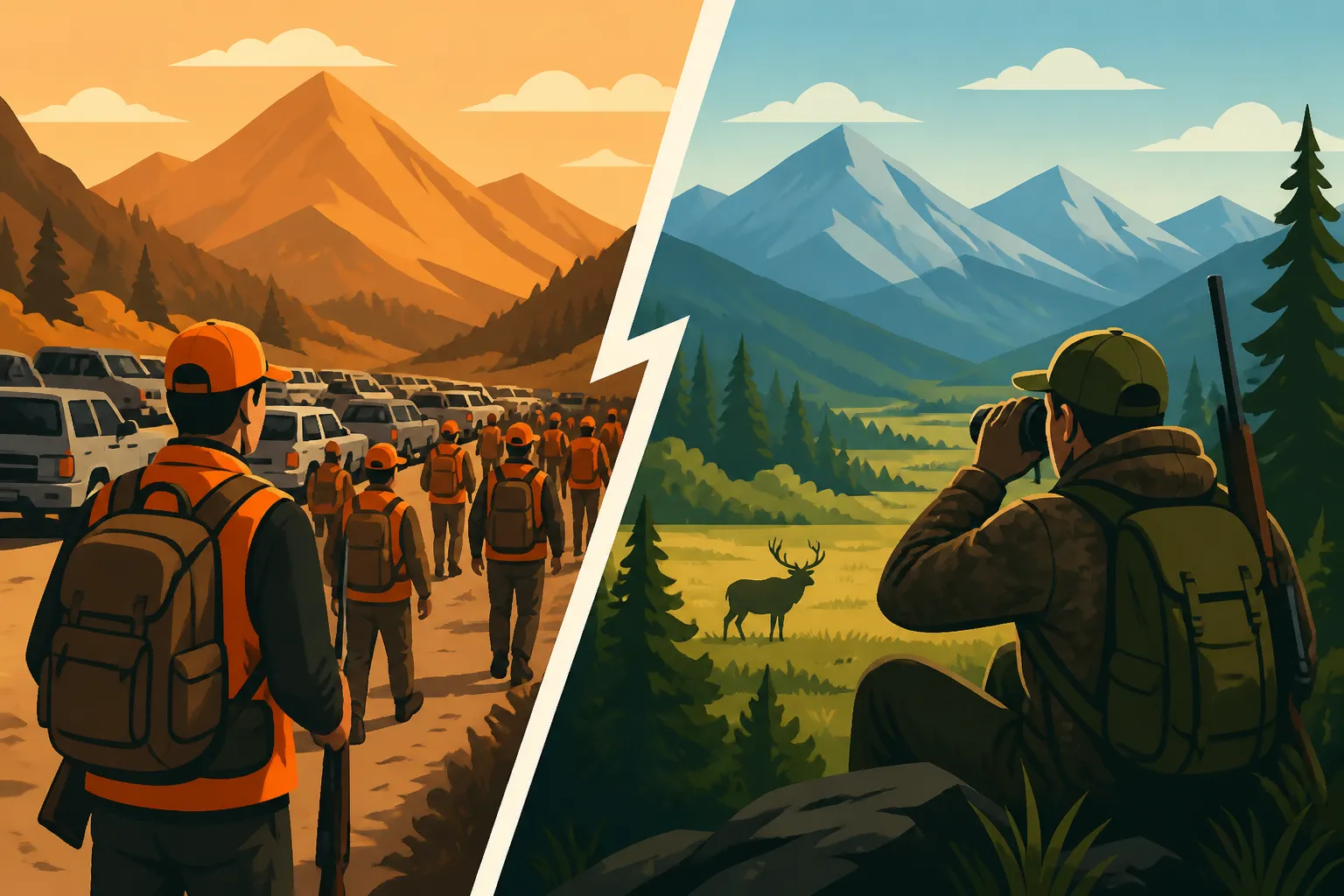
It's a gut punch, isn't it? You've spent months planning your Colorado elk hunt, dreaming of vast wilderness and unpressured game, only to pull into the trailhead parking lot on opening morning and find it looks like a Walmart on Black Friday. The sight of dozens of other trucks, full of hunters with the same hopeful glint in their eyes, can make your heart sink. The good news is, escaping those crowds on Colorado public land is absolutely possible, but it takes strategic planning, a bit more effort, and a willingness to go where others won't. This guide will walk you through exactly how to find that solitude and the unpressured animals that come with it.
Understanding the Pressure Points: Where and When Crowds Gather
Before you can effectively avoid the masses, you've got to understand why and where they concentrate. It's not just random; hunter pressure follows predictable patterns, driven by accessibility, perceived animal density, and specific season dates. Recognizing these patterns is the first step toward finding your own slice of wilderness.
Identifying Highly Accessible Areas
The biggest magnet for hunters is often convenience. Anywhere you can drive right to, park, and start hiking within a few hundred yards of your truck is going to see heavy foot traffic. Think about trailheads on well-maintained forest service roads, areas near campgrounds, or even public land parcels directly adjacent to pavement. These spots are popular for a reason: they require less physical exertion to access and cater to hunters who might not have the time or ability to venture miles deep into the backcountry.
Many hunters will only go a mile or two from the road, max. This creates a "halo effect" where the pressure is intense near the roads and trailheads, gradually lessening as you move further away. The terrain also plays a huge role here. Areas with relatively flat, open walking are easier to navigate and thus attract more people. Steep, heavily timbered slopes or areas choked with blowdowns and thick brush are natural deterrents, and for good reason – they're tough going. If you're looking for solitude, start by looking at maps and identifying these easy-access points. Then, plan your entry elsewhere, or be prepared to push well beyond where most folks stop.
Understanding Peak Hunting Seasons
Colorado's hunting seasons are fantastic, but some are just naturally more crowded than others. Early archery season, especially during the peak of the rut in late September, can feel like a festival in popular units. Everyone wants to hear bugles and witness that incredible elk action. Similarly, the first rifle season often brings a significant influx of hunters because it's the first opportunity for many to carry a firearm for elk, and weather conditions can often be more forgiving than later seasons.
Later rifle seasons, particularly the third and fourth, sometimes see slightly less pressure, especially as the weather turns colder and snow starts to accumulate. However, migration patterns can also concentrate animals and, by extension, hunters in specific drainages during these times. It's a trade-off: fewer hunters overall, but potentially more competition in key migration corridors. Understanding the rhythms of Colorado Hunting Seasons Explained is critical for strategic timing. If you have the flexibility, targeting off-peak times or less popular seasons, like late archery or even some of the muzzleloader seasons, can significantly improve your chances of finding solitude.
Strategic Planning: Utilizing Tools and Research for Solitude
Avoiding crowds isn't about luck; it's about smart, pre-season planning. The tools available to hunters today are incredible, allowing you to scout vast areas from your living room and pinpoint low-pressure zones before you ever set foot on the mountain. This kind of diligent e-scouting can make all the difference.
Deep Dive into E-Scouting with Mapping Software
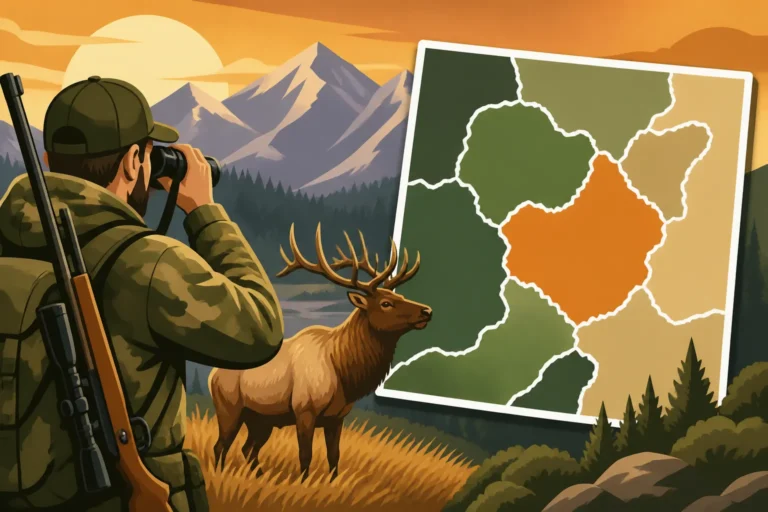
This is where your digital mapping tools like onX Hunt and GoHunt become your best friends. These aren't just for showing you where you are; they're powerful planning instruments. Start by pouring over topography maps, satellite imagery, and public/private land ownership layers. Your goal is to identify areas that look uninviting, difficult to access, or simply overlooked by the average hunter. Look for roadless areas, particularly those that are a good 3-5 miles from the nearest vehicle access. These are often within designated Wilderness Areas or large tracts of National Forest land.
When I'm e-scouting, I’m specifically looking for:
- Steep, Nasty Terrain: Contours that are tightly packed and look like a stair-step nightmare. Most people avoid these.
- Thick Timber: Dense canopy on satellite imagery suggests dark, challenging walking, which elk love and hunters often hate.
- Lack of Trails: Areas with no established trails mean anyone going in will be busting brush, which again, deters many.
- Water Sources Deep In: Isolated ponds, springs, or small creeks that are a long haul from any road.
- Ridges and Saddles that connect basins: These can be travel corridors far from typical access.
Focus on identifying "pinch points" or natural barriers that funnel animals, but also make access for humans challenging. Remember, elk don't care about trails. They move through the easiest path for them, often skirting the edges of what we consider "easy" terrain. Learning How to E-Scout Before a Colorado Hunt is perhaps the most valuable skill you can develop for finding unpressured elk.
Researching Lesser-Known Hunting Units
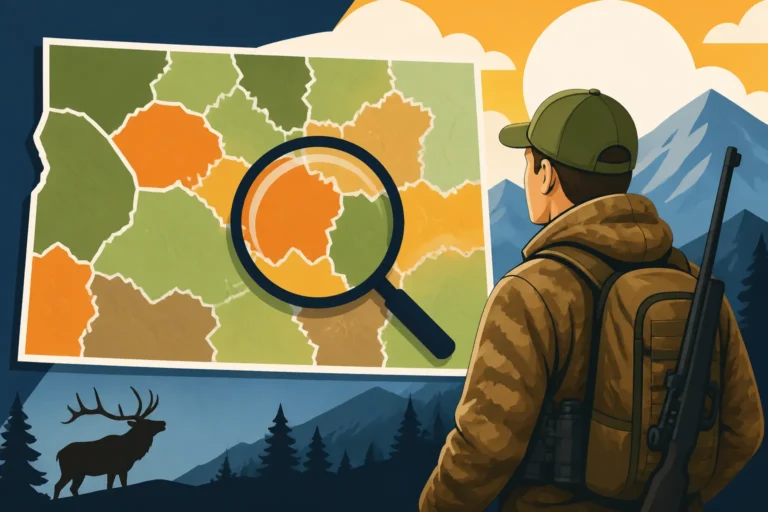
While popular units like those in the Flat Tops or White River National Forest are known for high elk populations, they also attract the most hunters. To truly avoid crowds, you might need to broaden your horizons and consider lesser-known or more challenging GMUs (Game Management Units). This doesn't necessarily mean units with low elk populations; it often means units with more rugged terrain, fewer roads, or simply a reputation for being tough.
Utilize resources like the Colorado Parks and Wildlife (CPW) harvest statistics and hunt planner. While these won't tell you exactly where to go, they can give you a feel for hunter success rates and pressure levels in different units. Look for units that might have decent elk numbers but lower hunter densities or success rates that suggest the hunting is harder, not necessarily that the elk aren't there. Sometimes, these "harder" units hold bigger, older bulls precisely because they're not hammered every season. Consult guides like Colorado Public Land Hunting Guide and How to Choose a Colorado Hunting Unit for deeper insights.
Here's a quick E-Scouting Checklist to help you find those quiet zones:
| E-Scouting Focus Area | What to Look For (Low Pressure Indicators) | Tools/Layers to Use | Why it Helps Avoid Crowds |
|---|---|---|---|
| Topography | Steep slopes, tight contour lines, major elevation changes, drainages that dead-end deep. | Topo maps, 3D views (onX Hunt) | Deters most hunters due to physical demands. Elk often seek steep areas for security. |
| Vegetation | Dense timber (dark green on satellite), thick brush, north-facing slopes with dark timber. | Satellite imagery (GoHunt), vegetation layers | Difficult to move through silently; provides excellent elk cover. |
| Access Points | Lack of roads/trails, areas >3 miles from nearest vehicle access, wilderness boundaries. | Roads & Trails layers, Public Lands layer, Wilderness layer | Requires more effort, filtering out casual hunters. |
| Water Sources | Secluded springs, small ponds, hidden creeks away from main trails. | Water feature layers, satellite imagery | Elk need water; finding isolated sources can reveal unpressured areas. |
| Game Sign | Historical bedding areas, natural travel corridors in rugged terrain, south-facing winter range (pre-season). | Historical data (GoHunt), local forums, aerial photos | Helps pinpoint where elk might be, even if it's hard to get to. |
Tactical Execution: On-the-Ground Strategies to Escape the Masses
All the planning in the world won't matter if you don't execute smartly once you're on the ground. This is where your physical and mental toughness come into play. Avoiding crowds means being willing to do things differently than the majority, pushing beyond comfort zones, and embracing the challenge of the mountains.
Go Deeper and Stay Longer
This is the golden rule for escaping pressure: walk further. If most hunters are going 1-2 miles from the road, you need to be willing to go 3, 4, 5 miles or even more. This often means embracing a true Colorado Backcountry Hunting Guide style of hunting, carrying everything you need for multiple days, and setting up a spike camp away from any designated trailheads or established campsites.
The further you get from easy access, the fewer people you'll encounter. Elk, being masters of self-preservation, quickly learn where the pressure is and retreat to these harder-to-reach areas. They'll bed in the darkest timber on the steepest slopes, often moving into more open feeding areas only under the cover of darkness. By going deeper, you're not just escaping other hunters; you're also getting into the sanctuary zones where elk feel safe. This often requires you to How to Pack Into the Colorado Backcountry with precision, ensuring you have the right gear to sustain yourself. Consider your Best Backpack for a Colorado Elk Hunt to make these deep pushes manageable.
Hunt During the "Off Hours" and Utilize Terrain
Most hunters hit the woods at first light, hunt for a few hours, and then head back to camp or their truck for lunch, only to re-emerge for the evening hunt. This creates a predictable pattern of pressure. To counter this, try hunting during the "off hours."
- Mid-day Push: While everyone else is eating lunch or napping, you can be deep in elk country, moving slowly through bedding areas. Elk will often get up and move during the middle of the day, especially if they're not overly pressured, or simply to reposition to a more secure bed. This is when How to Still-Hunt Colorado Timber becomes incredibly effective.
- Later Starts, Longer Stays: Instead of being the first one out, sometimes a slightly later start allows you to follow the "wake" of other hunters. They might bump elk deeper into the woods, and you can be there to intercept them. Then, stay out later, pushing the boundaries of legal shooting light. Many hunters head back early, especially if it's cold or dark, leaving prime evening opportunities for those willing to brave the conditions.
- Embrace the Nasty: Actively seek out the steepest, brushiest, most timbered slopes, especially north-facing slopes with dense cover. Elk use these areas for security and thermal regulation. While it's grueling to navigate, you'll rarely see other hunters there, and that's precisely why you should be. These are often the secret hideouts for mature bulls.
Hunt Specific Terrain Features Away from Popular Areas
Even within a highly-pressured unit, there are always overlooked pockets. This often comes down to understanding micro-terrain features. Instead of focusing on large, obvious drainages that are easily visible from main roads or trails, look for smaller, hidden drainages, saddles between steep peaks, benches on the sides of mountains, or even small, isolated stands of timber that might not appear significant on a map but offer crucial cover.
Use your onX Hunt app to identify small, irregular features. A tiny flat bench halfway up a vertical mountainside, a spring in a secluded pocket, or a series of old logging roads that have grown over and aren't on modern maps can all be sanctuaries. Remember, elk don't need vast wilderness to feel secure; they just need a place where they aren't constantly bumped by humans. Learning How to Find Elk When They Go Quiet is key to this approach. Pay attention to wind and thermals, as elk will always use these to their advantage, especially when avoiding predators – including hunters.
Mindset and Preparation: Embracing the Challenge of Solitude
Hunting unpressured public land in Colorado isn't just about strategy and gear; it's also deeply about your personal mindset and physical preparation. You're signing up for a different kind of hunt, one that demands more of you, but ultimately offers far greater rewards.
Cultivating Mental Toughness and Patience
One of the biggest hurdles to finding solitude is the mental game. It can be incredibly discouraging to walk for miles through brutal terrain and not see any fresh sign or hear a single bugle. Doubts creep in: "Am I in the wrong place? Should I have gone where everyone else is?" This is precisely where mental toughness comes in. Trust your e-scouting, trust your instincts, and stick with the plan.
Finding unpressured elk often means accepting that you might not see many animals, or any other hunters, for days on end. It requires immense patience and the ability to find joy in the process itself – the quiet mornings, the incredible views, the satisfaction of pushing your physical limits. Don't be swayed by the stories of easy hunts; those often happen in highly-pressured areas where animals are more predictable but also more likely to be found by others. Embrace the solitude as part of the experience, knowing that when you do find those elk, they'll likely be more responsive and less wary. For those considering a solo venture, this mental fortitude is even more critical; exploring How to Hunt Colorado Archery Elk Solo requires significant mental grit.
Prioritizing Physical Fitness
There's no sugarcoating it: to consistently get away from crowds on Colorado public land, you need to be in excellent physical condition. The areas that hold unpressured elk are almost always the toughest to access. This means climbing thousands of feet of elevation, navigating fallen timber, crossing steep drainages, and doing it all with a heavy pack. If you can't physically get there, you can't hunt there.
Start your fitness regimen months before your hunt. Focus on strength training for your legs and core, cardiovascular endurance, and hiking with a weighted pack. Simulating the terrain and elevation you'll encounter is crucial. Training specifically for How to Physically Prepare for Colorado Elk or Altitude Training for Colorado Hunting will pay dividends not just in your ability to cover ground, but also in your mental resilience when the going gets tough. Being physically prepared allows you to make deeper pushes, recover faster, and stay sharper throughout the day, increasing your odds of success where others have given up.
Adopting a Backcountry Mentality
Finally, fully commit to the backcountry mentality. This means being self-sufficient, minimalist, and prepared for anything. Don't rely on cell service (it won't exist in many of these remote areas). Carry a satellite messenger or GPS. Pack a lightweight camp for spike hunting, allowing you to stay deep in elk country for days at a time rather than making long, exhausting treks back to a base camp or truck every night.
This approach isn't just about convenience; it's a fundamental shift in how you hunt. When you can wake up in the middle of elk habitat, you save precious energy and maximize your hunting time. You're already where the elk are, ready to intercept them as they move from bedding to feeding areas at first light. This is the essence of Colorado DIY Elk Hunting Guide, enabling you to truly immerse yourself in the landscape and separate yourself from the vast majority of hunters who stick to easily accessible zones.
Disclaimer
Please be aware that hunting regulations, season dates, and unit boundaries in Colorado can change. Always consult the official Colorado Parks and Wildlife (CPW) regulations and maps for the most current and accurate information before planning any hunt. Safety should always be your top priority in the backcountry.