How to Hunt Elk After the Rut
Post-rut elk behavior involves winter migration and thick timber seclusion, allowing hunters to utilize fresh tracks and late-season food sources.
Close the distance.
Archery, muzzleloader, and firearm techniques — calling, stand placement, still-hunting, spot-and-stalk, and the weapon rules that change at the state line.
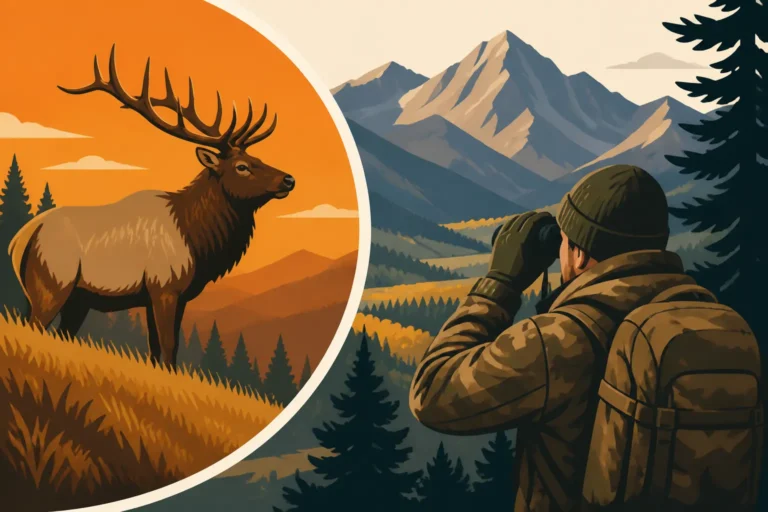
Post-rut elk behavior involves winter migration and thick timber seclusion, allowing hunters to utilize fresh tracks and late-season food sources.
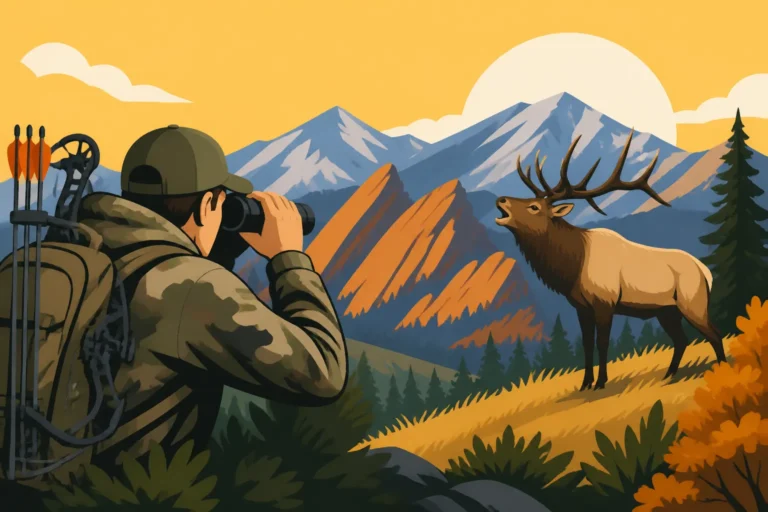
Colorado elk rut strategies include e-scouting, calling, decoys, and still-hunting tactics designed to help hunters succeed during the season.

Colorado alpine basin hunting requires physical preparation, altitude acclimation, technical gear selection, e-scouting, and effective glassing techniques.
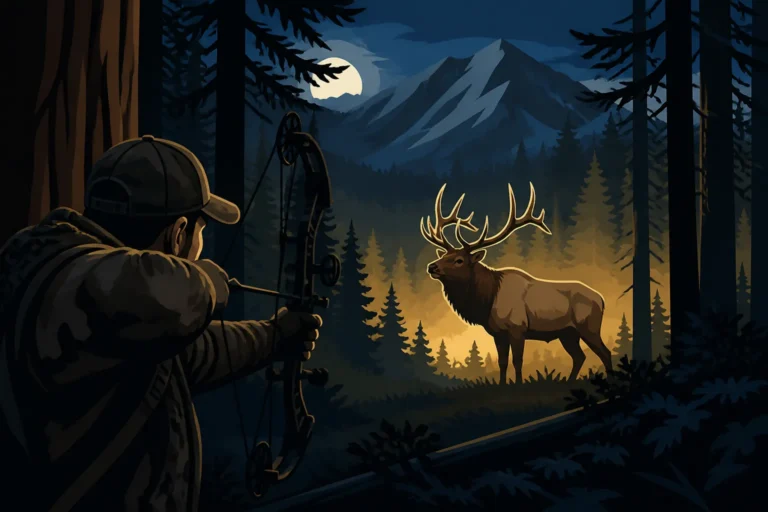
Dark timber elk habitat provides strategies for locating and hunting elusive bulls and cows using signs, specialized gear, and specific terrain analysis.
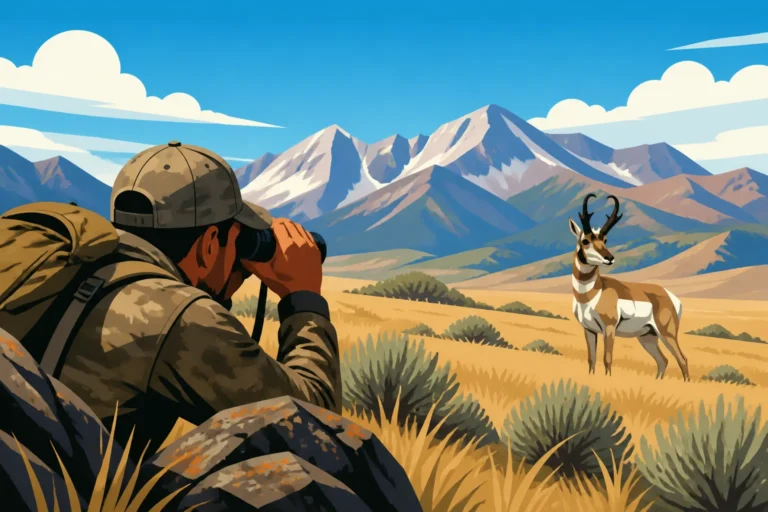
Colorado plains pronghorn hunting strategies explain effective glassing techniques, gear selection, and digital scouting methods for hunters.
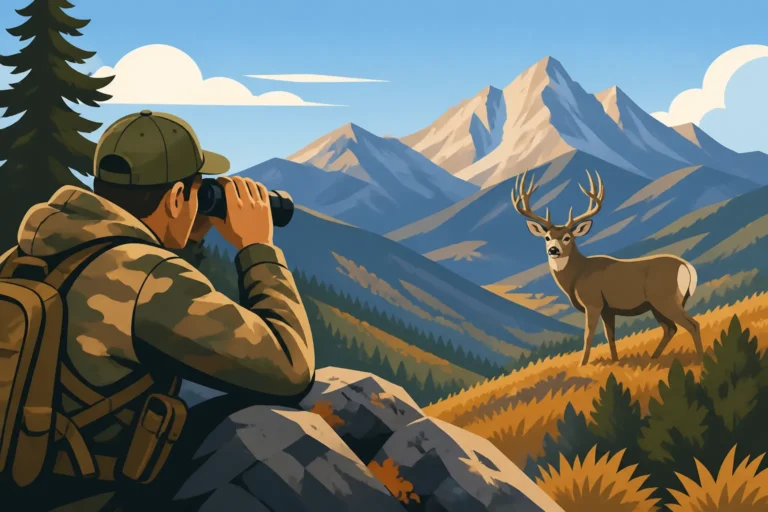
Glassing methods for Colorado mule deer involve using binoculars, spotting scopes, and rangefinders to locate animals across mountain terrain.
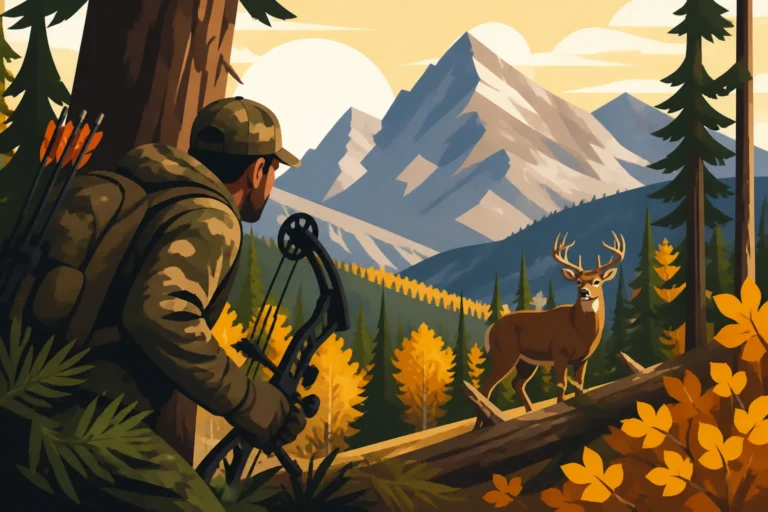
Still-hunting Colorado timber requires slow, deliberate movement, specialized silent gear, and acute observation to safely encounter elk in dense forests.
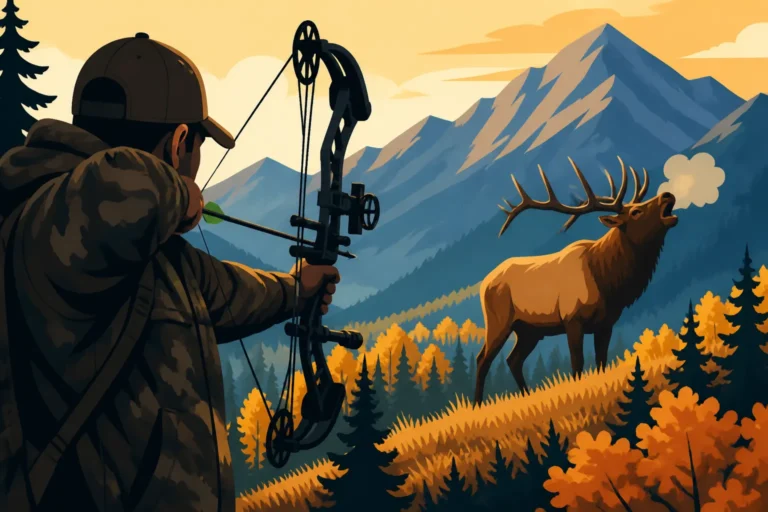
Colorado elk hunting tactics during the rut help bowhunters decode animal behavior, master approaches, and increase success rates.
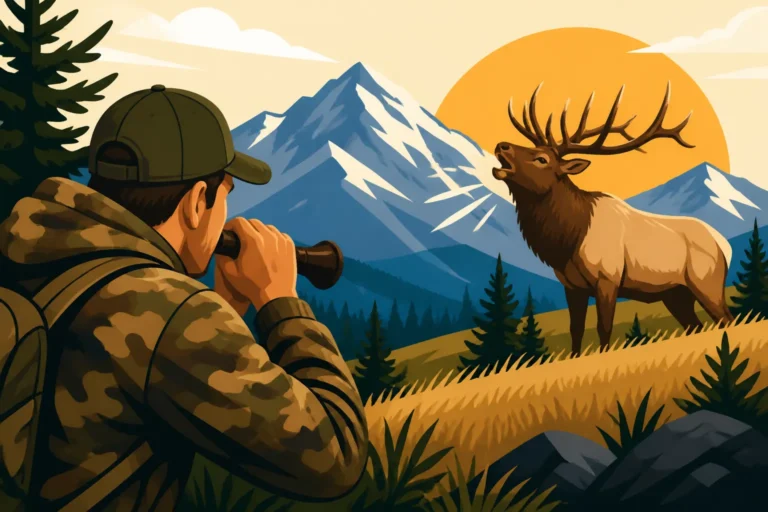
Mastering cow calls helps hunters locate and bring elusive Colorado elk into range using specific sounds, mouth reeds, and timing techniques.
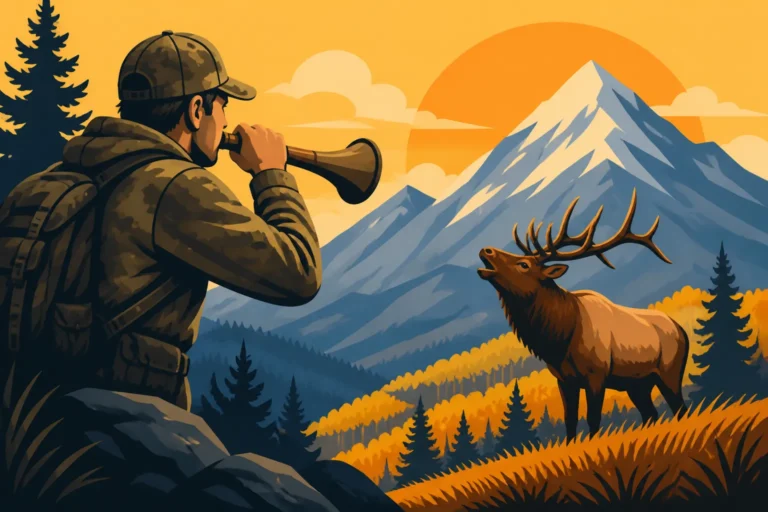
Colorado elk bugling techniques, vocalizations, and gear help hunters communicate effectively during the mid-September mating season.