How to Shoot Uphill and Downhill at Elk
Mountain angle ballistics and true horizontal distance calculations explain how to shoot accurately at elk on steep inclines and declines.
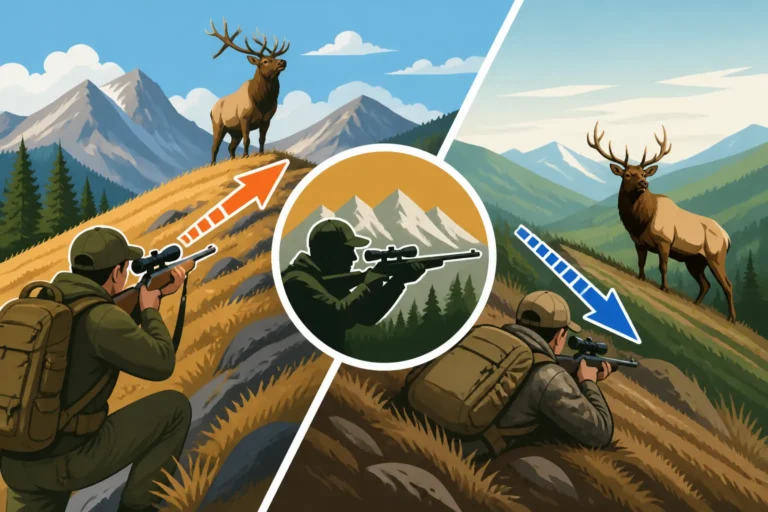
Mountain angle ballistics and true horizontal distance calculations explain how to shoot accurately at elk on steep inclines and declines.
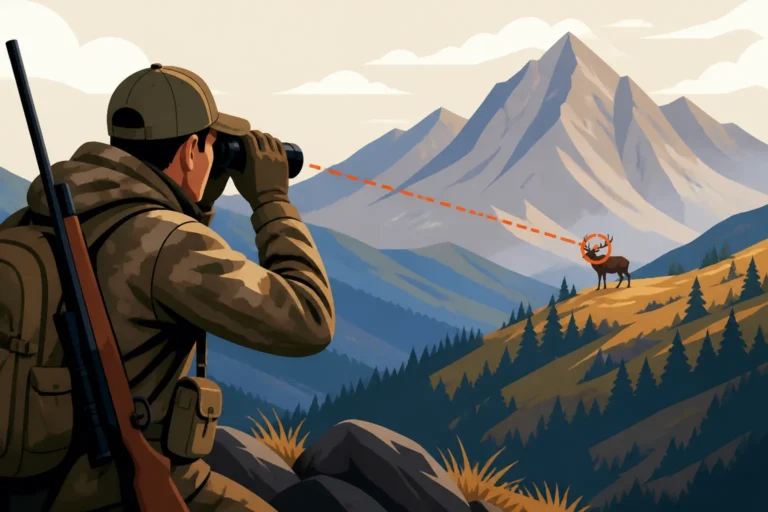
Mountain distance misjudgment caused by clear air and elevation changes requires laser rangefinders, reticles, and manual estimation methods.
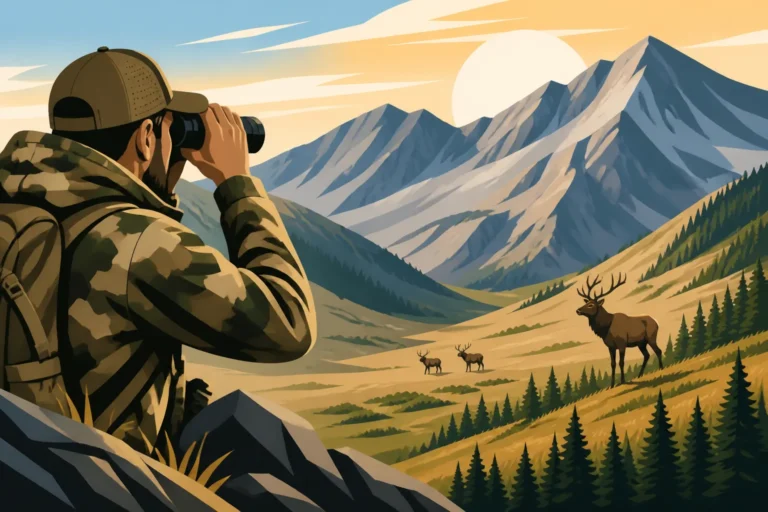
Strategic grid searches and quality optics help hunters locate elk and deer across massive Colorado mountain basins efficiently.

North-facing slopes provide elk with thermal regulation, dense cover, and abundant food during Colorado hunting seasons.

Colorado elk tracking strategies, e-scouting tools, and still-hunting methods help hunters locate and harvest animals hidden within thick timber stands.
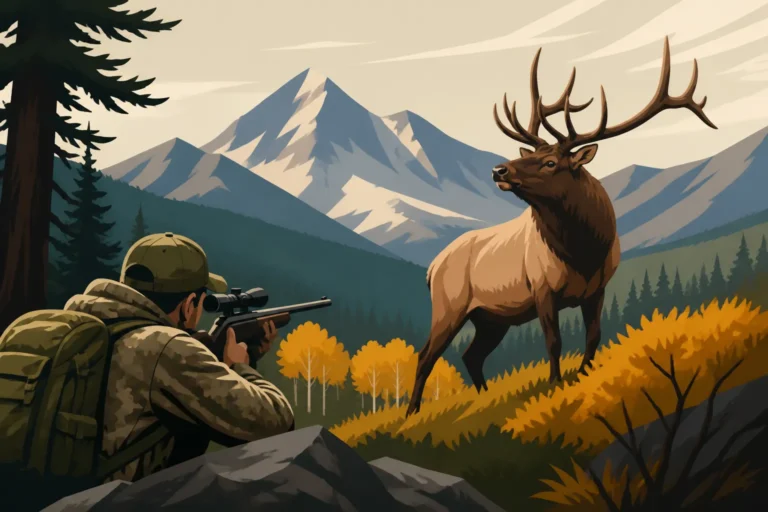
Pressured elk behavior during rifle season requires adapted hunting strategies, stealth movement through steep timber, and advanced mapping reconnaissance.
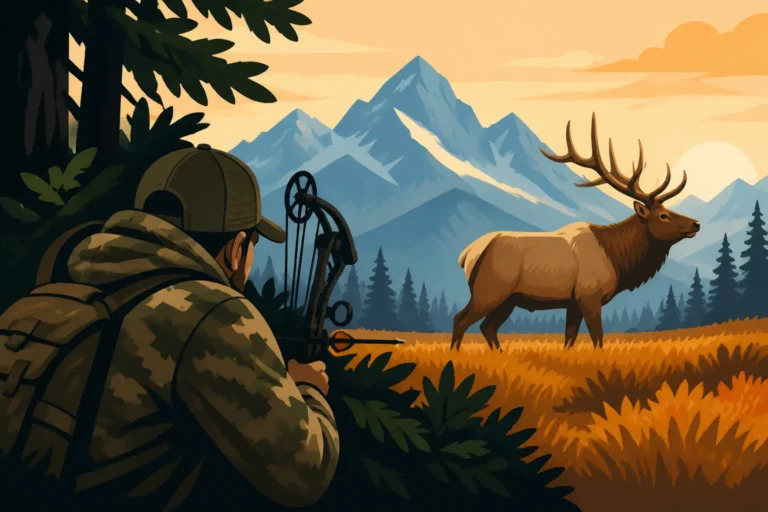
Strategic terrain analysis, bedding area identification, and thermal wind management let hunters successfully ambush elk on public land.
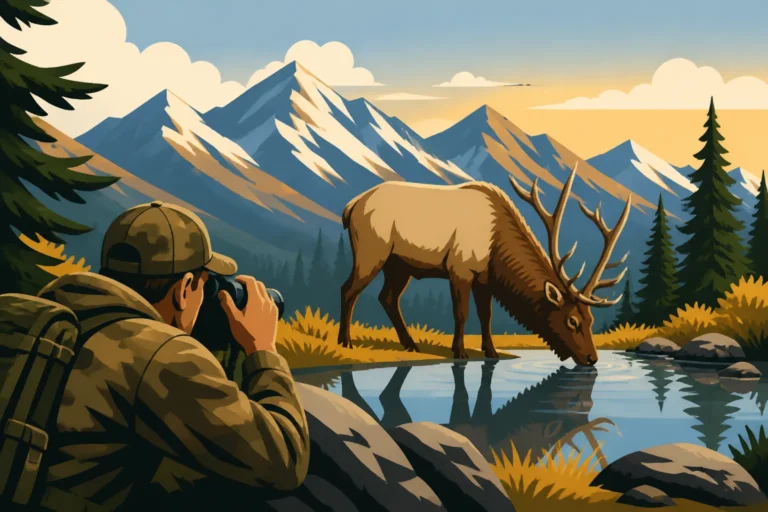
Elk water hole strategies in Colorado explain how to locate, scout, and successfully ambush elk near vital hydration sources.
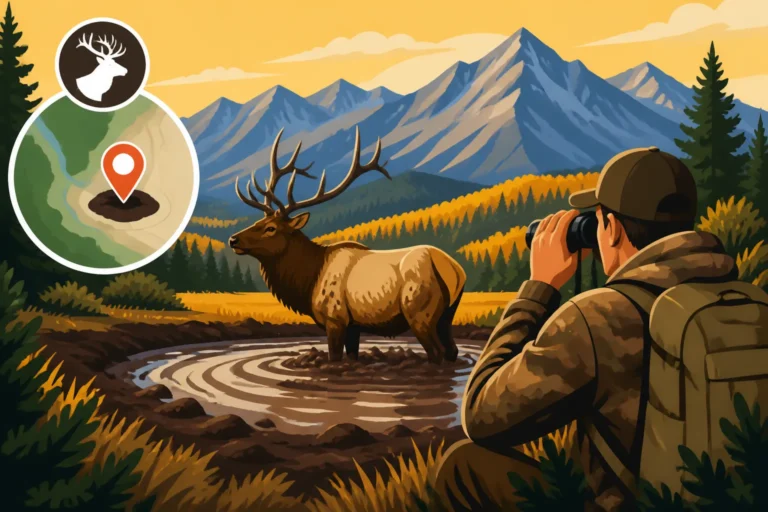
Elk wallows provide hunters with a reliable strategy to locate and harvest big bulls during the Colorado hunting seasons.

Colorado elk hunting tactics for silent bulls explain how to use soft cow calls, tracking, and ambush setups to locate and harvest elk.