Best Colorado Elk Hunting Areas for Beginners
Embarking on your first elk hunt in Colorado can feel like trying to solve a Rubik's Cube blindfolded, especially when you’re staring at maps, regulations, and endless forum posts about preference points and hunt codes. It's truly overwhelming to figure out where to even begin in a state as vast and diverse as Colorado. This comprehensive guide is designed specifically for new hunters, breaking down the best, most accessible, and most beginner-friendly elk hunting areas, helping you cut through the confusion and step into the elk woods with confidence.
Understanding the Beginner's Dilemma in Colorado Elk Hunting
Let's be honest, the thought of chasing elk through the mountains is exhilarating, but the reality of planning that first trip can quickly turn into a headache. Colorado is an incredible state for elk, boasting the largest herd in North America, but that doesn't mean it's easy pickings, especially for someone new to the game. You're not alone if you feel a bit lost before you even pack your boots.
The Sheer Scale and Complexity of Colorado Terrain
One of the biggest hurdles for new elk hunters is simply grasping the immense scale of Colorado's hunting landscape. We're talking millions of acres of national forests, BLM land, and wilderness areas, all with varying accessibility, elk densities, and hunter pressure. Imagine trying to find a needle in a haystack, only the haystack is the size of a small country and constantly moving. It’s not like hunting deer in a small woodlot back home. The mountains here are steep, the air is thin, and understanding game trails, bedding areas, and feeding patterns at 9,000 to 11,000 feet requires a completely different skillset. This often leads to new hunters burning valuable time and energy in areas with low elk presence or poor access, feeling defeated before they even get a real chance.
Navigating the Maze of Regulations and Licenses
Beyond the terrain, Colorado’s hunting regulations can be incredibly complex. From the primary and secondary draw systems to understanding preference points, over-the-counter (OTC) options, and specific unit restrictions, it's a language all its own. For a beginner, simply trying to apply for a tag can feel like a college exam. Many new hunters struggle to even determine which tags are available to them, whether they need to apply for a draw or if an OTC tag is a viable option. This administrative burden alone is enough to deter some, making the dream of a Colorado elk hunt seem out of reach. We'll dive into how Colorado hunting seasons work in more detail, but for now, just know that you're not wrong if you feel a bit swamped by it all.
The Impact of Hunter Pressure and Public Land Ethic
Colorado's reputation as an elk hunting paradise means it attracts hunters from all over the country. This popularity, while a testament to the quality of hunting, translates to significant hunter pressure in many accessible public land units. For a beginner, encountering other hunters around every bend can be demoralizing and make it incredibly difficult to find undisturbed elk. It's a delicate balance: you want accessible areas, but not so accessible that they're overrun. Learning to identify and avoid crowded spots, or understanding how to hunt effectively within pressure, is a skill that takes years to develop. The ethics of public land hunting also come into play, from respecting other hunters' space to ensuring proper game retrieval, all of which add layers of responsibility to an already challenging pursuit.
What Makes a "Beginner-Friendly" Elk Unit in Colorado?
Choosing the right hunting area is arguably the most crucial decision for a first-time Colorado elk hunter. It can literally make or break your experience. A "beginner-friendly" unit isn't necessarily one where elk jump into your lap, but rather one that offers a more manageable learning curve and a higher chance of encountering elk without being completely overwhelmed.
Accessible Terrain and Manageable Elevations
When we talk about accessible terrain, we're not necessarily talking about driving your pickup right to the elk. Instead, it means areas with a decent road system that allows you to get into the general vicinity of elk country, followed by trails or drainages that are navigable without requiring expert mountaineering skills. Think rolling hills and moderate slopes rather than sheer cliffs and avalanche chutes. For beginners, units with a mix of timbered draws, open parks, and relatively defined benches can be ideal. These areas often provide easier navigation, less strenuous hiking, and clearer sight lines for scouting. Managing elevations is also key; while Colorado is synonymous with high mountains, starting your elk hunting journey in areas that predominantly sit between 8,000 and 10,000 feet can significantly reduce the impact of altitude sickness and allow you to focus more on hunting and less on catching your breath.
Robust Elk Populations and Consistent Success Rates
A beginner-friendly unit needs elk, and ideally, a lot of them. High elk densities increase your odds of encountering animals, even if you're not yet a master tracker or caller. Colorado Parks and Wildlife (CPW) provides extensive data on herd numbers, harvest statistics, and success rates for each GMU (Game Management Unit), which can be an invaluable tool. Look for units that consistently show healthy elk populations and, crucially, reasonable success rates for all license types, especially OTC rifle or archery. While no unit guarantees a harvest, units with higher overall success rates usually indicate a greater presence of elk and perhaps more predictable patterns. These units provide more opportunities to see elk, practice calling, and learn animal behavior, which is priceless for a new hunter, even if you don't punch your tag.
Over-the-Counter Opportunities and Less Pressure
Perhaps the most critical factor for a beginner-friendly unit is the availability of over-the-counter (OTC) tags. These tags don't require you to navigate the complex draw system and accumulate preference points; you can simply buy them. Colorado historically offers OTC elk tags for archery season and some rifle seasons (typically 2nd and 3rd rifle seasons, but check current regulations as these can change, like the upcoming 2026 changes). This removes a huge barrier for new hunters, allowing them to focus on scouting and hunting rather than drawing.
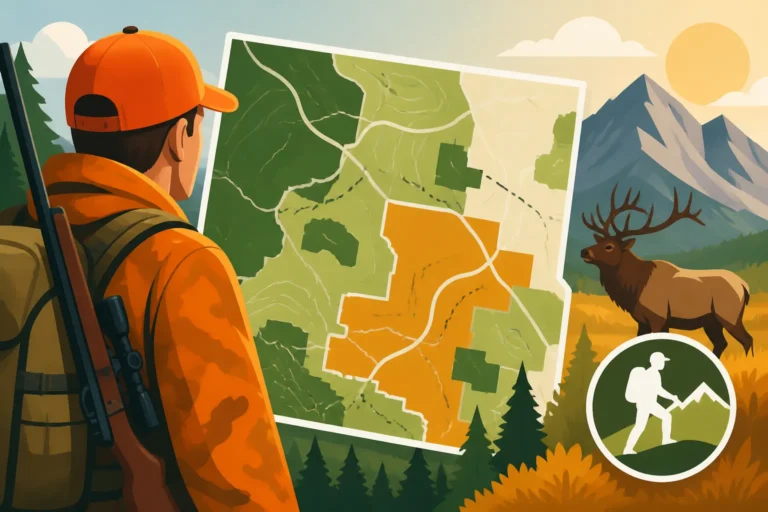
However, OTC units often come with more hunter pressure. The trick is to find OTC units that, while popular, also offer enough vast public land or terrain features that allow you to get away from the crowds. This usually means units with extensive National Forest or BLM land, and terrain rugged enough to deter casual hunters but still navigable for a determined beginner. Learning how to hunt elk on public land pressure is an essential skill, and starting in units where you can practice getting away from roads and popular trailheads will serve you well. Leveraging tools like onX Hunt can be incredibly helpful here, as it allows you to visualize public land boundaries, roads, trails, and even private land, helping you plan routes that skirt high-traffic areas and find those overlooked pockets where elk might be hiding.
Top Colorado GMUs for Beginner Elk Hunters
Colorado is enormous, and picking just one or two spots can feel impossible. But for first-timers, some GMUs consistently offer a more forgiving learning environment. These areas tend to combine decent elk numbers with manageable terrain and, often, OTC tag opportunities, making them excellent starting points for your Colorado elk hunting adventure.
The Flat Tops Wilderness and Surrounding Units (GMUs 12, 23, 24)
The Flat Tops Wilderness Area and the GMUs surrounding it—particularly GMUs 12, 23, and 24—are practically legendary for their elk populations. Often cited as home to the largest migratory elk herd in the world, this region is a fantastic place for beginners, especially during the 2nd and 3rd rifle seasons when OTC tags are typically available. These units offer millions of acres of public land within the White River National Forest and Routt National Forest.
What makes them beginner-friendly? Firstly, the sheer number of elk means you're more likely to see animals, even if you're still learning the ropes of elk behavior. Secondly, while some parts are rugged wilderness, much of the terrain in these units consists of expansive plateaus, rolling timbered hills, and broad, open parks that are easier to navigate than the steeper, craggier peaks found elsewhere in Colorado. There are extensive trail systems, old logging roads, and forest service roads that provide a good starting point for getting into elk country. You can often find areas where you can hunt within a mile or two of a road, yet still be in quality elk habitat. This balance of access and opportunity is ideal for new hunters. Just remember, these areas can get crowded, so developing a plan to How to Hunt Elk on Public Land Pressure is vital, which often involves being willing to hike a bit further or hunt less conventional spots.
Gunnison Basin Units (GMUs 44, 47, 54, 55, 66)
The Gunnison Basin, encompassing units like GMU 44, 47, 54, 55, and 66, offers another excellent learning ground, although many of these units are often draw-only for bull tags, especially for non-residents. However, some cow tags or specific season tags might be more accessible or even OTC in certain years, so always check the latest CPW regulations. The basin is renowned for its diverse landscapes, from high alpine forests to sagebrush hills and deep canyons.
For a beginner, the advantage here lies in the varied terrain and habitat types that teach you how elk utilize different environments throughout the season. You'll find a mix of dark timber, aspen groves, and open meadows, all of which are crucial components of elk habitat. While some areas are very rugged, there are also plenty of more gently sloped areas, particularly in the lower elevations around the ranches and public lands adjacent to them. The Gunnison National Forest covers a significant portion, providing vast public access. While you might need a few preference points for a prime bull tag in some of these units, they are fantastic for learning how to scout with tools like GoHunt, understanding thermals, and practicing your approach without feeling overwhelmed by extreme vertical climbs every single day. These units are also excellent for learning how to hunt elk at high elevation, as many of the best spots sit well above 9,000 feet.
San Juan Mountains – Southwestern Colorado (GMUs 74, 741, 75, 751, 77, 78)
The San Juan Mountains in Southwest Colorado are legendary for their rugged beauty and fantastic elk hunting. Units like GMU 74, 741, 75, 751, 77, and 78 can be challenging, but they also offer significant opportunities for beginners willing to put in the effort. While some of these units might require drawing a tag, certain seasons or specific tags (like cow tags) can sometimes be easier to acquire, and some OTC rifle options may exist.
What makes them suitable for a beginner? These units typically have lower hunter densities than the Flat Tops, especially once you get away from the roads. The elk here are truly mountain animals, often found in thick timber or high alpine basins. This region teaches new hunters the value of scouting thoroughly, learning to read sign, and being comfortable with navigating more remote country. The Rio Grande National Forest and San Juan National Forest dominate these areas, offering vast expanses of public land. While the elevation is consistently high and the terrain can be steep, the reward is often a more solitary hunting experience and mature elk. Focusing on tactics like Spot-and-Stalk Hunting in Colorado in the more open, high-country areas, or How to Still-Hunt Colorado Timber in the lower elevations, can be very effective here. It's a great region to learn true mountain hunting skills without feeling like you're competing with dozens of other hunters for every animal.
Northwestern Colorado – Accessible & Diverse (GMU 42, 421, 30, 31)
Moving into parts of Northwestern Colorado, units like GMU 42, 421, 30, and 31 offer a mix of private and public land, with significant portions of the Routt National Forest and BLM lands that are accessible. These units often feature diverse landscapes, including productive agricultural lands transitioning into timbered slopes and canyons.
For beginners, these units can be appealing due to their easier access from major highways and towns, which can reduce travel time and make logistics simpler. Elk populations are healthy, and while these areas may not hold the same trophy potential as some of the high-point units, they offer solid opportunities for a meat hunt and a valuable learning experience. OTC tags are often available in some form for archery and 2nd/3rd rifle seasons, making them a good option for those looking to bypass the draw. The challenge here is often finding the balance between private and public land and understanding elk movement patterns between the two. However, the relatively milder terrain in many areas, combined with good elk numbers, provides a welcoming environment for those new to Western hunting. Utilizing mapping apps like onX Hunt is particularly crucial here to ensure you stay on public land and understand property boundaries.
Here's a quick comparison of some beginner-friendly GMUs:
| GMU Region | Primary Hunting Type | Terrain Focus | Typical Access | Pros for Beginners | Cons for Beginners |
|---|---|---|---|---|---|
| Flat Tops (GMU 12, 23, 24) | OTC Rifle, Archery | High Plateaus, Rolling Timber | Extensive Roads & Trails | High elk density, easier navigation | Can be very high hunter pressure |
| Gunnison Basin (GMU 44, 47, 54, 55, 66) | Draw & Limited OTC | Varied: Alpine to Sagebrush | Good Road System | Diverse habitat, teaches adaptability | Many units require preference points |
| San Juans (GMU 74, 741, 75, 751, 77, 78) | Draw & Limited OTC | Rugged Mountains, Steep Timber | Remote, Backpacking Potential | Lower pressure, true wilderness feel | High elevation, very physical hunt |
| NW Colorado (GMU 30, 31, 42, 421) | OTC Rifle, Archery | Mixed: Agricultural fringe to Timber | Good Access, Mix of Public/Private | Good elk numbers, convenient logistics | Private land checker critical, some pressure |
Navigating Colorado's Over-the-Counter (OTC) vs. Draw System
One of the most confusing aspects for any new Colorado hunter, let alone a beginner, is understanding how to acquire an elk tag. Colorado employs both a draw system and offers over-the-counter (OTC) tags, and knowing the difference is paramount to planning your hunt.
The Colorado Draw System: Planning for the Future
The draw system is Colorado's method for allocating limited licenses for specific units and seasons, typically for higher-demand areas or trophy units. To participate in the draw, you apply for a specific hunt code (which designates species, sex, unit, and season) in the spring, usually by early April. If successful, you draw the tag; if not, you accumulate a preference point. These points are like a lottery ticket—the more you have, the better your odds of drawing a highly sought-after tag in future years.
For a beginner, the draw system can seem intimidating. Many prime units require multiple preference points, meaning you might not draw a coveted tag for several years. This system is geared towards hunters willing to play the long game for a specific, high-quality experience. While building points is a smart strategy for future hunts, it doesn't help you get a tag for this year's hunt if you're just starting. However, some draw tags for less popular units, or for cow elk, might require very few or even zero points, offering a good pathway for beginners to get into the field with a draw tag. It's always worth checking the draw odds for units that pique your interest, even if you don't have points yet. You can learn more about how to apply for a Colorado hunting license, including understanding the draw system and preference points, by checking out dedicated guides on the topic.
Over-the-Counter (OTC) Tags: Your Immediate Access
For many first-time elk hunters, over-the-counter (OTC) tags are the golden ticket. These licenses do not require you to enter a draw; you simply purchase them from a license agent or online directly from Colorado Parks and Wildlife (CPW) right up until the season starts, or even during the season in some cases. OTC tags are typically available for all archery elk seasons (both bull and cow, in most units) and for the 2nd and 3rd rifle elk seasons (for bulls, in specific units). It's crucial to check the current year's regulations because CPW frequently adjusts which units and seasons are OTC, with significant changes like the Colorado 2026 OTC Elk Changes often looming.
OTC units are generally areas with large elk populations and extensive public land, designed to distribute hunter pressure and maximize opportunity. While they often see more hunters than draw-only units, they offer a direct pathway for beginners to get into the field without the uncertainty of the draw. This accessibility allows new hunters to focus on learning the landscape, elk behavior, and hunting tactics, rather than waiting years for a tag. For a first-time hunt, especially a Colorado DIY Elk Hunting Guide experience, an OTC tag in one of the previously mentioned beginner-friendly units is often the best choice. This way, you can gain invaluable experience, test your gear, and learn what works for you in the challenging Colorado mountains.
Deciding Between OTC and Draw for Your First Hunt
For most beginners, starting with an OTC tag is the most practical and least stressful option. It removes the uncertainty of the draw and allows you to plan your hunt without worrying if you'll even get a tag. This means you can devote your energy to physical preparation, e-scouting, and gear acquisition.
However, if you're planning a trip a year or more in advance, it might be worth applying for a draw tag with zero preference points in a unit that historically has high draw odds for your chosen season and species (e.g., a cow tag in a less popular unit or a bull tag in a high-elevation, wilderness area that requires more effort). This allows you to experience the draw process and potentially land a tag in a unit with slightly less pressure or better success rates than some of the more accessible OTC options. Ultimately, the decision depends on your timeframe, budget, and appetite for risk. For immediate gratification and maximum learning opportunity, OTC is usually the way to go for your first Colorado elk hunt.
Essential Gear and Preparation for Your First Colorado Elk Hunt
You’ve got your tag in hand, or at least a good plan for one. Now comes the nitty-gritty: getting yourself and your gear ready for the challenge. Colorado elk hunting isn't just about shooting; it's a test of physical and mental endurance, and having the right gear is non-negotiable for safety, comfort, and success.
Physical Conditioning: The Unsung Hero of Elk Hunting
Let's be real, Colorado elk country is physically demanding. You'll be climbing steep slopes, navigating uneven terrain, and dealing with significant elevation. Many first-time hunters underestimate the physical toll this takes, leading to exhaustion, frustration, and sometimes even dangerous situations. To truly enjoy and succeed on your first hunt, physical preparation is paramount. Start months in advance. Focus on cardiovascular endurance with activities like hiking (especially with a weighted pack), running, and stair climbing. Incorporate strength training for your legs and core.
Think of it this way: every minute you spend gasping for air is a minute you're not focusing on finding elk. A good fitness plan for a Colorado elk hunt should mimic the demands of the hunt itself. If you live at sea level, seriously consider strategies for altitude training for Colorado hunting, such as arriving several days early to acclimate, staying hydrated, and avoiding strenuous activity the first day or two. Your body will thank you, and you'll be able to cover more ground and think more clearly when it counts.
Key Gear for Comfort and Success
Packing light but smart is an art form in elk hunting. You don't need every gadget under the sun, but critical items can make all the difference. Beyond your weapon of choice (whether it's an archery setup or a rifle), here’s a rundown of essentials:
- Layered Clothing: Colorado weather is famously unpredictable. You can experience all four seasons in a single day. A layering system allows you to adapt. Think a moisture-wicking base layer, insulating mid-layers (fleece or puffy), and a waterproof/windproof outer shell. Brands like Sitka, Kuiu, and First Lite are popular for a reason, but basic performance gear from athletic stores works too.
- Quality Boots: This is where you don't skimp. Your feet are your vehicle. Invest in supportive, waterproof, broken-in hunting boots. Look for boots with good ankle support and aggressive tread. Bring multiple pairs of wool or synthetic socks to prevent blisters.
- Backpack: A comfortable, well-fitting backpack (35-65 liters) is crucial for carrying your daily essentials: water, food, extra layers, first-aid, survival gear, and eventually, meat. If you plan to pack out an elk in Colorado yourself, consider a pack with an external frame or a sturdy internal frame that can handle heavy loads.
- Optics: A good pair of binoculars (10×42 or 12×50) and a rangefinder are indispensable. They save you countless steps and help you identify game. A spotting scope might be overkill for a first-timer unless you're hunting vast, open basins.
- Navigation Tools: A reliable GPS device or a smartphone app like onX Hunt or GoHunt (with downloaded offline maps) is absolutely essential. Knowing exactly where you are, public vs. private land boundaries, and how to get back to camp could be lifesaving. Paper maps and a compass are also critical backups.
- First-Aid and Survival Gear: A compact first-aid kit, fire starter, headlamp, emergency shelter (like a lightweight tarp or bivy sack), purification tablets or a water filter, and extra food are non-negotiables. You are responsible for your own safety in the backcountry.
You can dive deeper into a comprehensive Colorado backcountry hunting gear list to ensure you're fully prepared for whatever the mountains throw your way.
E-Scouting and Pre-Season Preparation
Before you even leave home, your hunt begins with e-scouting. This involves using online tools and resources to virtually explore your chosen GMU. Websites like the CPW Hunting Atlas, Google Earth, and mapping apps are your best friends. Look for:
- Access Points: Where can you park and begin your hike?
- Public/Private Boundaries: Use onX Hunt to ensure you know where you can legally hunt.
- Water Sources: Elk need water daily. Look for creeks, springs, and wallows.
- Cover and Terrain Features: Identify north-facing slopes (elk often bed here), dark timber, saddles, benches, and thick draws that offer escape routes and security.
- Potential Bedding and Feeding Areas: Look for areas where different habitat types meet.
E-scouting saves you invaluable time and effort once you're on the ground. It helps you prioritize areas for boots-on-the-ground scouting or where to focus your efforts on opening day. Couple this with studying elk biology and behavior—understanding their diet, daily routines, and reactions to pressure—and you’ll be far ahead of many other beginners.
Tactics for Beginners in Colorado Elk Country
Stepping into elk country for the first time, it's easy to feel overwhelmed by the sheer size and silence. But don't despair! Focusing on a few core, beginner-friendly tactics can significantly increase your chances of success. It's about being patient, observant, and understanding the basics of elk behavior.
Still-Hunting and Tracking: Slow and Steady Wins the Race
For many new hunters, the idea of "still-hunting" sounds almost too simple, but it's one of the most effective strategies, especially in timbered or brushy areas. Still-hunting means moving very slowly and deliberately through the woods, taking one or two steps, then stopping to observe and listen for several minutes. Your goal is to see the elk before it sees you. This is less about covering ground quickly and more about carefully dissecting the landscape for signs of elk.
Look for fresh tracks, droppings, rubs (where bulls rub their antlers on trees), and wallows (muddy depressions where elk roll). Pay close attention to changes in terrain, such as benches, saddles, and the edges of dark timber where elk might bed down during the day. As you move, use your binoculars constantly, even in dense timber, to pick apart shadows and identify parts of an elk (an ear, a patch of hide, a leg). The wind is your absolute best friend and worst enemy; always hunt into the wind to prevent elk from smelling you. This method not only helps you find elk but also teaches you invaluable woodsmanship skills and how to move quietly through Colorado timber, which are essential for any elk hunter.
Basic Calling Techniques: Locating and Luring
Elk calling can seem daunting, with experts making a symphony of sounds. But for beginners, mastering a few basic calls can be incredibly effective for both locating elk and drawing them closer. Don't feel pressured to sound like a professional bugler right out of the gate.
- Cow Calls: These are perhaps the easiest and most versatile calls. A simple "mew" or "chirp" can pique a bull's curiosity, make a cow feel secure, or even draw in other cows. Start with soft, pleading cow calls.
- Locating Bugles: If you’re hunting during the rut (typically mid-September to early October for archery seasons), a basic, aggressive bugle can provoke a bull into responding, revealing his location. Don't worry about perfection; sometimes a raw, excited bugle is all it takes. Once a bull responds, you know where to go!
- Distress Calls/Calf Cries: Sometimes a sharp, urgent calf distress call can bring protective cows (and often a bull tagging along) in to investigate.
The key is to use calls sparingly and strategically. Too much calling can spook elk. Listen for natural sounds around you and try to mimic them. Remember, calling is a tool to be used in conjunction with scouting and understanding elk behavior. For more in-depth knowledge, check out guides on how to call elk in Colorado and specific techniques like how to bugle for Colorado elk and how to cow call Colorado elk. These resources will break down the nuances that can truly elevate your calling game.
Understanding Thermals and Wind Direction
The wind in the mountains is a tricky beast, but understanding thermals—the rising and falling air currents—is absolutely crucial for elk hunting, especially for beginners. Elk have an incredible sense of smell, and if they catch your scent, your hunt is likely over before it begins.
- Morning Thermals: As the sun rises and warms the earth, air begins to rise. This means scents will generally travel uphill. In the morning, you typically want to hunt uphill from where you expect elk to be, or traverse along a contour, keeping your scent from blowing down into their bedding areas.
- Evening Thermals: As the sun sets and the air cools, it begins to fall. Scents will generally travel downhill. In the evening, you'll want to hunt below where elk are moving to feed, ensuring your scent blows over them or away.
Always check the wind direction using a wind checker (a small squeeze bottle with powder) frequently, as micro-thermals and localized wind shifts can occur. Planning your approach to a likely elk area based on the time of day and expected thermal direction is a fundamental skill that will drastically improve your chances. It’s a constant chess match with the wind, but it’s a game you must learn to play to consistently find success in Colorado elk country.
Common Pitfalls and How to Avoid Them
Even with all the right information and preparation, new elk hunters can fall into common traps. Recognizing these pitfalls before you leave home can save you a lot of heartache and increase your chances of a successful and enjoyable first hunt.
The "Road Hunter" Mentality
Many beginners, especially those new to vast public lands, tend to stick too close to roads or easily accessible trails. It's understandable; the mountains are intimidating, and venturing too far off the beaten path feels risky. However, elk are smart animals, and they quickly learn to associate roads and trails with human presence. Most often, the biggest bulls and even cow herds will retreat into thicker cover or more remote areas once hunting pressure begins.
How to Avoid: Force yourself to get off the road. Even a half-mile or a mile can make a huge difference. Use your mapping tools (like onX Hunt) to identify drainages, saddles, or benches that are a short hike from vehicle access but offer significant cover. Plan your approach to get into these areas well before daylight, moving quietly. Consider a Colorado Backcountry Hunting Guide for tips on how to push deeper if you're feeling adventurous, but even short forays away from the crowds can yield surprising results. Remember, the further you get from easy access, the less competition you’ll generally face.
Lack of Realistic Expectations and Impatience
The internet is full of heroic hunting stories and giant bulls, which can create unrealistic expectations for first-time hunters. Elk hunting is hard work, and punching a tag on your first trip, especially a bull tag, is far from guaranteed. Many experienced hunters go years without harvesting an elk. This can lead to impatience, making hunters move too fast, give up too early, or take risky shots.
How to Avoid: Adjust your mindset. Go into your first Colorado elk hunt with the primary goal of learning, enjoying the experience, and appreciating the mountains. If you harvest an elk, that's a bonus! Focus on small victories: seeing elk, hearing a bugle, successfully navigating a new area, or just being able to hike comfortably all day. Be patient in the woods; still-hunting requires immense patience, and waiting out a bedding elk can take hours. Don't rush your shot; ethical hunting means only taking shots you are confident in, especially in steep, rugged terrain where tracking a wounded animal can be incredibly challenging and even dangerous. Learning to track and recover game properly is just as important as the shot itself.
Neglecting Post-Harvest Planning and Meat Care
This is a pitfall many first-timers don't even consider until it's too late: what happens after you get an elk down? An adult elk can weigh 600-800 pounds, and you'll likely be miles from the nearest road in steep, rough country. Many hunters focus solely on the kill and neglect the critical steps of field dressing, quartering, and packing out the meat, especially how to keep elk meat cool in warm weather. This can lead to spoiled meat, immense physical strain, or even unsafe situations.
How to Avoid: Plan for success. Before you leave home, know exactly how you will handle an elk harvest. This includes:
- Field Dressing: Know the process of gutting an elk quickly and efficiently.
- Quartering: Learn how to break down an elk into manageable pieces while still in the field. Watching videos or practicing on a deer is invaluable.
- Pack Out Strategy: If you're hunting solo, understand how to pack out elk meat solo. If hunting with a partner or group, coordinate who carries what. Consider a pack frame capable of handling heavy loads.
- Cooling and Storage: Have coolers ready with ice, and know the nearest game processor or butcher. Time is critical, especially in warmer early seasons.
Bring the right tools for the job: sharp knives, a bone saw, game bags (essential for keeping meat clean and allowing it to breathe), and paracord. This preparation not only ensures you respect the animal by utilizing its meat but also protects your investment in the hunt. Don't let the excitement of the moment overshadow the responsibility of ethical meat retrieval.
Disclaimer
Hunting is an inherently dangerous activity that carries significant risks, including but not limited to injury, illness, and death. The information provided in this guide is for informational purposes only and should not be considered a substitute for personal research, professional guidance, or adherence to all applicable laws and regulations. Always prioritize safety, respect wildlife, and obtain the necessary licenses and permits. Conditions in the backcountry can change rapidly. Always inform someone of your hunting plans and expected return.