What You Can Hunt in Colorado
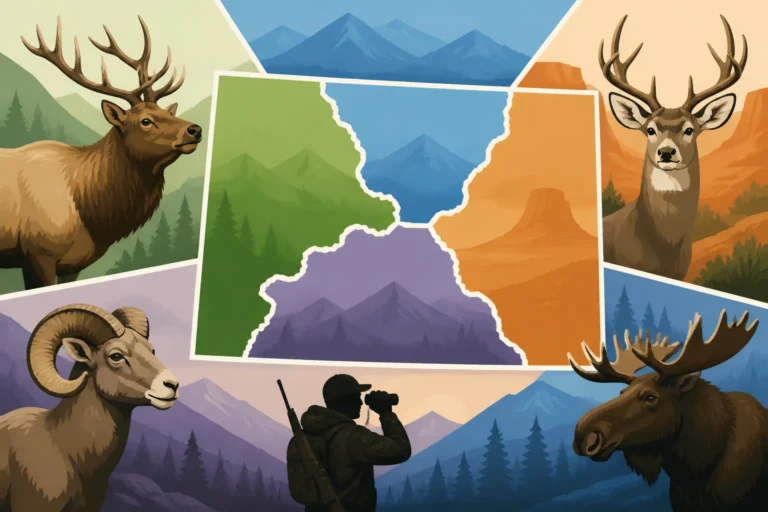
Trying to figure out what you can realistically hunt in Colorado can feel like sifting through a mountain of regulations and draw odds, often leaving you more confused than when you started. It's a vast state with incredible opportunities, but knowing where to start and what species are even on the table is the first crucial step. This guide is here to break down the diverse array of big game, small game, and even turkey hunting opportunities Colorado offers, helping you navigate the possibilities and plan your next adventure.
Colorado's Big Game: The Flagship Species
When most folks think about hunting in Colorado, their minds immediately jump to big game. And for good reason! Colorado boasts some of the most robust populations of iconic Western species, drawing hunters from all corners of the country. But it's not just about what's available; it's about understanding the nuances of each species, from their habitats and behaviors to the specific tag requirements and seasons. Getting a handle on these details upfront is essential for any successful hunt planning.
The Majestic Elk
Elk hunting in Colorado is truly legendary, and it’s often the primary draw for both residents and non-residents alike. We have the largest elk herd in North America, consistently offering incredible opportunities year after year. However, this popularity also means significant hunter pressure in some areas, especially during the rifle seasons. Understanding the difference between bull and cow tags, and how seasons impact elk behavior, is paramount.
Bull Elk vs. Cow Elk Hunting
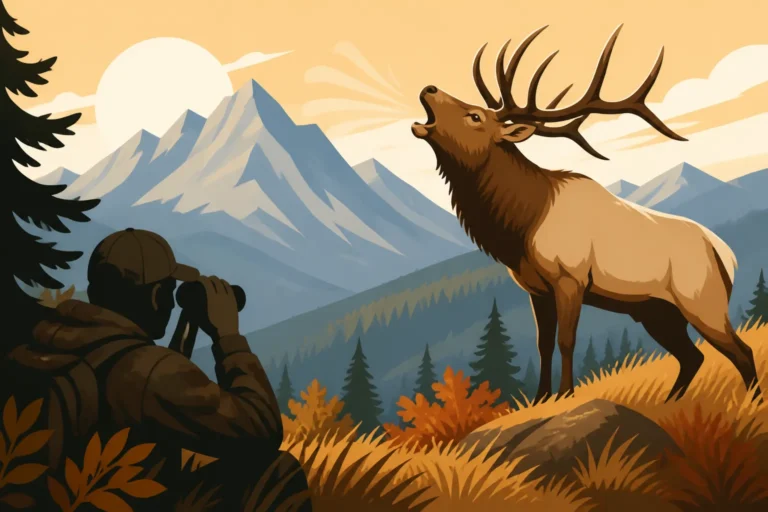
Hunting bull elk is often seen as the pinnacle, a quest for antlers and the thrill of a bugling encounter. Bull tags are generally harder to come by, especially for prime units and seasons. You’ll typically need to apply in the draw for most bull tags, and some of the more sought-after areas require years of preference points. The hunt itself focuses on mature males, often during the rut, which means covering extensive ground in challenging terrain, reading sign, and mastering various calling techniques. It's physically demanding and mentally taxing, but the reward of a hard-earned bull is unmatched.
Cow elk hunting, on the other hand, is a fantastic opportunity for meat hunters, first-time elk hunters, or those looking to extend their time in the field without the pressure of a trophy. Cow tags are often easier to draw, and many are available over-the-counter (OTC) in certain rifle and archery seasons, particularly in specific Game Management Units (GMUs). These hunts are crucial for herd management, helping to control populations and balance resources. While the thrill might be different, a freezer full of delicious elk meat is an incredible prize, and the experience of hunting these magnificent animals remains deeply satisfying. Many hunters find cow elk hunts less physically strenuous, as cows tend to stick to more accessible areas outside of the rut, though demanding high-country cow hunts are certainly an option for those seeking a challenge.
Elk Seasons and Prime Times
Colorado offers a variety of elk seasons, each with its own character and challenges. Archery season, typically in late August and September, coincides with the early rut, offering exciting opportunities to call in bulls. It demands stealth, patience, and proficiency with a bow. Muzzleloader season follows, often overlapping with the peak of the rut, providing another intense, close-range hunting experience, albeit with more limited weapon range. Then come the four rifle seasons, starting in October and running through November. The 1st rifle season is limited to draw tags only, often in prime units with less pressure. The 2nd and 3rd rifle seasons offer the most OTC options for non-residents and residents, but also experience the highest hunter density. The 4th rifle season, usually in mid-November, can be phenomenal if snow pushes elk down, but tags are generally limited draw.
For detailed dates and application periods, always check the Colorado Parks and Wildlife (CPW) big game brochure. Hunters often strategize their applications based on these timelines. For instance, those pursuing a high-country bull might focus on early archery or muzzleloader tags, while a family looking for meat might target a late 2nd or 3rd rifle season cow tag. Understanding how the Colorado Hunting Seasons Explained system works is crucial for planning.
Popular Elk Hunting Regions
Elk are widespread across western Colorado, inhabiting dense timber, aspen groves, and high alpine basins. Some of the most iconic elk hunting areas include the vast Flat Tops Wilderness Hunting Guide in northwestern Colorado, known for its sheer numbers of elk and roadless backcountry. The White River National Forest Hunting is another massive area, offering a mix of accessible and remote opportunities. Further south, the San Juan Mountains and the Gunnison Basin are also elk strongholds, characterized by rugged terrain and breathtaking scenery. Each region presents its own unique challenges and rewards, from timber-choked canyons to expansive open parks. Using tools like GoHunt can be incredibly beneficial for researching specific GMUs, understanding draw odds, and scouting terrain remotely. These platforms provide invaluable data on herd numbers, success rates, and public land access, helping hunters make informed decisions about where to focus their efforts.
Mule Deer: The High-Country Monarchs
Mule deer are another crown jewel of Colorado hunting, known for their impressive antlers and graceful movements through rugged landscapes. While elk populations might be larger, mule deer offer a different, often equally challenging, and rewarding pursuit. They primarily inhabit the western slope, from high alpine summer ranges to lower elevation wintering grounds.
Mountain vs. Plains Mule Deer
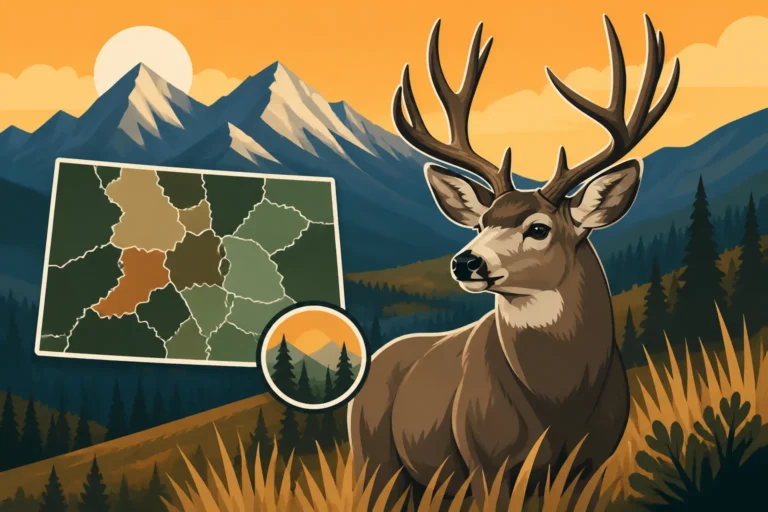
Colorado's mule deer can broadly be categorized into two groups based on their habitat: mountain mule deer and plains mule deer. Mountain mule deer are what most hunters envision: large-antlered bucks living in the vast national forests and wilderness areas, often at high elevations during the warmer months. Hunting these deer typically involves extensive glassing, covering steep terrain, and enduring variable weather. Success often hinges on finding their migration routes or locating them in dense cover. The focus here is usually on older, larger bucks that have learned to elude hunters.
Plains mule deer, found on the eastern plains, present a completely different hunting experience. These deer often inhabit agricultural fields, river bottoms, and sparse sagebrush country. While they might not reach the same antler potential as their mountain cousins, they offer unique hunting challenges, often involving spot-and-stalk tactics in open terrain or hunting near water sources. Tags for plains mule deer can sometimes be easier to draw, making them a viable option for hunters seeking a different kind of deer hunt. Understanding these differences can significantly impact your hunting strategy and expectations, from the gear you pack to the scouting methods you employ.
Draw Odds and Tag Strategies
Unlike many elk tags, most mule deer tags in Colorado are draw-only, with very few over-the-counter options, especially for bucks. This means careful planning and building preference points are crucial. Trophy units, particularly those known for producing Boone and Crockett bucks, can require many years, even a decade or more, of accumulated points. Non-residents face even stiffer competition due to allocation limits. GoHunt provides excellent resources for analyzing draw odds, helping you decide whether to burn your hard-earned points on a high-demand tag or opt for a unit that requires fewer points but still offers a quality hunting experience.
For those just starting out, applying for a point-only option each year is a smart strategy to build up points for future hunts. Alternatively, some hunters target units with lower point requirements but still decent success rates for a chance at a respectable buck. It's a careful balancing act between immediate gratification and long-term trophy potential. The How Many Points for a Colorado Mule Deer Tag article offers more in-depth advice on navigating this complex system.
Key Mule Deer Habitats
Mule deer are incredibly adaptable, but generally prefer areas with a mix of open country for feeding and dense cover for bedding and security. In the mountains, this means aspen stands, dark timber, sagebrush flats, and rocky slopes. During the summer, they'll often be found in high-elevation basins and above timberline, where cooler temperatures and lush forage abound. As fall progresses and hunting seasons open, they begin their migration to lower elevations, following traditional routes to their winter range. Identifying these migration corridors and understanding how weather, especially early snow, influences their movement is a critical skill for success.
On the plains, mule deer stick to creek bottoms, sparse timber, and areas with tall grass or dense brush that offer concealment. They are often found near agricultural fields, browsing on crops at dawn and dusk. E-scouting using mapping software to identify these habitat types and potential travel routes before your hunt can give you a significant advantage, helping you narrow down vast landscapes to productive hunting areas.
Pronghorn: Speedsters of the Plains
Often overlooked by hunters focused on mountains, pronghorn offer a unique and exhilarating hunting experience on Colorado's eastern plains. These animals, often mistakenly called "antelope," are the fastest land mammals in North America and possess incredible eyesight, making them a true challenge for any hunter.
Eastern Plains Opportunities
Colorado's eastern plains are prime pronghorn country. From the vast shortgrass prairies of northeastern Colorado near Sterling and Akron, extending south towards Limon and Lamar, these areas are dotted with private ranches and significant tracts of public land, particularly Bureau of Land Management (BLM) and State Trust Lands. Hunting these open landscapes requires a completely different approach than mountain hunting. Long-range glassing is key, as pronghorn can spot you from incredible distances. Unlike elk or deer, they don't rely on thick cover for concealment, preferring to use their speed and keen senses to evade predators.
While much of the land on the plains is private, Colorado's Walk-In Access (WIA) program and State Trust Lands (STL) offer crucial public hunting opportunities. Hunters need to be diligent in researching access points and land boundaries, using detailed maps like those found on the Colorado Hunting Atlas. This ensures you're hunting legally and ethically, respecting private property boundaries.
Archery vs. Rifle Tactics
Pronghorn hunting offers distinct challenges whether you choose a bow or a rifle. For archery hunters, getting within bow range of a pronghorn buck is a formidable task due to their incredible eyesight and the open terrain. Decoying is a popular and often effective tactic, where a hunter or a partner uses a pronghorn decoy to entice a dominant buck to come within range, often out of curiosity or territorial aggression. Stalking is also possible but requires exceptional camouflage, patience, and often crawling for hundreds of yards across barren ground. Archery season for pronghorn typically runs from mid-August through September, overlapping with the rut, which can make decoying particularly effective as bucks are more aggressive.
Rifle hunting for pronghorn allows for longer shots, often out to 300-400 yards or more, given the open landscape. Spot-and-stalk is the primary method, involving locating a desirable buck, planning an approach using topography for cover, and then making a precise shot. However, even with a rifle, getting close enough for a clean, ethical shot without being spotted is a significant challenge. The general rifle seasons usually run for a few days in late September or early October, making for a fast-paced and exciting hunt. Knowing How to Hunt Colorado Pronghorn with a Bow or rifle will dictate your gear and approach.
Draw System for Antelope Tags
Pronghorn tags are almost exclusively draw-only in Colorado, and like mule deer, many units require preference points. However, the point requirements for pronghorn often aren't as high as for trophy elk or deer units, making them a more attainable drawn tag for many hunters within a few years. Non-residents generally face tougher odds, but consistent application can pay off.
The primary draw occurs in spring, and it’s important to research specific hunt codes and their associated draw odds. Some units offer "either-sex" tags, allowing you to harvest a buck or a doe, which tend to be easier to draw. "Buck-only" tags are more competitive. For those eager to hunt sooner, leftover tags can occasionally become available after the main and secondary draws, though these are rare and snatched up quickly. Tools from GoHunt can again be invaluable for understanding the odds and selecting the best units based on your point totals and desired experience.
Black Bear: Challenging and Rewarding
Black bear hunting in Colorado offers a unique and often underappreciated challenge. These intelligent animals are notoriously elusive, making a successful bear hunt a testament to a hunter's skill and persistence. Colorado's bear population is robust, and regulated hunting plays a vital role in managing their numbers and reducing conflicts with humans.
Spring vs. Fall Bear Hunts
Colorado offers both spring and fall bear hunting seasons, each with distinct characteristics. Spring bear season is typically in April and May, often coinciding with bears emerging from hibernation. During this time, bears are focused on finding food after their long winter's fast, often foraging on green-up in open slopes, lower elevation drainages, and south-facing aspects. This can make them more visible, but still incredibly cautious. Spring hunts are exclusively by draw tag, and success often comes from patiently glassing vast landscapes and moving into position when a bear is spotted feeding. It’s a challenging time due to unpredictable weather and the sheer amount of country to cover.
Fall bear season, from September to November, often overlaps with archery, muzzleloader, and early rifle seasons for elk and deer. Many hunters purchase an add-on bear tag to their deer or elk license, offering a dual-species opportunity. Fall bears are focused on hyperphagia – putting on as much fat as possible before hibernation. This means they can be found in areas with abundant food sources like acorns, berries, and fallen fruit. Hunting often involves glassing oak brush patches, chokecherry thickets, or areas with significant mast crops. The challenge is that they are often sharing the same habitat as elk and deer, so discretion and careful shot placement are paramount.
Spot-and-Stalk or Hound Hunting
In Colorado, hunters have two primary methods for pursuing black bears: spot-and-stalk or using hounds. Spot-and-stalk hunting, as mentioned, relies on optics, patience, and silent movement. It's an incredibly immersive experience, requiring hunters to locate a bear, assess its size and sex (to ensure legality), and then execute a careful stalk, often through thick cover. This method is popular with bowhunters and rifle hunters alike and embodies the spirit of fair chase. It demands excellent physical condition, map reading skills, and an intimate understanding of bear behavior.
Hound hunting, while more specialized, is a legal and effective method in Colorado. Hunters with well-trained bear hounds will track bears, often at night or early morning, until the dogs tree or bay the bear. This method offers a more guaranteed encounter but requires significant investment in dogs, training, and equipment. Hound hunts are usually conducted with an outfitter experienced in managing a pack of dogs in rugged terrain. It’s a very active form of hunting, often involving fast-paced chases through dense timber.
Bear Tag Availability
Bear tags in Colorado are generally available as either draw-only or over-the-counter add-on tags with a deer or elk license. Spring bear tags are always draw-only, and while not requiring as many preference points as some other big game, they still require an application. Fall bear tags can often be purchased as an add-on during the licensing period, making them a popular choice for big game hunters already in the field. This allows for a fantastic opportunity to fill two tags in one trip.
However, even with OTC add-on tags, hunters must be aware of specific unit restrictions and season dates. Some units may be closed to bear hunting, or have specific restrictions on method of take or dates. Always consult the current CPW big game brochure for the most up-to-date regulations. For non-residents, a Colorado hunting license and a Habitat Stamp are required, along with the bear tag itself.
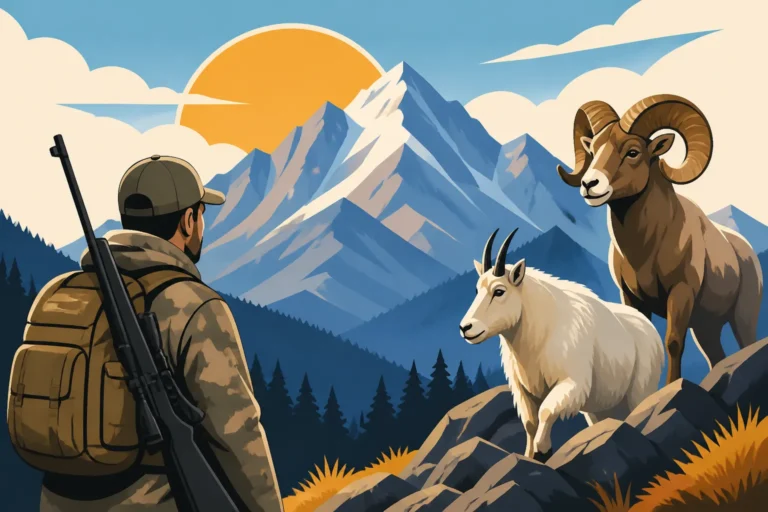
Bighorn Sheep and Mountain Goats: The Ultimate Trophy
For many hunters, pursuing a bighorn sheep or mountain goat represents the pinnacle of North American big game hunting. These animals inhabit some of the most spectacular and unforgiving terrain in Colorado, and drawing a tag for either is often a once-in-a-lifetime opportunity.
Extremely Limited Tags and High Demand
Let's be blunt: drawing a bighorn sheep or mountain goat tag in Colorado is incredibly difficult. We're talking lottery odds. There are very few tags issued each year for these species, and the demand is astronomically high. This means that hunters often apply for decades, accumulating "weighted preference points" (a system that favors those who apply more consistently) with the hope of one day drawing that golden ticket. For many, it's a dream that may never materialize, but the allure of the mountains and these incredible animals keeps them applying.
There are no over-the-counter options for sheep or goat tags, nor are there guaranteed landowner tags. Every tag is part of a highly competitive draw. This intense competition makes research even more critical, as hunters try to understand the nuances of each unit, population trends, and past draw success rates. The Colorado Bighorn Sheep Hunting Guide delves deeper into these challenges.
Habitat and Physical Demands
Bighorn sheep and mountain goats live in true high-alpine environments, often at elevations exceeding 10,000 feet. Bighorns prefer steep, rocky slopes, open ridges, and grassy ledges where they can escape predators. Mountain goats, on the other hand, favor the most precipitous, craggy, and snow-covered peaks, often clinging to cliffs that seem impossible to navigate. Hunting either species requires exceptional physical fitness, advanced mountaineering skills, and a complete comfort with extreme exposure and unpredictable mountain weather.
The hunt itself is arduous, involving long days of hiking, climbing, and glassing. Hunters must be prepared to carry heavy packs, navigate treacherous terrain, and potentially spend days at high altitude. Gear must be top-notch – from specialized boots and layering systems to high-quality optics capable of spotting these animals from miles away. The mental fortitude required is immense, as is the ability to adapt to rapidly changing conditions. Success on these hunts is a combination of luck in drawing the tag, extensive preparation, and the willingness to push physical and mental limits. This is truly the realm of the dedicated mountain hunter.
Moose: North Park Giants
While not as widespread as elk or deer, Colorado has a healthy and growing moose population, primarily in the North Park region. Moose are incredible animals, and hunting them offers a distinct challenge, focusing on their unique habitat and behaviors.
North Park and Other Moose Strongholds
North Park, situated in north-central Colorado, is arguably the state's moose capital. The willow-choked river bottoms, dense timber, and high-elevation basins of areas like the Routt National Forest provide ideal habitat for these impressive animals. Other strongholds include parts of the Flat Tops and the San Juan Mountains, but North Park remains the most consistent for moose sightings and hunting opportunities. These areas are characterized by abundant water sources, thick willows, and spruce-fir forests, providing both food and cover.
Moose hunting differs significantly from elk hunting. Instead of vast, open country, moose often inhabit dense, swampy areas where their dark coats make them incredibly difficult to spot. Their immense size, however, makes them unmistakable when encountered. Hunting typically involves slowly still-hunting through thick timber and willow bottoms, or glassing openings adjacent to these areas at dawn and dusk. Understanding their preferred browse, primarily willows and aquatic vegetation, is key to locating them.
Managing Expectations for Moose Tags
Like bighorn sheep and mountain goats, Colorado moose tags are extremely difficult to draw. This is another highly coveted, once-in-a-lifetime tag that often requires many years, if not decades, of accumulated preference points. The limited number of tags issued reflects the desire to maintain healthy populations and provide a quality hunting experience. Non-residents face even longer odds due to the preferential allocation for residents.
For aspiring moose hunters, the strategy is similar to other low-opportunity species: apply consistently each year for a preference point. There are no over-the-counter moose tags, and very few, if any, leftover tags. Hunters should not expect to draw a moose tag quickly, but rather view it as a long-term goal. Even if you don't draw, the process of applying and researching these magnificent animals and their habitats keeps the dream alive.
Turkey and Small Game: Opportunities for All Seasons
While big game often dominates the conversation, Colorado offers a wealth of opportunities for turkey and small game hunters, providing options throughout the year and for hunters of all skill levels. These hunts can be incredibly fun, teach valuable field skills, and often involve less intense draw systems.
Colorado Turkey Hunting
Colorado is home to the Merriam's wild turkey, a strikingly beautiful subspecies found throughout the state's forested and mountainous regions. Turkey hunting here can be incredibly exciting and challenging, offering both spring and fall seasons.
Spring turkey season is the most popular, typically running from mid-April through May. Hunters aim to call in strutting toms, mimicking hen sounds and gobblers to entice them into shooting range. This requires patience, stealth, and proficiency with various calls. Prime turkey habitats include ponderosa pine forests, riparian zones, and mixed oak-brush country, particularly on the Front Range, in the southwest near Durango, and in central Colorado around areas like Salida. Tags are generally over-the-counter in most units, though some limited draw units exist.
Fall turkey season, usually in September and October, is a different ball game. While calling can still work, fall hunts often focus on locating flocks, busting them up, and then calling individual birds back together. This is a great way to fill the freezer, and tags are typically over-the-counter. Whether you prefer the vocal interactions of spring or the strategic game of fall, Colorado turkey hunting is a fantastic pursuit. You can learn more in our detailed guide on Colorado Turkey Hunting Guide.
Upland Birds, Rabbits, and Coyotes
Beyond big game and turkey, Colorado boasts diverse small game opportunities that are often accessible and provide excellent skill-building experiences.
- Upland Birds: Hunters can pursue a variety of upland birds, including dusky grouse (blue grouse) in the mountains, sharp-tailed grouse on the prairies, and pheasants and quail in agricultural areas of the eastern plains. Ptarmigan offer a unique high-alpine challenge, often turning white in winter for camouflage. Hunting these birds often involves walking vast areas with a good bird dog, or strategic flushing in known habitats. Tags are generally over-the-counter with a small game license.
- Rabbits: Cottontail rabbits and snowshoe hares are abundant in many parts of the state. Cottontails are found in brushy areas, river bottoms, and suburban fringes, while snowshoe hares prefer high-elevation conifer forests. Rabbit hunting is a great entry point for new hunters, offering fast-paced action and delicious table fare. Seasons are long, and tags are typically OTC with a small game license.
- Coyotes: Coyote hunting is allowed year-round in Colorado, with no bag limits and often no specific license required beyond a small game license (check current regulations). Coyotes are intelligent predators, and hunting them can be a thrilling challenge involving calling, decoying, and long-range shooting. They are found throughout the state, from plains to mountains.
These small game pursuits offer year-round opportunities to hone skills, spend time outdoors, and even put some wild game on the table, often without the need for complex draw applications or extensive travel.
A Snapshot of Colorado Hunting Opportunities
To help visualize the range of hunting opportunities available in Colorado, here's a helpful table summarizing key aspects of various species. Remember that regulations can change, so always verify current information with CPW. Using resources like GoHunt can help you stay current on these ever-changing variables.
| Species | Primary Habitat | Typical Season Type | Typical Season Dates | Draw Difficulty (1-5, 5=Hardest) | Key Considerations |
|---|---|---|---|---|---|
| Elk | Mountains, Forests, Alpine Basins | Draw (bull) / OTC (cow) | Aug-Nov (Archery/Muz/Rifle) | 3-5 (Bull), 1-3 (Cow) | Physical demands, public land pressure |
| Mule Deer | Mountains, Forests, Eastern Plains | Mostly Draw | Oct-Nov (Archery/Muz/Rifle) | 3-5 | Preference points, high-country scouting |
| Pronghorn | Eastern Plains, Grasslands | Mostly Draw | Aug-Oct (Archery/Rifle) | 2-4 | Open country, keen eyesight, decoying |
| Black Bear | Forests, Oak Brush, Riparian Areas | Draw (Spring) / OTC (Fall) | Apr-May (Spring) / Sep-Nov (Fall) | 2-3 | Elusive, dual-species opportunity in Fall |
| Moose | Willow Bottoms, Dense Timber (North Park) | Draw Only | Sep-Oct | 5 | Extremely high points, specialized habitat |
| Bighorn Sheep | High-Alpine Cliffs, Rocky Slopes | Draw Only | Aug-Sep | 5 | Once-in-a-lifetime, extreme physical demands |
| Mountain Goat | Extreme High-Alpine Peaks | Draw Only | Aug-Oct | 5 | Once-in-a-lifetime, extreme physical demands |
| Turkey | Ponderosa Pine, Oak Brush, Riparian | Mostly OTC | Apr-May (Spring) / Sep-Oct (Fall) | 1 | Calling skills, identifying roosting areas |
| Dusky Grouse | Mountain Forests (Spruce/Fir/Aspen) | OTC | Aug-Nov | 1 | Bird dogs, still-hunting through timber |
| Pheasant/Quail | Eastern Plains (Agricultural, Brushy Cover) | OTC | Nov-Jan | 1 | Permission on private land, dog work |
| Cottontail | Brushy Cover, Riparian Zones | OTC | Sep-Feb | 1 | Easy access, great for beginners |
Planning Your Colorado Hunt: Getting Started
Successfully hunting in Colorado is a marathon, not a sprint. It requires research, planning, patience, and often a bit of luck. Whether you're a seasoned Western hunter or someone dreaming of their first Rocky Mountain adventure, understanding the logistics is key.
Navigating the Draw System and Licenses
The Colorado Parks and Wildlife (CPW) draw system can be complex, especially for big game. Most coveted tags for species like bull elk, mule deer, moose, sheep, and goats are allocated through a lottery system that utilizes preference points. Understanding How to Apply for a Colorado Hunting License and how preference points accumulate and affect your draw odds is paramount. For many species, especially if you're a non-resident, building points over several years is a necessary strategy. The primary draw deadline is typically in early April, so planning well in advance is essential. Don't forget the required Habitat Stamp, which supports wildlife management and public access programs.
For over-the-counter (OTC) opportunities, primarily for some elk rifle seasons, archery elk, and many small game species, tags can be purchased directly without applying in the draw. However, even OTC units have specific regulations regarding legal weapons, unit boundaries, and season dates, which must be thoroughly understood. Make sure to check the specific unit you plan to hunt, as OTC availability can change from year to year, as seen with Colorado 2026 OTC Elk Changes.
Essential Gear and Physical Preparation
Colorado's diverse terrain and weather demand appropriate gear and physical conditioning. For big game hunting, especially in the mountains, a good quality backpack, comfortable and durable boots, and a layering system for clothing are non-negotiable. Optics, including binoculars and a spotting scope, are critical for glassing vast landscapes. Navigation tools like a GPS or a smartphone with mapping apps (e.g., OnX Hunt) are invaluable for staying found and understanding land boundaries. Don't underestimate the importance of hydration and nutrition in the backcountry.
Beyond gear, physical preparation is paramount. Hunting at high altitudes can be incredibly demanding, often much more so than flatland hunting. Aerobic fitness is crucial, as is preparing for steep climbs with heavy packs. Many hunters start an Colorado Elk Hunt Fitness Plan months in advance, incorporating hiking with weight, stair climbing, and general strength training. Acclimatizing to elevation, if possible, for a few days before your hunt can also make a significant difference in your performance and enjoyment.
Research and E-Scouting Tools
In today's age, effective research and e-scouting can make or break a hunt. Tools like GoHunt Insiders provide a wealth of data, including draw odds, unit breakdowns, success rates, and interactive maps that show public/private land boundaries, historical fire data, and topographic features. Utilizing these resources to study potential GMUs, identify likely animal habitats, and pinpoint access points can save countless hours of boots-on-the-ground scouting.
Beyond digital tools, pouring over CPW’s annual big game statistics, reading hunting forums, and talking to other experienced hunters can provide invaluable insights. Pay attention to factors like herd numbers, winter severity, and past hunter pressure in a given unit. A well-researched plan, coupled with diligent e-scouting, can greatly increase your chances of success and ensure you're making the most of your time in Colorado's incredible hunting grounds.
Final Thoughts on Colorado's Hunting Landscape
Colorado truly offers a spectrum of hunting opportunities, from the most challenging, once-in-a-lifetime draws for majestic sheep and goats, to accessible over-the-counter hunts for elk, turkey, and small game. It’s a state where dreams of a trophy bull can be pursued alongside opportunities for a freezer full of venison, or a thrilling afternoon chasing upland birds. The key to unlocking these opportunities lies in understanding the unique characteristics of each species, mastering the draw system, and preparing diligently for the physical and mental demands of hunting in the Rocky Mountains. Whether you're chasing the high-country mule deer or calling in a spring gobbler, Colorado provides an unforgettable experience for every type of hunter.
Disclaimer
Please note that hunting regulations, season dates, and tag availability in Colorado are subject to change by Colorado Parks and Wildlife (CPW). It is the hunter's responsibility to consult the most current CPW regulations and brochures before planning and engaging in any hunting activities. This guide is for informational purposes only and should not be considered a substitute for official CPW resources.