How to Handle Cold-Weather Gear for Colorado
Heading out into the Colorado mountains for a hunt means bracing yourself for a real challenge, not just from the terrain or the elk, but from the weather itself. One minute you could be glassing a sunny slope, shedding layers, and the next, a whiteout blizzard can roll in, dropping temperatures drastically and making every decision critical. The struggle to stay warm, dry, and effective when the mercury plummets is a constant frustration for hunters, and improper gear handling can quickly turn an exciting trip into a dangerous ordeal. This guide is dedicated to helping you master the art of cold-weather gear management, ensuring you're prepared for whatever Mother Nature throws at you in the high country.
Understanding Colorado's Mountain Weather Extremes
Hunting in Colorado isn't like hunting in a flat, predictable environment. The Rocky Mountains are their own beast, with weather patterns that can change on a dime and dramatically impact your gear strategy. It's not just about cold, it's about how the cold manifests and how quickly it can become dangerous.
The Rapid Shifts and Unpredictability
One of the biggest frustrations for hunters, especially those new to Colorado, is just how fast the weather can turn. You might wake up to crisp, clear skies, perfect for a morning stalk, and by midday, heavy snow squalls or freezing rain can descend. This isn't an exaggeration; it's a common occurrence, particularly in the later seasons. I've been on hunts near Steamboat Springs where we started in bright sunshine, only to be post-holing through knee-deep fresh powder by afternoon. This rapid change means your gear can't just be cold-weather gear; it needs to be dynamic cold-weather gear, easily adaptable and capable of handling multiple conditions without weighing you down or leaving you exposed. Planning for this unpredictability is key, and it often means carrying more than you think you need, but in a way that’s organized and accessible.
How Elevation Impacts Temperature and Wind Chill
The higher you climb in Colorado, the colder it gets, and the stronger the wind tends to blow. This might seem obvious, but the scale of the difference can be staggering. For every 1,000 feet you ascend, the temperature can drop by 3 to 5 degrees Fahrenheit. Factor in wind chill, especially in exposed alpine basins or on high ridges, and a seemingly mild 30-degree day can feel like zero. When you're working hard climbing up to a glassing point at 11,000 feet, you'll sweat. Then, when you stop to glass, that sweat cools rapidly, and a biting wind can steal your warmth in minutes, leading straight to hypothermia if you're not careful. This is why understanding how to layer for a Colorado elk hunt is paramount, allowing you to regulate your body temperature effectively whether you're climbing a steep ridge or sitting motionless for hours. The wind above the timberline, in particular, can be relentless, turning even a good jacket into a mere suggestion if it's not truly windproof.
The Art of Layering: Your Cold-Weather Defense System
Successful cold-weather hunting in Colorado hinges on one fundamental principle: layering. It's not about wearing one massive, bulky coat, but rather creating a system of interconnected garments that work together to manage moisture, trap heat, and protect against external elements. Think of it as an onion – each layer serves a specific purpose, and you can add or shed them as conditions and your activity level dictate.
Base Layers: Wicking Away the Chill
Your base layer is the foundation of your cold-weather defense, and frankly, it's often the most overlooked. Its primary job is to wick moisture (sweat) away from your skin, even when you're working up a sweat climbing a steep incline or packing out an elk. If that sweat stays against your skin, it cools rapidly, drawing heat from your body and making you feel much colder, much faster. This is how you get chilled even when you're wearing plenty of insulation.
When choosing base layers, you're generally looking at two main materials: Merino wool or synthetic fabrics. Merino wool, like that from brands such as Smartwool or Icebreaker, is fantastic because it's naturally antimicrobial (so it doesn't stink after days in the field), incredibly soft, and excels at regulating temperature. It keeps you warm even when damp. Synthetics, often made from polyester blends, are usually more budget-friendly, incredibly durable, and dry very quickly. Brands like Sitka Gear or First Lite offer excellent synthetic options designed for high-exertion activities. The key is a snug fit, not restrictive, to maximize that wicking action. A loose base layer won't pull moisture away as effectively. I always bring at least two sets of base layers on a multi-day hunt – one for active use, and a dry, clean set for sleeping or for a fresh start on a particularly cold morning. This simple swap can make a huge difference in comfort and warmth.
Mid-Layers: Insulation Without Bulk
Once your base layer is managing moisture, your mid-layers step in to provide the crucial insulation that traps your body heat. The goal here is to add warmth without adding unnecessary bulk that would restrict movement or make you feel like the Michelin Man. You'll typically have one or two mid-layers, depending on the expected temperatures and your activity level.
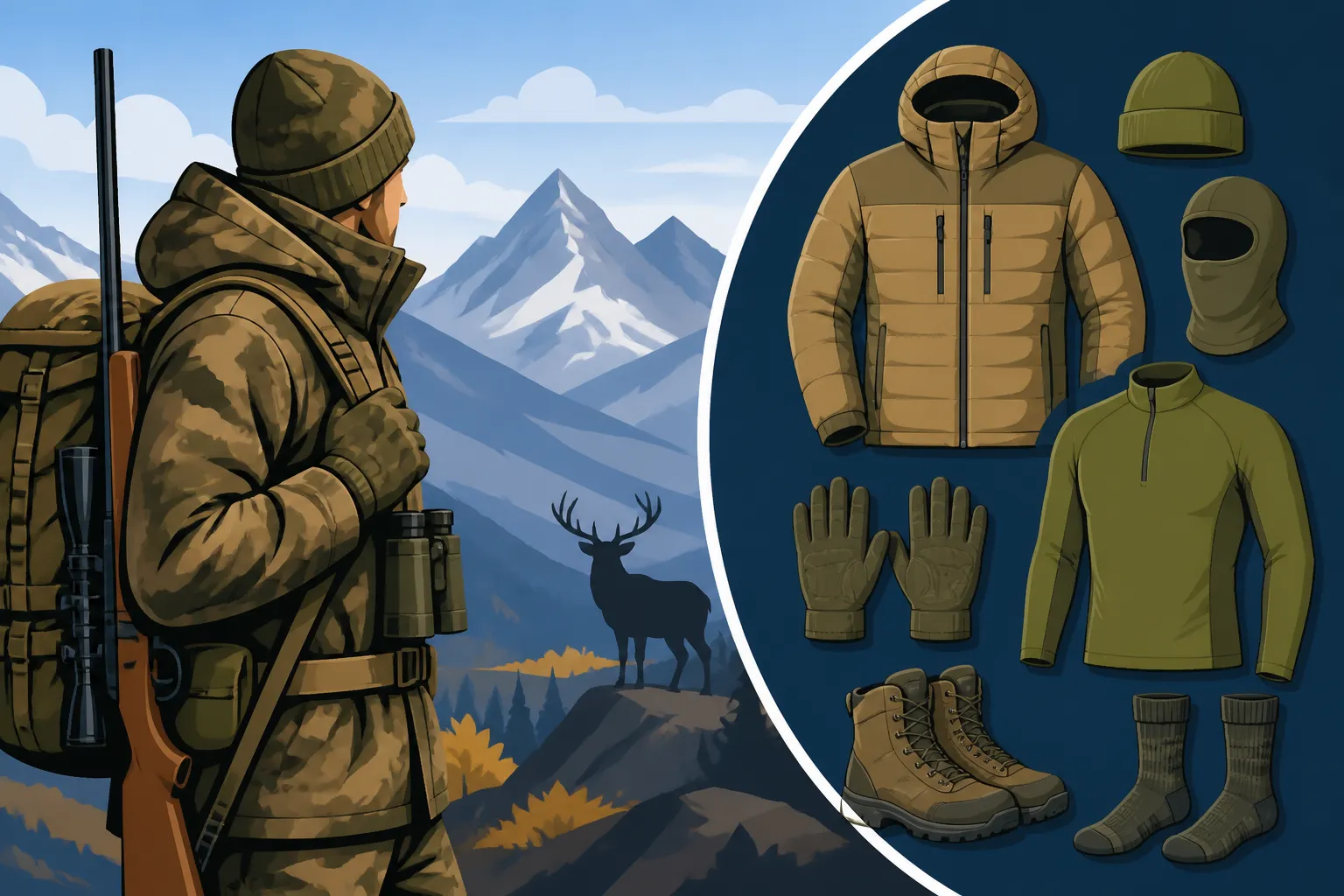
Fleece, especially grid fleece or heavier technical fleece, is a perennial favorite. It's lightweight, breathable, and insulates well even when slightly damp. Down and synthetic puff jackets are also excellent choices for mid-layers, especially for static warmth during glassing sessions or at camp. Down is incredibly warm for its weight but loses almost all its insulating properties when wet, which can be a real problem in snowy or rainy Colorado conditions. Synthetic insulation, like PrimaLoft or Coreloft, found in jackets from companies like Kuiu or Patagonia, offers a great warmth-to-weight ratio and, critically, retains much of its insulating power even when wet. I often carry a lightweight fleece as an active mid-layer and a puffy synthetic jacket that I can throw on over everything when I stop moving. The ability to shed or don these layers quickly is vital. When I'm climbing hard, I might be down to just a base layer and a light fleece, but the moment I hit the top to glass a basin, that puffy comes out and goes on, sometimes even under my shell, to prevent getting cold. When you're scouting potential elk hot spots, services like GoHunt can provide valuable insights into terrain and elevation, helping you anticipate where you'll be actively moving versus where you'll be stationary and needing that extra insulation.
Outer Shells: Battling Wind and Wet
Your outer shell is your ultimate line of defense against the elements – wind, rain, and snow. It needs to be tough, waterproof, and windproof, but also breathable enough to allow some moisture (from your inner layers) to escape, preventing the "boil in the bag" effect. This is particularly crucial in Colorado, where a bluebird morning can turn into a nasty snow squall faster than you can say "bull elk."
Gore-Tex and similar proprietary waterproof/breathable membranes are the industry standard for good reason. They keep precipitation out while allowing sweat vapor to escape, striking a balance that's hard to beat. Look for shells with features like pit zips (underarm vents) and adjustable cuffs and hoods, which allow for fine-tuning ventilation. A good shell should be durable enough to withstand brush, rocks, and the general abuse of backcountry hunting. I've found that softshell jackets can be a great option for drier, colder conditions where wind protection is paramount but full waterproofing isn't always needed, as they offer more breathability and stretch. However, for serious Colorado elk hunting, especially during unpredictable seasons, a hardshell with true waterproof capabilities is non-negotiable. Remember, your shell is what protects your carefully chosen insulating layers from becoming wet and useless. Think of it as a mobile fortress against the mountain's wrath.
Essential Cold-Weather Accessories and Their Role
Beyond your core layering system, a few key accessories can make all the difference in maintaining warmth and comfort in the Colorado cold. These smaller items are often the first to be overlooked, but they are absolutely critical for preventing frostbite and staying in the field longer.
Hands, Feet, and Head: The First to Freeze
These extremities are your body's early warning system for cold, and they're also the most susceptible to heat loss and cold-weather injuries. Your body prioritizes keeping your vital organs warm, often at the expense of your fingers and toes.
- Hands: Forget those flimsy gloves you wear in town. For Colorado hunting, you need a system. I usually bring three options: a thin pair of merino or synthetic liner gloves for dexterity and light warmth, a mid-weight pair of fleece or insulated gloves that offer more warmth but still allow for some dexterity (like manipulating calls or working a rifle bolt), and a heavy-duty pair of mittens or insulated gloves for extreme cold or during long periods of inactivity. It's also smart to carry a few hand warmers for emergencies. For tasks requiring fine motor skills, a "trigger finger" mitten or a glove with a fold-back finger cap can be invaluable.
- Feet: Cold feet are miserable feet. Invest in high-quality wool or synthetic socks. Again, Merino wool is excellent for its warmth and moisture-wicking properties. Avoid cotton at all costs; it holds moisture and loses all insulating value when wet. I generally wear a thinner liner sock under a thicker wool hunting sock. Make sure your boots are waterproof, well-insulated, and provide ample ankle support for the rugged terrain. Learn more about the Best Boots for Colorado Elk Hunting. Always pack at least two extra pairs of dry socks; changing into a fresh, dry pair mid-day or before bed can feel like a miracle.
- Head and Neck: You lose a significant amount of body heat through your head. A warm beanie or stocking cap is essential. For really nasty weather, a balaclava or neck gaiter can cover your face and neck, protecting against biting wind and snow. I never leave camp without at least two head coverings – a lighter one for active hunting and a thicker one for cold stops or sleeping.
Strategic Gear Management: Storing and Protecting Your Kit
Having all the right gear is one thing; managing it effectively in the field is another challenge entirely. You can have the best cold-weather clothing in the world, but if it's wet, lost, or inaccessible, it's useless.
- Dry Bags and Stuff Sacks: Waterproof stuff sacks are your best friend. Use them to organize and protect critical items like extra base layers, socks, and your puffy jacket. Even if your backpack is water-resistant, a day of heavy rain or snow can soak through. Keeping your sleeping clothes in a completely dry bag is non-negotiable for comfort and safety in the backcountry. I've seen too many hunts ruined by a sleeping bag that got damp.
- Backpack Organization: Develop a system for your backpack. Know exactly where your rain gear, extra insulation, and emergency supplies are. These items should be easily accessible without having to unpack your entire bag. When using digital scouting tools like those offered by GoHunt, you can often identify potential bedding areas or travel corridors that might dictate more active movement or longer glassing sessions, influencing which layers you'll want immediately available. This foresight allows you to be more strategic about packing.
- Ventilation and Drying: Whenever possible, air out your gear. If you're in a wall tent with a stove or even just under a tarp, try to hang damp items to dry. Even bringing them into your sleeping bag at night can help dry them with your body heat, though that's not always the most pleasant experience. Never pack away wet clothes if you can avoid it; this is how mildew forms and insulation compresses, losing its effectiveness. This level of preparation is crucial for a successful Colorado backcountry hunting guide trip.
Field Tactics for Staying Warm and Safe
It’s not just about the gear you bring; it’s about how you use it and how you manage your body in the harsh Colorado environment. Smart field tactics are just as important as the layers on your back.
Active vs. Static Warmth: Managing Body Heat
Understanding the difference between active and static warmth is a game-changer for cold-weather hunting. When you're actively moving – climbing hills, still-hunting through timber – your body generates a lot of heat. The goal here is to vent excess heat and moisture to prevent sweating. This often means shedding layers before you start a strenuous climb. I often find myself taking off my outer shell and even my puffy mid-layer if I know I'm about to embark on a big ascent. The moment you stop moving, however, that heat production plummets, and you become vulnerable to the cold.
This is where static warmth comes in. As soon as you stop for a break, to glass, or to call, immediately add layers back on. Your puffy jacket and a warm hat should be the first things you reach for. Sitting motionless on a snowy ridge, trying to How to Call in a Silent Bull, you'll feel the cold seep in incredibly quickly. Don't wait until you're shivering to add warmth; anticipate it. This proactive approach ensures you maintain a comfortable core temperature, conserving energy and keeping you focused on the hunt. Remember to bring high-energy snacks and a thermos of hot coffee or soup; these can provide a welcome internal boost of warmth during a long, cold day of Late-Season Elk Hunting Tactics.
Emergency Preparedness: When the Cold Bites Hard
Even with the best planning, things can go wrong. A sudden injury, getting disoriented, or an unexpected change in weather can leave you exposed and facing severe cold. This is where your emergency preparedness truly shines. Every hunter in Colorado's mountains should carry a "survival kit" or at least a few critical items that can mean the difference between discomfort and catastrophe.
This kit should include a reliable fire starter (multiple options are best, like waterproof matches, a lighter, and a ferro rod), a space blanket or emergency bivy sack, extra high-energy food, a headlamp with spare batteries, and a way to communicate (satellite messenger like a Garmin inReach or Zoleo, or a fully charged phone with a portable charger). Knowing How to Pack for a Colorado Backcountry Hunt means dedicating space to these non-negotiable safety items. I always ensure my group knows where my emergency medical kit is, and that it contains items suitable for cold-weather injuries like severe cuts or potential frostbite. Understanding basic first aid for hypothermia and frostbite is also paramount. A small, lightweight shovel can be surprisingly versatile, not just for digging a cat hole, but for clearing snow for a camp or even creating a hasty snow shelter in a pinch. Don't underestimate the mountains; they demand respect and thorough preparation.
Cold-Weather Gear Comparison Table
Here's a quick comparison of common materials used in cold-weather gear to help you make informed choices:
| Material Type | Pros | Cons | Best Use Scenario |
|---|---|---|---|
| Merino Wool | Excellent warmth-to-weight, wicks well, stays warm when damp, naturally odor-resistant, soft. | Can be expensive, less durable than synthetics, slower drying than synthetics. | Base layers, mid-layers, socks. Ideal for multi-day hunts where odor control and consistent warmth are key. |
| Synthetic | Dries quickly, highly durable, often more affordable, retains insulation when wet. | Can develop odor, not as warm as down for weight, can feel less natural. | Base layers, mid-layers, outer shells, insulation in puffy jackets. Great for high-exertion activities and wet conditions. |
| Down | Unbeatable warmth-to-weight ratio, extremely compressible. | Loses insulation when wet, expensive, requires careful washing. | Static mid-layers, sleeping bags. Best for dry, cold conditions where packing light is critical. |
| Fleece | Breathable, lightweight, insulates when damp, relatively inexpensive, comfortable. | Not windproof, can be bulky, not waterproof. | Mid-layers for active use, camp wear. |
| Gore-Tex/Other Membranes | Waterproof, windproof, breathable. | Can be noisy, less breathable than non-waterproof fabrics, expensive. | Outer shells for rain, snow, and strong winds. Essential for protection from external moisture. |
The key takeaway is that no single material is perfect for every situation. A balanced system incorporating the strengths of each will serve you best during your Colorado Elk Hunting: Backcountry Tactics adventures. Whether you're planning for How to Hunt Elk in the Snow or simply trying to stay comfortable in a chilly Colorado fall, managing your gear is as important as managing your hunt plan.
Disclaimer
Hunting is an inherently dangerous activity. The information provided in this guide is for informational purposes only and should not be considered a substitute for professional training, personal experience, or adherence to all local, state, and federal hunting regulations. Always prioritize safety, check weather forecasts, scout your hunting area thoroughly, and inform others of your plans. Be prepared for emergencies and understand the limits of your own abilities and equipment.