How to Hunt Elk in Third Rifle Season
Hunting elk in Colorado's Third Rifle season presents a unique set of challenges that can often leave even experienced hunters scratching their heads. The weather can swing wildly from mild autumn days to full-blown winter blizzards, drastically changing elk behavior and making your carefully laid plans feel irrelevant. This guide is dedicated to helping you navigate these dynamic conditions, offering actionable strategies to locate and harvest elk when the mountains are transitioning and hunter pressure is often at its peak.
Understanding Third Rifle Season Dynamics
Third Rifle season in Colorado, typically running in early to mid-November, is a pivotal time. It’s a period of transition where the high country often starts to get significant snow, pushing elk into their winter range, but sometimes the mild weather holds, keeping them higher than anticipated. This unpredictability is what makes it so challenging, and yet, so rewarding when you figure it out.
The Impact of Volatile Weather Conditions
One of the biggest factors you'll contend with during the Third Rifle season is the weather. You might start your hunt with crisp, cool mornings and sunny afternoons, only to wake up the next day to a foot of fresh snow and single-digit temperatures. This isn't just a minor inconvenience; it fundamentally alters elk movement and behavior.
Early snowstorms, especially heavy ones, can act like a trigger, sending elk pouring out of the highest elevations down to their traditional wintering grounds. They're seeking refuge from deep snow, looking for more accessible forage, and trying to conserve energy. This is where knowing historical migration routes and north-facing slopes becomes absolutely critical. If the weather remains mild, however, elk might linger in higher basins much longer than you'd expect, enjoying the remaining accessible feed. This creates a difficult puzzle for hunters, forcing you to be incredibly adaptable and ready to change your strategy on a dime. You might spend days hunting the lower country, only to find the elk are still up high because a major storm hasn't hit yet.
Navigating Increased Hunter Pressure
Let's be honest, public land elk hunting in Colorado, especially during a rifle season, can feel like a crowded affair. The Third Rifle season often sees a significant number of hunters, both residents and non-residents, because it offers a good balance between potential for rut activity (though it's winding down) and the onset of winter migrations. This means that if you're hunting an accessible area, you're likely sharing it with others.
Increased pressure pushes elk into thicker cover, often into the dark timber or steep, north-facing slopes where they feel more secure. They become more nocturnal, moving at dawn and dusk, and bedding down quickly in areas that offer maximum concealment. This isn't necessarily a bad thing, but it means you can't just stroll through open parks expecting to see herds. You need to focus on hunting smarter, not just harder. Understanding how to hunt elk on public land pressure is vital during this season. This might involve getting further away from roads, glassing extremely thoroughly, or employing still-hunting tactics in dense timber where other hunters are reluctant to go. Remember, elk are masters of evasion; they will use every advantage the terrain offers to avoid people.
Shifting Elk Behavior Post-Rut
By Third Rifle season, the intense breeding activity of the rut is largely over. Bulls are no longer bugling incessantly or challenging each other. They're often exhausted from weeks of chasing cows and fighting, and their primary focus shifts to feeding and recovering lost weight before winter truly sets in. This means calling tactics, while still having their place, are generally less effective than during the peak rut.
Elk will often form larger, mixed-sex herds as they move towards winter ranges, or bulls might form bachelor groups again, seeking solitude and high-calorie forage. They become quieter, more wary, and tend to move less during daylight hours. Your strategy needs to reflect this change. Instead of focusing on calling in an aggressive bull, you'll be concentrating on finding fresh sign, identifying feeding and bedding areas, and often employing more stealthy hunting methods. Knowing how to hunt elk after the rut is critical for success in this period.
Effective Scouting and Planning for Third Rifle
Success in the Third Rifle season is heavily weighted towards preparation and a willingness to adapt. The dynamic nature of this period means you can't just rely on what worked last year; you need to be constantly assessing and adjusting.
Pre-Season Digital Scouting Deep Dive
Before you ever set foot in the timber, your e-scouting efforts should be meticulous. This is where tools like GoHunt, OnX Hunt, and other mapping platforms truly shine. Start by identifying potential early wintering grounds. Look for areas with a mix of dark timber for cover and south-facing slopes that will shed snow faster and hold accessible forage longer. These are often the first places elk will gravitate to when the snow starts to fly.
Pay close attention to historical migration corridors. Elk often use the same routes year after year, and identifying these funnels can be a game-changer when a big snowstorm pushes them down. Look for drainages, saddles, and benches that connect high-elevation summer range to lower-elevation winter range. Platforms like GoHunt can provide valuable insights into specific unit characteristics, past harvest data, and even topographical features that are often overlooked. It's not just about looking at a map; it's about interpreting what the landscape is telling you about how elk will move under various conditions. Map out several contingency plans based on different weather scenarios – what if it snows a foot? What if it stays warm? Having these plans ready means you won't be scrambling once you're on the ground.
On-the-Ground Reconnaissance and Adaptability
While digital scouting is powerful, nothing replaces boots on the ground. If you have the luxury of scouting a few days before the season opens, focus on finding fresh sign. Look for tracks, droppings, and rubbed trees, paying close attention to their freshness. Remember, elk move, so a week-old track might not mean they're still in the area. Look for bedding areas – typically thick timber on a bench or ridge, offering good visibility and protection from the wind.
Crucially, pay attention to current snow lines and how the elk are reacting. Are they already pushed down into lower elevations, or are they still up high? Is there a noticeable migration happening? Be prepared to adjust your hunting area if conditions change drastically. I’ve seen hunters stick to a plan even when all the evidence on the ground indicated the elk had moved, and they ended up empty-handed. Flexibility is your most important tool. Have a plan A, B, and C for different weather patterns. This is where being a seasoned hunter comes in; you need to be able to read the signs and trust your gut.
Key Hunting Strategies for Success in Third Rifle Season
With the rut fading and winter approaching, your hunting strategies need to evolve. This isn't the time for aggressive bugling; it's time for quiet, deliberate, and often challenging hunting.
Mastering Still-Hunting and Glassing
When elk go quiet and become more reclusive, still-hunting and glassing become your best friends. Still-hunting involves moving incredibly slowly and deliberately through promising habitat, pausing frequently to scan and listen. Think of it as stalking without a specific animal in sight. You’re looking for a flick of an ear, a patch of hide through the trees, or a subtle movement. Focus on areas with good cover, like dense timber or brushy draws, especially those that offer security and accessible forage. Move into the wind, paying close attention to thermals in the morning and evening as they shift. This method is exhausting but highly effective for finding bedded elk or those moving quietly through cover.
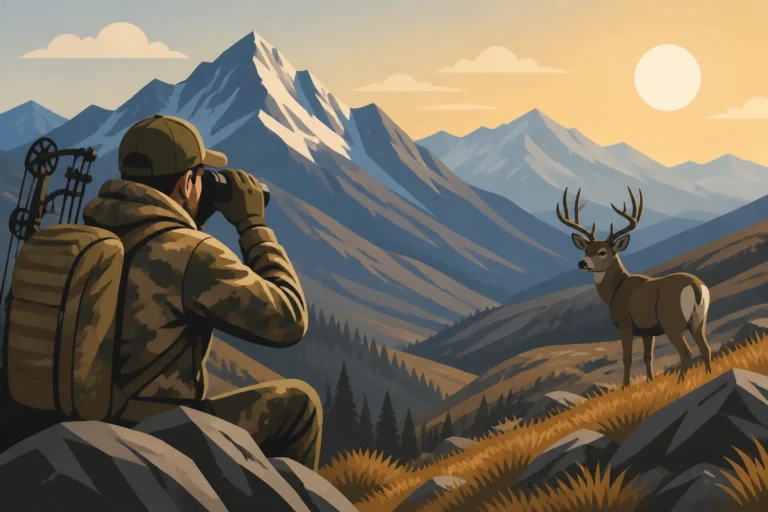
Glassing is equally important, particularly in areas with open parks, clear-cuts, or along timber edges where elk might feed in the low light. Use quality optics, like a good set of binoculars and a spotting scope if covering vast basins. Spend long periods behind your glass, picking apart every shadow and anomaly. Elk are masters of camouflage, and what looks like a rock or a stump can often resolve into an elk if you're patient enough. Target south-facing slopes in the mornings and evenings, especially after a snow event, as elk will often move to these areas to feed and warm up. This is a skill that takes practice, but it's invaluable for locating animals that are otherwise hidden. For more on this, check out our guide on how to glass big Colorado basins.
Focusing on Transition and Security Areas
During Third Rifle, elk are often caught between their summer high-country haunts and their lower-elevation wintering grounds. This makes transition zones prime hunting territory. Look for benches, saddles, and ridge lines that connect these two worlds. Elk will use these features as travel corridors, especially during periods of heavier snow, as they seek easier passage and accessible forage.
Security areas are also paramount. With increased hunter pressure, elk will quickly retreat to the thickest, nastiest, steepest timber they can find. Don’t shy away from these areas. Often, the bigger bulls will be tucked away in these spots, relying on their size and the difficult terrain to evade hunters. North-facing slopes, with their dense conifer forests and slower snow melt, offer excellent thermal cover and concealment. Learning how to hunt North-Facing Slopes for Elk can provide a significant advantage. It might mean getting into terrain that makes you uncomfortable, but that’s often where the elk are. Dedicate your efforts to systematically working through these pockets of cover, especially during the middle of the day when elk are typically bedded.
Strategic Use of Calling and Tracking
While the rut is mostly over, calling still has a place, but it needs to be used more sparingly and subtly. Soft cow calls or even subtle mews can sometimes pique a bull's curiosity, especially if he's alone or with a small group of cows. It's less about challenging and more about sounding like a contented herd. If you do get a response, be prepared for them to come in cautiously, if at all. It's a low-percentage play compared to the rut, but sometimes it's just enough to make a difference. Knowing how to call elk in Colorado is a skill that serves you well in any season, even if the tactics change.
Tracking becomes a more viable option, particularly after a fresh snowfall. New snow acts like a fresh canvas, clearly showing you where elk have been moving. Look for large, fresh tracks and follow them slowly and methodically. This isn't a race; it's a chess match. Pay attention to how the tracks behave – are they meandering and feeding, or are they straight-lining and fleeing? Are there multiple sets, indicating a herd? Fresh tracks leading into thick timber are a golden opportunity, but approach with extreme caution, as the elk are likely bedded nearby and on high alert. This is how you hunt elk in the snow.
Essential Gear and Physical Preparation
Colorado's Third Rifle season can be physically demanding and expose you to harsh conditions. Being properly equipped and physically ready is not just about comfort; it's about safety and increasing your chances of success.
Cold Weather Clothing and Layering Systems
The unpredictable nature of early November weather in Colorado means you need a versatile clothing system. Layering is not just a suggestion; it's a necessity. Start with a good synthetic or merino wool base layer that wicks moisture away from your skin. Mid-layers should provide insulation, such as fleece or lightweight puffies. Your outer layer needs to be waterproof and windproof to protect against snow, sleet, and biting winds.
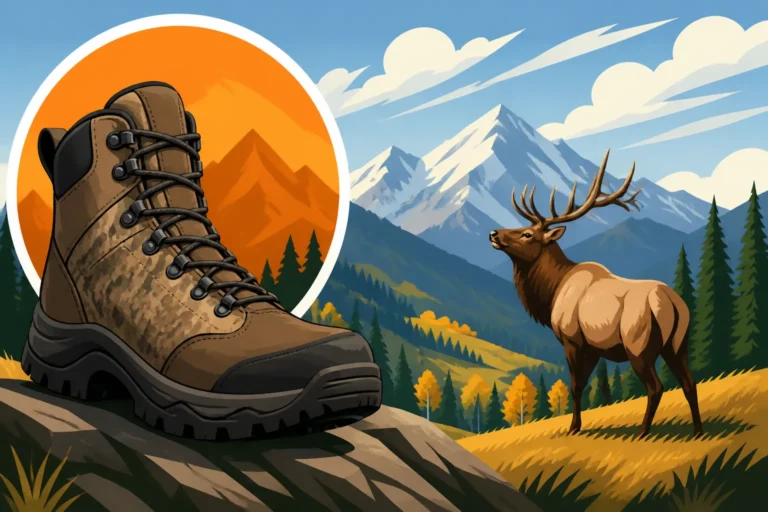
Don't forget proper headwear, gloves, and warm, waterproof boots. Your hands and feet are often the first to get cold, leading to discomfort and even dangerous situations. Consider having multiple pairs of gloves – thin liners for dexterity, and heavy insulated ones for static glassing or extreme cold. Good quality wool socks are also crucial to prevent blisters and keep your feet warm. Brands like Sitka, KUIU, and First Lite offer excellent layering systems designed for mountain hunting that can adapt to rapid temperature changes.
Navigation, Safety, and Emergency Preparedness
Venturing into Colorado's backcountry, especially during unpredictable weather, demands serious attention to navigation and safety. Always carry a reliable GPS device, whether it's a dedicated unit or a robust mapping app on your phone like OnX. Have a physical map and compass as a backup, and know how to use them, even if you rely heavily on electronics. Batteries die, and technology can fail.
An emergency kit is non-negotiable. This should include a first-aid kit, fire-starting materials (waterproof matches, lighter, fire starter), an emergency blanket or lightweight tarp, extra food, water purification tablets, and a headlamp with spare batteries. A satellite messenger device, such as a Garmin inReach or Zoleo, is highly recommended for communication outside of cell service and for emergency SOS capabilities. These devices can be literal lifesavers if you get lost or injured in remote terrain. It’s better to have it and not need it than to need it and not have it. For a comprehensive list, check out our Colorado Backcountry Hunting Gear List.
| Factor | Early Archery (Sep) | Third Rifle (Nov) | Late Rifle (Nov) |
|---|---|---|---|
| Typical Weather | Mild, warm days, cool nights | Variable, potential snow/cold | Cold, snow, deep winter |
| Elk Behavior | Peak rut, vocal, active | Post-rut, quieter, feeding | Winter range, conserving energy |
| Hunter Pressure | Moderate to high | High | Moderate to high |
| Calling Efficacy | High (bugling, cow calls) | Low to moderate (subtle calls) | Very low |
| Primary Tactics | Calling, spot & stalk | Still-hunt, glassing, tracking | Still-hunt, tracking |
| Snow Depth | Minimal | Variable, can be significant | Often deep, persistent |
Physical Conditioning for Mountain Challenges
Third Rifle season can be physically grueling. You might be post-holing through deep snow, climbing steep, icy slopes, or covering long distances over broken terrain, all while carrying a heavy rifle and pack. Starting a Colorado elk hunt fitness plan well in advance is crucial. Focus on cardiovascular endurance through activities like hiking with a loaded pack, running, or cycling. Incorporate strength training, especially for your legs, back, and core, to handle the demands of the mountains and packing out an elk.
Don't forget about altitude acclimation. If you're coming from a lower elevation, arriving a few days early to let your body adjust can make a significant difference in your performance and comfort. Proper hydration and nutrition are also key during the hunt itself. Exhaustion and dehydration can lead to poor decision-making and increased risk of injury. Being physically prepared allows you to hunt harder, longer, and more safely, giving you a distinct advantage over those who are not. If you're looking for more info on getting ready for the mountains, our guide on how to physically prepare for Colorado elk hunting is a great resource.
The Third Rifle season in Colorado is truly a hunter's hunt – challenging, unpredictable, but incredibly rewarding for those who come prepared and are willing to adapt. By understanding the dynamics of this unique time, employing smart strategies, and ensuring you're physically and mentally ready, you can greatly increase your odds of success and create a memorable backcountry experience.
Disclaimer
Hunting is an inherently dangerous activity. This guide provides general information and strategies, but local conditions, regulations, and personal skill levels vary. Always prioritize safety, adhere to all Colorado Parks and Wildlife regulations, and respect private property. The author and publisher are not responsible for any accidents, injuries, or legal issues incurred while hunting.