How to Hunt Elk in Early Archery Season
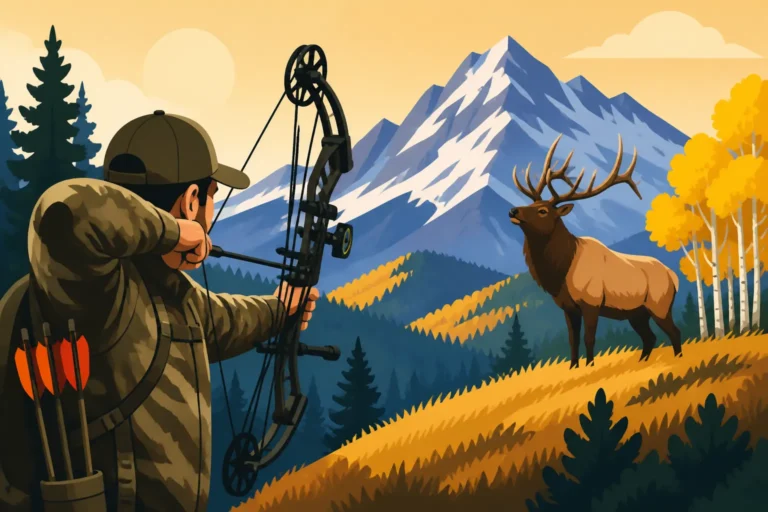
The early archery season in Colorado can be an incredibly tough nut to crack for elk hunters. You're often battling sweltering late summer heat, highly pressured animals, and the frustrating reality that the bugling action hasn't truly kicked off yet. This guide is here to walk you through the unique challenges of hunting elk during Colorado's early archery season and equip you with realistic, actionable strategies to boost your chances of punching a tag before the chaos of the rut truly begins.
Understanding Early Archery Season Conditions
Hunting elk in Colorado's early archery season, typically from late August through September, is a beast entirely of its own. It's often characterized by warm, sometimes scorching, temperatures and elk that are still largely in their bachelor groups, focused on feeding and conserving energy rather than chasing cows. Forget the screaming bugles of October; this period demands a different approach entirely.
The Climate and Elk Behavior
When that early archery season opens in Colorado, often the last thing on an elk's mind is breeding. They're still in their summer patterns, frequently seeking high-elevation basins, north-facing timber, and dense cover to escape the heat and abundant insects. Days can easily reach into the 70s or 80s, especially at lower and mid-elevations, making exertion for both hunter and elk a significant factor. This means elk movement is primarily crepuscular – dawn and dusk – with very little activity through the hot midday hours. They'll be feeding heavily in the cool mornings and evenings, often in more open parks or clearings, before retreating to thick, shady bedding areas during the day. Water sources become absolute magnets, drawing elk in for relief and hydration, making them prime locations for ambushes. Understanding the typical Colorado Archery Season Dates and how they align with this behavior is crucial for planning your hunt.
The bulls, especially, will often still be with their bachelor groups, occasionally sparring but not yet engaging in the full-blown rutting behavior we all dream of. Cows and calves will be in their own herds. You might hear an occasional, soft "location" bugle in the mornings or evenings, but it's rarely the aggressive, challenge bugling that characterizes the peak rut. This lack of vocalization can be incredibly frustrating, making it feel like the elk have simply vanished. This is why tactics like How to Call in a Silent Bull become particularly valuable during this time. You'll need patience and a keen eye to locate them.
Scouting Before the Season Starts
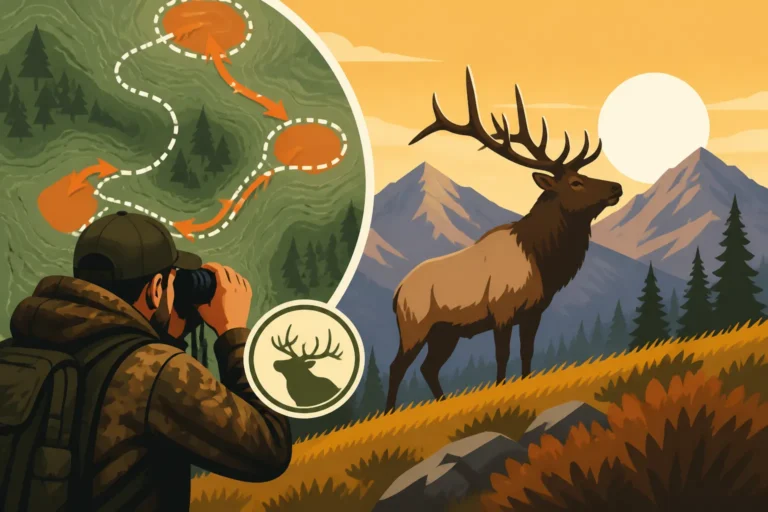
Successful early archery hunting hinges almost entirely on diligent, pre-season scouting. Since the elk aren't moving much or vocalizing widely, you need to know exactly where they are likely to be. This means pounding the dirt, using optics, and leveraging technology long before your tag is even notched. E-scouting platforms, like the detailed maps and data offered by GoHunt, can be invaluable for identifying potential hotspots. Look for historical summer range, areas with consistent water sources, lush feeding grounds, and, most importantly, dense, north-facing timber or high-elevation pockets that offer thermal cover from the sun.
When you're actually out in the field scouting, pay close attention to fresh sign: tracks, droppings, rubs (though these will be fewer than during the rut), and wallows. Early season wallows can be absolute goldmines, showing you where bulls are coming to cool off and socialize. Pay attention to the temperature of the water sources; colder springs are often preferred. Glassing from a distance during the early morning and late evening can reveal exact travel corridors from bedding to feeding areas. Remember, elk are creatures of habit, and in the early season, those habits are heavily dictated by comfort and basic needs like food, water, and shade. If you can find their summer patterns, you've got a huge advantage. This detailed preparation is key to a successful Colorado DIY Elk Hunting Guide experience.
Key Strategies for Early Archery Success
Since the classic rut-bugling tactics are mostly out the window, you'll need to pivot to more subtle and strategic approaches. Think like a predator, focusing on the elk's basic needs and exploiting their predictable patterns.
Focusing on Water Sources and Wallows
In the sweltering heat of early archery season, water is life, and elk are constantly seeking it out. This makes water sources, wallows, and even damp seeps incredibly high-percentage spots for an ambush. Identify these locations during your scouting phase and prioritize them. Elk will often visit water multiple times a day, not just for drinking but also to cool down in muddy wallows. Look for fresh tracks, mud on trees, and disturbed earth around these areas.
Setting up an ambush near a secluded water source or a well-used wallow can be a waiting game, but it often pays off. Consider setting up a ground blind or finding natural cover downwind, allowing you to intercept elk as they approach. This is where patience truly becomes a virtue. You might spend hours or even days waiting at a single spot, but the reward of a broadside shot at a relaxed bull can be well worth it. Think about the terrain: where will elk approach from? Where will they go after? Plan your shot and your recovery route meticulously. For more detailed insights, you might want to read up on How to Hunt Elk Wallows in Colorado and How to Hunt Elk Water Holes.
Employing Spot-and-Stalk Tactics
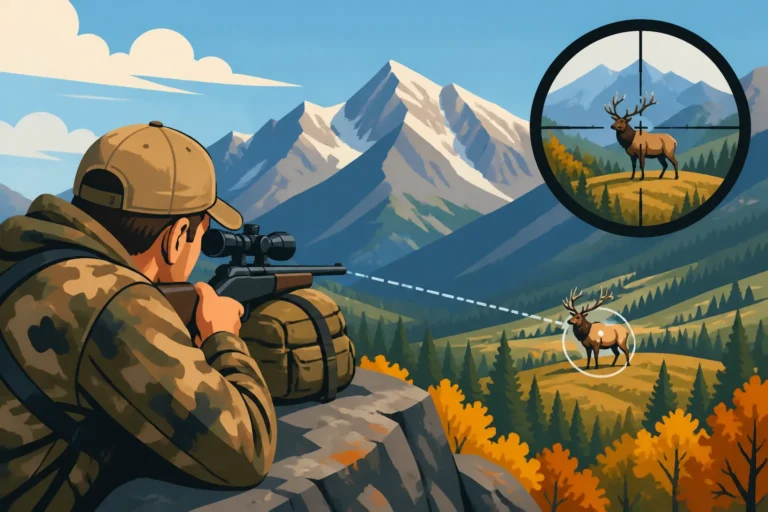
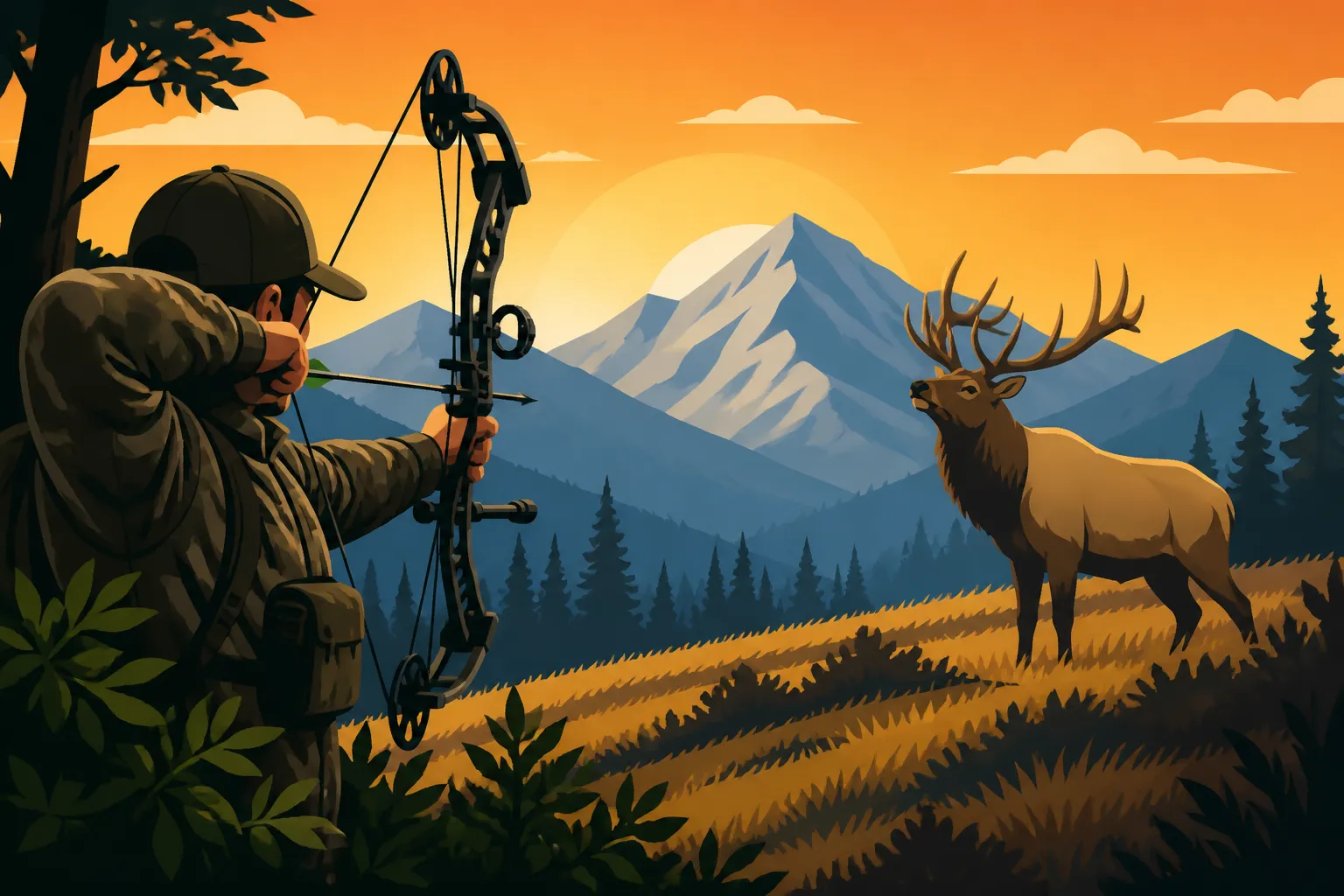
Given the lack of consistent bugling, spot-and-stalk hunting becomes one of the most effective methods for connecting with an elk in early archery season. This technique involves locating elk from a distance, usually by glassing, and then carefully planning and executing a stalk to get within bow range. This is often done in high-elevation basins or along timberlines where elk are feeding in the mornings and evenings.
The key to a successful spot-and-stalk is patience and meticulous observation. Use high-quality optics to scan open hillsides, meadows, and timber edges at first light and last light. Once you spot elk, don't rush. Take your time to observe their behavior, their direction of travel, and their bedding intentions. Use terrain features, wind direction, and thermals to your advantage. Early season thermals can be tricky, often rising in the morning and falling in the evening, so understanding How to Use Thermals in Colorado Elk Country is paramount. A good e-scouting app like GoHunt can help you analyze terrain features and plan a silent approach. The goal is to get within 60 yards or closer for a clean shot. This is a skill-intensive method that demands stealth, physical fitness, and an intimate understanding of elk behavior. For a deeper dive into this method, check out our Spot-and-Stalk Hunting in Colorado guide.
Calling in the Pre-Rut
While the aggressive bugling of the peak rut isn't typically present in early archery, calling can still be effective, though it requires a more nuanced approach. Think "social calls" rather than "challenge calls." Soft cow calls, mews, and the occasional subtle "location" bugle (a less aggressive, questioning bugle) can sometimes pique an elk's curiosity. You're not trying to challenge a bull to a fight; you're trying to convince him there might be a receptive cow nearby, or just another elk hanging out.
Sometimes, a soft cow call can draw in a curious bull that's not quite ready to rut but isn't entirely opposed to checking out a potential mate. Aggressive bugling will often scare off early-season elk, as they haven't conditioned themselves to respond to it. However, if you do get a response, especially a distant one, it can help you locate animals for a spot-and-stalk. If you decide to call, be ready for a quick shot, as early-season elk tend to be far warier and less committed to coming into calls than they are during the full rut. For more techniques, our guide on How to Call Elk in Colorado offers excellent advice.
Comparative Tactics for Early Archery
| Tactic | Pros | Cons | Best Use Case |
|---|---|---|---|
| Ambush Water | High percentage, predictable, less physical | Can be long waits, wind/thermals crucial | Hot days, known water sources, limited movement areas |
| Spot-and-Stalk | Highly effective for locating and closing | Demands stealth, fitness, good optics, wind | Open basins, feeding areas, bedded elk |
| Soft Calling | Can locate or pique curiosity | Easily overdone, elk can be wary | Complement to stalking, subtle location calls |
Gear and Preparation for Warm Weather
The early archery season’s unique conditions – particularly the heat – demand specific gear choices and physical preparation to stay effective and safe in the Colorado backcountry.
Lightweight Clothing and Hydration
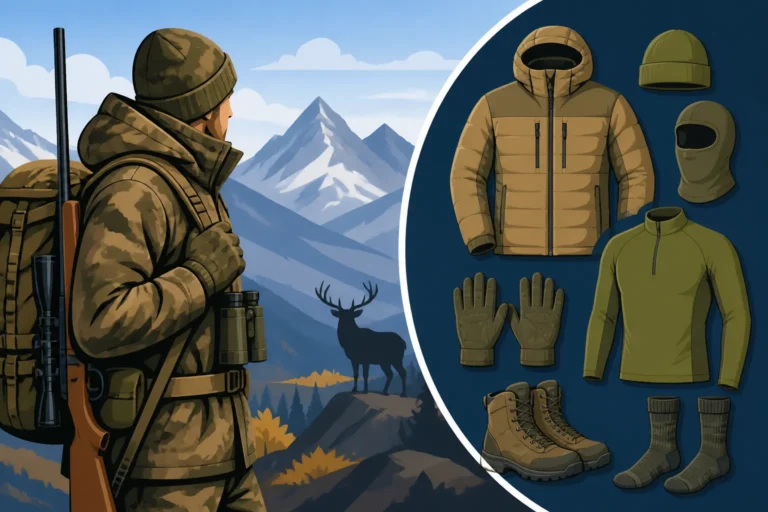
Forget your heavy merino layers and insulated jackets for the early season. You'll want lightweight, breathable, moisture-wicking clothing that can handle significant temperature swings. Mornings can still be cool, but by midday, you might be sweating buckets. A good layering system still applies, but prioritize base layers that manage sweat, and outer layers that offer sun protection and breathability. Brands like Sitka Gear or KUIU offer excellent options designed for active hunting in varied temperatures. Light-colored clothing can also help reflect heat.
Hydration isn't just important; it's absolutely critical. You'll be expending a lot of energy at elevation, and the heat will exacerbate dehydration. Carry more water than you think you need, whether it's through a hydration bladder in your pack or multiple bottles. Consider adding electrolyte supplements to your water. Plan your routes to include water refills if possible, and always know where your next water source is. A water filter or purification tablets are non-negotiable. Don't wait until you're thirsty to drink; sip constantly throughout the day. This level of preparation is also covered in our How to Physically Prepare for Colorado Elk guide.
Optics for Warm Weather Glassing
Good optics are always vital for elk hunting, but they become even more so in the early archery season when elk are less vocal and more visually elusive. You'll be spending a lot of time glassing from a distance, trying to locate those subtle movements in the timber or across a vast basin. High-quality binoculars (10×42 or 12×50) and a spotting scope (15-45x or 20-60x) are essential. When glassing in warm weather, especially as thermals start to rise and create heat distortion, having clear, high-resolution glass makes a huge difference.
Look for elk in shady pockets, along timber edges, and near water sources during the early morning and late evening. As the day heats up, elk often bed down in dense cover, making them extremely difficult to spot. Focus on looking for horizontal lines (an elk's back) in a world of vertical trees, or for the subtle flick of an ear. Using a tripod for your binoculars or spotting scope will significantly reduce eye fatigue and allow you to pick apart terrain more effectively. Many hunters rely on tools and data from platforms like GoHunt to narrow down their search areas, then use premium optics to confirm animal presence.
Post-Shot Procedures and Meat Care
You've done it! All that hard work and early season grit paid off. But the job isn't over. In fact, in the early season heat, the most critical part of the hunt is just beginning: rapid and effective meat care. Failure here can ruin your hard-earned harvest.
Rapid Field Quartering
Once you've made a successful shot and the elk is down, the clock starts ticking, especially if temperatures are above freezing. Your absolute top priority is to get the hide off the animal and the meat cooling as quickly as possible. This means rapid field quartering. Don't waste time dragging the animal back to camp or trying to hang it whole. Learn how to break down an elk into manageable pieces directly on the ground. This involves removing the four quarters, backstraps, tenderloins, neck meat, and anything else you plan to keep.
The "gutless method" is highly recommended for early season elk hunting, as it allows you to quarter the animal without opening the body cavity, thus keeping the meat cleaner and cooler. You'll need sharp knives, a sharpening steel or ceramic sticks, and plenty of game bags. Airflow is your friend. Get those game bags filled, hung in the shade, and off the ground immediately. If you have an unexpected success at a far-flung location, a solid game plan for How to Pack Out an Elk in Colorado will be invaluable.
Keeping Meat Cool in the Backcountry
With high temperatures, keeping the meat cool is paramount to prevent spoilage. Once quartered and in breathable game bags, find the coolest, shadiest spot available – often deep timber, a north-facing slope, or near a cold creek. You want maximum airflow around the meat. If possible, elevate the bags off the ground using fallen logs or branches to allow air to circulate completely around them. Avoid stacking bags directly on top of each other.
If you're in truly hot conditions, consider bringing along a lightweight tarp to create extra shade or even some dry ice if your base camp is accessible. The goal is to get the core temperature of the meat down as quickly as possible. This often means making multiple trips to pack out the meat, prioritizing the quarters first. Plan your pack-out strategy well in advance, especially knowing the distance to your vehicle and how quickly you can get the meat to a cooler with ice or a processor. Our detailed article on How to Keep Elk Meat Cool in Warm Weather provides indispensable advice for managing your harvest in challenging conditions. Don't let your hard work go to waste – proper meat care is a sign of respect for the animal and ensures you get to enjoy the delicious reward.
Disclaimer
Hunting is an inherently dangerous activity. Always prioritize safety, adhere to all Colorado Parks and Wildlife regulations, and be physically and mentally prepared for the challenges of the backcountry. This guide offers general advice, and individual hunting conditions may vary.