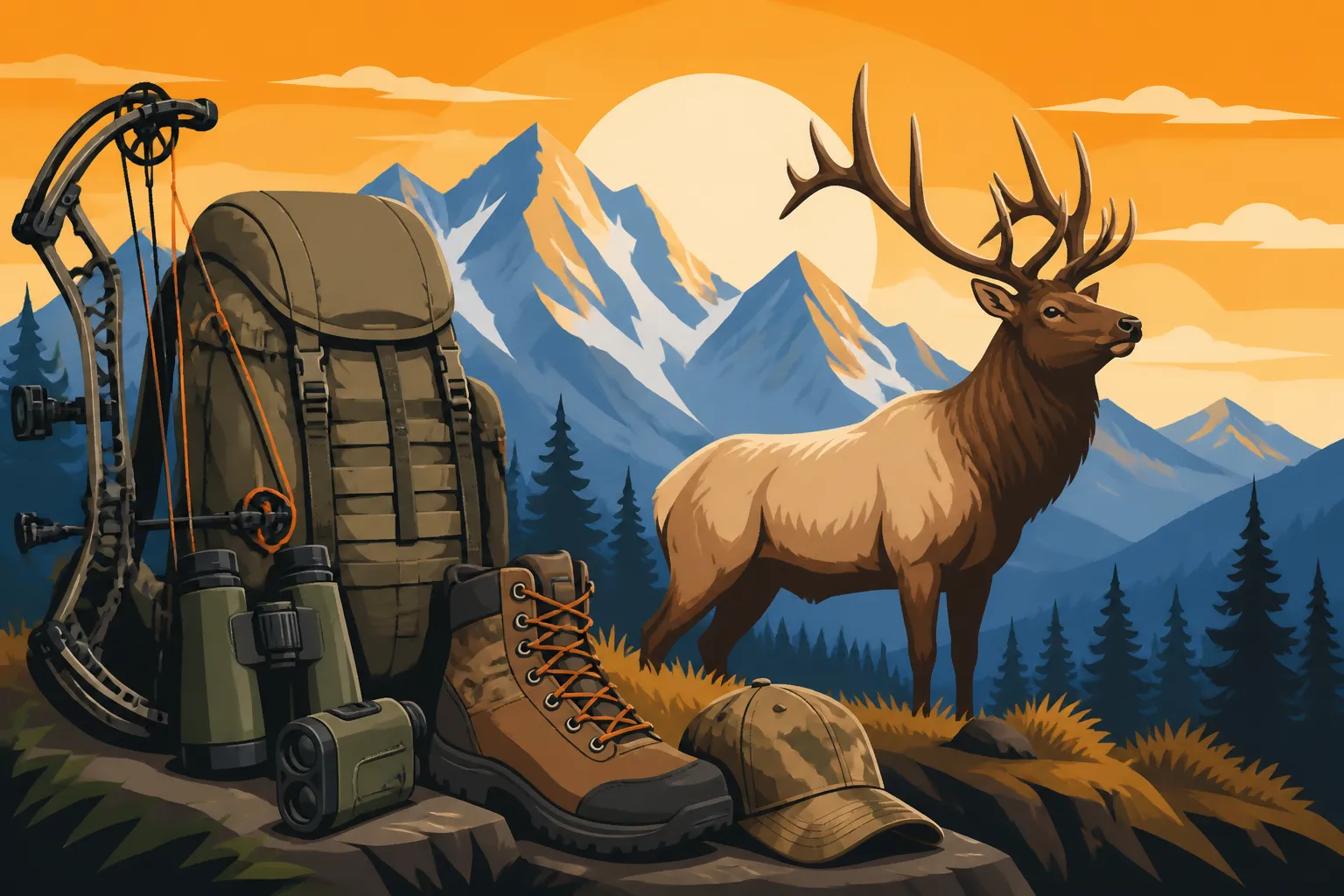
Best Colorado Elk Hunting Gear
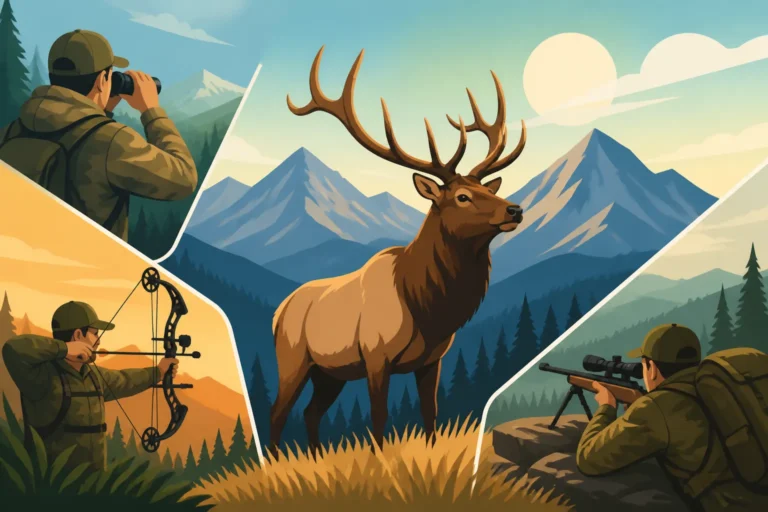
Heading into the Colorado backcountry for elk hunting can feel incredibly daunting, especially when you start looking at all the gear options out there. It's easy to get lost in a sea of specialized equipment, wondering if you're forgetting something critical or if you're just buying into hype. Trust me, I've been there, staring at a pile of supposed "essentials" and feeling completely overwhelmed. This guide is here to cut through the noise, offering a realistic look at the best Colorado elk hunting gear that truly matters for a successful and safe hunt.
The Foundation: Your Personal System
Before you even think about a rifle or a bow, your personal system—what you wear and how you carry it—is paramount. Colorado weather is notoriously fickle, capable of throwing all four seasons at you in a single day, and the terrain demands sturdy, reliable gear that can stand up to miles of abuse.
Layering for Colorado's Unpredictable Weather
One of the biggest mistakes newcomers make is dressing too warmly or not having enough versatility. You'll be busting your butt uphill in the morning, sweating buckets, only to find yourself shivering on a windy ridge an hour later as the clouds roll in. A good layering system is your best friend here, allowing you to add or shed clothes as your activity level and the weather dictate. Start with a moisture-wicking base layer—merino wool or a good synthetic is key, as cotton kills when wet.
On top of your base, you'll want an insulating mid-layer, perhaps a fleece jacket or a lightweight puffy. This is your core warmth that you can easily take off and stow in your pack when you're moving hard. Finally, a bombproof outer shell is non-negotiable. Look for something waterproof, windproof, and durable. You'll thank yourself when an afternoon thunderstorm opens up or when you're crawling through thick timber. Brands like Sitka Gear, KUIU, and First Lite offer excellent systems designed specifically for mountain hunting, but even more affordable options can work if you focus on the principles of layering with appropriate materials. Remember, the goal is to manage moisture and maintain core temperature, not just to stay "warm."
Your layering system isn't just about comfort; it's about survival. Hypothermia is a real threat in the mountains, even if temperatures aren't freezing. Getting soaked from rain or sweat and then exposed to wind can quickly become dangerous. Having a lightweight rain jacket and pants that pack down small in your pack, even on a sunny morning, is a non-negotiable insurance policy. Think about how many times you've been surprised by a sudden downpour at home; now imagine that happening miles from the truck at 10,000 feet. It's a completely different ballgame.
Footwear and the Importance of Foot Health
Your feet are your vehicle in elk country, and if they fail, your hunt is effectively over. Investing in high-quality boots specifically designed for mountain hunting is one of the smartest decisions you can make. Look for boots that offer excellent ankle support to prevent rolls on uneven terrain, rigid soles for stability on steep slopes and rocky trails, and waterproof membranes like Gore-Tex. Break them in thoroughly before your hunt—don't show up with brand new boots and expect happy feet. I've had hunts ruined by blisters, and it's a miserable experience trying to hike miles when every step is agony. A great resource for diving deeper into this specific topic is our guide on the best boots for Colorado elk hunting.
Beyond the boots themselves, the right socks are equally crucial. Merino wool socks are superior to cotton because they wick moisture, cushion your feet, and resist odor, even after multiple days of wear. Pack several pairs and change them daily, allowing damp socks to air out. Gaiters are another often-overlooked item that will keep debris, snow, and moisture out of your boots, extending their life and keeping your feet dry. When you're spending 10-12 hours a day on your feet, sometimes clocking 10-15 miles with significant elevation gain, every little bit of comfort and protection makes a huge difference.
Foot care extends beyond just good boots and socks. Carry moleskin, athletic tape, and a small tube of anti-chafe balm. If you feel a hot spot developing, address it immediately. Don't wait for a full-blown blister to form. Many experienced hunters even tape their feet preventatively in known problem areas. Remember, you can have the most expensive rifle and the best optics, but if you can't walk, you can't hunt. Prioritize your feet as if your success depends on it, because it truly does.
The Backpack: Your Mobile Basecamp and Hauler
Your backpack is more than just a place to carry snacks; it’s your mobile basecamp, your gear locker, and ultimately, your meat hauler. For elk hunting, you'll want a pack with a capacity of at least 45-65 liters for day hunting, and significantly more for backcountry spike camps. Look for an external or internal frame pack that can comfortably carry heavy loads. Once you harvest an elk, you'll be packing out 80-100+ pounds of meat, plus your gear. A pack designed for this specific purpose will save your back and sanity. The KUIU Icon Pro, Mystery Ranch Metcalf, or Exo Mtn Gear packs are popular choices for their robust frames and comfortable carry.
A good pack will have plenty of compression straps to secure your load, hip belt pockets for quick access to essentials like a rangefinder or snacks, and a way to carry your rifle or bow securely. Think about what you need to access quickly throughout the day versus items that can be buried deeper. For more comprehensive advice on selecting the right one, check out our piece on the best backpack for a Colorado elk hunt. When you're practicing for your hunt, don't just hike; hike with a weighted pack. It's a completely different physical demand when you add 30-40 pounds, let alone 80+ pounds of meat.
Before you even step foot in the woods, spend time adjusting your pack. Load it up with all your gear and hike around your neighborhood or on local trails. Ensure the hip belt sits properly, the shoulder straps are snug but not tight, and the load lifters are doing their job. A properly adjusted pack distributes weight effectively, preventing shoulder fatigue and making those long hikes much more bearable. When you have a quarter of an elk on your back, the last thing you want is a pack that's chafing, shifting, or causing undue pain. This is also where understanding How to Pack Out an Elk in Colorado becomes critical, as the method of loading meat into or onto your pack can significantly impact comfort and stability.
Seeing and Navigating the Mountain
In the vastness of Colorado's mountains, your ability to see game and know exactly where you are and where you're going is just as important as your physical prowess or shooting skills. The right optics and navigation tools can make or break a hunt, allowing you to glass up elk miles away or confidently navigate through unfamiliar timber.
Optics: Spotting Elk Before They Spot You
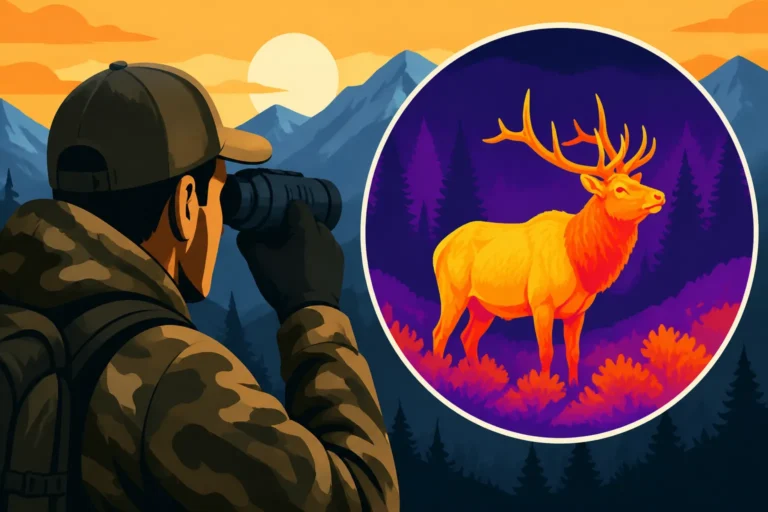
Elk are masters of camouflage, and often, the only way you'll find them is by patiently glassing distant hillsides and timber edges. A good pair of binoculars (10×42 or 12×50 are common choices) is absolutely essential. Don't skimp here; clear, bright glass makes a huge difference, especially in low light conditions at dawn and dusk when elk are most active. Consider brands like Vortex, Leica, Zeiss, or Swarovski. Beyond binoculars, a spotting scope (15-45x or 20-60x) is invaluable for thoroughly picking apart distant country and field-judging bulls without disturbing them. You’ll want to mount both on a sturdy tripod for stability.
A reliable rangefinder is also non-negotiable for ethical shooting, especially in the mountains where distances can be deceptive. Many rangefinders now come with angle compensation, which is a huge advantage when shooting uphill or downhill. Remember, practice using your optics well before the hunt. Glassing for hours is a skill, and your eyes need to get used to picking out subtle details. For a deeper dive into choosing the right glass, our article on the best optics for Colorado big game offers excellent advice. I can't stress enough how many times a quality optic system has helped me locate animals that would have otherwise gone unseen.
When selecting optics, consider the trade-off between magnification and field of view, as well as weight. While higher magnification is great for long-distance spotting, it reduces the area you can see. For general scanning, 10x or 12x binoculars are ideal. For breaking down specific areas or confirming antler points, a spotting scope on a tripod is key. The weight of your optics system is also a factor, especially if you plan on a more mobile, backcountry hunt. A lightweight carbon fiber tripod can save you precious ounces without sacrificing stability.
Essential Navigation Tools for Elk Country
Getting lost in the Colorado mountains isn't just an inconvenience; it can be life-threatening. You absolutely need multiple forms of navigation. A reliable GPS unit (like a Garmin InReach or Alpha) is a great primary tool, allowing you to mark waypoints, track your movement, and navigate back to camp. However, don't rely solely on electronics. Always carry a physical map of your hunting unit and a compass, and know how to use them. These don't run out of batteries and aren't susceptible to signal loss.
Smartphone apps like onX Hunt or GoHunt have revolutionized navigation, providing detailed public/private land boundaries, topo maps, and satellite imagery right on your phone. Many hunters use these apps as their primary navigation, but ensure your phone is fully charged, carry a portable power bank, and download offline maps before you lose service. These tools, especially GoHunt with its detailed unit data and filtering capabilities, are invaluable for scouting, planning your route, and understanding the terrain before you ever step foot in the woods. Learning How to E-Scout Before a Colorado Hunt will significantly increase your effectiveness in the field.
Beyond finding your way, communication is another aspect of navigation and safety. A satellite messenger device, such as a Garmin inReach or Zoleo, allows you to send and receive text messages and, more importantly, trigger an SOS in an emergency, even when out of cell service. This isn't just for you; it's peace of mind for your loved ones back home. Make sure you understand how to use all your navigation tools thoroughly and practice with them. The middle of a blizzard, miles from the nearest trail, is not the time to be figuring out your compass.
Tools for the Hunt and Beyond
Once you've got your personal system dialed in and you can confidently navigate the landscape, it's time to focus on the tools that bring an elk hunt to fruition—from your chosen weapon to the gear needed to process and preserve your hard-earned meat.
Choosing Your Weapon and Ammunition Wisely
Whether you're slinging arrows or sending lead, your weapon is obviously central to the hunt. For rifle hunters, choosing the right caliber for Colorado elk is paramount. Something in the .30 caliber range, like a .30-06, .300 Win Mag, or .308, is a popular and ethical choice, paired with a stout, controlled-expansion bullet. Practice extensively at various ranges and angles, especially uphill and downhill shots, as this is common in the mountains. Our guide on the Best Rifle Calibers for Colorado Elk offers a deeper dive into this important decision. A quality scope with clear glass and reliable turrets is just as important as the rifle itself.
For archery hunters, a reliable compound bow set up for elk hunting means having a draw weight you can comfortably and accurately shoot, razor-sharp broadheads, and enough kinetic energy to ensure a clean pass-through. Practice shooting from awkward positions, after exerting yourself, and in different weather conditions. Muzzleloader hunters also have specific requirements, needing to understand their projectile choices and effective ranges. Regardless of your chosen method, ethical shot placement is always the goal. Know your limitations and stick to them. It's better to pass on a shot than to wound an animal.
Beyond the weapon itself, consider a sturdy sling for carrying your rifle or a comfortable quiver for your arrows. A quality bipod or shooting sticks can also greatly improve accuracy, especially after a long, strenuous hike when your heart is pounding. Remember to carry enough ammunition or arrows for practice and the hunt, and always ensure your weapon is properly cleaned and maintained before heading into the backcountry.
Elk Calling and Decoy Strategies
Elk hunting, for many, is synonymous with calling, especially during the rut. Having a variety of calls—bugles, cow calls, and estrus whines—can be incredibly effective for locating elk, luring them in, or stopping a moving animal for a shot. Learning How to Call Elk in Colorado is a skill that takes practice, but the rewards are immense. External reed calls, diaphragm calls, and bite-and-blow calls all have their place. Practice at home, mimicking different scenarios, and learn to gauge an elk's mood by its calls.
While not always necessary, a lightweight elk decoy can be a game-changer in certain situations, especially during the rut when bulls are more aggressive and territorial. A simple rag or silhouette decoy can draw a bull closer or distract him long enough for you to get a shot. However, be incredibly mindful of using decoys on public land, especially during rifle seasons, as they can attract other hunters. Always confirm your target carefully.
Carrying multiple types of calls allows for versatility. A diaphragm call might be great for hands-free calling when an elk is close, while an external reed call might be better for louder, longer-distance communication. Listen to actual elk sounds and try to replicate them, rather than just blasting away randomly. Understanding when to be aggressive and when to be subtle with your calls is an art form that only comes with experience, but having the right tools in your pocket is the first step.
Field Dressing and Meat Care in the Backcountry
Harvesting an elk is only half the battle; the real work begins with field dressing and getting the meat off the mountain efficiently and safely. A good quality fixed-blade knife or a replaceable-blade knife (like those from Havalon or Outdoor Edge) is crucial. Carry spare blades if you go with the latter. You'll also need a sharpener for a traditional knife, as elk hide and bone can quickly dull an edge. A small bone saw can also be incredibly useful for quartering or caping.
Game bags are absolutely essential. Don't even think about using plastic garbage bags, which trap heat and moisture. Ventilated, breathable game bags (like those from Alaska Game Bags or KUIU) allow the meat to cool down quickly, preventing spoilage. Carry enough bags to handle all four quarters, the backstraps, tenderloins, and any other cuts you plan to take. In warm weather, cooling the meat as quickly as possible is critical. This might involve boning out the meat, spreading it out to air, or even covering it with a space blanket to reflect heat. For practical tips, our guide on How to Keep Elk Meat Cool in Warm Weather is a must-read.
Consider carrying a small roll of strong cordage (paracord works great) for hanging meat to cool or securing it to your pack. Nitrile gloves are also a good idea for hygiene during field dressing. Remember, your ultimate goal is to get that precious meat from the mountain to your freezer in prime condition. Having the right tools and knowing how to use them efficiently under pressure is crucial.
Safety and Survival Essentials
The Colorado backcountry is breathtaking, but it can also be unforgiving. Never go into elk country without a well-stocked first-aid kit. This should include bandages, antiseptic wipes, pain relievers, blister treatment, any personal medications, and a tourniquet. A wilderness first aid course is highly recommended. Beyond medical supplies, carry fire-starting tools (multiple methods, like a lighter, waterproof matches, and a fire starter stick), an emergency shelter (a lightweight tarp or emergency bivy sack), and sufficient water and water purification tablets or a filter.
A headlamp with extra batteries is non-negotiable, as you'll often be hiking in the dark. A whistle can be used to signal for help. If hunting alone, always tell someone your exact hunting plan and expected return time. A personal locator beacon (PLB) or satellite messenger (as mentioned in the navigation section) offers an added layer of security. Never underestimate the mountains; preparedness isn't paranoia, it's smart. Even something as simple as twisting an ankle miles from the nearest road can turn into a serious situation quickly without the right gear and a plan.
Table: Essential Colorado Elk Hunting Gear Checklist
| Category | Essential Items | Key Considerations |
|---|---|---|
| Clothing | Layering system (base, mid, outer) | Moisture-wicking, synthetic/merino wool base; insulating mid-layer (fleece, puffy); waterproof/windproof shell (jacket & pants). |
| Footwear | Mountain hunting boots, merino wool socks, gaiters, blister treatment | Broken-in, ankle support, rigid sole, waterproof. Multiple pairs of quality socks. Preventative foot care. |
| Backpack | 45-65+ liter frame pack | Designed for heavy loads (meat hauling), comfortable fit, compression straps, weapon carry system. |
| Optics | 10×42 or 12×50 binoculars, spotting scope & tripod, rangefinder | High-quality glass for low light. Sturdy, lightweight tripod. Angle-compensating rangefinder. Practice glassing. |
| Navigation | GPS device/app, physical map, compass, power bank, satellite messenger/PLB | Multiple methods, download offline maps (e.g., GoHunt app). Know how to use each. Emergency communication. |
| Weapon | Rifle/Bow/Muzzleloader, ammunition/arrows, sling/quiver, cleaning kit | Appropriate caliber/draw weight, ethical bullets/broadheads, practice at varied ranges/angles. |
| Hunting Tools | Elk calls (bugle, cow), lightweight decoy (optional) | Variety of calls. Practice calling sequences. |
| Meat Care | Fixed-blade or replaceable-blade knife, game bags, paracord, nitrile gloves | Sharp, durable knife with spare blades. Breathable, sturdy game bags. |
| Safety/Survival | First-aid kit, headlamp & spare batteries, fire starters, emergency shelter, whistle | Comprehensive kit for wilderness. Multiple fire sources. Lightweight emergency bivy. Communicate hunt plan. |
Final Thoughts and a Word of Caution
Remember, having the "best" gear doesn't guarantee success, but having reliable, well-chosen gear certainly increases your odds and, more importantly, your safety and enjoyment. Don't get caught up in the marketing hype entirely; focus on functionality, durability, and a comfortable fit. Prioritize the essentials, test your gear thoroughly before your trip, and be prepared to adapt to whatever the Colorado mountains throw your way. Many of the principles for packing for a backcountry trip are universal, so a solid read of a general Colorado Backcountry Hunting Gear List can also round out your knowledge. A successful hunt often boils down to preparation, perseverance, and being honest with yourself about your capabilities and your gear's limitations. Happy hunting!
Disclaimer
Please be aware that hunting regulations, seasons, and licensing requirements can change. Always consult the most current Colorado Parks and Wildlife (CPW) regulations before planning or undertaking any hunting activity. This guide is for informational purposes only and should not replace official state guidelines or professional instruction.