How to Acclimate to Colorado Elevation
Heading to Colorado for an elk hunt sounds like an incredible adventure, but for many folks coming from lower elevations, the thought of huffing and puffing through thin air can be pretty intimidating. The reality is, altitude sickness can absolutely derail your meticulously planned hunt, making you feel sluggish, sick, and ultimately, unable to perform when that big bull finally steps out. This guide is all about giving you the straight talk on how to acclimate to Colorado's elevation, ensuring your body is ready to conquer the mountains and make the most of your hunting experience.
Understanding Altitude Sickness and Its Impact on Your Hunt
Let's face it, your body isn't designed to operate optimally at 8,000, 10,000, or even 12,000 feet above sea level if you live at sea level. The air is thinner, meaning there's less oxygen in each breath you take. This isn't just a minor inconvenience; it's a significant physiological challenge that can turn a dream hunt into a miserable ordeal if you're not prepared.
What is Altitude Sickness?
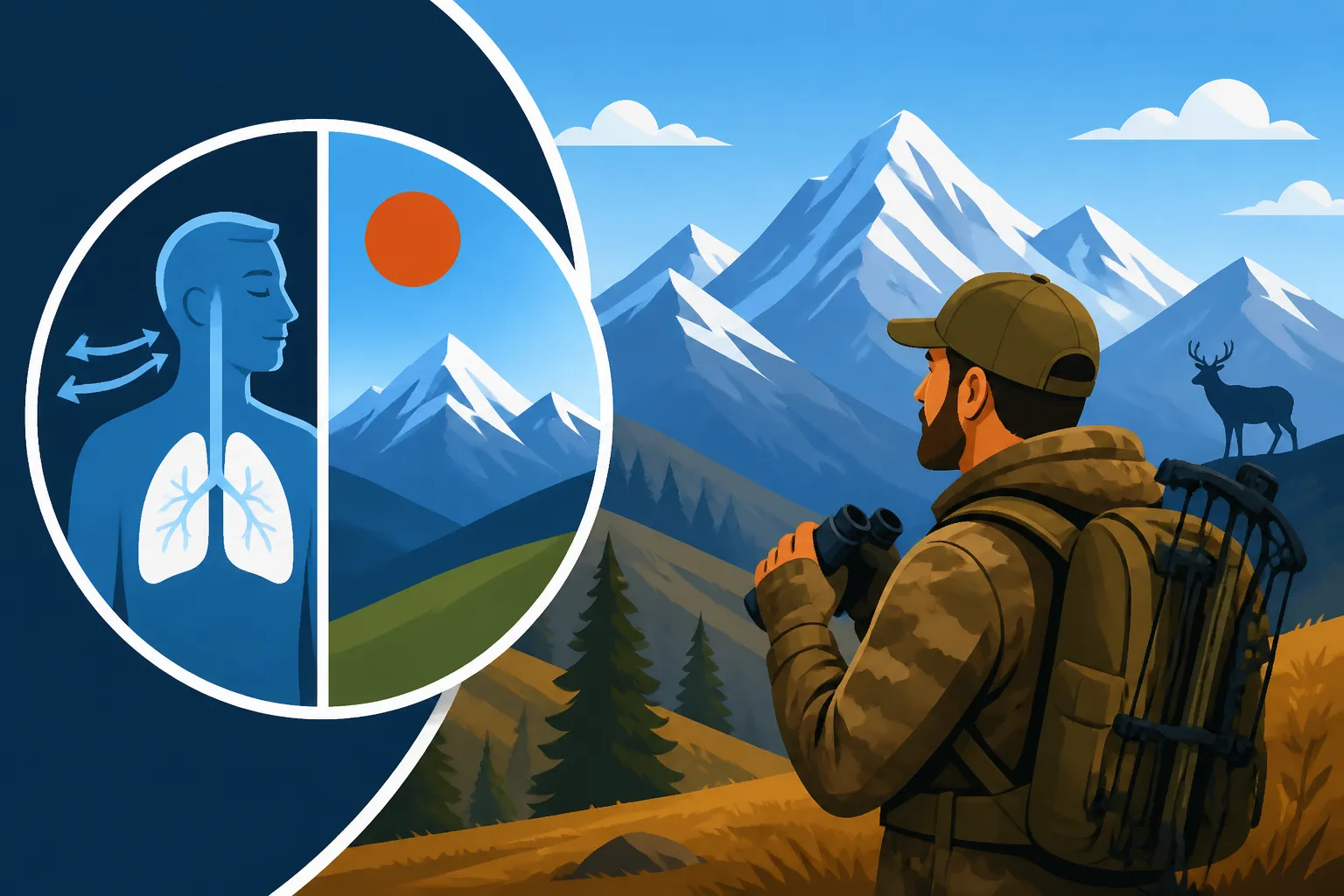
Altitude sickness, often referred to as Acute Mountain Sickness (AMS), happens when your body struggles to adapt to the lower atmospheric pressure and reduced oxygen levels at high altitudes. It's not a sign of weakness; it's simply your body reacting to an environment it's not used to. The air at 10,000 feet, for instance, has about 30% less oxygen than at sea level. Your body tries to compensate by breathing faster and harder, and your heart rate increases to pump more oxygenated blood. But this compensatory effort can only go so far before symptoms start to appear. It's a spectrum, from mild discomfort to severe, life-threatening conditions.
How it Affects Your Hunting Performance
Imagine finally spotting a bull elk at first light, miles deep in the backcountry, only to find yourself winded after just a few steps, your head pounding, and your stomach churning. That's the reality altitude sickness can impose on your hunt. Beyond the obvious physical limitations, like reduced stamina and strength, it also impacts your cognitive function. Decision-making can become impaired, your judgment might be clouded, and even simple tasks can feel overwhelming. You might struggle to glass efficiently, track quietly, or even hold a steady aim. The mental fog can be just as debilitating as the physical exhaustion. It makes the prospect of chasing elk on public land pressure even more daunting. Your ability to think clearly, react quickly, and sustain effort is paramount in the high country, and altitude sickness strips you of those critical advantages.
Common Symptoms to Watch For
The symptoms of altitude sickness can vary wildly from person to person, but there are some common indicators you should be aware of. They usually appear within 6-24 hours of ascending to a high elevation.
- Mild Symptoms: These are the most common and often include a headache (which can range from mild to severe), nausea (with or without vomiting), dizziness, fatigue or weakness, loss of appetite, and difficulty sleeping. You might also notice a faster heart rate even at rest, or shortness of breath with minimal exertion. It's easy to dismiss these as just "being tired" or "dehydrated," but at elevation, they're red flags.
- Moderate Symptoms: If ignored, mild symptoms can progress. Moderate symptoms include a persistent, throbbing headache that doesn't respond to painkillers, significant weakness, trouble walking in a straight line (ataxia), and more severe nausea and vomiting. At this stage, descent is crucial.
- Severe Symptoms: These are rare but life-threatening and require immediate medical attention and rapid descent. They include High-Altitude Pulmonary Edema (HAPE), characterized by a dry cough, shortness of breath even at rest, chest tightness, and a gurgling sound in the chest. High-Altitude Cerebral Edema (HACE) involves severe headache, confusion, disorientation, loss of coordination, and eventually coma. If you or a hunting partner exhibit any severe symptoms, getting down to a lower elevation is literally a matter of life or death.
Practical Strategies for Pre-Hunt Acclimation
The best defense against altitude sickness is a good offense, and that means putting in the work before you even set foot in Colorado. Proactive steps can make a world of difference in how your body handles the thin air.
Gradual Ascent and Staging
This is arguably the most important piece of advice you'll get for dealing with altitude. Don't fly into Denver (at about 5,280 feet), hop in your truck, and drive straight to an elk camp at 10,000 feet on the same day. Your body needs time to adjust. A common recommendation is to spend at least one to two nights sleeping at a moderate elevation (around 5,000-7,000 feet) before pushing higher. For example, if your hunt is planned for the San Juan Mountains in Southwest Colorado, you might fly into Grand Junction (4,593 ft) or even Montrose (5,807 ft) and spend a couple of nights there, doing light activities, before heading up to your base camp at 8,000-9,000 feet. This "stair-stepping" approach allows your body to start producing more red blood cells and make other vital adaptations gradually. It's a core principle of any successful Colorado DIY Elk Hunting Guide.
Hydration and Nutrition
Proper hydration is critical at altitude, and it's something many hunters overlook. The dry mountain air, coupled with increased respiration, causes your body to lose fluids much faster than at lower elevations. This can lead to dehydration, which mimics and exacerbates altitude sickness symptoms. Start hydrating aggressively several days before your trip. Aim for at least 3-4 liters of water per day, and consider adding electrolyte supplements.
When it comes to food, focus on complex carbohydrates. At altitude, your body uses carbohydrates more efficiently for energy than fats or proteins. Pack plenty of easy-to-digest, high-carb snacks and meals, and avoid heavy, greasy foods. Limit alcohol and caffeine intake, especially in the days leading up to and during the initial stages of your hunt, as both can contribute to dehydration and disrupt sleep.
Physical Conditioning at Home
While physical fitness won't prevent altitude sickness entirely, being in excellent cardiovascular shape significantly helps your body cope with the demands of reduced oxygen. If your lungs and heart are already strong, they'll be better equipped to work harder when needed. Your pre-hunt preparation should include a combination of aerobic activities (running, cycling, swimming) and strength training, particularly focusing on your legs and core. If possible, incorporate activities that mimic the exertion of hunting, such as hiking with a weighted pack on steep terrain. Even short, intense interval training can boost your body's oxygen utilization efficiency. Many resources, including those discussing How to Physically Prepare for Colorado Elk, emphasize the importance of this conditioning. Look into a routine that builds endurance and power, as you'll be covering miles of rugged terrain daily, often at steep angles, in search of your quarry.
On-the-Ground Acclimation Tactics in Colorado
Once you've arrived in Colorado, the acclimation process doesn't stop. How you manage your first few days in the mountains will heavily influence your overall success and enjoyment of the hunt.
Taking it Easy the First Few Days
This is perhaps the hardest rule for eager hunters to follow. You've traveled a long way, invested time and money, and the adrenaline is pumping. But pushing too hard, too fast, can lead to a quick crash. Plan to arrive in your hunting area a couple of days before the season opens. Use these initial days for light activities. Set up camp, organize your gear, and take short, easy hikes to glass accessible areas. This allows your body to continue adapting without overtaxing itself. Think of it as "active rest." A great tool like GoHunt can help you plan your unit scouting from home, identifying easier access points for these initial, less strenuous recon missions. Focus on getting good sleep, staying hydrated, and eating well. It’s better to be well-rested and acclimated for opening day than to suffer from symptoms because you tried to climb to the highest ridge on day one. Learning How to E-Scout Before a Colorado Hunt can help identify these staging areas.
Maintaining Hydration and Electrolytes
Even after a few days, consistent hydration remains paramount. You'll continue to lose fluids at a faster rate, especially with the increased physical exertion of hunting. Carry a water filter or purification tablets/drops so you can replenish your supply from mountain streams and avoid carrying excessive weight. Continually sip water throughout the day, even if you don't feel thirsty. Electrolyte powders or tablets, such as those from brands like Nuun or Liquid IV, are invaluable for replacing essential minerals lost through sweat and increased respiration. Don't wait until you're feeling symptoms to address hydration; make it a constant effort. A reliable pack from a company like Mystery Ranch or Kifaru, filled with enough water and sustenance, is a key part of your Colorado Backcountry Hunting Gear List.
Utilizing Over-the-Counter Aids and Prescription Medications
While prevention is key, sometimes you need a little extra help. For mild headaches, over-the-counter pain relievers like ibuprofen (Advil) or acetaminophen (Tylenol) can provide relief. Be cautious not to mask more severe symptoms that would warrant descent.
For those who are particularly susceptible to altitude sickness, or if you know you'll be ascending rapidly, a prescription medication like Acetazolamide (Diamox) can be a game-changer. Diamox helps your body acclimate faster by increasing your breathing rate and improving kidney function to reduce fluid retention. It's best to start taking it a day or two before you ascend and continue for a few days at altitude. Always consult your doctor well in advance of your trip to discuss whether Diamox or any other preventative medication is right for you, especially if you have underlying health conditions. They can provide a prescription and discuss potential side effects.
Advanced Acclimation Techniques and Considerations
For the most dedicated hunters, or those planning particularly demanding high-altitude expeditions, there are more advanced strategies that can further boost your body's preparedness.
Altitude Tents and Hypoxic Training
If you're truly serious about optimizing your acclimation, and your budget allows, consider an altitude tent or engaging in hypoxic training. Altitude tents simulate high-altitude conditions by filtering out oxygen, creating a lower oxygen environment for you to sleep in. Sleeping in an altitude tent for several weeks before your hunt can effectively pre-acclimate your body, increasing your red blood cell count and improving oxygen efficiency before you even leave home. This can significantly reduce the risk and severity of altitude sickness.
Hypoxic training involves exercising in a low-oxygen environment, either through specialized chambers or by using portable hypoxic generators that feed you reduced-oxygen air during workouts. These methods essentially trick your body into believing it's at a higher elevation, triggering beneficial physiological adaptations. While these options require a significant investment, they are highly effective for extreme pursuits or for those with chronic issues at elevation.
You might use a platform like GoHunt to research specific high-elevation GMUs or areas within a National Forest Hunting Guide where these advanced preparations could offer a distinct advantage, such as some of the challenging Colorado Elk Hunting Methods Explained in remote wilderness areas.
Monitoring Your Body's Response
Regardless of your preparation, it's crucial to continuously monitor your body's response once you're in Colorado's high country. Pay attention to how you feel throughout the day. Are you more tired than usual? Is that headache getting worse? Do you feel short of breath even when resting? Communication with your hunting partners is vital; be honest about your symptoms and encourage them to do the same. A small, portable pulse oximeter can be a useful tool to measure your blood oxygen saturation (SpO2) and heart rate. While not a definitive diagnostic tool for AMS, a consistently low SpO2 reading (below 90%) at rest, especially if combined with symptoms, is a strong indicator that your body is struggling. Remember, your objective is to successfully hunt, not to prove your toughness against Mother Nature. Knowing when to slow down or even descend is a sign of smart hunting, not weakness.
When to Seek Medical Attention
While most cases of altitude sickness are mild and resolve with rest and descent, it's critical to know when to seek professional medical help. As mentioned earlier, severe symptoms like persistent, severe headache unresponsive to medication, significant loss of coordination (stumbling, inability to walk heel-to-toe), severe shortness of breath at rest, a wet cough, confusion, or changes in consciousness are emergencies. These indicate HACE or HAPE, and they can be fatal if not addressed immediately. Do not delay. Begin immediate descent to a lower elevation (at least 2,000-3,000 feet, if possible), and call for emergency medical services (911 in the US). If a helicopter evacuation is an option in your remote location, activate it. Always carry a satellite communication device like a Garmin inReach or Zoleo for emergencies, especially when embarking on a How to Pack Into the Colorado Backcountry adventure.
Remember, the mountains will always be there. Your health and safety come first.
Here's a quick reference table for altitude sickness symptoms and suggested actions:
| Symptom Severity | Common Symptoms | Recommended Action |
|---|---|---|
| Mild | Headache, nausea, fatigue, dizziness, poor sleep, loss of appetite | Stop ascending. Rest, hydrate well (water, electrolytes). Take over-the-counter pain relievers (ibuprofen). Avoid alcohol/caffeine. Consider Acetazolamide (Diamox) if you have a prescription. Do not ascend further until symptoms resolve. |
| Moderate | Worsening headache, significant weakness, trouble walking (ataxia), severe nausea/vomiting | Descend immediately (at least 1,000-2,000 feet). Seek medical evaluation. Continue hydration. Do not attempt to re-ascend until fully recovered and with medical clearance. |
| Severe | Shortness of breath at rest, severe cough, confusion, disorientation, severe uncoordinated movements, altered consciousness | Immediate emergency medical attention and rapid descent (as quickly as possible, several thousand feet if necessary). This is a life-threatening emergency (HAPE/HACE). Use supplemental oxygen if available. Call 911 or activate satellite communication device for evacuation. |
Successfully acclimating to Colorado's elevation is a crucial component of a safe and enjoyable hunting trip. By understanding the challenges, preparing your body, and acting wisely once you arrive, you'll be much better equipped to focus on the thrill of the hunt rather than the discomfort of altitude sickness. Whether you're planning for Colorado Archery Elk Hunting Guide or one of the later rifle seasons, preparation for the elevation is equally important. Your readiness will make all the difference in your quest for a Colorado elk. A good tool like GoHunt can provide unit-specific elevation profiles that can help you plan your initial staging and hunting strategy, giving you a valuable edge in understanding where to focus your acclimation efforts. Good luck, and stay safe out there!
Disclaimer
The information provided in this guide is for general informational purposes only and does not constitute medical advice. Always consult with a qualified healthcare professional before undertaking any new fitness regimen, using any medications, or making decisions about your health, especially concerning high-altitude travel or hunting. Altitude sickness can be serious, and individualized medical advice is essential.