How to Spot-and-Stalk Colorado Moose
Moose hunting in Colorado presents a truly unique challenge, often leaving hunters scratching their heads about how to even approach these massive, reclusive animals. Unlike elk or deer, moose don't often respond to calling tactics in the same way, and their preferred habitats – thick willows, dense timber, and swampy areas – make traditional "still-hunting" incredibly difficult. But don't despair! This comprehensive guide will walk you through the precise art of spot-and-stalk hunting for Colorado moose, helping you decode their habits and master the stealthy approach needed to get within range of these magnificent creatures.
Understanding Colorado Moose Habitat and Behavior
Hunting moose in Colorado isn't like hunting them up in Alaska or Maine. Our Shiras moose subspecies is a bit smaller, but just as stubborn and adept at disappearing into surprisingly dense cover. Before you even think about loading up your pack, you need a deep dive into where these animals live and how they operate. This isn't just about spotting them; it's about understanding their world.
Where Colorado Moose Live
When most people think of Colorado, they picture towering peaks and open sagebrush, but moose thrive in specific pockets that offer a stark contrast: riparian zones, marshy meadows, and dense willow thickets. These aren't just pretty places; they're critical for moose survival, providing essential forage and escape cover. Key areas where moose populations are robust include North Park, Middle Park, the Flat Tops Wilderness, and certain drainages in the San Juan Mountains. These regions are characterized by abundant water sources, such as meandering rivers, high-country lakes, and beaver ponds, all surrounded by willow carrs and mixed conifer forests. A good starting point for scouting can often be found by using tools like GoHunt to overlay public land maps with vegetation data, pinpointing those crucial willow-choked creek bottoms. You might find it helpful to research specific areas further by looking into a general guide on Colorado Moose: Where to Find Them.
Moose, especially bulls, will often gravitate towards these lush, nutrient-rich areas. They aren't going to be scaling the highest, rockiest peaks like bighorn sheep; their domain is typically much lower, often between 8,000 and 10,000 feet, but sometimes higher if the habitat supports it. The North Park area, particularly near Walden, is almost synonymous with Colorado moose due to its expansive wetlands and willow-lined river systems. Similarly, the Flat Tops offer vast stretches of wilderness with diverse habitats that support a healthy moose population. Identifying these core habitat types on a map, then verifying them on the ground, is your first critical step.
Moose Biology and Habits
Moose are creatures of routine, but they're also masters of stealth for their size. Unlike elk, which often move in large herds and are quite vocal, moose are largely solitary and incredibly quiet for animals weighing upwards of 800 to 1,000 pounds. Their primary diet consists of woody browse, like willow, aspen, and aquatic vegetation, which ties them directly to their preferred wetland habitats. This means they spend a lot of time feeding in and around water sources, often wading chest-deep to munch on submerged plants. Their sheer size and dark coloring mean they absorb heat quickly, so they’re often most active during cooler parts of the day – early morning, late evening, and even throughout the night in warmer weather. During the heat of the day, they will seek out the densest, shadiest cover they can find, which often means bedding down deep within a willow patch or a dark timber stand.
Their senses are keen, especially their hearing and smell. A moose might not have the best eyesight for detecting a stationary hunter, but any movement, even subtle, will catch their attention. The wind is always your enemy or your best friend; moose have an incredible sense of smell, capable of detecting human scent from hundreds of yards away. Understanding these basic biological needs and sensory capabilities is paramount to a successful spot-and-stalk. You're not just looking for a moose; you're looking for a moose doing moose things in moose habitat, at times when they're most likely to be active or vulnerable.
Seasonal Movement and Rut Behavior
Moose movements are largely dictated by forage availability and breeding cycles. In the spring and summer, they are spread out across their range, taking advantage of lush new growth. As fall approaches, their patterns can become more predictable, especially during the rut, which typically occurs from mid-September through early October. During the rut, bull moose become more active, often covering more ground in search of cows. They might be more visible than at other times of the year, though still far from easy targets. This is when you might see them scraping antlers on saplings or hear the distinctive deep grunt of a bull or the mournful wail of a cow. For an even deeper dive into specific dates and regulations, check out the guide on Colorado Moose Season Dates and Tags.
Post-rut, as temperatures drop and snow begins to accumulate, moose will often move to lower elevations or areas with better thermal cover and accessible browse. They're incredibly resilient in deep snow, with their long legs allowing them to navigate terrain that other animals struggle with. During these late seasons, they might congregate in specific drainages or south-facing slopes that offer relief from the cold and some sunshine. Understanding these seasonal shifts is crucial for selecting the right area and time for your spot-and-stalk hunt, as a moose that was in a willow bottom in September might be miles away in a timber stand by November.
Essential Gear and Preparation for Moose Spot-and-Stalk
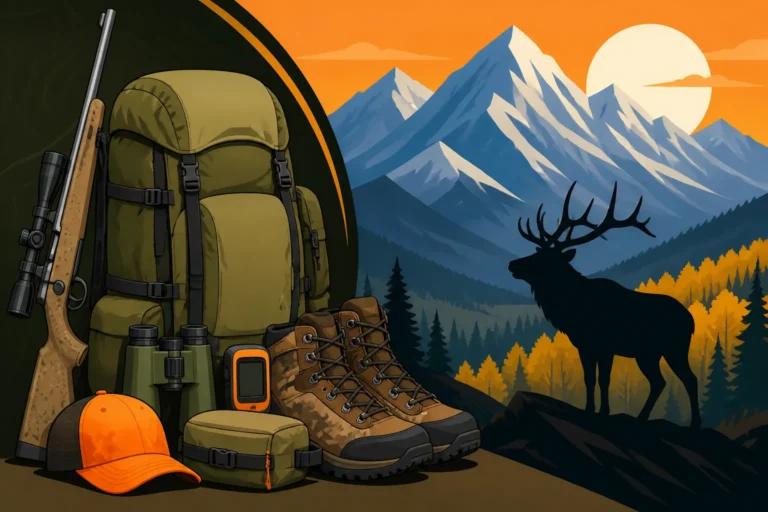
Spot-and-stalk hunting for Colorado moose demands a specific set of tools and a robust level of personal preparation. You’re going to be putting in serious miles, often through rugged, wet, and brushy terrain, all while carrying heavy gear and trying to remain undetected. This isn't a casual stroll; it's a dedicated expedition that requires you to be physically and mentally on point.
Optics and Scouting Tools
Your optics are your most critical piece of gear for spotting moose. Given their dark coloration and tendency to hide in dense cover, a quality pair of binoculars and a spotting scope are non-negotiable. Forget the cheap stuff; you need clear, bright glass that performs well in low light conditions and can cut through the shimmer of heat rising from a distant meadow. Binoculars in the 10×42 or 12×50 range are excellent for general scanning, allowing you to cover vast landscapes from a vantage point. Look for moose ears, the dark line of a back, or even the subtle glint of antler through a screen of willows. To confirm an animal's size and determine if it's a legal bull, a spotting scope (20-60x or 25-75x) with a stable tripod is indispensable, especially if you're glassing vast basins like those often found in the Routt National Forest.
Beyond physical optics, digital scouting tools are revolutionizing how we approach these hunts. Platforms like GoHunt provide invaluable satellite imagery, topographic maps, and public/private land overlays that can help you identify prime moose habitat long before you set foot in the field. You can mark potential bedding areas, feeding zones, and travel corridors, saving countless hours of aimless wandering. It's like having a virtual guide to help you pinpoint areas that warrant a closer look, whether you're planning a trip to the Flat Tops or looking at options for Colorado Backcountry Hunting Guide. Consider how to Use Optics for Colorado Mule Deer as a general guideline for optimizing your glassing techniques, as many principles apply universally to big game.
| Optic Type | Ideal Magnification | Primary Use | Key Feature |
|---|---|---|---|
| Binoculars | 10×42 to 12×50 | Wide-area scanning, locating distant animals | Portable, versatile |
| Spotting Scope | 20-60x or 25-75x | Detailed identification, antler scoring, long-range glassing | High magnification |
| Rangefinder | 1000+ yard capacity | Accurate distance measurement for ethical shots | Precision |
Clothing and Footwear for Moose Country
Moose country in Colorado is often wet, muddy, and thick with brush, regardless of the season. Your clothing and footwear need to be robust and designed for these conditions. Waterproof, breathable outer layers are essential. Think GORE-TEX or similar high-performance fabrics that can withstand constant contact with wet vegetation and protect you from sudden rain or snow showers. Layering is key, as temperatures can fluctuate wildly in the mountains. Start with a moisture-wicking base layer, add insulating mid-layers like fleece or down, and top it off with your waterproof shell. Forget cotton – it holds moisture and will leave you cold and miserable.
Footwear is arguably the most critical component. You need sturdy, waterproof boots with excellent ankle support and aggressive traction. Many seasoned moose hunters opt for rubber boots or even hip waders if they anticipate spending a lot of time sloshing through beaver ponds and marshy areas. The Danner Elk Hunter or Kenetrek Mountain Extreme are popular choices among Western hunters, offering durability and comfort for long miles in rugged terrain. Don't forget gaiters to keep debris and water out of your boots and to protect your pants from thorns and brush. A good pair of boots can literally make or break your hunt, so invest wisely.
Physical and Mental Readiness
Spot-and-stalk moose hunting is a marathon, not a sprint. The sheer physical demands are immense: you’ll be hiking up and down steep slopes, traversing dense timber, and wading through boggy terrain, all while carrying a heavy pack. Getting into shape well before your hunt is non-negotiable. Focus on cardiovascular endurance (hiking, running, rucking with weight), leg strength, and core stability. You can find excellent advice in guides like How to Physically Prepare for Colorado Elk, which applies equally to moose given the similar terrain and physical exertion required. Altitude training for Colorado Hunting is also a significant consideration, especially if you're coming from lower elevations.
Beyond the physical, mental fortitude is paramount. Moose hunting is often a game of patience and persistence. You might spend days glassing, spotting nothing, or blowing stalks before you finally get an opportunity. Frustration can set in quickly, so maintaining a positive attitude, staying focused, and being prepared for setbacks is crucial. This mental toughness is what allows you to keep pushing through thick brush, endure adverse weather, and make sound decisions when the moment of truth arrives. Practice realistic scenarios in your mind, visualize success, and develop a calm, methodical approach to the hunt.
Mastering the Spot-and-Stalk Technique for Moose
Once you’ve done your homework and geared up, the real fun begins: putting the spot-and-stalk technique into action. This is where patience, keen observation, and silent movement merge into an art form. It's about blending into the landscape and becoming invisible to an animal that often feels larger than life.
Initial Spotting and Locating Moose
The first step in any spot-and-stalk hunt is, well, spotting the animal. For moose, this often means finding a high vantage point overlooking prime habitat – open meadows flanked by timber, willow-choked creek bottoms, or lake edges. Spend hours patiently glassing these areas, especially during the early morning and late evening. Don't just scan; dissect the landscape section by section. Look for movement, a subtle color difference, or the distinct shape of an antler or a dark body against the lighter vegetation. Moose often feed in specific areas, creating small trails or disturbed browse, which can be indicators of their presence.
Once you spot a moose, resist the urge to immediately charge in. Instead, evaluate the situation thoroughly. What is the moose doing? Feeding, bedding, moving? What's the wind doing? What's the terrain like between you and the animal? Use your GoHunt app or a similar mapping tool to identify potential cover, escape routes, and wind patterns. This initial assessment is critical; a poorly planned stalk is almost guaranteed to fail. If the moose is bedded in heavy cover, it might be better to wait for it to move into a more favorable position or activity phase. Remember, with a creature as large and powerful as a moose, there's rarely a need to rush once it's located.
The Stalk: Reading Terrain and Wind
This is the heart of the spot-and-stalk. Your primary goal is to close the distance without being seen, heard, or smelled. Always, always pay attention to the wind. Moose have an incredible sense of smell, and a shift in wind can instantly blow your chances. Plan your approach so that the wind is consistently in your favor, blowing from the moose towards you. This often means taking a longer, more circuitous route, but it's infinitely better than being busted by a sudden scent plume.
Terrain is your friend and foe. Use every dip, rise, tree, and brush patch for cover. Move slowly, deliberately, and silently. Think "one step at a time," placing your foot down carefully to avoid snapping twigs or rustling leaves. If the moose is looking in your direction, freeze. Even a slight head turn or flick of an ear should be your cue to stop all movement. As you get closer, the terrain becomes even more critical. You might need to crawl through thick brush or use creek beds to stay concealed. This is where your heavy-duty, waterproof gear really pays off. Anticipate where the moose might move and try to intercept, rather than just chasing. This takes experience and a deep understanding of moose behavior.
Shot Placement and Ethical Harvest
Getting into position is only half the battle; making an ethical shot is the ultimate goal. Moose are massive animals, and their vital organs are well-protected by bone and muscle. The ideal shot is a broadside shot aimed at the lung/heart area, just behind the shoulder. This gives you the largest margin for error and ensures a quick, humane kill. Avoid frontal shots or shots at a steep angle unless you are absolutely confident in your ability to hit the vitals. If the moose is quartering away, aim to penetrate the vitals by shooting through the opposite shoulder.
Once you have a clear, ethical shot opportunity, take a deep breath, control your nerves, and execute. After the shot, observe the animal carefully. Did it react to the shot? Did it run, and in what direction? Even if you think it's a clean kill, give the moose some time before approaching, especially if it disappeared into thick cover. A wounded moose can be dangerous, and rushing in can push it further away. If possible, mark the location of the shot and the direction of travel to aid in tracking. This thoughtful, deliberate approach ensures the most humane outcome and respects the animal you're hunting.
Post-Stalk Considerations and Ethical Hunting
Congratulations! The stalk was successful, the shot was true, and you've harvested a magnificent Colorado moose. But the hunt isn't over. Now comes the hard work, the responsibility of processing and packing out your animal, and the commitment to ethical hunting practices that ensure the future of this incredible resource.
Field Dressing and Meat Care
This is where the true scale of a moose becomes evident. These animals are huge, and the amount of meat they provide is substantial. Field dressing a moose is a significant undertaking, often requiring multiple people and considerable time. Your primary goal is to cool the meat down as quickly as possible to prevent spoilage. This means skinning and quartering the animal in the field. Given their size, it's often more practical to perform the "gutless" method, where you remove the hide and bone-out the meat in sections, leaving the guts largely intact. If you're new to this, it's highly recommended to watch videos or practice on smaller animals first. A guide on How to Quarter an Elk in the Field can provide some transferable skills, though moose are considerably larger.
Have a sharp knife (or several), a bone saw, game bags, and perhaps even a small hatchet ready. Work efficiently and cleanly. Once the meat is in game bags, get it off the ground and hung in a shady, cool spot to air out if you can't pack it out immediately. In warmer conditions, you might need to use ice or snow to cool the meat down further. Keeping elk meat cool in warm weather strategies apply directly here. This meticulous care ensures you honor the animal by preserving every pound of valuable protein.
Packing Out Your Moose
Packing out a moose is legendary for a reason: it's brutal. An adult bull moose can weigh upwards of 800-1000 pounds, and you'll likely be hauling 200-300 pounds of meat, hide, and antlers on your back over multiple trips. This is where your physical conditioning and your choice of pack truly shine. A robust external frame pack or a high-capacity internal frame pack designed for heavy loads is essential. You’ll need to make multiple trips, which means potentially hiking many miles back and forth, often in challenging terrain. This is a common challenge for those exploring Colorado Backcountry Hunting Guide, where packing out is always a major consideration.
If you're hunting with a partner or a group, planning the pack-out logistics beforehand is crucial. Consider the most efficient route, where to stash meat safely between trips, and how to stay hydrated and fueled. Some hunters even utilize horses or llamas for packing out, but for many DIY spot-and-stalk adventures, it's all on your back. There's a deep satisfaction in carrying out a moose on your own power, knowing every muscle ache is a testament to a hard-earned harvest.
Respecting the Resource and Regulations
Finally, successful moose hunting in Colorado comes with a profound responsibility to respect the animal, the land, and the regulations. Moose are a managed species, and acquiring a tag is often a multi-year effort, sometimes requiring significant preference points. It's a privilege, not a right, to hunt them. Be intimately familiar with all Colorado Parks and Wildlife (CPW) regulations for your specific hunt code and unit, including antler point restrictions, season dates, and reporting requirements. Colorado Hunt Codes Explained can help clarify any ambiguities.
Beyond the legalities, practicing ethical hunting means leaving no trace, respecting private property, and being a good ambassador for the sport. It also means celebrating the challenge and the experience, not just the kill. Share your knowledge with new hunters, contribute to conservation efforts, and always strive to improve your skills. The continued health of Colorado's moose population depends on responsible hunters who understand their impact and value the resource.
Disclaimer
Please note that hunting regulations, season dates, and tag availability can change frequently. Always consult the official Colorado Parks and Wildlife (CPW) website and their most current hunting brochures for the most accurate and up-to-date information before planning any hunt. This guide is for informational purposes only and does not supersede official state regulations.