What to Know Before Booking an Outfitter in Fort Collins
Planning a hunting trip to Colorado, especially when considering a guided experience near a specific area like Fort Collins, can feel like navigating a maze. Between understanding the local game management units, deciphering outfitter services, and budgeting for the adventure, it's easy to get overwhelmed. This guide is here to cut through the confusion, offering a realistic look at what you need to know before booking an outfitter in Fort Collins, ensuring your hunt is as successful and stress-free as possible.
Understanding the Fort Collins Hunting Landscape and Outfitter Offerings
The area around Fort Collins, nestled against the stunning Front Range, offers diverse hunting opportunities, primarily for elk, mule deer, and even black bear. However, unlike some of the remote wilderness areas further west, hunting access and outfitter operations here come with their own unique considerations. It's crucial to understand the lay of the land and the types of services available to match your hunting goals.
Game Species and Geographic Realities Near Fort Collins
Fort Collins sits at the eastern edge of prime big game habitat, with the Roosevelt National Forest directly to its west. This means that while quality hunting is certainly available, it often comes with more readily accessible terrain and, consequently, potentially higher hunter pressure than you'd find deep in a wilderness area. Elk and mule deer are the primary draws, with bear tags often available as add-ons or during specific seasons.
You'll typically be looking at units like GMU 19, 20, 8, 191, and others that stretch into the Poudre Canyon and up towards the Wyoming border. These areas feature a mix of rugged mountains, pine forests, aspens, and open parks. Outfitters operating out of Fort Collins might focus on these closer-in units, or they might base their operations further afield in units like those surrounding Walden or Steamboat Springs, using Fort Collins purely as a gateway city for clients flying into Denver International Airport. It’s vital to clarify with any prospective outfitter exactly which GMUs they operate in and what kind of terrain to expect. Are you looking for a true backcountry experience, or something more accessible with road systems nearby? Your chosen outfitter's stomping grounds should align with your vision.
Types of Outfitter Services Available
Not all guided hunts are created equal, and understanding the distinctions is key to making an informed decision. Outfitters near Fort Collins offer a range of services designed to cater to different budgets, skill levels, and desired levels of independence.
- Fully Guided Hunts: This is the most comprehensive option. You'll typically have an experienced guide with you every day, often one-on-one or with a small group. They handle scouting, tracking, calling, field dressing, and sometimes even camp chores and cooking. Accommodation can range from comfortable cabins or lodges to spike camps. This is an excellent choice for first-time western hunters, those new to the area, or anyone who wants to maximize their hunting time without worrying about logistics. For non-residents, these hunts can sometimes involve Colorado Landowner Vouchers Explained or tags secured through the outfitter, bypassing some of the draw complexities.
- Semi-Guided Hunts: This option provides a balance. Outfitters typically provide a pre-scouted area, help with camp setup (often a wall tent or similar), and provide advice on tactics and where to hunt. They might also help with game retrieval. However, you're largely responsible for your own hunting each day. This is a good fit for experienced hunters who know their way around but want local insights and logistical support, or those looking to reduce the Colorado Guided Elk Hunt Cost compared to a fully guided trip.
- Drop Camps: For the truly independent hunter who still needs a hand with access to remote areas, a drop camp is ideal. An outfitter will pack you and your gear (often via horses or ATVs) into a pre-established camp in a remote location, complete with tents, cooking equipment, and sometimes even food. They'll leave you there for the duration of your hunt and return to pack you and your game out. This requires you to be self-sufficient and capable of navigating and hunting independently, but removes the strenuous effort of packing in all your gear. It’s a fantastic way to access some of Colorado's Colorado Backcountry Hunting Areas without owning a string of horses.
When you're comparing different services, platforms like BookYourHunt can be a great starting point for browsing available outfitters in the Fort Collins area and seeing what they specialize in. They often list the types of hunts and species offered, giving you a good initial overview.
Vetting and Booking Your Fort Collins Outfitter
Finding the right outfitter is more than just picking the first one you find online. It's about due diligence, asking the right questions, and ensuring their operation aligns with your expectations and ethical standards. This process requires careful consideration, especially since you’re investing significant time and money.
Essential Questions to Ask Potential Outfitters
Don't be shy about interviewing potential guides. They are providing a service, and you're the client. This is a critical step in knowing How to Choose a Colorado Hunting Outfitter.
- Experience and Licensing: How long have they been operating in Colorado, and specifically in the units they plan to hunt? Are they properly licensed by the State of Colorado? This is non-negotiable. You can often verify licenses through the Colorado Outfitter and Guide Licensing Board.
- Hunt Style and Success Rates: Ask about their typical hunting methods. Do they primarily focus on How to Call Elk in Colorado or prefer Spot-and-Stalk Hunting in Colorado? What are their recent success rates for the species and weapon you'll be using? Be wary of outfitters who promise 100% success; ethical outfitters will focus on opportunity rates and a good hunting experience. Also, clarify what "success" means to them – is it harvesting an animal, or just having shot opportunities?
- Logistics and Inclusions: What exactly is included in the price? This means everything from food, lodging, transportation in the field, guiding services, and game retrieval/field dressing. Are there any hidden costs? Clarify their policy on meat processing and taxidermy. Many hunters also use resources like GoHunt's draw odds and unit information to help them understand the potential of a particular area, which can inform questions about a specific outfitter’s claimed success in those units.
- References: Always ask for references from past clients, ideally within the last year or two. Don't just take their word for it; actually call these references and ask detailed questions about their experience. Were they satisfied? Were there any unexpected issues? Was the guide knowledgeable and professional?
- Safety and Contingencies: What are their safety protocols, especially for injuries or emergencies in remote terrain? What happens if severe weather rolls in? How do they handle hunters who might struggle with the physical demands of a high-altitude hunt? For instance, if you're concerned about altitude sickness, discuss how they prepare for and mitigate issues related to How to Physically Prepare for Colorado Elk.
The Booking Process and Contract Review
Once you’ve selected an outfitter, the booking process will involve a contract and a deposit. Treat this document like any other legal agreement. Read it thoroughly before signing and sending any money.
Look for clear clauses on:
- Cancellation Policy: What happens if you need to cancel? What if the outfitter cancels due to unforeseen circumstances (e.g., wildfires, guide illness)?
- Refund Policy: Under what conditions are refunds issued? What about deposits?
- What's Included/Excluded: Ensure the contract clearly itemizes everything promised during your conversations.
- Responsibilities: It should outline both your responsibilities as a hunter (e.g., having required licenses and tags, bringing specific gear) and the outfitter's responsibilities.
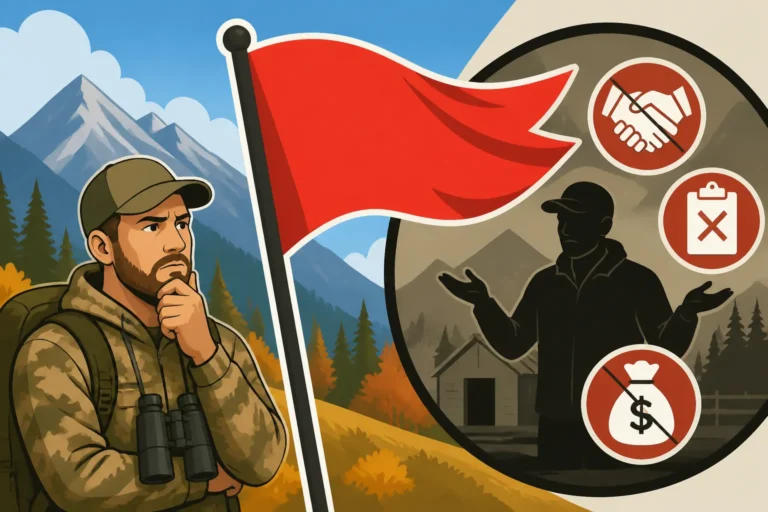
A reputable outfitter will have a professional contract and be willing to answer any questions you have about its terms. If they pressure you to sign quickly or seem evasive, that’s a significant red flag.
Costs, Expectations, and Preparing for Your Guided Hunt Near Fort Collins
The financial investment in a guided Colorado hunt, particularly for elk or deer, can be substantial. Beyond the outfitter's fee, there are many other costs to consider, and managing your expectations is crucial for a fulfilling experience.
Breaking Down the Costs of a Guided Colorado Hunt
The sticker price from an outfitter is just one piece of the puzzle. To truly understand the full financial commitment for a hunt around Fort Collins, you need to factor in several other expenses.
| Expense Category | Typical Inclusions/Considerations | Estimated Cost Range (Per Hunter, ballpark) |
|---|---|---|
| Outfitter Fee | Fully guided, semi-guided, or drop camp services; includes guiding, food, lodging (if applicable), in-field transport, field dressing. | $3,500 – $10,000+ |
| Licenses & Tags | Non-resident hunting license, elk/deer tag (draw or OTC). Required Habitat Stamp. | $700 – $1,200+ (for non-resident elk/deer) |
| Travel | Flights to Denver (DEN), rental car, fuel to Fort Collins/trailhead. | $500 – $1,500+ |
| Gear | Boots, clothing, optics, rifle/bow, ammo, backpack, sleep system. | $500 – $3,000+ (depending on existing gear) |
| Meat Processing/Shipping | Butcher services, dry ice, coolers, shipping (if applicable). | $200 – $1,000+ (if successful) |
| Taxidermy | If you plan to mount a trophy. | $1,000 – $3,000+ (if successful) |
| Gratuity for Guide | Standard is 10-20% of the hunt cost for good service. | $500 – $2,000+ |
| Miscellaneous | Snacks, drinks, unforeseen expenses, extra nights lodging. | $100 – $500 |
Note: These are rough estimates and can vary wildly based on the outfitter, hunt duration, species, and your personal choices. Always get detailed quotes.
It’s important to understand the Colorado Hunting License Costs for both residents and non-residents, as these are often a significant upfront expense.
Setting Realistic Expectations for Your Hunt
Hunting in Colorado, especially in the mountains around Fort Collins, is tough. It's not a guaranteed harvest, even with an excellent outfitter. Weather is unpredictable, animals move, and hunting pressure from other public land users is a reality.
- Focus on the Experience: While success is the goal, the true value of a guided hunt lies in the experience: learning from an expert, enjoying the stunning Colorado landscape, and the camaraderie.
- Physical Demands: Be prepared for strenuous activity. Even with a guide, you'll be hiking at altitude, potentially in steep terrain. Review this guide on How to Physically Prepare for Colorado Elk and consider specific Altitude Training for Colorado Hunting before you arrive. The Fort Collins area, while beautiful, still presents significant physical challenges.
- Flexibility: Be ready for plans to change. Your guide might alter strategies based on weather, animal movement, or other hunters. Flexibility and a positive attitude will go a long way.
- Communication: Maintain open communication with your guide. Express your preferences, physical limitations, and goals clearly. A good guide will appreciate your input and tailor the experience as much as possible. This is part of What to Expect on a Guided Colorado Elk Hunt.
Final Preparations Before Heading to Fort Collins
Before you drive or fly into Fort Collins for your hunt, ensure all your ducks are in a row.
- License and Tags: Double-check that you have all necessary Colorado Elk Season Dates Guide licenses and tags in hand, or confirmation that your outfitter is handling it. Understand the difference between Colorado OTC Elk Tags Explained and draw tags, as this impacts availability.
- Gear Check: Go through your entire packing list, making sure everything is functional and appropriate for Colorado mountain weather, which can change rapidly. Don't forget layers! If you’re archery hunting, ensure your bow is sighted in and you’ve practiced extensively. For rifle hunting, confirm your rifle is sighted for mountain distances and angles, as covered in topics like Colorado Long-Range Shooting Considerations.
- Physical Conditioning: Continue your workout regimen right up until your departure. The fitter you are, the more you’ll enjoy the hunt and the better your chances of success.
- Travel Arrangements: Confirm flights, rental cars, and any pre-hunt lodging in Fort Collins.
- E-Scouting (Even with a Guide): Even if you have a guide, doing some personal e-scouting can deepen your understanding of the area and allow you to ask more informed questions. Resources like the Colorado Hunting Atlas, along with tools like onX Hunt, can help you with How to E-Scout Before a Colorado Hunt. This can also help you understand the nuances of How Colorado GMUs Work in your hunting area.
Booking an outfitter for a Colorado hunt near Fort Collins is a significant undertaking, but with proper planning, research, and realistic expectations, it can lead to an unforgettable adventure and, hopefully, a full freezer.
Disclaimer
Hunting is an inherently dangerous activity. This guide provides general information and recommendations. Always consult Colorado Parks and Wildlife (CPW) regulations for the most current and accurate rules and requirements. Hunter safety courses are highly recommended. Ethical hunting practices and respect for wildlife are paramount.