Colorado Guided Hunt Lodging Options
Choosing a guided hunt in Colorado is an exciting prospect, but once you commit, the sheer variety of lodging options can be surprisingly overwhelming. You might envision a cozy log cabin, only to find outfitters offering anything from remote tent camps to lavish lodges. It’s tough to know what's truly included, what level of comfort to expect, and which setup aligns best with your hunting style. This comprehensive guide will break down the common lodging arrangements provided by Colorado hunting outfitters, helping you understand each option and choose the perfect base for your high-country adventure.
Understanding the Spectrum of Guided Hunt Lodging
When you picture a Colorado guided hunt, what kind of overnight stay comes to mind? For many, it's a rustic wall tent deep in the wilderness, but the reality is there's a wide spectrum. Outfitters cater to different needs and budgets, offering everything from basic, sleep-under-the-stars experiences to full-blown resort-style amenities. Understanding this range is crucial for setting your expectations and ensuring your lodging enhances, rather than detracts from, your hunt.
Rustic Backcountry Camps: True Wilderness Immersion
For the adventurous hunter who craves a deep wilderness experience, many outfitters specialize in backcountry camps. These are often miles from the nearest road, accessible only by foot, horseback, or sometimes ATV. The beauty of these camps is the immediate access to prime hunting grounds, minimizing travel time each morning and evening.
Spike camps, for example, are the epitome of minimalist backcountry living. These are typically lightweight tents, maybe a small backpacking stove, and very few comforts. You'll be packing in most of what you need yourself, often with the help of a pack string provided by the outfitter. The focus here is solely on hunting, with little to distract you from the wild. It’s incredibly rewarding, but certainly not for everyone. If you're considering such an experience, make sure you're well-versed in How to Pack for a Colorado Backcountry Hunt and understand the physical demands.
A step up from a true spike camp might be a drop camp, which is still deep in the backcountry but usually involves a more substantial setup. Often, these camps feature sturdy canvas wall tents, complete with cots, wood-burning stoves for heat, and perhaps a designated cooking area. While the outfitter might pack you in and provide the basic camp infrastructure, you’re usually responsible for your own cooking, cleaning, and day-to-day camp management. This offers a fantastic balance of rugged self-sufficiency and a touch more comfort than a mobile spike camp. For more in-depth information, check out our guide on Colorado Drop Camp Hunts Explained. This is a popular option for groups looking for an immersive experience without the full daily guidance of an outfitter.
Outfitter Base Camps: A Community in the Wild
Moving further along the comfort spectrum, you'll find outfitter base camps. These are usually more permanent or semi-permanent setups, often located deeper in national forests or on private leases, but still potentially accessible by vehicle or a shorter pack-in than a true drop camp. Imagine a cluster of large wall tents, or perhaps even small rustic cabins, forming a hub for the hunting operation.
These camps often include communal dining tents where hearty meals are prepared by a dedicated camp cook. This means less worry about food prep after a long day of chasing elk, and more time for storytelling around a crackling fire. You might find shared outhouses, and some more established base camps even boast rudimentary shower facilities, often heated by propane or wood. While still rustic, they offer a significant upgrade in convenience and social atmosphere compared to a solitary backcountry tent. Outfitters frequently provide generators for charging electronics, though don't expect reliable cell service. Understanding these different base camp setups is crucial when discussing What's Included in a Colorado Guided Hunt. For many, this blend of wilderness and comfort hits the sweet spot for a productive and enjoyable hunt.
Comfort and Convenience: Lodge and Cabin Options
While the romance of a tent camp is undeniable, not every hunter seeks to rough it in the backcountry. For those who prioritize comfort, privacy, and amenities after a long day afield, many Colorado outfitters offer lodging in cabins or full-service lodges. These options can dramatically enhance the overall experience, especially for hunters who prefer a hot shower and a soft bed to a sleeping bag on a cot.
Remote Hunting Cabins: Your Private Retreat
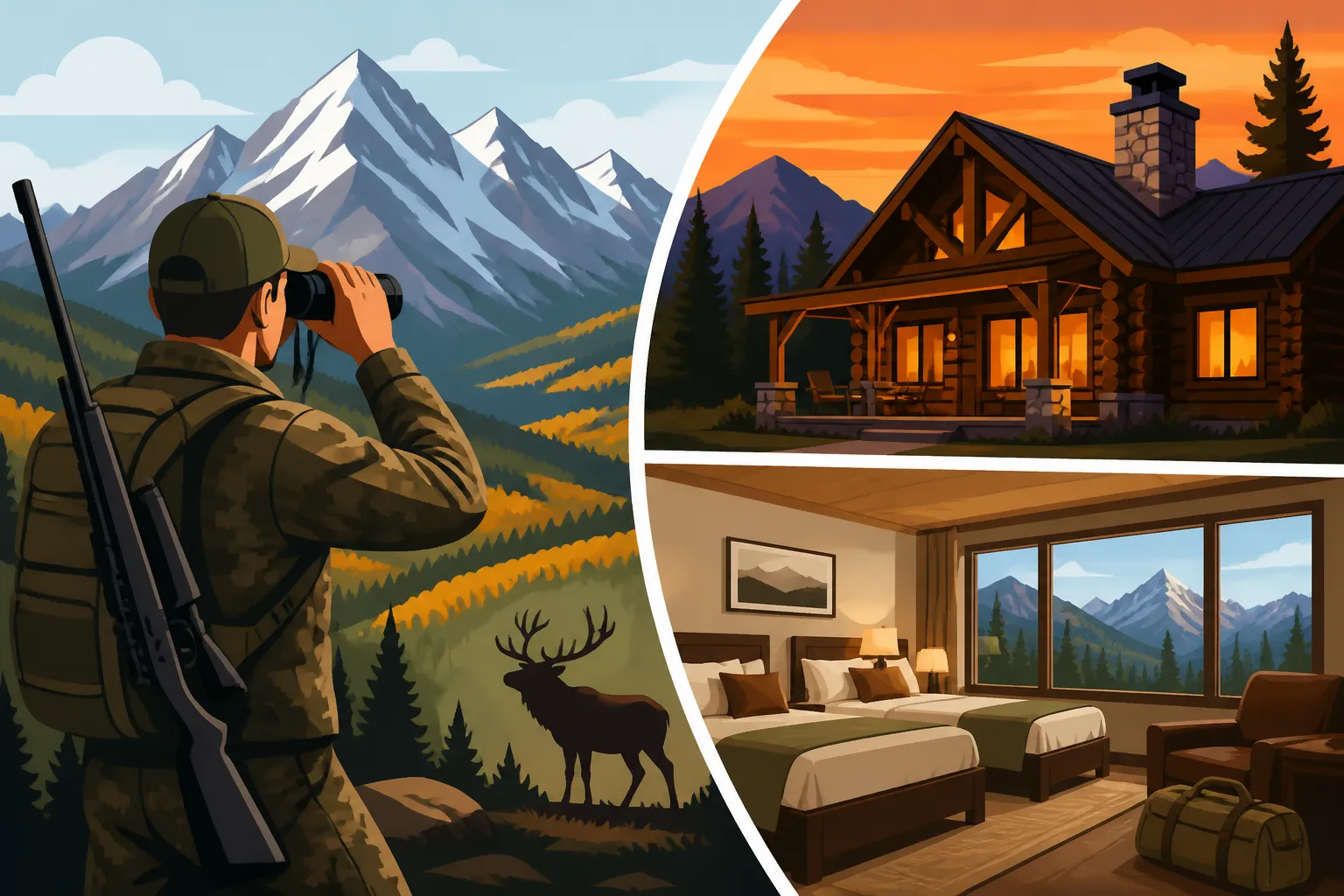
Hunting cabins provided by outfitters can vary widely, from quaint, rustic log structures nestled deep in the woods to more modern, well-appointed homes. Often, these cabins are located on private land controlled by the outfitter, or on Forest Service or BLM leases that permit such structures. The primary advantage here is privacy and a greater sense of "home" compared to a shared camp environment.
You might find amenities like private bedrooms, a fully equipped kitchen (allowing for self-catering or meals prepared by an outfitter's cook), indoor plumbing with hot showers, and sometimes even satellite TV or Wi-Fi (though in remote areas, don't count on high-speed internet!). These cabins provide a fantastic option for small groups or families who want to hunt together but prefer a comfortable, insulated base. Imagine coming back from a cold morning hunt to a warm cabin, brewing your own coffee, and planning the evening stalk in a relaxed setting. It's a significant step up from tent camping and offers a blend of rugged hunting days with comfortable evenings.
Full-Service Hunting Lodges: The Ultimate Comfort Experience
At the pinnacle of guided hunt lodging are the full-service hunting lodges. These operations often feel more like a country resort than a hunting camp. They are typically found on large private ranches or are situated in more accessible areas with easier road access. Hunters choosing a lodge experience are usually looking for a truly "all-inclusive" package, where every detail from gourmet meals to comfortable sleeping arrangements is handled.
Expect private bedrooms, often with en-suite bathrooms, hot showers, flush toilets, and often daily housekeeping. Meals are usually prepared by professional cooks, featuring delicious, hearty fare served in a communal dining room. Many lodges also offer additional amenities like game rooms, lounges, Wi-Fi, and laundry facilities. Some high-end lodges even have dedicated gun ranges or archery practice areas. This is often the ideal choice for hunters bringing non-hunting companions, or for those who simply want to maximize their comfort and minimize any logistical worries after a strenuous day. These types of operations are often featured when looking into Colorado Ranch Hunts Explained and generally come with a higher price tag, as you might expect when exploring the Colorado Guided Elk Hunt Cost.
Choosing the Right Lodging for Your Colorado Hunt
Deciding on the perfect lodging for your guided hunt isn't just about comfort; it's about matching the experience to your expectations, physical capabilities, and budget. Each option offers a distinct flavor of hunting adventure, and selecting wisely can make or break your trip.
Matching Lodging to Your Hunting Style and Budget
Before you even start looking at specific outfitters, take a moment to honestly assess what kind of hunter you are and what you truly want out of your Colorado experience. Are you a hardcore, wilderness-loving individual who thrives on self-sufficiency and minimalist living? Then a spike camp or a remote drop camp might be your ideal. These options often present a more budget-friendly entry point into a guided hunt, as the overhead for the outfitter is lower. You’ll be living simply, but directly in the habitat of the game, which can be incredibly exciting.
On the other hand, if your idea of "roughing it" is a hotel without room service, then a full-service lodge or a well-appointed hunting cabin is probably a better fit. These options, while more expensive, remove many of the daily inconveniences, allowing you to focus solely on the hunt during the day and fully relax each evening. This is also a strong consideration for multi-day hunts where fatigue can quickly set in. If you're considering a higher-end experience, platforms like BookYourHunt can help you filter outfitters by the type of lodging they provide, making it easier to find those offering cabins or lodges.
Consider your group dynamics too. Are you solo, with a buddy, or bringing your family? A private cabin offers more personal space, while a communal base camp can foster camaraderie among hunters. Think about the physical demands of your chosen hunt. If you're doing a strenuous Colorado Backcountry Hunting Guide hunt, a comfortable lodge might be a welcome relief at the end of each day. If you're perfectly capable of sleeping on a cot and cooking over a fire, a drop camp might offer a more authentic experience.
Essential Questions to Ask Your Outfitter
Once you’ve narrowed down your preferred lodging style, the next step is to communicate clearly with potential outfitters. Don't assume anything. What one outfitter considers "comfortable" might be another's "rustic." This is especially important when you’re figuring out How to Choose a Colorado Hunting Outfitter. Here’s a checklist of questions to ask to ensure there are no surprises when you arrive:
- Sleeping Arrangements: Is it a private room, a shared cabin, a communal tent? What kind of bed (cot, mattress, bunk)? Do you need to bring your own sleeping bag, pillow, or linens?
- Meals: Are meals provided? How many per day? What kind of food? Will there be snacks or drinks available in camp? Can they accommodate dietary restrictions? If it's a drop camp, is cooking gear provided, or do you need to bring your own?
- Water & Hygiene: Is there running water? Hot water for showers? What are the toilet facilities (flush, vault, outhouse)? How often are showers available?
- Power & Communication: Is there electricity or a generator? For how long each day? Are there charging stations for electronics? Is there cell service or Wi-Fi (be realistic about remote locations)?
- Heat: What kind of heating is available in your sleeping quarters (wood stove, propane heater)? Is wood or propane provided?
- Gear Storage: Is there a secure, dry place to store your gear, especially wet clothing or muddy boots?
- Transportation to Camp: How do you get to the camp location? Is it a drive, a hike, a horseback ride?
- Arrival/Departure Times: What are the check-in and check-out procedures for the lodging?
It’s also wise to inquire about the specific location. Some outfitters operate within a designated National Forest Wilderness Area, which comes with its own set of rules and impacts the type of structures allowed. Others might be on private land with more flexibility. Resources like GoHunt often provide detailed outfitter profiles, which can be a great starting point for gathering this information before you even make the first phone call. This due diligence will ensure your guided hunt is based out of the perfect retreat for your style.
| Lodging Type | Comfort Level | Typical Amenities | Experience | Best For |
|---|---|---|---|---|
| Spike Camp | Minimal | Lightweight tent, sleeping pad, basic cook gear | Ultra-rugged, deep wilderness, mobile | Hardcore, minimalist hunters, small groups |
| Drop Camp (Wall Tent) | Low-Moderate | Large canvas tent, cots, wood stove, limited water, basic cooking setup | Immersive, rustic, self-managed | Experienced hunters, small groups, budget-conscious |
| Outfitter Base Camp | Moderate | Wall tents/cabins, communal dining, camp cook, shared outhouse/shower | Social, comfortable wilderness, full-service | Most hunters, good balance of comfort & experience |
| Hunting Cabin | Moderate-High | Private rooms, kitchen, heat, indoor plumbing (often) | Private, homely, relaxed, more amenities | Families, couples, those wanting privacy/comfort |
| Full-Service Lodge | High | Private rooms/baths, gourmet meals, hot showers, Wi-Fi, lounges | Luxurious, all-inclusive, resort-like | Non-hunting companions, comfort-focused hunters |
Booking and Preparing for Your Guided Hunt Lodging
Once you've chosen your outfitter and decided on your preferred lodging, the booking process needs careful attention. Reputable outfitters often book out their prime dates years in advance, especially for popular seasons like the peak of the rut or early rifle hunts. Knowing When to Book a Colorado Guided Hunt is critical to securing your spot. Don't procrastinate!
When you finalize your booking, make sure all details about your lodging are explicitly laid out in your contract or booking agreement. This includes specific amenities, meal plans, and any expectations for camp duties if you’re in a more self-sufficient setup like a drop camp. Pay attention to deposit schedules and cancellation policies – mountain weather and unforeseen circumstances can always throw a wrench in plans.
Finally, prepare your personal gear according to the lodging type. If you're heading to a backcountry camp, your Colorado Guided Hunt Packing List will look very different than if you're staying in a lodge. For tent camps, think layers, a warm sleeping bag rated for colder temperatures than you anticipate, and reliable headlamps. For lodges, you might still need comfortable camp clothes, but you won’t need to worry about providing your own sleeping setup. No matter the lodging, a good pair of boots and appropriate hunting attire are always non-negotiable for chasing game in the rugged Colorado terrain.
Disclaimer
Hunting in Colorado involves inherent risks, including those associated with rugged terrain, rapidly changing weather conditions, and wildlife encounters. This guide is for informational purposes only and should not replace due diligence, professional advice, or adherence to Colorado Parks and Wildlife regulations. Always prioritize safety and consult with experienced professionals.