How Outfitters Handle Colorado Elk Meat
Successfully harvesting a magnificent Colorado elk is an unparalleled thrill, but for many hunters, especially those new to the mountains or relying on an outfitter, the immediate aftermath can bring a wave of anxiety: what happens to all that hard-earned meat? This guide aims to thoroughly demystify how reputable Colorado outfitters manage your elk meat, ensuring your valuable harvest gets from the high country to your freezer safely and efficiently.
The Immediate Aftermath: Field Dressing and Quartering
The shot is fired, the bull is down, and the adrenaline is still pumping. This is where an experienced outfitter truly shines, taking charge of the critical first steps of meat preservation. Their efficiency and knowledge in the field are paramount, particularly in challenging Rocky Mountain terrain and unpredictable weather.
The Guide's Expertise in Field Processing
Outfitters and their guides are not just skilled at finding and calling in elk; they are masters of field processing. Almost immediately after the animal is dispatched, they'll begin the process of field dressing. This involves removing the viscera (guts) to quickly cool the carcass and prevent bacterial growth. They’ll work quickly and methodically, often using specialized tools. You might be asked to help hold legs or provide light, but generally, the guide will lead this crucial task.
Once field dressed, the next step is typically quartering the animal. An adult bull elk can easily weigh 700-1000 pounds or more on the hoof, far too heavy to move whole, especially in steep, rugged country. Quartering involves breaking the animal down into manageable pieces: the two front shoulders, two hindquarters, and the backstraps and tenderloins (which are often removed as separate pieces). The neck meat might also be taken. Reputable outfitters understand that proper handling, avoiding dirt, pine needles, or excessive hair contamination, is crucial for meat quality. They'll often lay down a tarp or game bags to keep the meat clean. For a deeper dive into these initial steps, you might find our guide on How to Quarter an Elk in the Field particularly helpful.
Avoiding Common Field Processing Pitfalls
Even with the best intentions, errors can happen, especially in the excitement or exhaustion of the moment. Outfitters are trained to avoid common pitfalls that can compromise meat quality. This includes ensuring proper bleeding to reduce off-flavors, removing all internal organs quickly, and getting the hide off as soon as possible to allow the meat to cool. If the weather is warm, they'll be even more meticulous about these steps to prevent spoilage. They know that leaving the hide on too long, especially in direct sunlight or higher temperatures, can quickly lead to what's known as "bone sour," where the deeper muscles begin to spoil due to trapped heat. This attention to detail is one of the many reasons hunters consider a guided experience as outlined in our Colorado Elk Hunting Outfitters Guide.
Getting the Meat Off the Mountain: Cooling and Transportation
Once the elk is quartered and in game bags, the next major hurdle is getting it out of the wilderness and to a cooler or processor. This phase presents significant logistical challenges, and how an outfitter handles it can vary greatly depending on the terrain, the remoteness of the kill, and the specific services they offer.
Game Bagging and Initial Cooling Strategies
After quartering, each piece of meat is placed into breathable game bags. These aren't just burlap sacks; modern game bags are typically made of synthetic, breathable fabric that protects the meat from flies, dirt, and debris while still allowing air circulation, which is vital for cooling. Outfitters often provide these as part of their service. The bagged meat is then typically hung from trees if possible, allowing air to circulate around all sides, further aiding the cooling process. This is especially important in Colorado's unpredictable autumn weather, where a warm spell can quickly threaten meat integrity. Knowing How to Keep Elk Meat Cool in Warm Weather is a critical skill your outfitter will possess.
For remote kills, an outfitter might employ a "spike camp" strategy, leaving the meat overnight in a cool, shaded spot, hung high to deter scavengers, and then retrieving it the next day. This minimizes the strenuous pack-out pressure on the day of the kill. This type of strategic planning is often what separates a good outfitter from an exceptional one, particularly when dealing with tough mountain terrain.
Pack-Out Methods: Horses, ATVs, and Backpacks
The method of extracting the meat from the kill site depends heavily on the outfitter's operation and the specific hunting unit (GMU).
- Horseback Outfitters: Many Colorado outfitters operate out of base camps accessible by horse or mule. If you've chosen a Colorado Backcountry Hunting Guide, chances are horses will be involved. These animals are invaluable for packing heavy loads out of remote areas. The quarters are loaded onto pack saddles, secured, and then led out. This is often the most efficient way to move a large amount of meat over rugged, roadless terrain.
- ATVs/UTVs: In areas where motorized travel is permitted, outfitters might use ATVs or UTVs with trailers to haul out quarters. This is common in units with more extensive forest road networks or access trails. It's a faster method, but still requires navigating sometimes difficult terrain.
- Backpacking: For truly remote or wilderness kills, or when horses/ATVs aren't part of the outfitter's package, a "man pack" is the only option. This involves guides (and potentially the hunter, depending on the agreement) physically carrying the quarters out on their backs, often using specialized hunting backpacks. An elk quarter can weigh 50-100 pounds, making this an incredibly demanding task, sometimes requiring multiple trips. Understanding How to Pack Out an Elk in Colorado is essential knowledge for any hunter, even if an outfitter is doing the heavy lifting.
Once the meat reaches the outfitter’s base camp or a vehicle-accessible point, it will typically be transferred into large coolers, often filled with ice, or refrigerated trailers to maintain optimal temperature until it can be delivered to a professional processor.
Professional Processing and Final Logistics
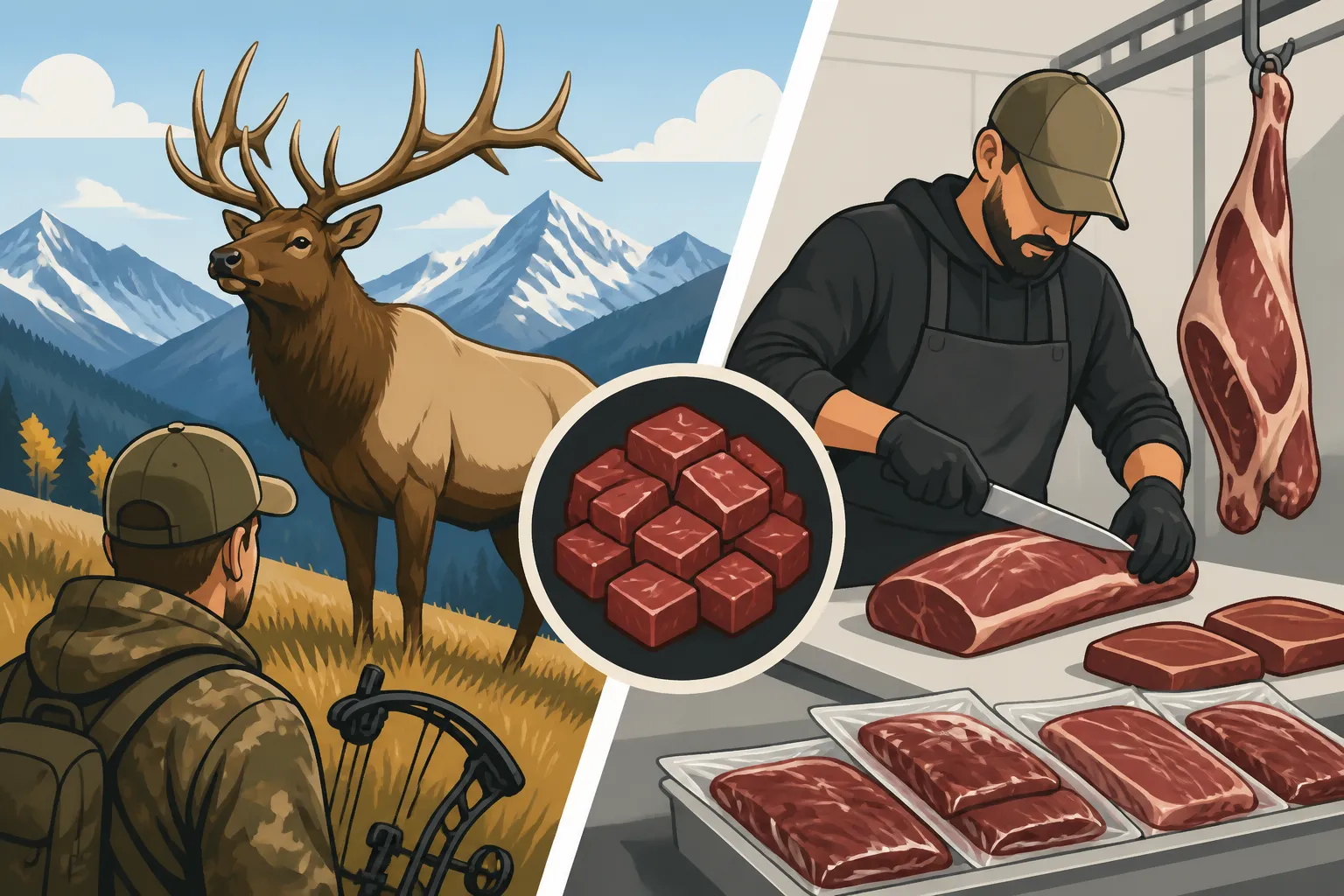
After the strenuous effort of the hunt and the pack-out, the meat finally arrives at a cooler or processor. This is where your delicious elk burger, steaks, and roasts begin to take their final form. Outfitters generally have established relationships with local processors and will facilitate this step.
Outfitter Coordination with Local Processors
Most reputable Colorado outfitters have arrangements with nearby meat processors. Towns like Meeker, Craig, Gunnison, and Montrose, all popular hunting hubs, have excellent facilities. Your outfitter will often transport your elk quarters directly to one of these processors. This saves you the headache of finding a reliable place and coordinating the drop-off, especially if you're an out-of-state hunter or unfamiliar with the area. It’s common practice for the outfitter to coordinate the drop-off and provide the processor with your contact information.
When selecting an outfitter, it's wise to ask about their meat handling protocol and which processor they use. Services like BookYourHunt or GoHunt, while primarily for finding and researching hunts, might offer reviews or insights into outfitters' overall operations, including their post-kill logistics. This can be a key factor in choosing the right outfitter, as detailed in our guide on How to Choose a Colorado Hunting Outfitter.
Understanding Processing Options and Costs
When the meat arrives at the processor, you, as the hunter, will typically be responsible for communicating your cut preferences and paying the processing fees. These fees are almost always separate from the outfitter's hunting fee, which can be substantial, as highlighted in our article on Colorado Guided Elk Hunt Cost.
Common Processing Options:
| Service Type | Description | Typical Cost Factors |
|---|---|---|
| Basic Processing | Deboning, cutting into roasts/steaks, grinding into burger. | Priced per pound (hanging weight or finished weight). |
| Specialty Cuts | Stew meat, fajita strips, specific steak thicknesses, custom roasts. | May incur additional charges per pound or per cut. |
| Sausage/Jerky | Flavoring, curing, and smoking for sausages (e.g., bratwurst, summer sausage) or jerky. | Significantly higher cost per pound due to labor and ingredients. |
| Vacuum Sealing | Air-tight packaging for freezer burn prevention. | Often an add-on, priced per pound or per package. |
| Freeze Drying | Less common, but some specialty processors offer this for long-term storage. | Very high cost, less common for standard hunts. |
Processors often have busy schedules, especially during peak rifle seasons. Expect that your meat might take anywhere from a few days to a couple of weeks to be processed, depending on the volume of game they're handling. It's crucial to confirm pickup times and logistics directly with the processor.
Shipping Your Elk Meat Home
For many non-resident hunters, getting the processed meat back home is another logistical puzzle. Again, your outfitter can often provide guidance or even facilitate this.
- Shipping Services: Many processors offer shipping services, packing your frozen meat in insulated coolers with dry ice and sending it via common carriers like FedEx or UPS. This can be expensive but ensures your meat arrives safely. Be prepared for shipping costs to be a significant portion of your overall hunt budget.
- Personal Transport: If you're driving, bringing extra coolers and dry ice or block ice is essential. A large elk can yield 150-250 pounds of boneless meat, requiring considerable cooler space. Ensure your vehicle has adequate room and that you have a plan to keep everything frozen solid for the journey. Packing effectively is part of understanding Best Colorado Elk Hunting Gear for the entire trip.
- Local Pickup and Drive: If you live relatively close, picking up the processed meat directly from the processor and driving it home is the most cost-effective method.
Your outfitter’s commitment to helping you with these final steps is a testament to their overall service and can greatly enhance your overall hunting experience, making the hard work of getting an elk worthwhile. The amount of effort guides put into this stage is often reflected in their gratuities, as discussed in Tipping a Colorado Hunting Guide.
Your Role and Responsibilities in Meat Handling
While an outfitter handles much of the heavy lifting and coordination, you, as the hunter, still have crucial responsibilities to ensure your elk meat is handled optimally. This isn't just about ethics; it's about preserving the quality of your hard-earned food.
Clear Communication with Your Outfitter
Before you even step foot in the woods, have a frank conversation with your potential outfitter about their meat handling policies. Ask specific questions:
- Who is responsible for field dressing and quartering?
- What is their plan for cooling the meat immediately after the kill?
- How will the meat be transported out of the field? Are horses, ATVs, or backpacks used?
- Do they transport the meat to a local processor? Which one?
- What are the typical processing times and costs you can expect?
- Do they assist with shipping arrangements for non-residents?
Getting these details clarified upfront, perhaps even before booking through services like BookYourHunt, will prevent misunderstandings and allow you to plan accordingly. Understanding all the facets of a guided hunt, including post-kill logistics, is part of knowing What to Expect on a Guided Colorado Elk Hunt.
Assisting When Possible and Appropriate
While your outfitter will lead the meat handling process, offer to assist where you can and where it's safe and appropriate. This might mean:
- Helping to hold a leg during field dressing.
- Carrying smaller portions like backstraps or tenderloins in your own pack.
- Helping load quarters onto pack animals or ATVs.
- Being ready with extra game bags or a tarp if needed.
Your eagerness to help, even in a small way, demonstrates respect for the animal and appreciation for your guide's hard work. It also streamlines the process, especially when time is of the essence due to weather or dwindling daylight. Remember, a successful hunt involves a lot of teamwork, and knowing your role contributes to that. This collaborative spirit is often a stark contrast to the challenges of a purely Colorado DIY Elk Hunting Guide scenario.
Post-Hunt Follow-Up and Logistics
Once the hunt is over and the meat is at the processor, your responsibility shifts to managing the processing details and getting your meat home.
- Contact the Processor Promptly: Call the processor as soon as possible after your hunt to confirm they received your elk, discuss cut preferences, and get an estimated pickup or shipping date. Don't assume the outfitter has communicated every single detail of your preference.
- Plan for Transport: If you're driving, have your coolers ready and ensure you have enough dry ice or frozen water bottles to keep the meat solid for your trip home. For longer drives, plan a stop to replenish ice.
- Storage at Home: Make sure you have adequate freezer space at home. An elk can fill a significant portion of a standard upright freezer.
Proper post-hunt follow-up ensures that the outfitter's diligent efforts in the field translate into high-quality, delicious elk meat for your table. It's the final, crucial step in the journey of your Colorado elk harvest. If you're looking for more general information, our comprehensive Colorado Elk Hunting Guide covers everything from pre-hunt planning to post-harvest care.
Disclaimer
Please remember that hunting regulations, seasons, and access can change. Always consult the official Colorado Parks and Wildlife (CPW) regulations and maps for the most current and accurate information before planning any hunt. This guide provides general information and best practices, but individual situations and outfitter services may vary.