Colorado All-Inclusive Hunt Packages
Planning a hunt in the vast, rugged landscapes of Colorado can feel like a full-time job, especially when you factor in licenses, scouting, gear, and navigating unfamiliar terrain. For many hunters, the sheer complexity of organizing a successful trip, particularly for big game like elk or mule deer, becomes overwhelming. This comprehensive guide is here to shed light on Colorado all-inclusive hunt packages, detailing what they entail, their benefits and drawbacks, and how to find the perfect one to simplify your next Rocky Mountain adventure.
What Exactly is an All-Inclusive Hunt Package in Colorado?
When you hear "all-inclusive" for a vacation, you usually picture poolside drinks and buffet dinners. In the world of Colorado hunting, it means something similar in principle but vastly different in execution. An all-inclusive hunt package is designed to remove as much of the logistical burden as possible from the hunter, allowing them to focus solely on the hunt itself. It's essentially a comprehensive service offered by an outfitter that bundles numerous essential components of a hunting trip into a single price.
Defining "All-Inclusive" in the Context of Colorado Hunting
For a Colorado hunt, "all-inclusive" generally refers to a package that covers guiding services, lodging, meals, and field transportation. It's the Cadillac of hunting trips, where you show up with your weapon, personal gear, and tag, and everything else is handled. This level of service is a far cry from a do-it-yourself (DIY) hunt, where you're responsible for every single detail, from setting up camp to packing out your animal. The beauty of an all-inclusive setup is that it minimizes the unknowns and maximizes your time in the field, which can be invaluable when you're traveling a long distance or have limited vacation time.
However, it's crucial to understand that "all-inclusive" isn't a universally standardized term in the hunting industry. What one outfitter considers all-inclusive, another might call semi-guided with add-ons. You'll find varying levels of what's truly included, so deep dives into the specifics of each package are paramount. Some outfitters might include airport pick-up and drop-off, while others expect you to arrive at their lodge. Some may provide all necessary equipment beyond your personal rifle or bow, while others stick strictly to guiding services. Always confirm every detail before committing.
What's Typically Covered and What Might Not Be
A true Colorado all-inclusive hunt package usually covers a core set of services that make your hunt seamless. Let's break down the common inclusions and exclusions:
Common Inclusions:
- Professional Guide Services: This is the cornerstone. You'll have experienced guides who know the local terrain, elk and deer patterns, and hunting strategies inside and out. They'll lead you, track game, and assist with recovery.
- Lodging: Expect comfortable accommodations, whether it's a cozy lodge, a rustic cabin, or even a well-appointed wall tent in a drop camp. The quality can vary significantly.
- Meals: Delicious, hearty meals are usually provided, often starting with breakfast before dawn and ending with dinner and a warm fire. Some even include packed lunches for the field.
- Field Transportation: This could mean ATVs, UTVs, 4×4 vehicles, horses, or even just hiking in with your guides. It ensures you get to and from prime hunting spots efficiently.
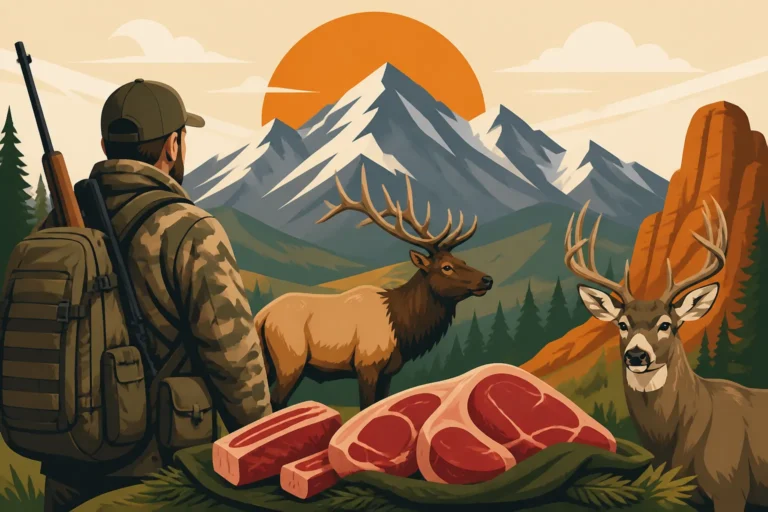
- Field Care of Game: Once an animal is down, guides will assist with field dressing, quartering, and packing it out to a vehicle. This is a huge relief after a successful hunt.
- Initial Meat/Trophy Preparation: Many outfitters will take care of getting your meat to a local processor and your trophy to a taxidermist, though the cost of these external services is usually extra.
What's Often Not Included (and you'll need to budget for):
- Hunting License and Tags: These are almost always your responsibility to acquire, whether through the Colorado Parks and Wildlife (CPW) draw system or over-the-counter (OTC) purchases. Check out our guide on Colorado Elk Season Dates and Tags for specific details.
- Travel to and from Colorado: Airfare, fuel for your vehicle, and any overnight stays before or after the hunt are on you.
- Meat Processing and Taxidermy: While guides often arrange transport, the actual costs for cutting, wrapping, freezing meat, or preparing a trophy for mounting are separate.
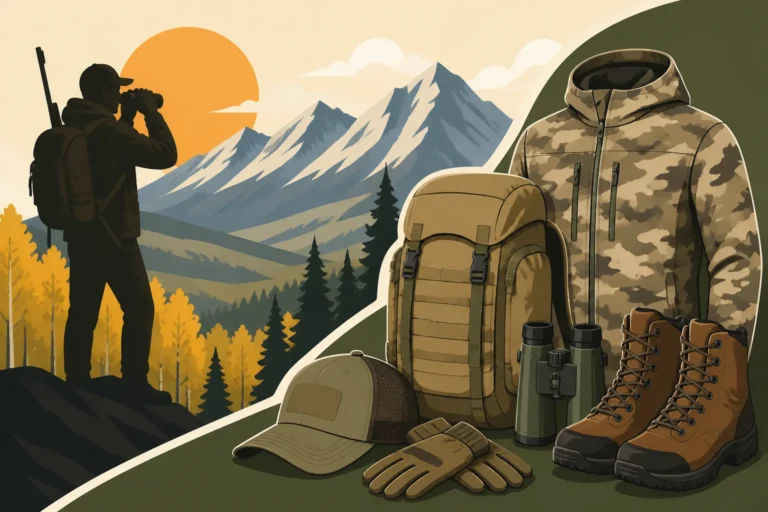
- Gear and Equipment: Your personal hunting rifle or bow, ammunition, optics, specialized clothing, and boots are your responsibility. However, some outfitters might rent gear or have specific recommendations for the terrain. For comprehensive advice, see our article on Best Colorado Elk Hunting Gear.
- Gratuities for Guides and Staff: Tipping is customary and expected in the outfitting industry. This can be a significant expense, so factor it in early. We'll cover this in more detail later.
- Alcoholic Beverages/Personal Snacks: While meals are provided, specialty drinks or your favorite trail snacks might not be.
- Pre- and Post-Hunt Expenses: Hotel stays outside the hunt dates, souvenir shopping, or unexpected travel costs.
Understanding these distinctions is key to avoiding surprises and accurately budgeting for your dream Colorado hunt.
The Pros and Cons of Opting for an All-Inclusive Colorado Hunt
Deciding whether to book an all-inclusive hunt is a significant choice that often comes down to balancing convenience, cost, and your personal hunting style. There are definite advantages, especially for those new to Western hunting or seeking a highly efficient experience, but there are also potential drawbacks that warrant consideration.
Advantages for the Hunter
The list of benefits for choosing an all-inclusive package is compelling, particularly if you're traveling from out of state or have limited time.
Firstly, maximum efficiency and time utilization are huge. Imagine flying into Grand Junction, being picked up by your outfitter, and driven directly to a comfortable lodge where dinner is waiting. No wasted time setting up camp, navigating unfamiliar roads, or figuring out where the best hunting spots are. Your guides have already done the extensive scouting, know the game patterns, and can put you in position quickly. This means more quality hunting time in the field, which is, after all, why you're there. This is a stark contrast to a Colorado DIY Elk Hunting Guide scenario, where every moment is spent on logistics.
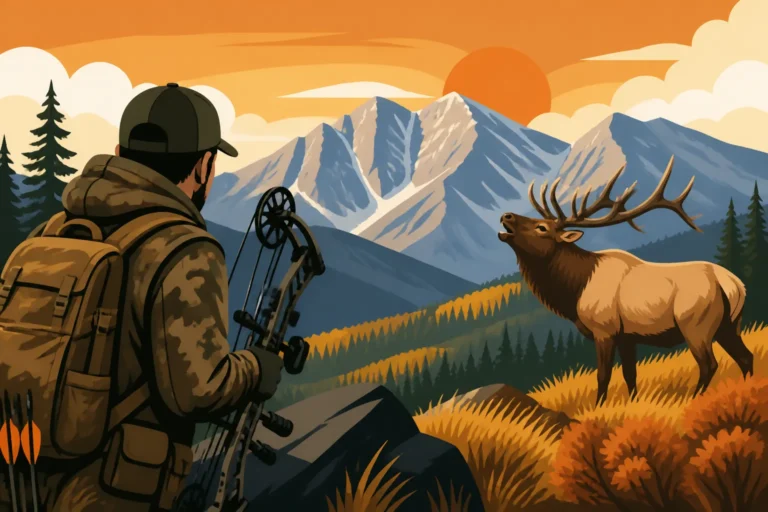
Secondly, expert knowledge and increased success potential cannot be overstated. Colorado's diverse terrain and wildlife can be incredibly challenging. A local outfitter and their guides have years, sometimes decades, of experience in their specific hunting units. They understand the nuances of elk and mule deer behavior, how weather affects their movement, and where the secret pockets of animals reside. This local knowledge significantly increases your odds of a successful harvest. They'll interpret tracks, read the wind, and know precisely how to approach game in the rugged mountains. Many outfitters specialize in different methods, so you might find an outfitter perfect for Colorado Archery Elk Hunting Guide or another for Colorado Rifle Elk Hunting Guide.
Thirdly, there's a profound reduction in stress and logistical burden. For many, the joy of hunting can be overshadowed by the anxieties of planning. With an all-inclusive package, the outfitter handles the camp logistics, cooking, navigation, and even the often-daunting task of packing out a large animal. This frees you up mentally and physically to enjoy the breathtaking Colorado scenery and the thrill of the chase. You're not worrying about camp chores after a long day of hiking; you're enjoying a hot meal and swapping stories by the fire.
Finally, for non-residents, these packages can be a game-changer. Navigating Colorado's specific hunting regulations, finding good public land access, and understanding the nuances of the draw system can be a steep learning curve. Outfitters often have strategies for securing tags or offer Colorado Landowner Voucher Hunts Explained which can bypass the public land draw, simplifying the entire process for out-of-state hunters. Websites like GoHunt and BookYourHunt are excellent resources for researching various outfitters and their offerings, often streamlining the booking process and providing valuable insights into specific hunt types and locations.
Potential Drawbacks and Considerations
While the advantages are many, it’s important to acknowledge that all-inclusive hunts aren't without their considerations.
The most obvious drawback is cost. All-inclusive packages are typically the most expensive option compared to semi-guided or DIY hunts. You're paying for convenience, expertise, and a high level of service, and that comes with a price tag. For many, this cost can be prohibitive, especially if hunting is a yearly endeavor. It’s crucial to understand How Much Does a Colorado Elk Outfitter Cost and budget accordingly, including the often-overlooked expense of tipping your guides and staff, which can add another 15-20% to the total.
Another point to consider is the potential for less independence. If you're a hunter who relishes the challenge of self-reliance, charting your own course, and making every decision, an all-inclusive hunt might feel a bit too restrictive. While a good guide will involve you in the decision-making process, ultimately, they are leading the hunt. You're following their plan, their pace, and their chosen hunting spots. For hunters who value the solitude and the personal satisfaction of a truly DIY experience, this might not be the best fit. Compare this with a Colorado Backcountry Hunting Guide where every decision is yours.
There's also the risk of a mismatch with the outfitter's style or expectations. Just like any service, not all outfitters are created equal. You might find an outfitter whose hunting style doesn't align with yours, or whose idea of "all-inclusive" falls short of your expectations. This is why thorough vetting is critical. Asking detailed questions, checking references, and understanding the outfitter's philosophy are essential steps. You don't want to arrive expecting a specific type of hunt and find yourself disappointed. This underscores the importance of learning How to Choose a Colorado Hunting Outfitter.
Finally, flexibility can be limited. Most all-inclusive packages run on a set schedule, typically 5-7 days. If you encounter unforeseen circumstances, like bad weather, or if you want to extend your stay for more hunting days, it might be difficult or impossible without significant additional costs. The structured nature means less adaptability once the hunt is booked and underway.
How to Find and Evaluate Colorado All-Inclusive Hunt Packages
Finding the right all-inclusive hunt package is about more than just looking at a price tag. It requires diligent research, clear communication, and a realistic understanding of what you're looking for. The investment is significant, so you want to ensure it aligns perfectly with your hunting goals and expectations.
Researching Reputable Outfitters and Their Offerings
The first step is casting a wide net to find reputable outfitters specializing in Colorado big game. The internet is your friend here, but remember to look beyond flashy websites. Start with industry aggregators like BookYourHunt, which allows you to browse multiple outfitters, compare packages, and read reviews from past clients. This platform can be incredibly useful for getting an initial feel for what's available and what typical prices look like for guided hunts in Colorado.
Another excellent resource is GoHunt, which provides detailed unit data, draw odds, and often features articles and resources about various outfitters. While primarily focused on DIY hunting data, their insights can help you understand what kind of terrain and game populations outfitters might be working with in certain units. You can also leverage state wildlife agencies – in Colorado, that's Colorado Parks and Wildlife (CPW). They license all outfitters, so checking their registry can confirm legitimacy.
Beyond these, look for outfitters who have a strong presence at hunting expos or those with consistent advertising in reputable hunting magazines. Word-of-mouth recommendations are invaluable; talk to friends or fellow hunters who have gone on guided trips. A personal referral often comes with genuine insights that you won't find online.
When reviewing offerings, pay close attention to:
- Target Species and Success Rates: Does the outfitter specialize in elk, mule deer, or both? Are their success rates verifiable, and what do they consider "success" (harvest, opportunity, or simply seeing game)?
- Hunt Style: Do they focus on spot-and-stalk, still-hunting timber, calling, or a combination? Your preferred method should ideally align with theirs. If you're interested in specific methods, look for outfitters that highlight those techniques, such as those specializing in How to Call Elk in Colorado or Spot-and-Stalk Hunting in Colorado.
- Terrain and Physical Demands: Colorado hunting is notoriously physical. Understand the elevations and ruggedness of the areas they hunt. Ensure it matches your physical conditioning. If you're wondering about preparedness, our guide on How to Physically Prepare for Colorado Elk offers great tips.
- References: A reputable outfitter will gladly provide a list of recent clients you can call. Don't skip this step! Ask those references about their actual experience, the quality of the guides, the food, the lodging, and how the outfitter handled any issues.
Key Questions to Ask Before Booking
Once you've narrowed down your choices, it's time to get on the phone and have a detailed conversation with the outfitter. This is where you clarify all the "all-inclusive" specifics.
Here's a comprehensive list of questions to ask:
- What is explicitly included in the "all-inclusive" price? Go line by line: guiding, lodging, meals (how many per day, packed lunches?), transportation (from where to where, and during the hunt), field care, meat/trophy handling arrangements.
- What is not included, and what are the estimated additional costs for those items? This includes license/tag fees, meat processing, taxidermy, travel, and crucially, gratuities. Get an honest estimate for tips.
- What are the exact hunt dates and duration? Confirm arrival and departure days, and how many full hunting days are included.
- What specific unit(s) will we be hunting? Understanding the General Management Unit (GMU) can help you research draw odds and terrain. For more on this, see Colorado Hunting Units GMUs Explained.
- How many hunters per guide? A 1:1 ratio is ideal but often more expensive. 2:1 is common; 3:1 or more might mean less personalized attention.
- What are the accommodations like? Ask for photos of the lodge, cabin, or camp setup. Are there private bathrooms? Showers? Wi-Fi?
- What caliber of game can I realistically expect? Don't be shy here. Ask about average size, trophy potential, and whether they prioritize trophy or meat animals.
- What is your success rate, and how do you define it? Is it harvest rate, opportunity rate, or something else? Ask for historical data.
- What gear should I bring? Request a detailed packing list, especially for clothing, boots, and optics. A well-prepared hunter is a successful hunter. For more details, check our Colorado Backcountry Hunting Gear List.
- What is your cancellation policy? Life happens. Understand what happens to your deposit if you need to cancel or reschedule.
- Do you assist with tag acquisition or offer landowner tags? This is especially relevant for non-residents or those seeking guaranteed tags. Our article on Colorado Landowner Vouchers Explained can provide context.
- What happens in case of an emergency (medical, lost game)? A professional outfitter will have clear protocols for safety and game recovery.
- Can I speak with recent references? Absolutely essential. Follow through and call them.
By asking these thorough questions, you'll gain a clear picture of what you're buying, ensuring your "all-inclusive" hunt truly meets your expectations and helps you avoid any nasty surprises.
Budgeting for Your All-Inclusive Colorado Hunting Adventure
One of the biggest questions on any hunter's mind when considering a guided trip is, "How much is this really going to cost me?" While all-inclusive packages aim for transparency by bundling services, understanding the full financial picture is crucial. It's not just the sticker price; it's also about anticipating additional expenses and handling gratuities gracefully.
Understanding the Cost Breakdown
The cost of a Colorado all-inclusive hunt package can vary dramatically based on several factors, including the species you're hunting, the duration of the hunt, the luxury of the accommodations, the guide-to-hunter ratio, and the reputation of the outfitter.
Average Price Ranges (estimates, these can fluctuate wildly):
- Elk Hunts: Expect to pay anywhere from $5,000 to $10,000+ for a 5-7 day all-inclusive elk hunt. Premium hunts in highly desired units or with exceptional trophy potential can easily exceed $12,000-$15,000.
- Mule Deer Hunts: Similar to elk, mule deer hunts typically range from $4,500 to $9,000+ for a comparable duration.
- Combination Hunts: Some outfitters offer combo packages for elk and deer, which will naturally be higher, possibly in the $8,000 to $15,000+ range.
- Specialty Hunts: Hunts for specific seasons (like the peak rut) or unique experiences (e.g., horseback pack-in hunts deep into wilderness areas) often fall on the higher end of these spectrums.
The guiding ratio plays a big role. A 1:1 guide-to-hunter ratio offers the most personalized experience but also carries the highest price tag. A 2:1 ratio is very common and still provides excellent service, while a 3:1 or higher might mean more hunters in camp and less dedicated guide time, often reflected in a lower price.
Consider the time of year as well. Early archery or late-season rifle hunts might be priced differently than the prime rifle seasons or the bugle-filled archery rut. For a deep dive into costs, our article on Colorado Guided Elk Hunt Cost provides more detailed breakdowns.
Here's a simplified table illustrating potential cost components:
| Expense Category | Typical Inclusion in "All-Inclusive" | Estimated Additional Cost (Not Incl.) | Notes |
|---|---|---|---|
| Hunt Package Fee | Guiding, lodging, meals, field transport, field care | $5,000 – $15,000+ | This is the base price. |
| Colorado Hunting License & Tag | No | $400 – $800+ (Non-Res) / $50-100 (Res) | Varies by species, residency, and type (e.g., bull vs. cow). See Colorado Hunting License Costs. |
| Travel (Flights/Fuel) | No | Varies significantly | Depending on origin and mode of transport. |
| Meat Processing | No (transport arranged) | $200 – $600+ | For an elk, this can be substantial. |
| Taxidermy | No (transport arranged) | $1,000 – $3,000+ (for mount) | If you harvest a trophy. |
| Gratuities (Tips) | No | 15% – 20% of package fee | Customary for guides, cooks, camp staff. |
| Personal Gear & Ammo | No | Varies significantly | Optics, clothing, boots, weapon, etc. |
| Pre/Post-Hunt Hotels/Meals | No | $100 – $300 per night | If arriving early or staying late. |
This table serves as a realistic budgeting tool, showing that the advertised "all-inclusive" price is a significant chunk but not the entire picture.
Hidden Fees and Tipping Etiquette
While a reputable outfitter will be transparent, some costs might not be immediately obvious. Always clarify if there are any charges for specific amenities like laundry service, special dietary requests, or satellite phone usage. Ask about game retrieval fees if the animal falls in a particularly difficult area; while rare with reputable outfitters, it's worth confirming.
Tipping is the most significant "hidden" cost that many first-time guided hunters overlook. It's customary and expected to tip your guides, cook, and any other camp staff. A good rule of thumb is 15-20% of the total hunt package cost. This isn't just a bonus; it's a significant portion of a guide's income and reflects your appreciation for their hard work, expertise, and dedication to your hunt.
How to Calculate and Distribute Tips:
- Lead Guide: Often receives a larger portion.
- Assistant Guides: Receive a slightly smaller, but still substantial, portion.
- Cook/Camp Staff: Should also be tipped, as they make the overall experience comfortable.
It's best to bring cash for tips, discreetly given at the end of the hunt. If you're unsure how to distribute it, you can ask the outfitter privately for guidance on the customary tipping structure for their camp. They won't tell you how much to tip, but they can advise on who to tip.
Remember, a generous tip isn't just about successful harvest; it's about the effort, service, and experience provided. A guide who works tirelessly to put you on game, even if you don't seal the deal, deserves recognition. Tipping shows respect for their profession and sets a positive tone for potential future hunts. To learn more about this crucial aspect, read our article on Tipping a Colorado Hunting Guide.
Ultimately, an all-inclusive package is an investment in a memorable hunting experience. By thoroughly understanding the costs involved, both stated and customary, you can budget effectively and enjoy your Colorado adventure without financial surprises.
Disclaimer
Please note that hunting regulations, season dates, and license fees in Colorado can change. Always consult the official Colorado Parks and Wildlife (CPW) website or their current hunting brochures for the most up-to-date and accurate information before planning any hunt.